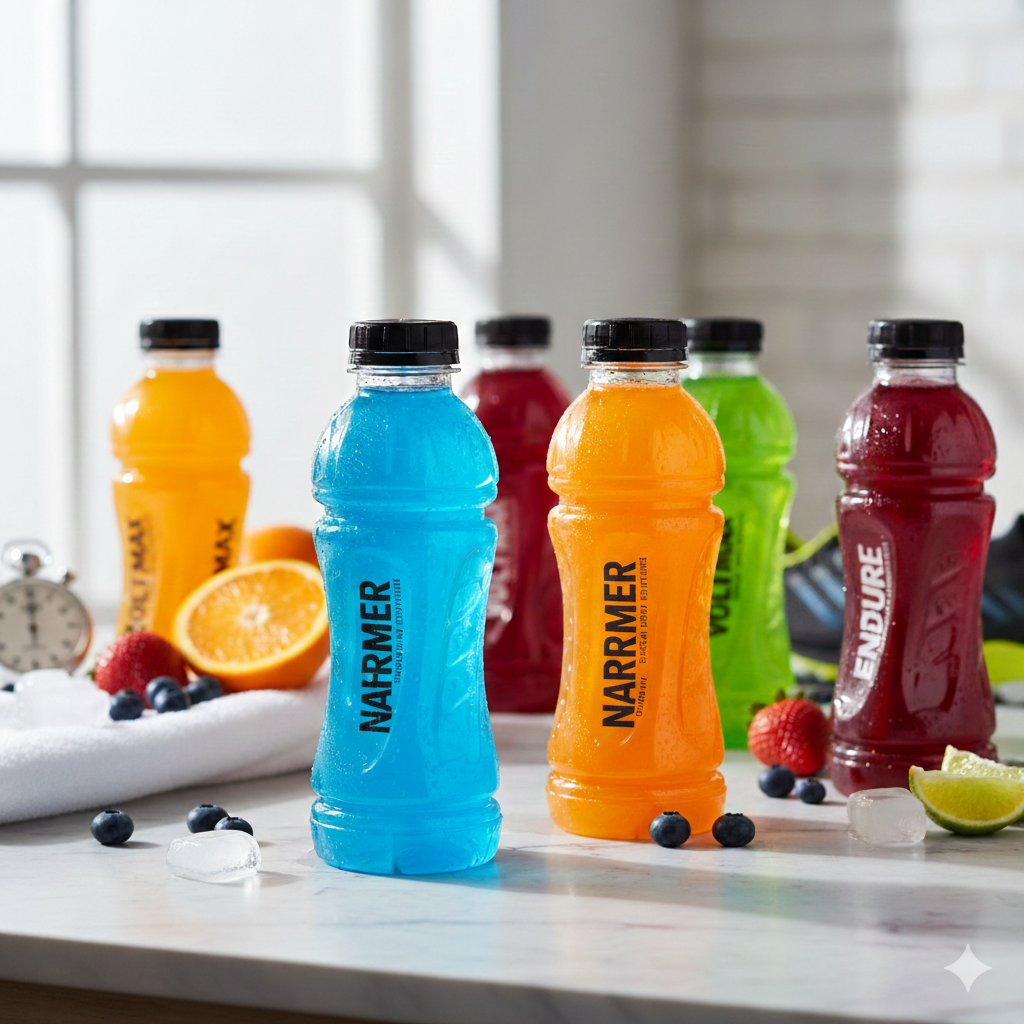
Hydration is more than simply replacing the water you lose in sweat. During training and competition, your body also sheds electrolytes and taps into carbohydrate stores that help sustain intensity. The best sports drinks for hydration are designed to address these needs in a precise, practical way—supporting fluid absorption, maintaining performance, and helping you recover without digestive discomfort.
This guide explains how sports drinks work, how to choose the right formulation for your training profile, and which options tend to perform best for athletes and everyday exercisers alike.
Understanding Sports Drinks and Hydration Basics
What Are Sports Drinks and How Do They Work?
Sports drinks are formulated beverages intended to accelerate rehydration and support performance during or after physical exertion. Unlike plain water, they typically contain electrolytes—most notably sodium—and varying amounts of carbohydrates. This combination can improve fluid retention and encourage drinking by enhancing taste, which matters when fatigue blunts thirst cues.
Mechanistically, sodium helps your body hold onto the fluid you consume, limiting excessive urine loss and supporting blood volume. Carbohydrates can provide readily available energy and, at certain concentrations, may also facilitate water absorption in the small intestine. In practical terms, a well-matched sports drink can feel “easier to drink,” sit more comfortably, and keep you steadier across long or hot sessions.
Electrolytes, Carbs, and Fluids: Key Components for Hydration
To understand electrolyte drinks, it helps to know what each component contributes:
- Fluids: Replace sweat losses and aid temperature regulation. Hydration needs rise with heat, humidity, altitude, and training volume.
- Sodium: The cornerstone electrolyte for hydration for athletes. It supports fluid retention and helps replace what is lost in salty sweat. For many people, sodium is the limiting factor—not potassium.
- Potassium, magnesium, calcium: Present in smaller quantities. They contribute to normal muscle and nerve function, but they are usually less critical for immediate rehydration than sodium.
- Carbohydrates: Provide energy and can help sustain output during longer workouts. The type (glucose, maltodextrin, sucrose, fructose) and amount influence both performance and gastrointestinal comfort.
The ideal balance depends on what you are doing. A short, low-intensity session might require little more than water. A long run in summer conditions is a different equation entirely—one where isotonic sports drinks or higher-sodium electrolyte drinks can meaningfully improve outcomes.
How to Choose the Best Sports Drink for Optimal Hydration
Factors to Consider: Activity Level, Duration, and Sweat Rate
Choosing the best electrolyte drink for workout use starts with context. Consider these variables before you buy:
- Intensity and duration: For workouts under an hour at moderate intensity, water is often sufficient. Beyond 60–90 minutes, carbohydrates and sodium become increasingly valuable—especially if you aim to maintain pace.
- Heat and humidity: Hot conditions increase sweat rate and electrolyte loss. In these settings, hydration is not just volume; it is composition.
- Sweat rate and “salty sweater” tendencies: White salt stains on clothing, stinging eyes, or frequent cramps can indicate higher sodium loss. These athletes often benefit from higher-sodium options.
- Gut tolerance: Some people thrive on standard formulations, while others need lower concentration, simpler carbohydrate blends, or reduced sweetness to avoid bloating and nausea.
- Training objective: If you are targeting performance, carbohydrates may be central. If the goal is general hydration, a low sugar sports drink or lightly flavored electrolyte solution may be preferable.
When in doubt, match the drink to the session: lighter and lower sugar for short efforts; more structured and fuel-forward for long endurance work.
Reading Labels: Sugar Content, Sodium, and Artificial Ingredients
Marketing language can obscure what matters. Label literacy keeps you in control, particularly when comparing sports drinks vs water or assessing “healthier” alternatives.
- Sodium: For hydration and sweat replacement, sodium content is a primary indicator of usefulness. Lower-sodium products may taste pleasant but can be underpowered for heavy sweaters or long sessions.
- Total carbohydrates and sugar: “Sugar” is not inherently negative in endurance contexts; it is functional fuel. However, for everyday hydration or short workouts, high sugar can be unnecessary. Look for a carbohydrate level that matches your duration and calorie needs.
- Carbohydrate types: Some formulations use multiple transportable carbs (for example, glucose plus fructose) to support higher carbohydrate intake during long efforts. This can be advantageous for endurance athletes but excessive for casual training.
- Artificial colors, sweeteners, and flavor systems: These are not automatically problematic, but some athletes prefer natural sports drinks for taste, simplicity, or personal tolerance. If artificial ingredients bother your stomach, prioritize cleaner formulations.
As a practical benchmark, endurance-oriented drinks commonly sit in a middle range of carbohydrate concentration designed to hydrate and fuel simultaneously. “Fitness” electrolyte drinks often reduce sugar but may also lower sodium—so check both.
The Best Types of Sports Drinks for Different Needs
Isotonic, Hypotonic, and Hypertonic Drinks: Which Is Best for You?
Sports drinks are often categorized by their concentration relative to body fluids. This influences absorption speed and how the drink behaves in your stomach.
- Hypotonic: Lower concentration than blood. These drinks prioritize rapid fluid absorption and typically have fewer carbohydrates. They are well-suited for shorter sessions, hot yoga, or any workout where hydration is the main goal and fueling demands are minimal.
- Isotonic sports drinks: Similar concentration to body fluids. Often the most versatile option for runners, cyclists, and field athletes because they balance fluid replacement with moderate carbohydrate delivery. For many people, isotonic formulations are the “default” choice for training longer than an hour.
- Hypertonic: Higher concentration than blood, usually higher in carbohydrates. These are more “fuel drinks” than hydration drinks and can slow gastric emptying if consumed in large amounts without sufficient water. They can be valuable late in prolonged efforts or after training for carbohydrate replenishment, but they are not always the best choice for immediate rehydration.
If your priority is fast rehydration, hypotonic solutions often excel. If you need both hydration and steady energy, isotonic is typically the best compromise. Hypertonic options are best used strategically—especially for endurance fueling rather than thirst-driven drinking.
Sports Drinks vs Water, Coconut Water, and Electrolyte Tablets
There is no universal winner. The best choice depends on your sweat losses, workout length, and tolerance.
- Sports drinks vs water: Water is effective for short, low-sweat sessions. During prolonged exercise, water alone may not replace sodium losses and may dilute blood sodium if consumed in large quantities. Sports drinks can be advantageous when sweat rate is high and sessions are long.
- Coconut water: Naturally contains carbohydrates and potassium, with comparatively modest sodium. It can be refreshing, but for heavy sweaters or long runs, it may be insufficient unless sodium is supplemented.
- Electrolyte tablets or powders: Highly customizable. They allow you to control sodium and carbohydrate intake by pairing them with water and separate fueling. This approach is often ideal for athletes with specific sweat profiles or those seeking low sugar sports drinks without sacrificing sodium.
For many runners, a simple strategy works well: use water for easy, short runs; switch to an electrolyte drink for workout days that are hot or longer; and add carbohydrates when duration or intensity demands it.
Top Recommended Sports Drinks for Hydration
Best Sports Drinks for Endurance Athletes and Long Workouts
Endurance training amplifies the value of drinks that combine meaningful sodium with digestible carbohydrates. The options below are widely used in long workouts and races because they support both hydration and sustained output:
- Gatorade Thirst Quencher: A classic isotonic sports drink with carbohydrates and sodium. It remains a practical option for long sessions, especially when palatability encourages consistent intake.
- Powerade: Comparable category and use case. It offers carbohydrates and electrolytes suitable for longer training days, though athletes should still evaluate sugar and sodium levels against personal needs.
- Maurten Drink Mix: Designed for endurance fueling with a hydrogel approach that some athletes find gentler at higher carbohydrate intakes. More performance-oriented than casual hydration-focused.
- Skratch Labs Sport Hydration Drink Mix: Frequently chosen for a lighter flavor profile and simpler ingredient list. A strong middle-ground for athletes who want carbs and electrolytes without excessive sweetness.
- Tailwind Endurance Fuel: A powder intended to serve as both calories and electrolytes, making it convenient for long rides and runs when you prefer to simplify nutrition.
For athletes training beyond 90 minutes, consider not only the drink itself but also your total hourly intake of fluids, sodium, and carbohydrates. Even the best sports drinks for hydration can underperform if dosage is mismatched to conditions.
Best Low-Sugar and Natural Sports Drinks for Everyday Hydration
Not every workout warrants substantial sugar. For general fitness, strength training, or short runs, low sugar sports drinks and cleaner electrolyte options can deliver sodium support without unnecessary calories.
- Nuun Sport (tablets): A convenient electrolyte tablet format with relatively low sugar. Useful for everyday hydration, travel, and moderate training where sodium matters more than fuel.
- LMNT (electrolyte mix): Noted for higher sodium and minimal sugar. Particularly relevant for heavy sweaters and those who prefer a strong electrolyte profile without carbohydrates.
- Ultima Replenisher: A low-sugar electrolyte powder often selected for flavor variety and simplicity, suited to light-to-moderate training and daily hydration.
- Vita Coco Coconut Water (or similar): A more natural sports drink alternative in the sense of minimal processing and recognizable ingredients, though typically lower in sodium. Consider pairing with a sodium source after intense sweating.
- Homemade electrolyte drink: Water plus a measured pinch of salt and a modest amount of citrus or diluted juice can approximate a lighter sports drink. This can be a sensible solution when you want control over sweetness and sodium.
If you are choosing a natural sports drink primarily for wellness, ensure it still aligns with the physiology of sweating. “Natural” is a preference; sodium replacement is a requirement when losses are substantial.
Conclusion
The best sports drinks for hydration are not defined by branding, but by fit. Match the formulation to your duration, intensity, and sweat rate; read labels with a critical eye; and decide whether you need hydration alone, hydration plus electrolytes, or a combined hydration-and-fueling strategy.
For many athletes, isotonic sports drinks provide the most versatile solution for longer sessions, while low sugar sports drinks and electrolyte tablets work well for everyday training. When conditions become demanding—long mileage, high heat, heavy sweat—the right electrolyte drink can be the difference between merely finishing and performing consistently.