
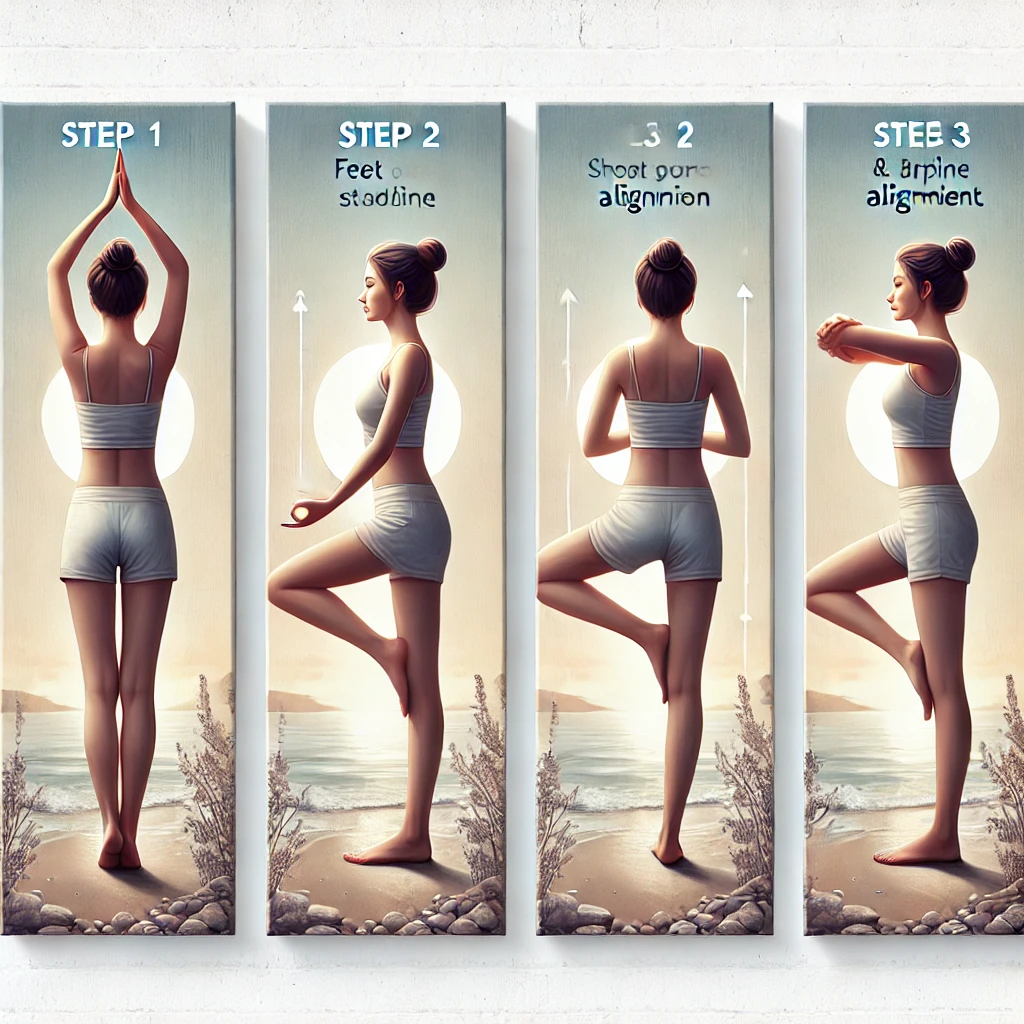
Pilates has earned a reputation as a refined, intelligent method of conditioning—one that prioritizes control over momentum and precision over intensity. While it benefits the entire body, its standout contribution is the way it develops a resilient, responsive center. For anyone seeking sustainable strength rather than short-lived results, Pilates for core strength offers a systematic approach that improves movement quality, posture, and long-term spinal support.
Understanding Pilates and Core Strength
https://spreadshop-admin.spreadshirt.com/orenga/animal+having+a+bath?idea=669f3633d67de7031eb4a1ea
What Is Pilates?
Pilates is a low-impact training system designed to improve strength, mobility, and neuromuscular coordination through purposeful, breath-led movement. Originally developed by Joseph Pilates, the method is built on principles such as concentration, control, alignment, and smooth, efficient execution. Unlike routines that isolate muscles through heavy loading, Pilates emphasizes integrated patterns that teach the body to move as a cohesive unit.
This mind-body focus is central to the broader benefits of Pilates. Each session reinforces body awareness, encourages balanced muscular engagement, and promotes movement economy—qualities that translate into better performance in daily tasks, athletics, and rehabilitation contexts.
How Pilates Targets the Core Muscles
In Pilates, the “core” extends well beyond the superficial abdominal muscles. It includes the transverse abdominis, pelvic floor, multifidus, diaphragm, deep hip stabilizers, and supportive spinal musculature. Many Pilates core exercises are structured to recruit these deeper layers first, then coordinate them with the limbs to create a stable platform for movement.
Instead of bracing with excessive tension, Pilates trains a responsive core—one that can stabilize, rotate, resist rotation, and lengthen with control. This approach is particularly effective for building functional trunk strength and improving core stability training without compressive stress on the joints.
Key Benefits of Pilates for Core Strength
Improved Stability, Balance, and Posture
A strong core is not merely about aesthetics; it is the foundation for efficient alignment and balanced force distribution. Pilates develops stability by teaching the torso to remain organized while the arms and legs move dynamically. Over time, this reduces “energy leaks” in movement—unnecessary shifting, arching, or twisting that can undermine strength and coordination.
As the deep stabilizers become more reliable, balance improves and posture becomes less of a conscious effort. Pilates for posture is especially valuable for people who spend long hours seated or frequently experience rounded shoulders and anterior pelvic tilt. With consistent practice, you may notice a taller stance, a steadier gait, and a more composed upper body position during daily activities.
Reduced Back Pain and Injury Prevention
Many recurring aches stem from inadequate trunk support, limited hip mobility, or compensations that overload the lumbar spine. Pilates encourages neutral alignment, pelvic control, and balanced engagement across the front and back of the torso. This can reduce strain in vulnerable areas and help establish healthier movement patterns.
For individuals managing discomfort, Pilates for back pain is often recommended because it strengthens supportive musculature while emphasizing control, breath, and spinal articulation. Importantly, it can also function as proactive injury prevention by improving load management and reinforcing stable mechanics during bending, lifting, and rotation. When practiced thoughtfully, Pilates builds resilience rather than simply chasing fatigue.
Best Pilates Exercises to Build Core Strength
Beginner-Friendly Core Pilates Exercises
If you are new to Pilates, begin with exercises that establish breath control, pelvic awareness, and gentle trunk stability. These movements prioritize precision and can be modified to suit different mobility levels.
- Pelvic Tilt and Imprint-to-Neutral: Teaches pelvic control and helps you identify a stable spine position without gripping through the hips.
- Dead Bug (Pilates Prep): Builds anti-extension control by moving one limb at a time while keeping the trunk steady.
- Toe Taps: Develops lower abdominal coordination and reinforces stable rib-to-pelvis alignment.
- Glute Bridge: Strengthens posterior chain support and reduces overreliance on the lower back.
- Modified Hundred (Tabletop or Feet Down): A classic breathing-based exercise for endurance and trunk integration; start conservatively and progress gradually.
These options are particularly appropriate for a Pilates workout for beginners because they establish the fundamental “rules” of Pilates: controlled breath, aligned ribs and pelvis, and smooth, deliberate pacing.
Intermediate and Advanced Core Pilates Moves
Once you can maintain alignment without excessive tension, more demanding Pilates core exercises can increase strength, endurance, and rotational control. Progressions should feel challenging yet controlled—never frantic or unstable.
- Single-Leg Stretch and Double-Leg Stretch: Enhances trunk endurance while coordinating limb movement; focus on maintaining rib control.
- Roll-Up / Roll-Down Variations: Builds segmental spinal control and deep abdominal engagement; use modifications if hamstrings or spine mobility limit you.
- Criss-Cross (Controlled Rotation): Trains rotational strength with an emphasis on thoracic rotation rather than pulling the neck.
- Plank and Side Plank Progressions: Excellent for total-body integration and anti-rotation strength; prioritize shoulder stability and neutral pelvis.
- Teaser Preparations and Teaser: A demanding full-core integration exercise that rewards patience and consistent foundational work.
To strengthen core with Pilates safely at higher levels, the key is not doing “more,” but doing “better”: maintaining clean mechanics, stable breath, and consistent tempo even as leverage becomes more challenging.
How to Start a Pilates Practice for a Stronger Core
Tips for Safe and Effective Pilates Workouts
Progress in Pilates is built on technique. The following strategies help ensure that your practice improves core function rather than reinforcing compensation patterns:
- Prioritize breath and rib control: Efficient inhalation and exhalation can improve trunk coordination and reduce unnecessary neck or shoulder tension.
- Work within a manageable range: Smaller, controlled movements often produce better core recruitment than large ranges performed with instability.
- Choose precision over intensity: Shaking from fatigue is not the goal. Consistent alignment under moderate challenge is more productive.
- Protect your neck and lower back: If you feel strain, adjust leverage, bend the knees, or use head support. Discomfort is a signal to modify, not to push through.
- Progress gradually: Increase complexity, duration, or leverage step-by-step. A dependable foundation makes advanced work safer and more effective.
If you have persistent pain, are postpartum, or are returning from injury, consider a professional assessment before increasing difficulty. Pilates can be highly therapeutic, but it should be tailored to your needs.
At-Home vs. Studio Pilates: What’s Best for Core Strength?
Both settings can effectively develop core strength, but they serve different needs depending on your experience, goals, and preference for feedback.
At-home Pilates is convenient, cost-effective, and ideal for establishing consistency. A Pilates routine at home can be highly effective when you follow clear instruction, move slowly, and repeat foundational sessions until technique is reliable. Minimal equipment—such as a mat, a small ball, or a resistance band—can add helpful variety without compromising control.
Studio Pilates offers hands-on coaching and, in many cases, access to apparatus such as the Reformer, Cadillac, and Chair. These tools can provide assistance or added resistance, making it easier to learn proper alignment and progressively challenge the core. If you are unsure about technique, experience recurrent discomfort, or want structured progression, studio instruction often accelerates results and reduces trial-and-error.
In practice, many people benefit from a hybrid approach: periodic studio sessions to refine form, combined with consistent home practice to build endurance and reinforce motor patterns.
Conclusion
Pilates is more than an abdominal workout; it is a disciplined method for developing a stable, responsive, and well-coordinated center. By training the deep core muscles through controlled, integrated movement, it supports better balance, improved alignment, and greater confidence in everyday motion. The benefits of Pilates extend into posture, performance, and resilience—particularly for those seeking long-term spinal support and thoughtful injury prevention.
Whether you prefer structured studio sessions or a well-designed home program, a consistent Pilates practice can transform how your body stabilizes, moves, and recovers. Start with fundamentals, progress with patience, and let precision—not intensity—be the measure of real core strength.