
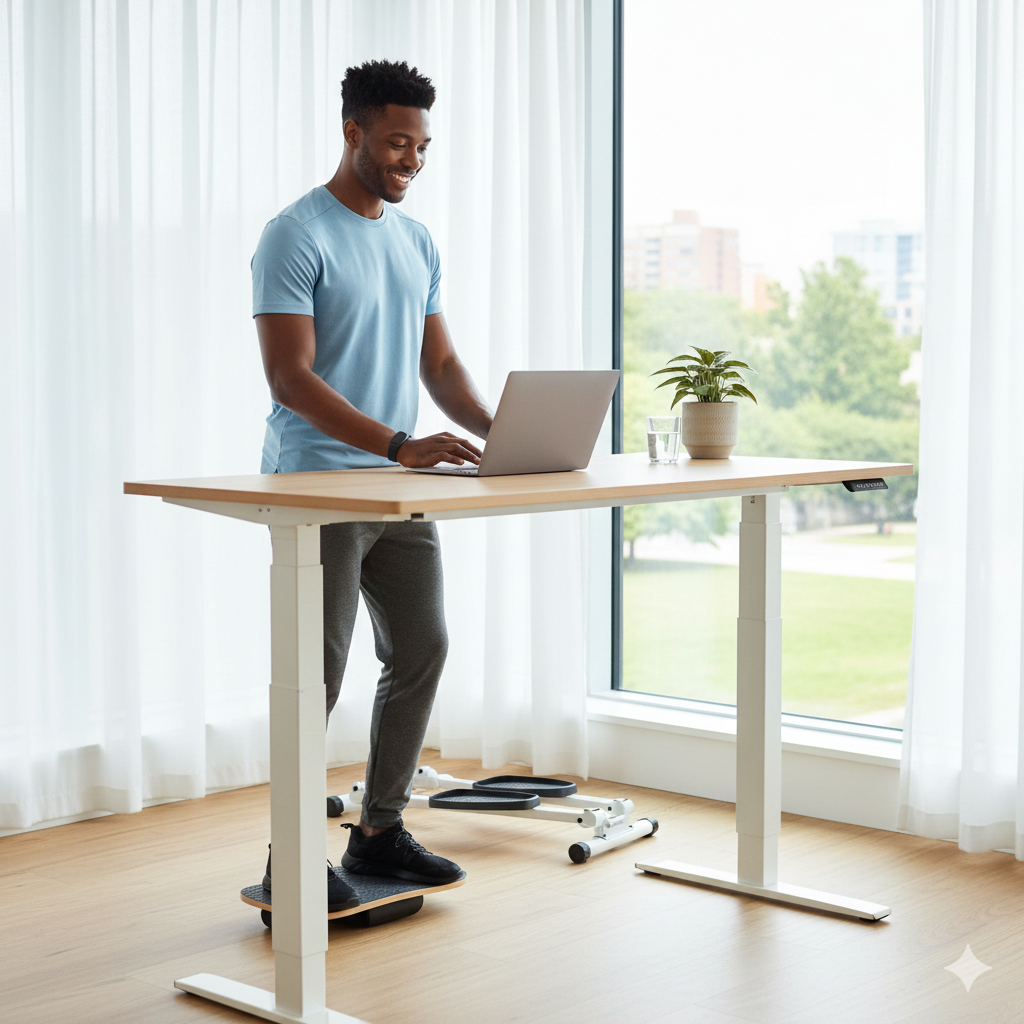
A desk job does not have to mean a sedentary life. With a few strategic adjustments, you can protect your health, sharpen your focus, and maintain steady energy throughout the day—without disrupting your workload. The key is to replace long, uninterrupted sitting with frequent, low-friction movement. This article explains how to stay active with a desk job using practical office exercise tips, ergonomic improvements, and habit-building methods that support long-term workplace wellness.
Why Staying Active with a Desk Job Matters
https://www.teepublic.com/t-shirt/50159849-hot-dog?store_id=2851997
Health risks of prolonged sitting
Extended sitting is associated with a range of preventable issues: stiff hips, weakened glutes, and reduced thoracic mobility that can contribute to neck and lower-back discomfort. Metabolic health can also suffer when movement is absent for hours at a time, as circulation and glucose regulation become less efficient. Over weeks and months, these patterns may increase the likelihood of weight gain, elevated blood pressure, and fatigue that feels disproportionate to your actual workload.
Beyond physical strain, prolonged stillness can undermine mental performance. Attention tends to drift when the body is immobile for long stretches. Many people interpret this as a motivation problem, when it is often a physiology problem—your brain functions best when your body receives regular input from movement and changes in posture.
Benefits of integrating movement into your workday
Building an active desk job is less about intense workouts and more about consistent motion. Brief movement breaks at work can ease joint stiffness, reduce muscular tension, and support better posture by interrupting slumped positions before they become habitual. Light activity also promotes circulation, which often translates into improved alertness and fewer afternoon energy crashes.
From a productivity standpoint, movement is not a distraction; it can be a performance tool. A short walk, a standing call, or a 60-second mobility reset can help you return to your desk with clearer thinking and improved mood. Over time, these small actions add up to meaningful desk job fitness benefits without demanding major schedule changes.
Simple Ways to Move More During Work Hours
Desk-friendly exercises and stretches
You do not need special equipment to reduce sitting time. A short menu of reliable movements—done consistently—will cover most needs created by desk posture: tight hip flexors, rounded shoulders, and underused posterior-chain muscles.
- Neck resets: Gently draw your chin back to create a “double chin,” hold for 3–5 seconds, and repeat 6–8 times to counter forward-head posture.
- Shoulder blade squeezes: Pull your shoulder blades down and back, hold 2 seconds, repeat 10–15 times to open the chest and activate upper-back muscles.
- Seated thoracic rotation: Sit tall, cross arms over your chest, rotate slowly right and left for 6–10 controlled reps per side.
- Hip flexor opener at the desk: Stand, take a small lunge stance, gently tuck the pelvis, and hold 20–30 seconds per side to relieve hip tightness from sitting.
- Calf raises: Stand behind your chair and perform 15–25 reps to promote circulation and lower-leg endurance.
- Glute squeezes: While seated, contract glutes for 5 seconds, relax for 5 seconds, repeat 8–12 times as a discreet activation drill.
For office exercise tips to be effective, they must be repeatable. Choose three to five movements you will actually do and attach them to existing triggers—after sending a report, before a meeting, or whenever you refill water.
Incorporating microbreaks, walking, and active meetings
Microbreaks are the most practical way to stay active at work because they require minimal willpower. Aim for a short movement pause every 30–60 minutes: stand, change position, and take a few steps. Even two minutes is enough to interrupt the physiological effects of prolonged sitting.
Use the structure of your day to prompt movement:
- Walking “bookends”: Start the day with a 5–10 minute walk and repeat it after lunch to reinforce an energy-stable routine.
- Active transitions: When you finish a task, walk to a farther restroom, printer, or colleague instead of sending another message.
- Standing calls: Take phone calls upright, shifting weight, or pacing lightly to accumulate steps without “finding time” later.
- Active meetings: For one-on-one discussions or brainstorms, propose a short walking meeting. When walking is not feasible, stand for the first five minutes to set a more dynamic tone.
- Stair choices: Choose stairs for one or two trips per day. This modest habit delivers outsized cardiovascular and leg-strength benefits.
If your calendar is dense, treat movement breaks at work like essential system maintenance. You would not run important software without updates; your body is no different.
Ergonomic and Environmental Tweaks to Keep You Active
Setting up an active, ergonomic workstation
An ergonomic workstation should not only reduce discomfort—it should make healthy movement easier. Poor setup often forces static positions that encourage slumping, craning the neck, or overreaching for the mouse, all of which increase fatigue and reduce the likelihood that you will move.
- Chair height: Adjust so feet rest flat, knees roughly at hip height, and thighs supported without pressure behind the knees.
- Back support: Maintain gentle lumbar support so the lower back is not collapsing into a rounded posture.
- Monitor position: Keep the top third of the screen near eye level and at an arm’s length distance to reduce neck strain.
- Keyboard and mouse placement: Keep elbows close to the body, forearms supported, wrists neutral, and shoulders relaxed.
- Frequently used items within reach: Reduce repetitive twisting by keeping phone, notebook, and water bottle in a consistent, comfortable zone.
To make the workstation more “active,” design it to invite posture variation. Small changes—such as placing a printer farther away or storing files in a cabinet that requires standing—can subtly increase daily movement without adding mental load.
Tools and gear to reduce sitting time (standing desks, balance boards, etc.)
Equipment can support an active desk job, but it works best when paired with a routine. A standing desk, for example, is not inherently healthier if it simply replaces sitting with prolonged standing. The goal is alternation—sitting, standing, and brief walking.
- Standing desk or sit-stand converter: Alternate positions throughout the day. Start modestly—10–20 minutes standing per hour—then adjust based on comfort.
- Anti-fatigue mat: If you stand regularly, a quality mat reduces lower-leg fatigue and encourages subtle movement.
- Footrest: Helps vary hip position while seated and can reduce pressure on the lower back.
- Balance board (used cautiously): Can promote ankle and core engagement, but use in short intervals and prioritize stability if you have balance concerns.
- Under-desk pedal device: Useful for gentle movement during reading or low-concentration tasks; keep resistance light to avoid compensatory posture.
When choosing tools to reduce sitting time, prioritize comfort, safety, and practicality. The best device is the one you will use consistently without creating new aches or distractions.
Building a Sustainable Active Routine Around Your Desk Job
Habit-building strategies and realistic goal setting
Consistency is built through design, not willpower. A sustainable plan starts with small commitments that are easy to repeat and hard to avoid. Instead of promising a full workout daily, focus on behaviors that fit naturally into your schedule—then expand once they become automatic.
- Anchor movement to existing habits: Stand every time you take a call. Stretch your hips after lunch. Walk for five minutes after finishing a major task.
- Use minimum effective doses: Two minutes of mobility done eight times a day is more practical than one long session you rarely complete.
- Create “if–then” plans: If a meeting ends early, then you walk for five minutes. If you feel afternoon fatigue, then you do a brief posture reset before caffeine.
- Make it visible: Keep a simple checklist near your monitor: water, posture reset, steps, and one short strength movement.
Desk job fitness succeeds when it respects the realities of work. Set goals that are measurable and flexible: number of movement breaks at work, steps per day, or total minutes spent standing. Over time, these targets build a foundation for more structured exercise outside office hours, if desired.
Tracking progress and staying motivated long term
Tracking turns intention into feedback. You do not need complex analytics; simple metrics are sufficient to sustain momentum and reveal what is working.
- Step count: Use a smartwatch or phone to establish a baseline, then increase gradually. Even a modest rise can meaningfully improve daily activity.
- Break frequency: Set a timer to prompt posture changes. The objective is regular interruption of long sitting blocks.
- Comfort indicators: Note patterns in neck stiffness, lower-back tension, or end-of-day fatigue. Improvements are valuable evidence of progress.
- Weekly review: Once a week, identify the two strategies you used most and one barrier that needs a workaround.
Motivation is more durable when it is tied to tangible outcomes: fewer headaches, better concentration, less stiffness after work, or improved sleep. Treat workplace wellness as an ongoing practice rather than a short campaign. When demands increase, reduce the scope—but keep the habit alive.
Conclusion
Learning how to stay active with a desk job is less about dramatic changes and more about intelligent consistency. Regular movement breaks at work, a few reliable stretches, and an ergonomic workstation that supports posture variation can significantly reduce sitting time and improve comfort and productivity. Start with small, repeatable actions—standing calls, short walks, and brief mobility resets—then build toward a routine that fits your workload. Over time, these choices create a healthier, more resilient workday and a stronger foundation for long-term wellbeing.