
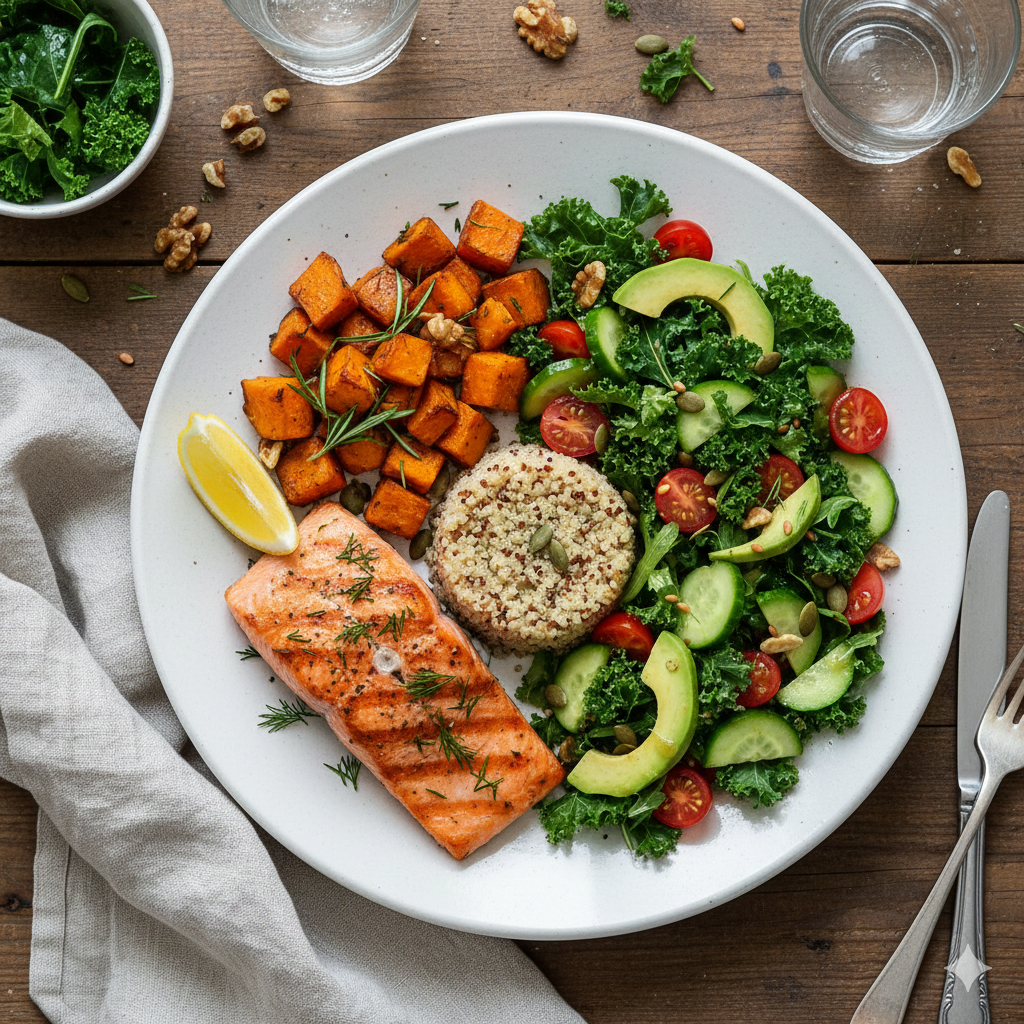
Athletic performance is built on consistent training, intelligent recovery, and nutrition that matches the demands of the sport. While no single ingredient can replace sound programming and adequate sleep, certain nutrient-dense foods can meaningfully support energy availability, muscle repair, inflammation control, and overall resilience. These are commonly referred to as superfoods for athletes—not because they are magical, but because they deliver a concentrated mix of vitamins, minerals, quality protein, and protective phytonutrients in a practical, whole-food form.
Below, you will find a clear, science-informed guide to the top 10 sports nutrition superfoods to consider, along with actionable strategies for using them in daily meals. Whether your focus is endurance, strength, or a blend of both, the right choices can become a reliable advantage in training and competition.
Understanding Superfoods for Athletes

What Are Superfoods and Why They Matter for Athletic Performance
In performance nutrition, “superfood” is best understood as a whole food that offers a high nutrient return for its calorie cost. The best foods for athletic performance tend to share several characteristics: they supply bioavailable protein and/or carbohydrates, deliver micronutrients critical for energy metabolism, and contain antioxidants or anti-inflammatory compounds that support recovery.
For athletes, this matters because training increases physiological turnover. Glycogen is depleted, muscle tissue is stressed, and oxidative byproducts accumulate. A well-chosen diet rich in superfoods for muscle recovery can help replenish fuel stores, support connective tissue, and maintain immune function—key factors that often determine whether you adapt to training or simply accumulate fatigue.
How to Choose the Right Superfoods for Your Sport and Training Goals
Selection should reflect the energy system you rely on most, your weekly training volume, and your recovery constraints. Endurance athletes typically benefit from carbohydrate-forward, micronutrient-rich staples that sustain output and protect iron status. Strength and power athletes usually need more total protein, leucine-rich sources, and calorie density to support hypertrophy and repair.
Use three practical filters:
- Purpose: energy, recovery, joint support, hydration, or body composition.
- Tolerance: gastrointestinal comfort, especially around hard sessions.
- Convenience: foods you can buy, prepare, and eat consistently.
Top 10 Superfoods for Athletes and Their Benefits
1. Blueberries: Antioxidant Power for Faster Recovery
Blueberries are rich in anthocyanins—plant pigments linked to reduced oxidative stress and muscle soreness after intense exercise. As foods for faster workout recovery, they are particularly useful during heavy training blocks when cumulative fatigue can blunt progress.
Best uses: add to smoothies, oatmeal, or Greek yogurt; pair with a post-workout meal for a simple recovery upgrade.
2. Salmon: Omega-3 Fuel for Endurance and Joint Health
Salmon provides high-quality protein plus omega-3 fatty acids (EPA and DHA), which are associated with inflammation modulation and cardiovascular support. For many athletes, this translates into improved joint comfort, more robust recovery, and better adaptation across weeks of training. It is a cornerstone among high protein superfoods for athletes, especially when you want protein and healthy fats in one serving.
Best uses: baked salmon with sweet potatoes; salmon salad with spinach and quinoa; simple rice bowl with vegetables.
3. Quinoa: Complete Plant Protein for Muscle Repair
Quinoa stands out among grains because it contains all essential amino acids, making it a rare complete plant protein. It also supplies magnesium, iron, and complex carbohydrates, supporting both training energy and muscle repair. For athletes looking to diversify protein sources without sacrificing quality, quinoa is an excellent staple.
Best uses: warm bowls with spinach and eggs; chilled quinoa salad with salmon; pre-workout side dish when you need steady carbohydrates.
4. Greek Yogurt: High-Protein Support for Muscle Growth
Greek yogurt offers a concentrated dose of protein, including casein, which digests more slowly and can help sustain muscle protein synthesis between meals. It also contains calcium and probiotics that support bone health and gut function—often overlooked components of performance. As a practical option for healthy meal ideas for athletes, it is hard to beat for speed and versatility.
Best uses: post-training bowl with blueberries and chia seeds; savory dip base; bedtime snack to support overnight recovery.
5. Bananas: Natural Pre-Workout Carbs and Electrolytes
Bananas are one of the most reliable natural energy foods for athletes. They provide quick-digesting carbohydrates and potassium, an electrolyte involved in muscle contraction and fluid balance. They are also gentle on the stomach, making them a safe choice before higher-intensity sessions.
Best uses: 30–60 minutes pre-workout; blended into smoothies; paired with Greek yogurt for a balanced snack.
6. Oats: Long-Lasting Energy for Training and Competition
Oats deliver beta-glucan fiber and slow-release carbohydrates, supporting stable energy and appetite control. They also provide manganese and magnesium, nutrients tied to energy metabolism and muscle function. When your schedule demands dependable fuel—particularly for morning training—oats are among the best foods for athletic performance due to their consistency and simplicity.
Best uses: overnight oats with blueberries and chia; warm oatmeal with banana; blended oats in a smoothie for extra carbohydrate density.
7. Spinach: Iron-Rich Greens for Oxygen and Stamina
Spinach supplies folate, vitamin K, magnesium, and iron—nutrients that support red blood cell production and oxygen transport. For athletes with high mileage or heavy conditioning, iron status can become a limiting factor, making spinach a valuable component of an endurance athlete diet. Pairing it with vitamin C–rich foods can improve iron absorption.
Best uses: salads with salmon; sautéed side with eggs; blended into smoothies (paired with berries or citrus).
8. Eggs: Versatile Protein for Strength and Recovery
Eggs provide complete protein with a strong amino acid profile, including leucine, a key trigger for muscle protein synthesis. They also contain choline, which supports nervous system function and may benefit high-skill training. For athletes pursuing strength or lean mass, eggs remain one of the most efficient high protein superfoods for athletes.
Best uses: breakfast omelet with spinach; hard-boiled eggs as travel-friendly protein; post-workout meal when paired with oats or sweet potatoes.
9. Chia Seeds: Hydration, Fiber, and Healthy Fats
Chia seeds absorb water and form a gel-like texture, which can help some athletes maintain hydration and feel steady energy during longer sessions. They also offer fiber, plant-based omega-3s (ALA), and minerals such as calcium and magnesium. While not a replacement for electrolytes, chia can complement a performance plan focused on gastrointestinal comfort and sustained fueling.
Best uses: chia pudding with Greek yogurt and blueberries; stirred into oatmeal; added to smoothies for texture and nutrients.
10. Sweet Potatoes: Complex Carbs for Sustained Athletic Energy
Sweet potatoes provide carbohydrate density with potassium, vitamin C, and beta-carotene. They are especially helpful during high-volume training phases when glycogen demands rise. As a dependable carb source, they fit seamlessly into both endurance and strength-focused meal plans and are among the most practical sports nutrition superfoods for weekly meal prep.
Best uses: roasted wedges with salmon; mashed sweet potatoes alongside eggs; post-workout base with vegetables and lean protein.
How to Add These Superfoods to an Athlete’s Daily Diet
Sample Meal Ideas Using the Top 10 Superfoods
- Performance breakfast: Oats topped with blueberries and chia seeds, plus a side of Greek yogurt.
- Pre-training option (light and reliable): Banana with a small serving of Greek yogurt.
- Recovery lunch bowl: Quinoa, spinach, roasted sweet potatoes, and salmon with a simple olive oil and lemon dressing.
- Strength-focused meal: Egg omelet with spinach, served with sweet potatoes for training-day carbohydrates.
- Simple recovery snack: Greek yogurt mixed with blueberries and a spoonful of chia seeds.
Pre-Workout, Post-Workout, and Snack Timing Tips
Pre-workout (30–90 minutes before): prioritize easily digested carbohydrates with a modest amount of protein. Banana, oats, or a small quinoa bowl can work well. Keep fat and fiber lower if you are prone to stomach discomfort.
Post-workout (within 1–2 hours): aim for carbohydrates to replenish glycogen plus quality protein to support muscle repair. Greek yogurt with blueberries is efficient; a full meal like salmon with sweet potatoes and spinach is ideal after longer or more intense sessions.
Between-meal snacks: use protein-forward options to meet daily targets without relying on ultra-processed foods. Greek yogurt, eggs, or chia-based snacks can stabilize intake and support body composition goals.
Practical Tips for Athletes Using Superfoods
Common Mistakes to Avoid When Eating Superfoods
- Over-focusing on single foods: performance improves from dietary patterns, not isolated ingredients. Rotate options to cover nutrient gaps.
- Ignoring total energy intake: even the healthiest foods cannot compensate for chronic under-fueling, a common cause of stalled progress and poor recovery.
- Mis-timing fiber-heavy foods: oats, chia, and large servings of spinach may cause gastrointestinal distress if eaten too close to competition or intense intervals.
- Forgetting protein distribution: spreading protein across meals is often more effective than concentrating it at dinner only.
Adjusting Portions for Endurance vs. Strength Athletes
Endurance athletes: typically benefit from larger servings of carbohydrate-centric superfoods—oats, quinoa, bananas, and sweet potatoes—especially around key sessions. Maintain consistent protein through Greek yogurt, eggs, and salmon to support repair without compromising fueling. This approach supports an endurance athlete diet that prioritizes glycogen availability.
Strength and power athletes: often do best with slightly higher protein density at each meal—Greek yogurt, eggs, salmon, and quinoa—while tailoring carbohydrate intake to training days and volume. Sweet potatoes and oats remain valuable, but portions can be adjusted based on body composition targets and session intensity.
Conclusion
The most effective superfoods for athletes are those you can eat consistently, digest comfortably, and use strategically to support training demands. Blueberries, salmon, quinoa, Greek yogurt, bananas, oats, spinach, eggs, chia seeds, and sweet potatoes form a practical foundation for energy, recovery, and long-term health. By aligning portion sizes and timing with your sport—whether you need sustained endurance output or maximal strength—you can turn everyday meals into a performance advantage built on evidence-based nutrition.