
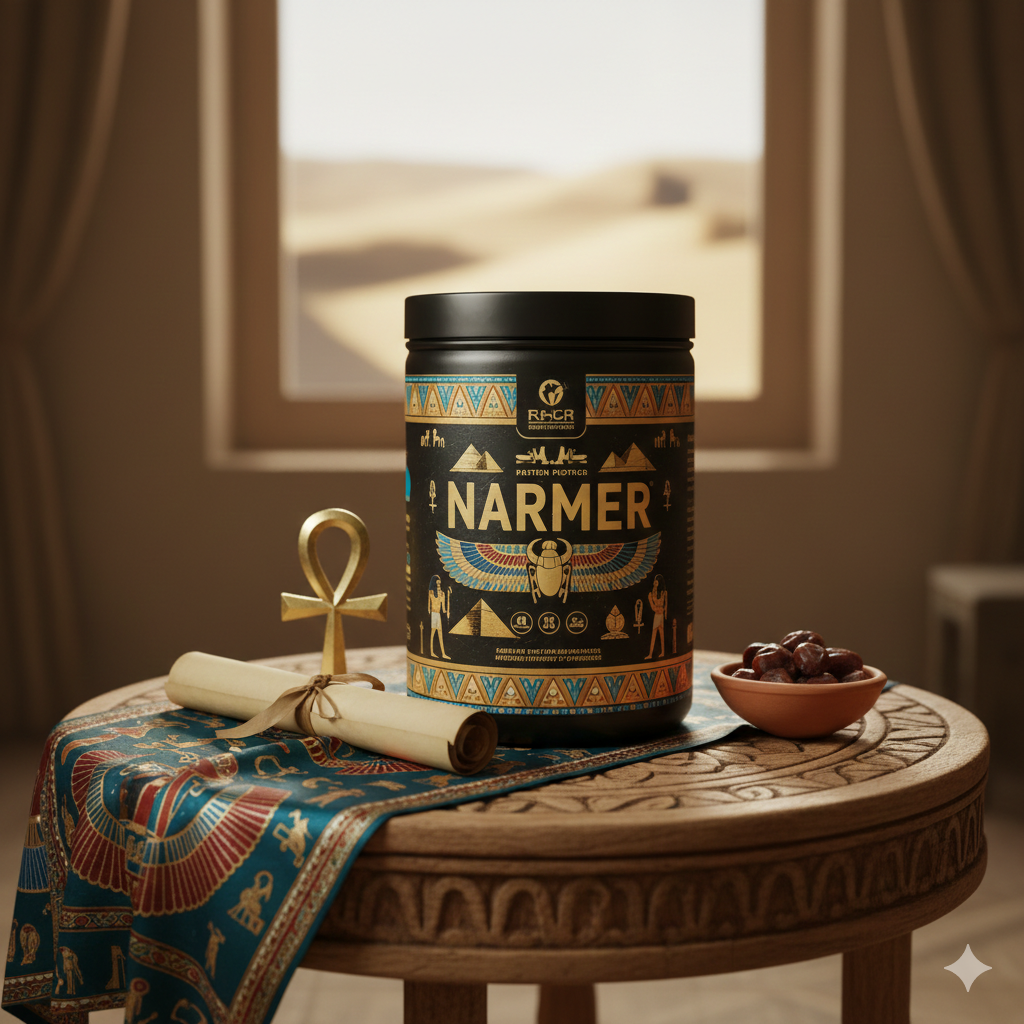
Protein powder can be a practical, cost-effective tool for improving nutrition—yet the market is crowded with formulas that vary widely in quality, digestibility, and purpose. If you want to choose the right protein powder, the most reliable approach is to start with your goal, narrow your options by dietary needs, and then confirm quality by reading the label with a critical eye. This guide walks you through the key protein types, how they perform, and how to use them safely—whether you are looking for the best protein powder for beginners, support for fat loss, or a smarter plan for building lean mass.
Understanding Protein Powder and Your Goals
https://www.teepublic.com/t-shirt/50348400-kitty?store_id=2851997
What Is Protein Powder and How Does It Work?
Protein powder is a concentrated dietary protein source—typically derived from dairy, plants, or, less commonly, egg or beef—processed into a mixable powder. Its primary role is simple: to help you meet daily protein targets when whole foods are inconvenient or insufficient. Protein supports muscle protein synthesis, the ongoing process of repairing and building muscle tissue. It also contributes to satiety, helps preserve lean mass during calorie deficits, and supplies amino acids necessary for many physiological functions.
Not all proteins behave the same way. Some digest quickly and deliver amino acids rapidly, while others release them more slowly. Some are complete proteins containing all essential amino acids, while others are lower in specific amino acids—most notably leucine, a key trigger for muscle protein synthesis. Understanding these differences is essential when comparing whey vs plant protein and deciding which fits your needs.
Identifying Your Fitness and Health Goals Before Choosing
Your goal determines the ideal protein type, serving size, and total daily intake. Common objectives include:
- Muscle gain: Prioritize high-quality, leucine-rich proteins and consistent daily intake. The best protein powder for muscle gain is typically a complete protein with strong digestibility and minimal unnecessary fillers.
- Weight management: For protein powder for weight loss, choose options that are high in protein per calorie, low in added sugars, and comfortable to digest. Satiety and adherence matter as much as macros.
- General health and convenience: If you simply need a reliable protein supplement to support a balanced diet, pick a well-tested formula that fits your dietary preferences and tolerance.
- Dietary restrictions: Lactose intolerance, dairy allergy, vegetarian or vegan diets, and ingredient sensitivities should guide your shortlist immediately.
Key Types of Protein Powder Explained
Whey, Casein, and Milk Proteins: Pros, Cons, and Best Uses
Dairy proteins are among the most studied and widely used, largely because they offer a robust amino acid profile and excellent bioavailability.
Whey protein is a fast-digesting dairy protein available primarily as concentrate, isolate, or hydrolysate:
- Pros: High in leucine, rapidly absorbed, strong evidence base for strength and hypertrophy. Often the most practical option for performance-focused users.
- Cons: May cause gastrointestinal discomfort for those sensitive to lactose or certain additives. Concentrates typically contain more lactose and fat than isolates.
- Best uses: Post-workout, between meals, or any time you need a high-quality protein boost with minimal effort.
Casein protein digests slowly and forms a gel-like substance in the stomach, providing a steadier amino acid release:
- Pros: Sustained digestion can support satiety and overnight muscle protein synthesis.
- Cons: Texture can be thicker; may not agree with all digestive systems; not ideal if you prefer a light shake.
- Best uses: Evening supplementation, long gaps between meals, or when appetite control is a priority.
Milk protein combines whey and casein, offering a middle ground:
- Pros: Balanced digestion speed, complete amino acid profile, often good value.
- Cons: Still dairy-based, so it may not suit those with intolerance or allergy.
- Best uses: All-purpose daily supplementation, especially for those who prefer a blended release profile.
Plant-Based Proteins (Pea, Soy, Rice, Hemp, Others) Compared
Plant proteins have improved significantly in taste, texture, and amino acid blending. A thoughtful selection can rival dairy for many goals, especially when formulas combine complementary sources. This section also serves as a practical vegan protein powder guide for readers who want performance without animal-derived ingredients.
- Pea protein: Typically well-tolerated and rich in certain amino acids, though it can be lower in methionine. Excellent in blends and often a top choice for a smooth, neutral taste.
- Soy protein: A complete protein with strong research support. Texture can vary by brand, but it is one of the most comparable plant options to whey for amino acid completeness.
- Rice protein: Often easier on digestion, but it is usually lower in lysine. Commonly paired with pea to create a more complete profile.
- Hemp protein: Contains fiber and beneficial fats, but it is typically lower in protein density and may require larger servings to match other powders.
- Blends: Many modern vegan products mix pea, rice, and other sources to improve amino acid coverage, mouthfeel, and digestibility.
When comparing whey vs plant protein, whey often wins on leucine content and rapid digestibility, while plant proteins excel for those who avoid dairy, prefer vegan diets, or need specific allergen accommodations. The best choice is the one you can digest, tolerate, and use consistently.
How to Choose the Right Protein Powder for You
Matching Protein Powder to Your Body Type, Diet, and Lifestyle
Rather than choosing based on hype, align your powder with your daily routine and constraints:
- If you are a beginner: The best protein powder for beginners is usually a simple whey isolate (if dairy is tolerated) or a reputable pea/rice blend (if not). Prioritize digestibility, mild flavor, and a short ingredient list.
- If you are focused on muscle gain: Choose a high-protein-per-serving product with strong amino acid quality and minimal extras. For many, whey isolate or a well-formulated soy/plant blend works well as a consistent supplement alongside whole foods.
- If fat loss is your priority: A lean formula matters. Look for high protein density with minimal sugar and fat. A well-designed protein powder for weight loss should support satiety without adding unnecessary calories.
- If you have digestive sensitivity: Consider whey isolate, hydrolyzed whey, or plant-based blends without sugar alcohols. Avoid excessive gums or overly sweetened formulas if they cause bloating.
- If you have a busy lifestyle: Mixability and taste are not trivial. A powder you dislike becomes an expensive ornament. Choose a format you can maintain—single-serve packets, unflavored options for smoothies, or ready-to-mix blends.
Reading Labels: Protein Quality, Additives, Sweeteners, and Certifications
Knowing how to read protein powder labels is what separates a strategic purchase from an impulsive one. Focus on these essentials:
- Protein per serving and protein density: Compare grams of protein to total calories. A higher ratio generally indicates fewer fillers and a more efficient product.
- Protein source and type: Look for specific sources (e.g., “whey protein isolate” rather than vague “protein blend”). If it is a blend, check whether high-quality sources are listed first.
- Amino acid profile and leucine: Some brands provide an amino acid breakdown. While not mandatory, it is useful for performance goals. Excessive “free-form amino acids” may indicate amino spiking; transparency matters.
- Added sugars and flavor systems: Keep an eye on sugar, syrups, and high-calorie add-ins. For weight management, modest sweetness is preferable to dessert-like formulations.
- Sweeteners and sugar alcohols: Sucralose, stevia, monk fruit, and sugar alcohols affect individuals differently. If you experience gastrointestinal discomfort, sweeteners may be the culprit rather than the protein itself.
- Additives and thickeners: Gums and emulsifiers can improve texture but may bother sensitive stomachs. If you have recurring bloating, try a simpler formula.
- Allergen statements: Confirm dairy, soy, gluten, or nut processing warnings if you have sensitivities.
- Certifications and testing: Third-party testing (e.g., Informed Choice, NSF Certified for Sport) can add confidence, especially for competitive athletes or those who prioritize purity.
Label reading is also where you can reduce the risk of protein powder side effects linked to unnecessary additives, extremely high serving sizes, or poorly tolerated sweeteners. The cleanest label is not always the best, but clarity and restraint tend to correlate with better outcomes.
Practical Tips for Using Protein Powder Safely and Effectively
When and How Much Protein Powder to Take Daily
The question of how much protein powder per day you need depends on how much protein you already get from food. Protein powder is a supplement, not a replacement for a balanced diet. For many people, one serving daily is sufficient; others may use two servings when training volume is high or meal timing is constrained.
Practical guidelines:
- Start with one serving: Typically 20–30 grams of protein per shake is a sensible baseline for most adults.
- Distribute intake: Protein is often better utilized when spread across meals rather than concentrated in a single sitting.
- Timing is flexible: Post-workout is convenient, but consistency matters more than minute-by-minute precision. Use it when it helps you hit your daily target.
- Adjust for your goal: For muscle gain, prioritize total daily intake and regular strength training. For weight loss, use protein shakes strategically to reduce hunger and improve dietary adherence without inflating calories.
If you have kidney disease, are pregnant, or manage a medical condition that affects protein requirements, consult a qualified clinician or dietitian before substantially increasing protein intake.
Common Mistakes to Avoid and Signs You Need a Different Powder
Many frustrations with protein supplements stem from avoidable missteps. Common mistakes include:
- Choosing based on marketing rather than ingredients: “Mass gainer” blends, cookie-like flavors, and heavily sweetened powders can add unwanted calories and additives.
- Ignoring total daily protein: A shake is not inherently beneficial if your overall diet already meets your needs—or ineffective if your diet remains consistently low in protein.
- Overconsumption: Excessive use can displace whole foods, reduce micronutrient variety, and cause digestive issues. More is not always better.
- Neglecting tolerance: If a product causes discomfort, the problem may be lactose, sweeteners, or thickeners rather than protein itself.
Watch for signs that you may need a different formula or approach:
- Persistent bloating, cramping, or diarrhea: These are among the most common protein powder side effects and often improve with a switch to whey isolate, a simpler ingredient list, or a plant-based option.
- Skin flare-ups or congestion: Some individuals report sensitivity to dairy-based powders; trialing a non-dairy alternative can clarify whether it is a contributing factor.
- Unintended calorie creep: If your weight is trending up during a cut, assess shake add-ins such as nut butters, sweetened milks, or “healthy” extras that accumulate quickly.
- Inconsistent use due to taste or texture: Adherence is a performance variable. A tolerable, simple powder often outperforms a premium product you avoid.
Conclusion
To choose the right protein powder, begin with your goal—muscle gain, weight loss, or general dietary support—then select a protein type that fits your diet and digestion. Dairy proteins like whey and casein remain highly effective, while well-designed plant blends offer excellent results for those seeking non-dairy solutions, especially within a thoughtful vegan protein powder guide framework. Finally, treat the label as your quality filter: prioritize transparent sourcing, high protein density, and tolerable sweeteners and additives. Used strategically, protein powder becomes a reliable tool—not a gimmick—for healthier eating and better training outcomes.