
The Rise of Jazz Music: A Rhythmic Revolution That Shook the World
Keywords: Jazz Music, History of Jazz, Origins of Jazz, New Orleans Jazz, Jazz Age, Roaring Twenties, African American Music, Cultural Impact of Jazz, Louis Armstrong, Duke Ellington, Swing Music
From the vibrant, bustling streets of New Orleans to the glittering ballrooms of the Roaring Twenties, jazz music emerged as more than just a genre; it was a cultural phenomenon, a powerful voice of an era, and a testament to the resilience and creativity of the human spirit. The rise of jazz music marked a profound shift in global culture, forever changing the landscape of entertainment, art, and social interaction.
The Melting Pot of New Orleans: Where it All Began
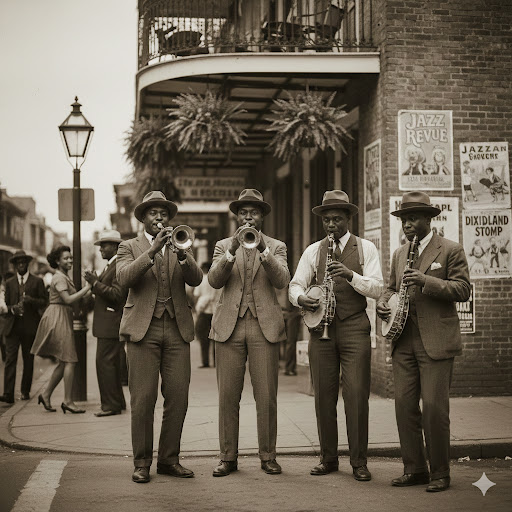
The true origins of jazz can be traced back to the late 19th and early 20th centuries in New Orleans, Louisiana. This bustling port city was a unique cultural crossroads, blending traditions from African, Caribbean, European, and American influences. It was here that the sounds of spirituals, blues, ragtime, and marching band music began to intertwine, giving birth to something entirely new.
African American communities, particularly in areas like Storyville, the city’s red-light district, were the crucible for early jazz. Musicians, often self-taught and playing by ear, developed a new way of expressing themselves, characterized by:
- Improvisation: Spontaneous creation of melodies and solos.
- Syncopation: Rhythms that play “off-beat,” creating a lively, danceable feel.
- Blue notes: Pitches that are bent or flattened, adding emotional depth.
- Call and Response: A musical conversation between instruments or voices.
The Great Migration and the Spread of Jazz
As the 20th century progressed, the Great Migration saw millions of African Americans move from the rural South to urban centers in the North, Midwest, and West. With them, they carried their culture, their stories, and their music. Cities like Chicago, Kansas City, and New York became new epicenters for jazz, each developing its own unique flavor.
Speakeasies and dance halls during the Prohibition era provided fertile ground for jazz to flourish. The music was vibrant, rebellious, and perfectly suited to the clandestine excitement of the times.
The Roaring Twenties: The Jazz Age
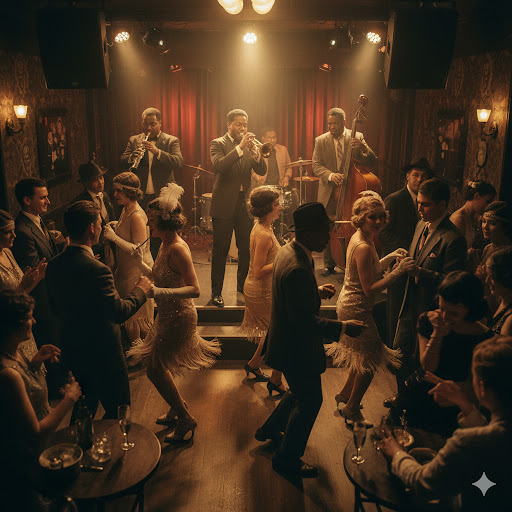
The 1920s became synonymous with The Jazz Age. This was a decade of unprecedented economic prosperity and social change, and jazz was its soundtrack. Flappers danced the Charleston to energetic jazz bands, defying old social norms and embracing a new sense of freedom and modernity. The music was seen as both exhilarating and scandalous, often criticized by older generations but embraced by the youth.
Iconic Figures: Louis Armstrong, Duke Ellington, and Beyond
The rise of jazz was propelled by extraordinary talents who pushed the boundaries of musical expression.
- Louis Armstrong: Arguably the most influential figure in early jazz. His virtuoso trumpet playing, innovative improvisations, and charismatic scat singing redefined what was possible in music. He truly elevated jazz from an ensemble art form to one that highlighted brilliant soloists.
- Duke Ellington: A master composer, bandleader, and pianist who brought sophistication and intricate arrangements to jazz. His orchestra became one of the most celebrated in history, known for its rich textures and complex harmonies.
- Ella Fitzgerald, Billie Holiday, Count Basie, Charlie Parker: These are just a few of the many giants who shaped jazz into the diverse and dynamic genre it became.
The Cultural Impact of Jazz
The impact of jazz extended far beyond music. It influenced fashion, language, literature, and even civil rights. As a predominantly African American art form, jazz challenged racial barriers and brought black artists to national and international prominence. It became a powerful symbol of American culture abroad, even being used as a tool for diplomacy during the Cold War.
From Swing to Bebop and Beyond
The 1930s saw the emergence of Swing music, characterized by larger ensembles and a more polished, danceable sound. Big bands dominated the airwaves and dance halls. However, by the 1940s, a new, more complex and intellectual form of jazz called Bebop began to emerge, shifting the focus from dancing to intricate musical improvisation and challenging harmonies.
The Enduring Legacy
While its golden age of mainstream dominance might have passed, jazz music continues to thrive and evolve globally. Its influence can be heard in rock, hip-hop, R&B, and countless other genres. The spirit of improvisation, creativity, and soulful expression that defined its rise remains at the heart of music today.
What are your favorite early jazz artists or songs? Share your thoughts in the comments below!