
From the Sheikh Zayed Grand Mosque to Desert Safaris — Everything You Need to Know Before Visiting Abu Dhabi
Abu Dhabi, the capital of the United Arab Emirates, seamlessly blends modern sophistication with deep-rooted heritage. Beyond its striking skyline and ambitious developments, the city offers a rich cultural fabric, remarkable architecture, and a diverse culinary landscape. Whether you are a first-time visitor or returning to explore more, Abu Dhabi reveals new layers with every stay—quiet mangroves contrast with gleaming malls, and centuries-old traditions coexist with cutting-edge museums and galleries.
Overview of Abu Dhabi
Geographic and Cultural Significance
Located on an island in the Persian Gulf and connected to the mainland by a series of bridges, Abu Dhabi serves as a strategic gateway between East and West. Its coastal setting has historically anchored trade routes, while recent decades have transformed the city into a global hub for business, culture, and tourism. The emirate’s extensive coastline, desert hinterland, and protected mangrove forests offer a striking diversity of landscapes within a compact area.
Culturally, Abu Dhabi stands at the crossroads of tradition and modernity. As the political and administrative center of the UAE, it hosts foreign embassies, federal institutions, and significant cultural initiatives. The city actively promotes Emirati heritage through festivals, art programs, and architectural preservation, while simultaneously embracing global influences. Visitors encounter a cosmopolitan society where Arabic language and customs form the foundation, complemented by the traditions and cuisines of a large expatriate population.
Historical Background
Abu Dhabi’s history is rooted in nomadic Bedouin life, maritime trade, and the pearling industry that once sustained the region. For centuries, small coastal settlements and inland oases formed the core of the emirate, with communities relying on fishing, date farming, and livestock herding. The discovery of oil in the mid-20th century marked a profound turning point. Under the guidance of visionary leaders, notably Sheikh Zayed bin Sultan Al Nahyan, Abu Dhabi transitioned from modest port town to modern capital in just a few decades.
The unification of the emirates in 1971, with Abu Dhabi as the capital, accelerated infrastructure development, healthcare, and education. Yet, amid this rapid growth, the leadership placed emphasis on preserving identity and heritage. Today, historical forts, restored souks, and cultural institutions such as Qasr Al Hosn serve as tangible reminders of the city’s evolution from desert settlement to a sophisticated metropolis.
Major Attractions in Abu Dhabi
Sheikh Zayed Grand Mosque
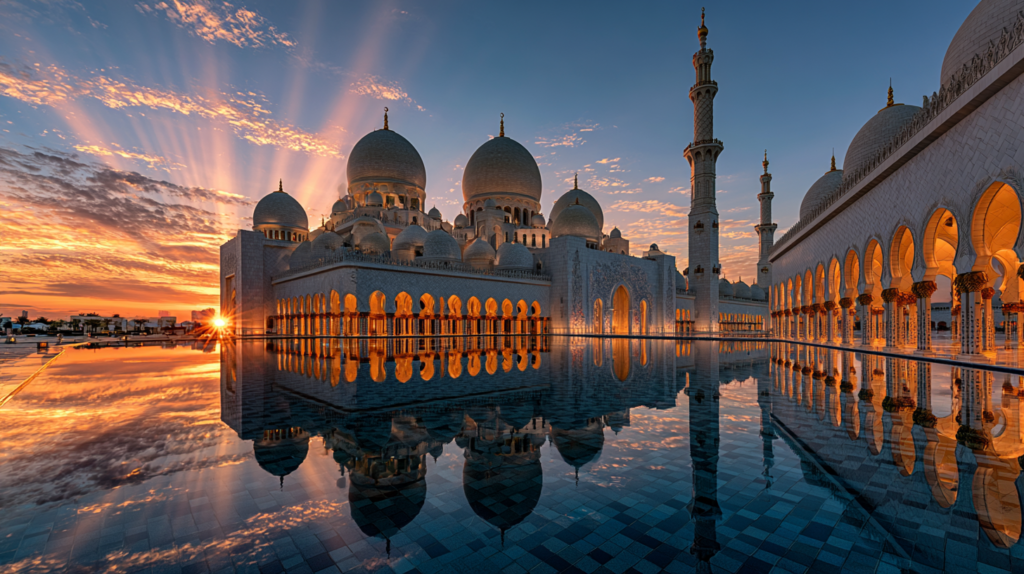
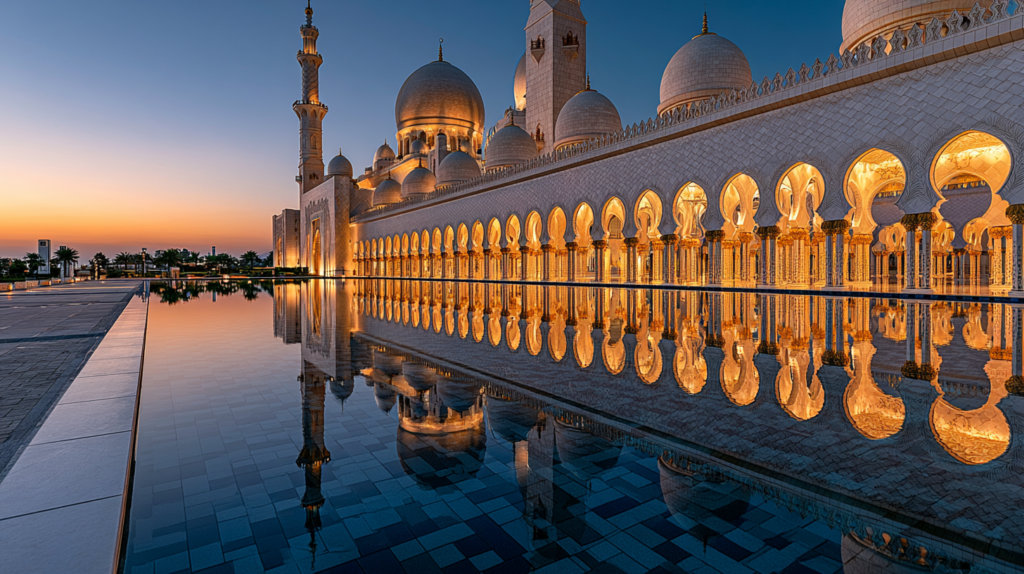
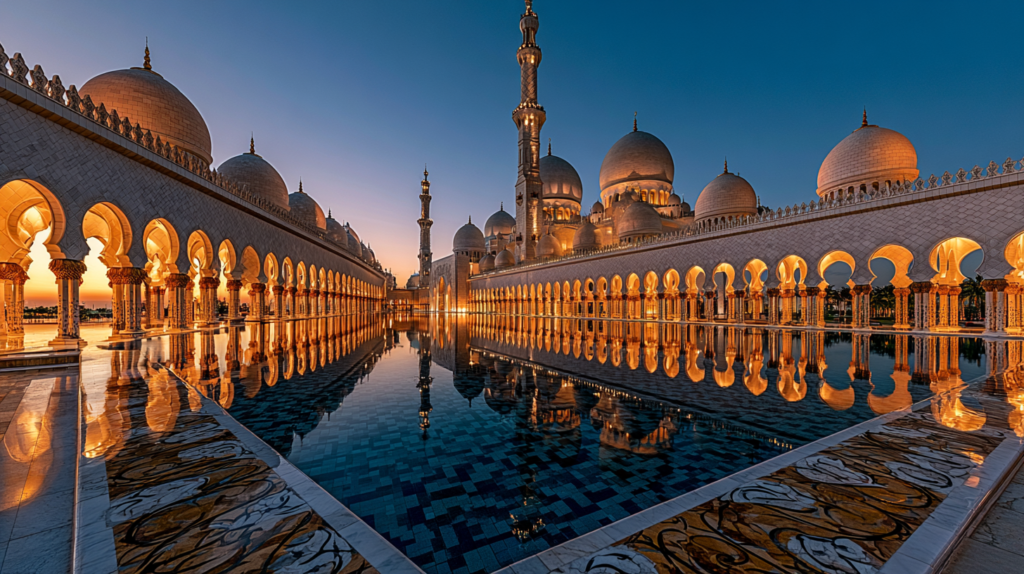
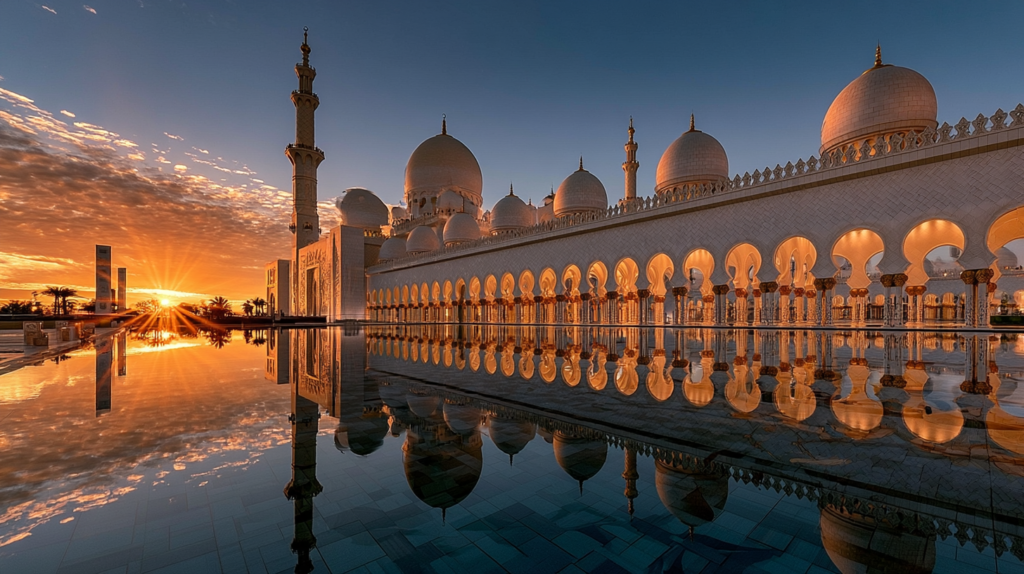
The Sheikh Zayed Grand Mosque is one of Abu Dhabi’s most iconic landmarks and a masterpiece of contemporary Islamic architecture. Named after the UAE’s founding father, it exemplifies harmony, elegance, and spiritual grandeur. The mosque’s white marble domes, intricate floral inlays, and colonnades reflected in expansive pools create a serene and majestic atmosphere, especially at dusk and during evening illuminations.
Inside, the enormous prayer halls feature chandeliers adorned with Swarovski crystals, hand-knotted carpets, and calligraphic details that highlight Quranic verses. The structure draws inspiration from multiple architectural traditions, including Ottoman, Mamluk, and Fatimid influences, unifying them into a distinctly Emirati expression. Guided tours, offered in several languages, provide insight into Islamic art, religious practices, and the mosque’s construction. Visitors are expected to dress modestly and follow respectful conduct, making the experience both educational and contemplative.
Louvre Abu Dhabi
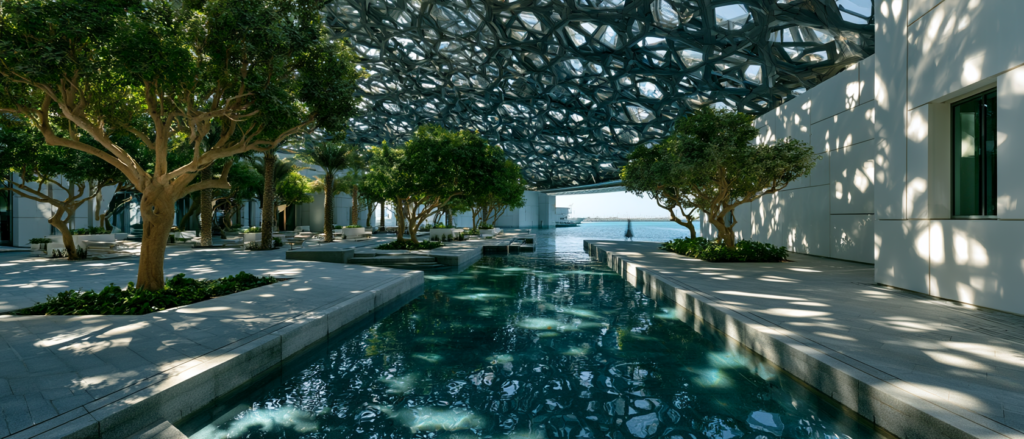
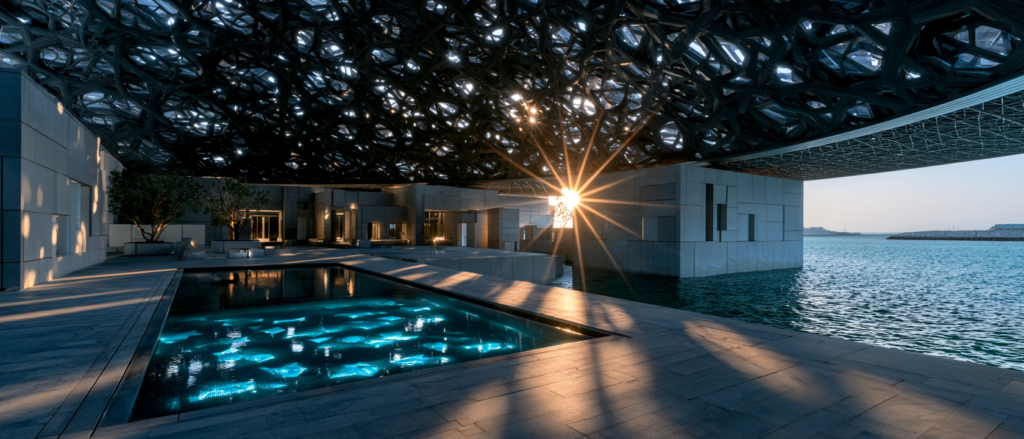
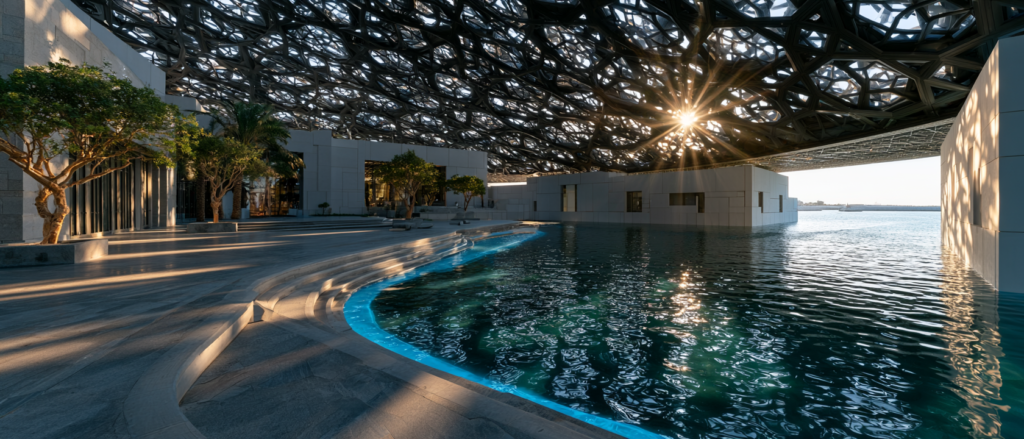
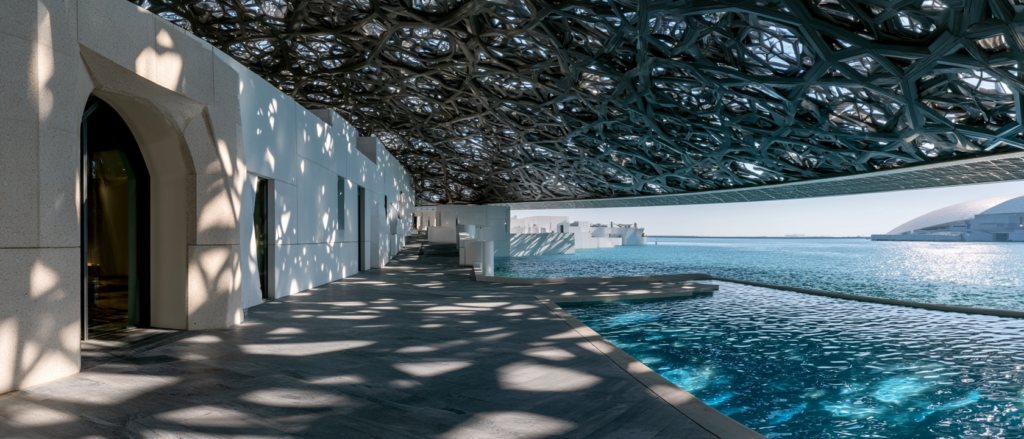
Louvre Abu Dhabi stands at the heart of the Saadiyat Cultural District, symbolizing the emirate’s commitment to intercultural dialogue. Designed by renowned architect Jean Nouvel, the museum is an architectural landmark in its own right. Its lattice dome, composed of thousands of geometric stars, creates a “rain of light” effect, casting intricate shadows across the open plazas and waterfront promenades. This interplay of light and water sets the tone for a museum that celebrates connections across civilizations.
The collection spans millennia, displaying artifacts and artworks from ancient civilizations through to contemporary pieces. Rather than organizing galleries solely by geography, Louvre Abu Dhabi curates its exhibitions thematically, inviting visitors to explore shared human narratives such as motherhood, religion, trade, and creativity. Masterpieces on loan from global institutions, combined with the museum’s growing permanent collection, ensure that each visit offers new perspectives. Beyond the galleries, educational programs, workshops, and temporary exhibitions position the museum as a vibrant cultural hub within Abu Dhabi.
Discovering Activities and Experiences
Adventure Sports and Outdoor Activities
Abu Dhabi offers a wide range of outdoor activities, taking full advantage of its coastal and desert settings. On Yas Island, adrenaline seekers can visit Ferrari World Abu Dhabi for high-speed roller coasters, or Yas Waterworld for thrilling water slides and family-friendly attractions. Nearby, Yas Marina Circuit—home to the Formula 1 Abu Dhabi Grand Prix—hosts track experiences for motorsport enthusiasts, from guided tours to driving sessions in high-performance vehicles.
For nature-focused experiences, kayaking through the Eastern Mangroves National Park provides a tranquil contrast to the city’s urban energy. These protected mangrove forests are rich in birdlife and marine species, and guided tours introduce visitors to the region’s delicate ecosystems. Desert safaris remain a classic Abu Dhabi experience, combining dune bashing, camel rides, and traditional entertainment under starlit skies. Whether you choose sunrise hot-air balloon flights or sandboarding on towering dunes, the desert landscape reveals another dimension of the emirate’s character.
Traditional Markets and Shopping
Shopping in Abu Dhabi spans from atmospheric traditional markets to luxurious malls filled with international brands. The city’s souks offer a more intimate look at local life and commerce. At the Carpet Souk and the Iranian Souk, you can browse textiles, handicrafts, ceramics, and spices while engaging with merchants who often have long-standing ties to the trade. Haggling is part of the customary experience, though it is conducted in a polite and measured manner.
Modern shopping centers such as The Galleria Al Maryah Island, Yas Mall, and Marina Mall cater to those seeking high-end fashion, electronics, and fine dining in climate-controlled comfort. Many malls in Abu Dhabi double as entertainment complexes, featuring cinemas, family attractions, and seasonal events. The juxtaposition of bustling souks and sleek malls reflects the city’s balance between honoring traditional commerce and embracing contemporary retail culture.
https://www.teepublic.com/t-shirt/50082230-hedgehog?store_id=2851997
Culinary Scene in Abu Dhabi
Traditional Emirati Cuisine
Emirati cuisine in Abu Dhabi draws on Bedouin traditions, coastal ingredients, and influences from neighboring regions. Historically, dishes relied on what could be sourced locally: dates, fish, rice, camel milk, and spices brought through trade routes. Today, traditional recipes remain central to family gatherings and festive occasions, and visitors can sample authentic flavors in specialized restaurants and cultural venues.
Signature dishes include machboos, a fragrant rice dish cooked with meat or fish and spiced with cardamom, cloves, and dried limes; and harees, a slow-cooked blend of wheat and meat with a delicate, comforting texture. Grilled meats, particularly lamb and chicken, are often marinated in aromatic spices and served with rice or flatbreads. For those with a sweet palate, desserts such as luqaimat—crispy dough balls drizzled with date syrup—offer a taste of Emirati hospitality. Traditional coffee, or gahwa, subtly flavored with cardamom and served with dates, plays an important ceremonial role, symbolizing welcome and generosity.
Best Restaurants and Dining Experiences
Abu Dhabi’s dining scene is both cosmopolitan and refined, encompassing everything from street-side shawarma stalls to Michelin-recognized establishments. Waterfront venues on Al Maryah Island, Saadiyat Island, and along the Corniche offer elegant settings with panoramic views, ideal for business dinners or special occasions. In many of the city’s leading hotels, acclaimed chefs oversee restaurants that present modern interpretations of Middle Eastern, Asian, and European cuisines.
For a distinctly local experience, heritage-style eateries serve Emirati and Gulf specialties in surroundings that echo traditional homes, often featuring majlis seating and regional décor. Meanwhile, international neighborhoods and food courts showcase the diversity of Abu Dhabi’s residents, with authentic Indian, Levantine, Filipino, and African flavors readily available. Brunch culture is particularly well developed, with weekend buffets offering extensive selections of global dishes in leisurely, social settings.
Diners seeking immersive experiences can combine cuisine with culture by choosing restaurants that host live music, storytelling, or art displays. Many establishments also prioritize sustainability, incorporating local seafood, seasonal produce, and responsible sourcing into their menus, aligning with broader initiatives to promote environmental stewardship in the emirate.
Conclusion
Abu Dhabi presents a multifaceted destination where heritage and innovation coexist in a carefully maintained balance. Its grand mosques, world-class museums, and contemporary architecture reveal a city confident in its identity yet open to global influences. Desert dunes, mangrove channels, and island developments offer a broad spectrum of experiences, from peaceful retreats to high-energy adventures.
Whether you are drawn by cultural exploration, luxury leisure, or culinary discovery, Abu Dhabi rewards curiosity with depth and variety. By venturing beyond the most familiar sights into local markets, traditional eateries, and emerging cultural districts, visitors gain a richer understanding of a capital that is continually evolving while remaining firmly rooted in its traditions.
Slither Arcade
Features
- Classic Gameplay: Grow your snake by eating apples while avoiding self-collision.
- Dynamic Difficulty: The game speed increases as you eat more food.
- Juicy Polish: Screen shakes on eating, pulsing food animations, and high-score tracking.
- Responsive Controls: Use Arrow keys, WASD, or swipe on touch devices/mouse.
- Visuals: Custom-generated stylized assets and a minimalist neon background.
How to play:
- Controls: Use Arrow Keys or WASD to change direction. On mobile, Swipe in the direction you want to turn.
- Objective: Eat the glowing red apples to grow and increase your score. The game ends if you collide with your own tail.
The snake wraps around the screen edges, allowing for strategic maneuvers! Enjoy your game.Controls Reminder: The golden apple slows time for 5 seconds