
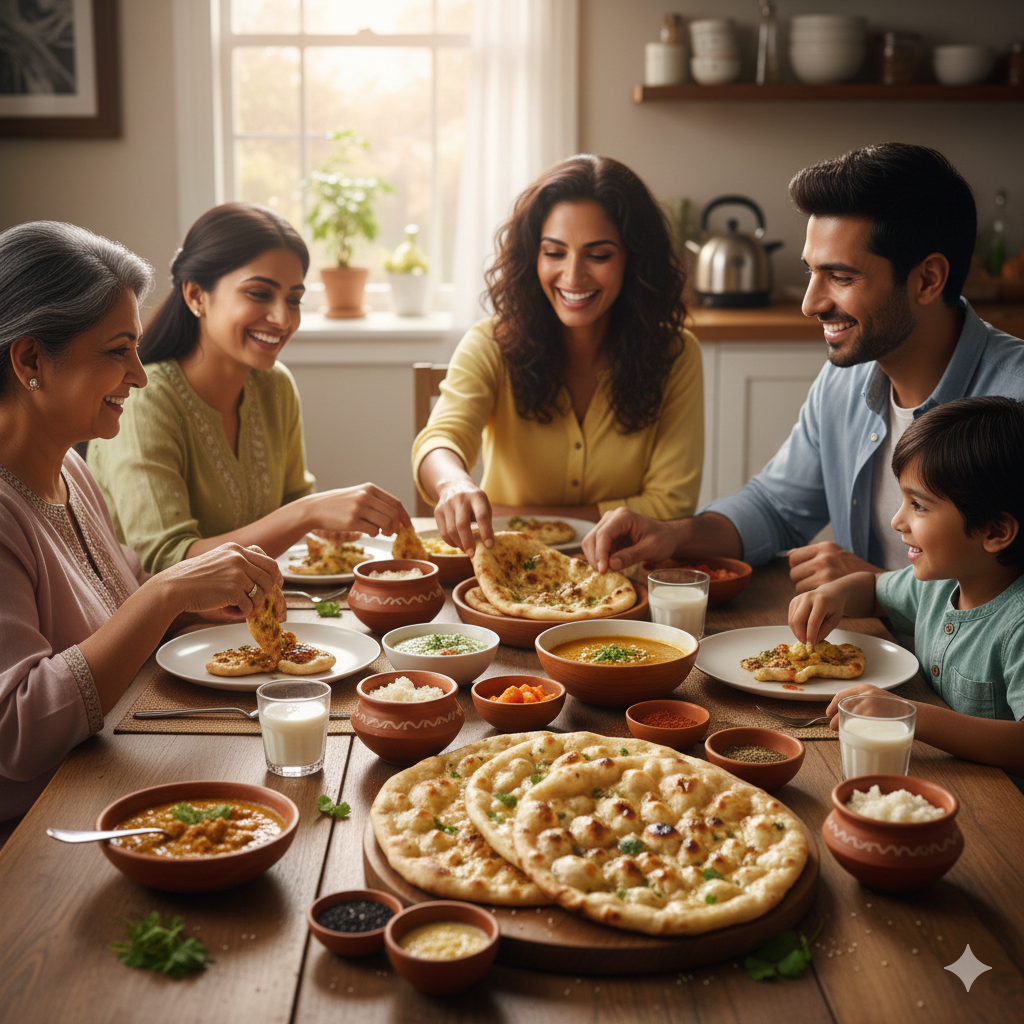
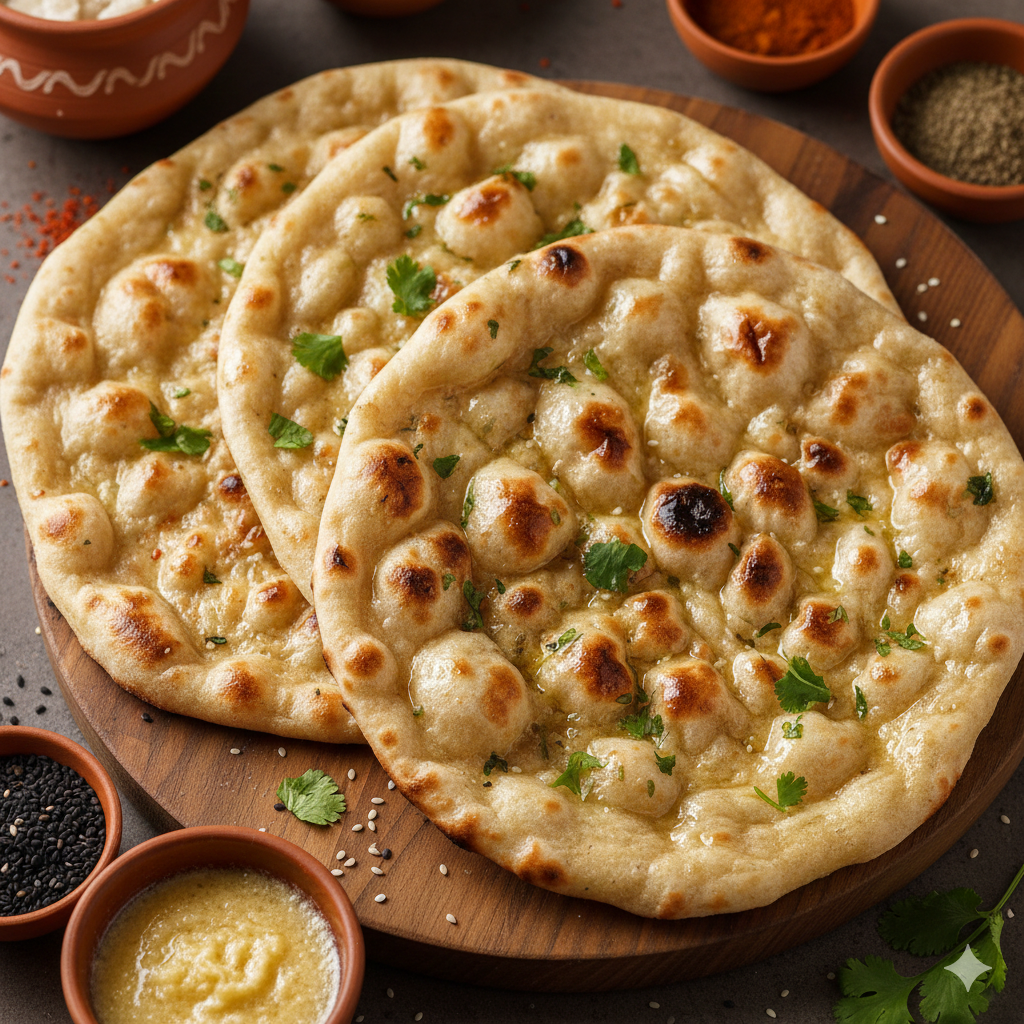
Few breads are as universally loved and instantly recognizable as naan. Soft, slightly chewy, sometimes blistered and charred in spots, this traditional flatbread has moved from tandoor ovens in South Asia to restaurant tables and home kitchens across the globe. Whether you enjoy it plain, brushed with butter, or generously stuffed, naan is far more than a side dish—it is a central part of culinary culture and shared meals.
This guide explores what naan is, where it comes from, how it is traditionally prepared, and how you can make an authentic homemade naan recipe in your own kitchen. You will also discover the main types of naan bread, serving suggestions, and key nutritional information to help you enjoy it mindfully.
What is Naan? Understanding the Basics
Naan is a leavened flatbread traditionally baked in a tandoor, a cylindrical clay oven used widely in India, Pakistan, Afghanistan, and neighboring regions. Unlike many flatbreads that are unleavened and very thin, naan relies on yeast or other leavening agents and richer ingredients such as yogurt or milk. The result is a bread that is supple, tender, and slightly airy, with a distinctive chew.
In restaurants, naan often arrives at the table hot and puffed, glistening with ghee or butter and carrying the smoky aroma of the tandoor. Although it is particularly associated with North Indian cuisine, naan’s story stretches across centuries and borders.
History and Origin of Naan Bread
The origin of naan bread can be traced back to the Indian subcontinent, with strong influences from Persian and Central Asian baking traditions. The word “naan” itself comes from the Persian term for bread, which traveled eastward along trade routes and through imperial courts.
Historical references to naan appear as early as the Mughal era in India (16th–19th centuries), when it was served to royalty and the nobility. In these royal kitchens, naan was often enriched with milk, ghee, and sometimes eggs, creating an indulgent bread suitable for elaborate feasts. Over time, naan spread beyond palaces to become a staple in urban and, eventually, everyday dining.
The tandoor, central to the naan bread origin story, predates the Mughal courts. Clay ovens of similar design have been used for millennia throughout Central and South Asia. The technique of slapping dough onto the hot interior walls of a tandoor, where it cooks in seconds under intense heat, is key to the bread’s characteristic flavor and texture.
Traditional Ingredients Used in Naan
While modern recipes vary, traditional Indian naan relies on a few foundational ingredients that shape its structure and taste:
- Wheat flour (maida or all-purpose flour): Provides the primary structure and gluten necessary for elasticity and chew.
- Water or milk: Hydrates the flour and helps develop gluten. Milk adds richness and a softer crumb.
- Leavening agent: Classic recipes use yeast, but variations may include baking powder, baking soda, or a combination for lighter texture.
- Yogurt: A hallmark of many traditional Indian naan recipes, yogurt contributes tang, tenderness, and a subtle complexity.
- Fat (ghee, butter, or oil): Lends softness and flavor, and is often brushed on the cooked naan as well.
- Salt and sugar: Salt for balance; sugar to feed the yeast and promote browning.
These simple naan ingredients come together to create a versatile bread that works equally well as a vessel for curries, a wrap for grilled meats, or a base for contemporary fusion dishes.
Different Types of Naan Around the World
As naan has traveled and adapted, it has taken on numerous forms. From classic restaurant-style rounds to elaborate stuffed versions, the variety of naan breads reflects regional tastes, ingredients, and cooking methods.
Popular Regional Variations of Naan
Although “traditional Indian naan” is the most familiar to many diners, several regional styles are worth noting:
- Plain naan: The archetypal version—soft, slightly puffy, and typically brushed with ghee or butter. Often sprinkled with nigella seeds or sesame seeds.
- Garlic naan: One of the best-known types of naan bread in restaurants worldwide. Topped with minced garlic and usually finished with fresh coriander leaves.
- Butter naan: Rich and indulgent, generously brushed with butter or ghee during or after cooking for a glossy, tender finish.
- Roghni naan (Pakistan): A festive bread often enriched with milk, eggs, and butter, decorated with sesame seeds and a crisscross pattern on the surface.
- Afghani naan: Long, oval-shaped, typically thicker, and sometimes decorated with ridges. It can be topped with sesame or nigella seeds and is a staple in Afghan meals.
- Keema naan (throughout the subcontinent): A stuffed naan filled with spiced minced meat, popular in North India and Pakistan.
Outside South Asia, naan-inspired breads have also emerged in Middle Eastern, Central Asian, and Western kitchens, often using similar dough but different toppings or cooking techniques. While not always traditional, they show how naan has become a global canvas for creativity.
Stuffed vs. Plain Naan: What’s the Difference?
Naan can be broadly classified into two main categories: plain and stuffed. Both styles share the same underlying dough, but the finished results offer very different eating experiences.
Plain naan is generally unfilled, though it may be topped with garlic, herbs, sesame seeds, or nigella seeds. It is meant to accompany and complement main dishes. Its neutral yet rich flavor allows curries, kebabs, and chutneys to shine.
Stuffed naan incorporates a filling inside the dough before cooking, making the bread itself the central feature of the dish. Common varieties include:
https://www.teepublic.com/t-shirt/50159849-hot-dog?store_id=2851997
- Aloo naan: Filled with spiced mashed potatoes, sometimes with peas or onions.
- Paneer naan: Stuffed with crumbled paneer cheese, herbs, and gentle spices.
- Keema naan: Packed with seasoned minced lamb, goat, or beef.
- Cheese naan: A more contemporary version that uses processed or melting cheeses for a rich, stretchy filling.
Stuffed naan is typically thicker and more substantial. In many cases, a single stuffed naan can serve as a complete meal, especially when paired with yogurt, pickles, or a simple salad. From a textural perspective, stuffed naan offers layers of softness and flavor, whereas plain naan emphasizes lightness and flexibility.
Soft & Fluffy Homemade Naan Bread (Easy Indian Recipe)
How to Make Naan at Home: Step-by-Step Guide
Mastering a homemade naan recipe is far less intimidating than it appears. While a tandoor oven produces incomparable results, you can achieve excellent naan on a stovetop or in a hot oven with the right technique. The keys are proper dough hydration, sufficient resting time, and high heat during cooking.
Ingredients You’ll Need for Homemade Naan
The following recipe outlines a classic, versatile dough that can be prepared in most home kitchens. It yields soft, restaurant-style naan that can be served plain or dressed with toppings.
For the dough:
- 3 cups (about 360 g) all-purpose flour
- 1 teaspoon fine salt
- 1 teaspoon sugar
- 2 teaspoons instant yeast (or active dry yeast, proofed)
- 1/2 cup plain yogurt (preferably full-fat)
- 2 tablespoons neutral oil or melted ghee
- 3/4 cup warm water (plus 1–2 tablespoons extra if needed)
For finishing:
- 2–3 tablespoons melted butter or ghee
- Optional: 2–3 cloves minced garlic, fresh coriander leaves, nigella seeds, or sesame seeds
Step-by-step method:
- Combine the dry ingredients. In a large bowl, whisk together the flour, salt, sugar, and instant yeast until evenly distributed.
- Add wet ingredients. Stir in the yogurt and oil, then gradually add the warm water, mixing with a spoon or your hand until a shaggy dough forms.
- Knead the dough. Turn the dough onto a lightly floured surface and knead for 8–10 minutes, until smooth, elastic, and slightly tacky but not sticky. Add small amounts of water or flour as needed to achieve a soft dough.
- First rise. Place the dough in a lightly oiled bowl, cover with a damp cloth or plastic wrap, and let it rise in a warm place for 1–1.5 hours, or until doubled in size.
- Divide and rest. Punch down the dough gently, then divide it into 8 equal portions. Shape each into a smooth ball, cover, and let rest for 15–20 minutes. This rest makes rolling easier and prevents shrinkage.
- Shape the naan. Working with one ball at a time, roll it out on a lightly floured surface into a tear-drop or oval shape, about 3–5 mm thick. For toppings such as garlic or seeds, sprinkle them on and press lightly into the surface.
- Cook immediately. Naan should be cooked as soon as it is shaped, so the dough remains airy and light.
This fundamental homemade naan recipe can be adapted by adding fillings before rolling (for stuffed naan), varying the flour type, or enriching the dough with additional butter or milk for a softer crumb.
Cooking Methods: Oven vs. Stovetop vs. Tandoor
The authentic method for cooking naan is in a tandoor, but home cooks can approximate the high heat of this clay oven using either a very hot conventional oven or a cast-iron pan on the stovetop. Each method has its strengths.
1. Tandoor (Traditional Method)
In a tandoor, the walls are heated to extreme temperatures, often exceeding 450–500°C (840–930°F). The shaped dough is slapped onto the interior surface, where it adheres and puffs dramatically, developing characteristic blisters and charred spots in under a minute.
This method yields the most authentic texture: smoky aroma, crisp edges, and a soft, slightly chewy interior. While traditional tandoors are less common at home, some backyard clay ovens or specialized equipment can replicate this experience.
2. Oven Method
For many home cooks, a conventional oven is the most practical approach:
- Preheat the oven to its maximum temperature (usually 250–270°C / 480–520°F), ideally with a pizza stone or an inverted baking tray inside to heat thoroughly.
- Place the rolled naan directly on the hot stone or tray. Bake for 3–5 minutes, until puffed with golden spots.
- Optional: Briefly switch to the broiler/grill for extra char.
- Brush with melted butter or ghee as soon as it comes out.
This method produces soft naan with reasonable puff and color, especially when high heat and preheated surfaces are used.
3. Stovetop Method
The stovetop is often the most accessible and quick method, and can yield excellent results if done correctly:
- Preheat a heavy cast-iron or thick-bottomed pan over medium-high heat until very hot.
- Lightly moisten one side of the rolled naan with water; place the wet side down on the hot pan. The moisture helps the bread adhere and steam.
- Cook until bubbles appear on the surface and the underside develops dark spots.
- For more authentic blistering, invert the pan close to the flame (if using gas) to expose the top surface to direct heat, or flip the naan and cook briefly on the other side.
- Brush with ghee or butter and serve immediately.
The stovetop method often gives better control over browning and can approach the look of tandoor-baked naan without specialized equipment.
Serving Suggestions and Nutritional Info
Naan is remarkably versatile. It can anchor a traditional Indian meal, act as a convenient wrap, or even serve as a base for quick flatbread pizzas. Understanding how to pair naan and what it contributes nutritionally allows you to integrate it thoughtfully into your diet.
Best Dishes to Pair with Naan
Naan is most commonly served alongside rich, saucy dishes that benefit from a soft, absorbent bread. The following pairings highlight its strengths:
- Creamy curries: Naan is a classic accompaniment to dishes such as butter chicken, chicken tikka masala, paneer butter masala, and korma. Its mild flavor balances spices and creaminess.
- Lentil and bean dishes: Dal makhani, chana masala, and other hearty lentil preparations pair particularly well, offering a complete vegetarian meal when served with naan.
- Tandoori and grilled meats: Seekh kebabs, tandoori chicken, lamb chops, and grilled fish are often served with naan, which can be used to wrap the meat for easy eating.
- Chutneys and raitas: Fresh coriander chutney, tamarind sauce, mango chutney, and cooling cucumber raita enhance naan as starters or snacks.
- Fusion ideas: Naan “pizzas” topped with tomato sauce, cheese, and vegetables; breakfast naan with eggs and sautéed greens; or wraps filled with roasted vegetables and hummus offer creative ways to use leftovers.
When planning a menu, consider balancing rich mains with lighter sides such as salads, grilled vegetables, or yogurt-based accompaniments so that naan enhances rather than overwhelms the meal.
Nutritional Value and Dietary Considerations
Naan is an energy-dense bread, providing carbohydrates, some protein, and varying amounts of fat depending on how it is prepared and served. Approximate values for a medium plain naan (about 90–100 g) are:
- Calories: 250–320 kcal
- Carbohydrates: 45–55 g
- Protein: 7–9 g
- Fat: 5–10 g (higher when brushed generously with butter or ghee)
- Fiber: 2–3 g (more if whole wheat flour is used)
Because many traditional Indian naan recipes call for refined flour, yogurt, and clarified butter, they tend to be more indulgent than simpler flatbreads like roti or chapati. Several dietary considerations are worth noting:
- Portion control: For those monitoring calorie intake, limit portions to one naan or share larger pieces, particularly when paired with rich curries.
- Whole-grain alternatives: Replacing part or all of the all-purpose flour with whole wheat flour increases fiber and micronutrients, though it may yield a slightly denser texture.
- Fat content: Reducing the amount of butter or ghee brushed on the naan, or substituting with a light brush of olive oil, can significantly decrease total fat and saturated fat.
- Lactose and dairy: Many recipes include yogurt and milk. For lactose-intolerant individuals, lactose-free yogurt or plant-based alternatives (such as thick coconut or soy yogurt) can be used, keeping in mind that flavor and texture may change slightly.
- Gluten: Traditional naan relies on gluten development and is not suitable for a gluten-free diet. Gluten-free variants using alternative flours exist, but they differ notably in texture and require specific formulations.
- Sodium: Restaurant naan can be relatively high in sodium due to salt and salted butter. Preparing naan at home allows better control over salt levels.
When consumed in moderation and balanced with vegetables, lean proteins, and legumes, naan can be part of a satisfying and varied diet.
Conclusion
Naan embodies centuries of culinary history, from its Persian linguistic roots and Mughal courtly kitchens to its current status as a global favorite. Understanding what naan is, the story behind its origin, and the traditional ingredients used provides valuable context for appreciating this beloved flatbread.
By exploring the different types of naan bread—including both plain and stuffed naan—you can tailor your choices to the occasion, whether as a simple accompaniment to dal or as a centerpiece filled with spiced potatoes or minced meat. With a well-structured homemade naan recipe and flexible cooking methods, from oven to stovetop, it is entirely possible to reproduce restaurant-quality results at home.
Finally, thoughtful serving suggestions and an awareness of naan’s nutritional profile make it easier to enjoy this bread intentionally rather than casually. Whether you are planning a traditional Indian feast or experimenting with modern fusion dishes, naan offers a versatile, deeply satisfying foundation. With practice and attention to detail, it can become one of the most rewarding breads you bake and share.
Soft-Fluffy-Homemade-Naan-Bread ,Easy-Indian-Recipe

https://www.teepublic.com/t-shirt/50403076-miss-lavender-n2?store_id=2851997
https://www.teepublic.com/t-shirt/50348401-tiny-hero?store_id=2851997
How to Practice Mindful Eating
Top 5 Tips for Healthy Eating on the Go
Zoo-doku