
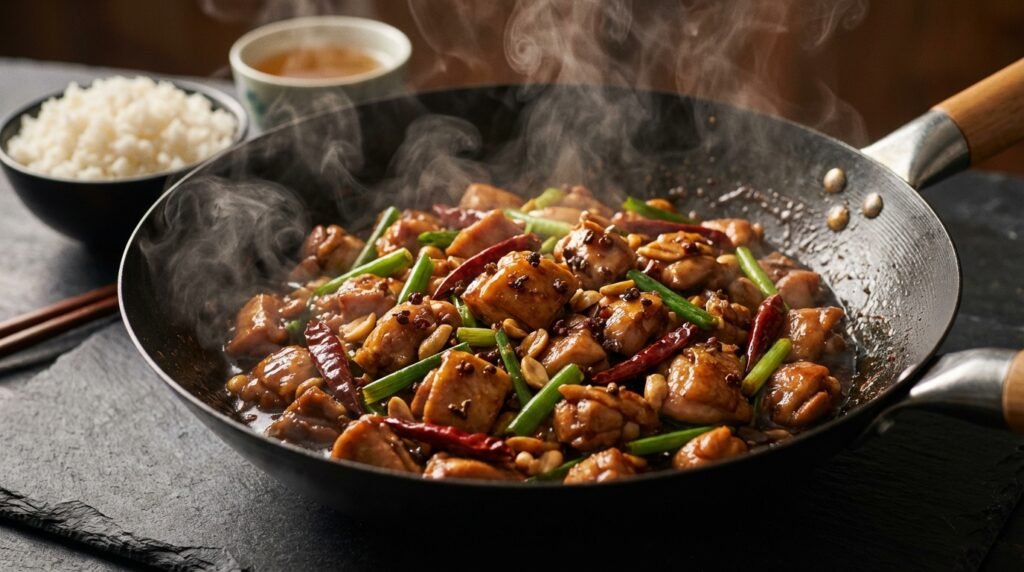
Learn how to make authentic Kung Pao Chicken at home with our comprehensive guide. Explore its Sichuan origins, master the balance of spicy, sweet, and tangy flavors, and follow our step-by-step recipe for the perfect glossy sauce and crispy peanuts. Includes healthy substitutions and traditional pairing ideas.
Kung Pao Chicken is one of the most iconic dishes in Chinese cuisine, renowned for its balanced interplay of spicy, savory, sweet, and tangy flavors. Beyond its irresistible taste, this dish carries a fascinating history and offers surprising nutritional benefits when prepared thoughtfully. This guide explores the origins and evolution of Kung Pao Chicken, unpacks its key ingredients, provides a detailed recipe for making authentic Kung Pao Chicken at home, and concludes with health insights and pairing ideas for a complete dining experience.
What is Kung Pao Chicken?
Kung Pao Chicken is a classic stir-fry originating from Sichuan province in southwestern China. At its core, it consists of diced chicken, peanuts, dried chilies, and a distinctive sauce built on soy, vinegar, sugar, and aromatics. The dish is celebrated for its layered flavor profile and textural contrast: tender chicken, crunchy peanuts, and crisp vegetables or scallions, all enveloped in a glossy, aromatic sauce.
https://www.teepublic.com/t-shirt/51544748-basketball?store_id=2851997
Origins and History of Kung Pao Chicken
The history of Kung Pao Chicken is closely tied to a Qing dynasty official named Ding Baozhen, a governor of Sichuan in the 19th century. He held the honorary title “Gong Bao,” or “Kung Pao,” meaning “Palace Guardian.” Legend suggests that he was particularly fond of a spicy chicken and peanut stir-fry, and the dish eventually became associated with his title, evolving into what we now know as Kung Pao Chicken.
Originally, this dish was a regional specialty rooted in Sichuan’s culinary tradition, famous for its “málà” flavor profile—a combination of hot spiciness from chili peppers and numbing tingling from Sichuan peppercorns. Over time, as the recipe spread within China and beyond its borders, many variations emerged. Cantonese-style versions are often milder and slightly sweeter, sometimes adding colorful vegetables such as bell peppers and carrots. Western interpretations, especially in Chinese-American restaurants, occasionally transform it into a heavier, sauce-laden dish tailored to local tastes.
Yet, at its heart, the authentic preparation keeps the focus on balance and restraint: measured heat, complex aromatics, and a precise harmony of salty, sour, and sweet elements. Understanding this historical and cultural context helps home cooks appreciate why certain ingredients and techniques are considered essential for a truly authentic Kung Pao Chicken recipe.
Key Ingredients in Traditional Kung Pao Chicken
Authentic Kung Pao Chicken is defined by a specific set of ingredients, each serving a clear purpose in building flavor, aroma, and texture:
- Chicken: Boneless, skinless chicken thigh is preferred for its tenderness and juiciness. Breast meat can be used, but requires careful cooking to avoid dryness.
- Dried Red Chilies: Whole dried chilies provide aroma and controlled heat. They are typically stir-fried until fragrant, infusing the oil with a gentle smokiness.
- Sichuan Peppercorns: These create the characteristic numbing sensation that differentiates Sichuan cuisine. Lightly toasted, they release a citrusy, floral aroma that complements the chilies.
- Peanuts: Dry-roasted peanuts offer crunch and a mild, nutty flavor that contrasts beautifully with the sauce and chicken.
- Scallions and Garlic: These aromatics contribute depth and freshness. Sometimes ginger is added to further round out the base flavors.
- Shaoxing Wine: A Chinese cooking wine that enhances umami and complexity in the marinade and sauce.
- Soy Sauce: Both light and dark soy sauce are often used. Light soy adds salinity and umami, while dark soy provides color and a deeper, slightly caramelized flavor.
- Chinkiang (Black) Vinegar: This aged vinegar lends a malty, slightly fruity acidity, essential for balancing the dish’s sweetness and saltiness.
- Sugar: A modest amount of sugar softens the edges of the heat and acidity, producing a rounded, harmonious taste.
- Cornstarch: Used both in the chicken marinade to tenderize and in the sauce as a thickener, giving Kung Pao Chicken its characteristic glossy coating.
When these Kung Pao Chicken ingredients are assembled with attention to proportion and technique, the result is a dish with depth, nuance, and remarkable balance.
How to Make Authentic Kung Pao Chicken at Home
Making Kung Pao Chicken at home is very achievable with a few specialized ingredients and proper preparation. The keys are advance organization, high heat, and a quick, controlled stir-fry process.
Step-by-Step Recipe Guide
The following recipe aims to replicate an authentic Kung Pao Chicken recipe while still being accessible for a home kitchen.
Ingredients (Serves 2–3)
For the chicken and marinade:
- 400 g (about 14 oz) boneless, skinless chicken thighs, diced into 1.5–2 cm cubes
- 1 tbsp light soy sauce
- 1 tbsp Shaoxing wine (or dry sherry as a substitute)
- 1 tsp cornstarch
- 1 tsp neutral oil (such as peanut, canola, or sunflower oil)
For the sauce:
- 1.5 tbsp light soy sauce
- 1 tsp dark soy sauce (optional but recommended)
- 1.5 tbsp Chinkiang black vinegar (or rice vinegar if unavailable)
- 1–1.5 tbsp sugar (adjust to taste)
- 2 tbsp water or unsalted chicken stock
- 1.5 tsp cornstarch
For stir-frying:
- 8–12 whole dried red chilies, deseeded if you prefer less heat
- 1 tsp Sichuan peppercorns, lightly crushed
- 2–3 cloves garlic, finely chopped
- 2–3 scallions, white and green parts separated and sliced
- 1 small piece of ginger (about 2 cm), finely minced (optional but traditional)
- 1/2 cup dry-roasted, unsalted peanuts
- 2–3 tbsp neutral oil for stir-frying
Method
- Marinate the chicken.
In a bowl, combine the diced chicken with light soy sauce, Shaoxing wine, cornstarch, and oil. Mix until evenly coated. Let it rest for at least 15–20 minutes. This step tenderizes the meat and seasons it from within. - Prepare the sauce.
In a separate bowl, whisk together light soy sauce, dark soy sauce, black vinegar, sugar, water or stock, and cornstarch. Stir until smooth and set aside. This pre-mixed sauce ensures the stir-fry process remains quick and controlled. - Organize the aromatics.
Arrange the dried chilies, Sichuan peppercorns, garlic, ginger (if using), and scallion whites on a plate so they are ready to go. Keep the scallion greens and peanuts nearby, as they will be added towards the end. - Heat the wok or pan.
Place a wok or large, heavy skillet over high heat until very hot. Add the oil and swirl to coat. A properly heated pan prevents sticking and yields better browning. - Fry the chilies and peppercorns.
Add the dried chilies and Sichuan peppercorns to the hot oil. Stir-fry for 20–30 seconds until fragrant and the chilies darken slightly. Avoid burning, as this will introduce bitterness. - Add aromatics.
Quickly add garlic, ginger, and the white parts of the scallions. Stir for another 20–30 seconds until aromatic, without letting the garlic brown excessively. - Cook the chicken.
Add the marinated chicken in a single layer. Let it sear undisturbed for 30–45 seconds, then stir-fry vigorously for 3–4 minutes until the chicken is just cooked through and lightly browned at the edges. - Add the sauce.
Give the prepared sauce a quick stir, then pour it into the wok. Stir continuously as the sauce comes to a simmer and thickens, coating the chicken and aromatics in a glossy sheen. This usually takes 1–2 minutes. - Finish with peanuts and scallions.
Add the peanuts and scallion greens. Toss briefly to combine and warm through. Taste and adjust seasoning, adding a splash more vinegar or a pinch of sugar if necessary to refine the balance. - Serve immediately.
Transfer to a warmed serving dish and serve hot, traditionally with steamed rice.
By following this step-by-step guide, you can reproduce restaurant-quality Kung Pao Chicken at home while keeping full control over ingredients, heat level, and nutritional profile.
Tips for Perfecting the Sauce
The sauce is the defining element in making Kung Pao Chicken. A well-executed kung pao sauce is glossy, balanced, and robust without overwhelming the other components.
- Balance sweet, sour, and salty. Taste the sauce before adding it to the wok. You should notice a gentle sweetness, well-rounded salinity, and a clear but not aggressive acidity. Adjust sugar and vinegar in small increments.
- Use high-quality vinegar and soy sauce. Chinkiang vinegar and good light soy sauce contribute depth and subtlety that cheaper alternatives often lack. These pantry investments significantly improve flavor.
- Control thickness. The cornstarch ratio determines how thick the sauce becomes. It should coat the chicken lightly without clumping or becoming gelatinous. If it seems too thick, add a splash of water or stock while stir-frying.
- Incorporate umami thoughtfully. Shaoxing wine adds complexity, but a few drops of sesame oil at the end can also lend a toasted aroma. Use sesame oil sparingly to avoid overpowering the dish.
- Manage heat distribution. Adjust spiciness by altering the amount of dried chilies and Sichuan peppercorns. Removing some chili seeds reduces heat while maintaining fragrance.
These kung pao sauce tips ensure that the finished dish achieves the elegant balance characteristic of authentic Kung Pao Chicken, rather than defaulting to one-dimensional spiciness or sweetness.
Health Benefits of Kung Pao Chicken
Kung Pao Chicken, when prepared with restraint and quality ingredients, can be both satisfying and relatively health-conscious. Its nutritional profile depends largely on cooking methods, portion sizes, and ingredient choices.
Nutritional Value and Ingredients Analysis
Chicken provides a lean source of high-quality protein, supporting muscle maintenance and satiety. Thigh meat, while slightly higher in fat than breast, offers better tenderness and flavor, often leading to less need for heavy sauces or added fats.
Peanuts contribute heart-healthy monounsaturated and polyunsaturated fats, plant-based protein, and important micronutrients such as vitamin E, magnesium, and niacin. Their calorie density means moderation is wise, but in reasonable amounts they add both nutrition and texture.
Dried chilies contain capsaicin, which has been studied for potential metabolic benefits and its role in enhancing circulation and appetite regulation. They also provide antioxidants, though the quantities consumed per serving are relatively modest.
Sichuan peppercorns are used in small quantities but offer unique phytochemicals and antioxidants. The numbing quality also encourages slower eating, which can support mindful consumption.
Aromatics such as garlic, ginger, and scallions are rich in compounds with anti-inflammatory and antimicrobial properties. Regular inclusion of these ingredients may support cardiovascular and immune health.
The sauce does contain sodium and sugar, which can accumulate if portions are large or the dish is served excessively saucy. However, making Kung Pao Chicken at home allows you to reduce sodium by moderating soy sauce, and to control sugar content without sacrificing flavor.
Overall, the health benefits of Kung Pao Chicken emerge most clearly when it is consumed as part of a balanced meal, with generous vegetables and modest portions of rice or other grains.
Healthier Alternatives and Substitutions
For those seeking a lighter version of this dish, several adjustments can improve the nutritional profile without compromising enjoyment:
- Lean protein options. Use skinless chicken breast instead of thigh, being careful not to overcook. Alternatively, firm tofu or tempeh can replace chicken, making the dish suitable for vegetarians while preserving texture and protein content.
- Reduce oil usage. Stir-frying does not require excessive oil. A well-seasoned wok or non-stick pan allows you to use minimal quantities while still achieving good browning.
- Moderate peanuts. Reduce the peanut quantity or replace part of them with lightly toasted cashews or even roasted chickpeas for added fiber. This adjustment lowers overall energy density while preserving crunch.
- Lower sodium. Choose a reduced-sodium soy sauce or dilute regular soy with water. Season gradually and taste as you go rather than relying on fixed measurements.
- Refine the sweetness. Decrease sugar or substitute part of it with a small amount of honey or a less-refined sugar. Remember that the perception of sweetness is enhanced by proper acidity, so a slightly higher vinegar ratio can reduce the need for sugar.
- Add more vegetables. Incorporate bell peppers, celery, carrots, snow peas, or broccoli florets. This increases fiber, vitamins, and bulk, making the meal more filling and nutrient-dense while keeping calories under control.
By integrating these healthier alternatives, making Kung Pao Chicken becomes an opportunity to design a meal that is both flavorful and aligned with your nutritional goals.
Pairing Suggestions and Serving Ideas
Thoughtful pairings enhance the overall dining experience, allowing Kung Pao Chicken’s bold flavors to shine while offering contrast and balance. Attention to sides and beverages can transform a simple dish into a well-rounded meal.
Best Side Dishes for Kung Pao Chicken
Because Kung Pao Chicken is rich and intensely flavored, suitable side dishes provide either a neutral canvas or a complementary freshness.
- Steamed jasmine or medium-grain rice. The most traditional accompaniment, rice absorbs the sauce, moderates heat, and offers a gentle textural contrast.
- Brown rice or mixed grains. For added fiber and a nuttier profile, consider brown rice, black rice, or a mix of grains such as barley and quinoa. These pair well with the robust flavors of the dish and enhance its nutritional value.
- Stir-fried or steamed greens. Bok choy, gai lan (Chinese broccoli), spinach, or choy sum, simply seasoned with garlic and a touch of soy, bring a refreshing counterpoint and lighten the plate.
- Cucumber salad. A cool cucumber salad with rice vinegar, a bit of sesame oil, and a pinch of sugar neutralizes heat and cleanses the palate between bites.
- Light soups. A clear broth with tofu and vegetables or a simple seaweed and egg drop soup offers warmth without overwhelming the flavors of the main dish.
These best side dishes for Kung Pao allow you to build a meal that is visually appealing, balanced in texture, and nutritionally diverse.
Drinks That Complement Kung Pao Chicken
The heat and complexity of Kung Pao Chicken invite careful beverage pairing. The goal is to refresh the palate, mellow spiciness, and harmonize with the dish’s savory, tangy profile.
- Chinese tea. Light teas such as jasmine, green tea, or oolong cleanse the palate and cut through richness without adding sweetness. Their floral and vegetal notes complement the dish’s aromatics.
- Light, crisp beers. A pilsner, lager, or wheat beer pairs well with spicy food. Their carbonation and subtle bitterness counterbalance the heat and richness.
- Aromatic white wines. Off-dry Riesling, Gewürztraminer, or Chenin Blanc work well with spicier dishes. Their gentle sweetness and acidity soften chili heat and highlight the sauce’s complexity.
- Non-alcoholic options. Sparkling water with a wedge of citrus, lightly sweetened iced tea, or a diluted fruit spritzer are excellent choices. Avoid drinks that are overly sugary or high in alcohol, as these can intensify the perception of heat.
Selecting drinks that complement Kung Pao Chicken ensures the meal remains balanced and enjoyable from first bite to last sip.
Conclusion
Kung Pao Chicken is far more than a popular restaurant staple. It is a distinguished dish rooted in Sichuan’s culinary heritage, shaped by history, and defined by a meticulous balance of heat, acidity, umami, and texture. Understanding its origins, key ingredients, and the logic behind its flavor structure allows you to recreate an authentic Kung Pao Chicken recipe in your own kitchen with confidence.
By mastering the sauce, practicing efficient stir-fry techniques, and thoughtfully choosing ingredients, you can tailor the dish to your taste and nutritional preferences without sacrificing authenticity. Moreover, when served with carefully chosen side dishes and well-matched beverages, Kung Pao Chicken becomes the centerpiece of a satisfying, cohesive meal.
Whether you are intrigued by the history of Kung Pao Chicken, drawn to its distinctive flavor profile, or looking for new ways to prepare balanced, protein-rich meals at home, this dish offers endless culinary potential—both as a tribute to tradition and as a canvas for your own informed creativity.
Sashimi vs. Sushi: Everything You Need to Know About Sashimi
The Ultimate Sushi Guide: History, Popular Types, and Recipes
The Ultimate Guide to Spring Rolls: Authentic Recipes.
How to Make Authentic Spring Rolls: A Step-by-Step Guide
Tom Yum Soup: The Ultimate Hot & Sour Thai Soup Guide
Tom Yum Soup: The Ultimate Hot & Sour Thai Soup Guide
Pad Thai: The Ultimate Guide to Thailand’s National Noodle Dish
Crystal Collector
Combat Protocol
WASD – Move
Mouse – Look around
Left Click – Fire Weapon
R – Reload
Eliminate all hostile units in the sector!
(Works better on computer)