
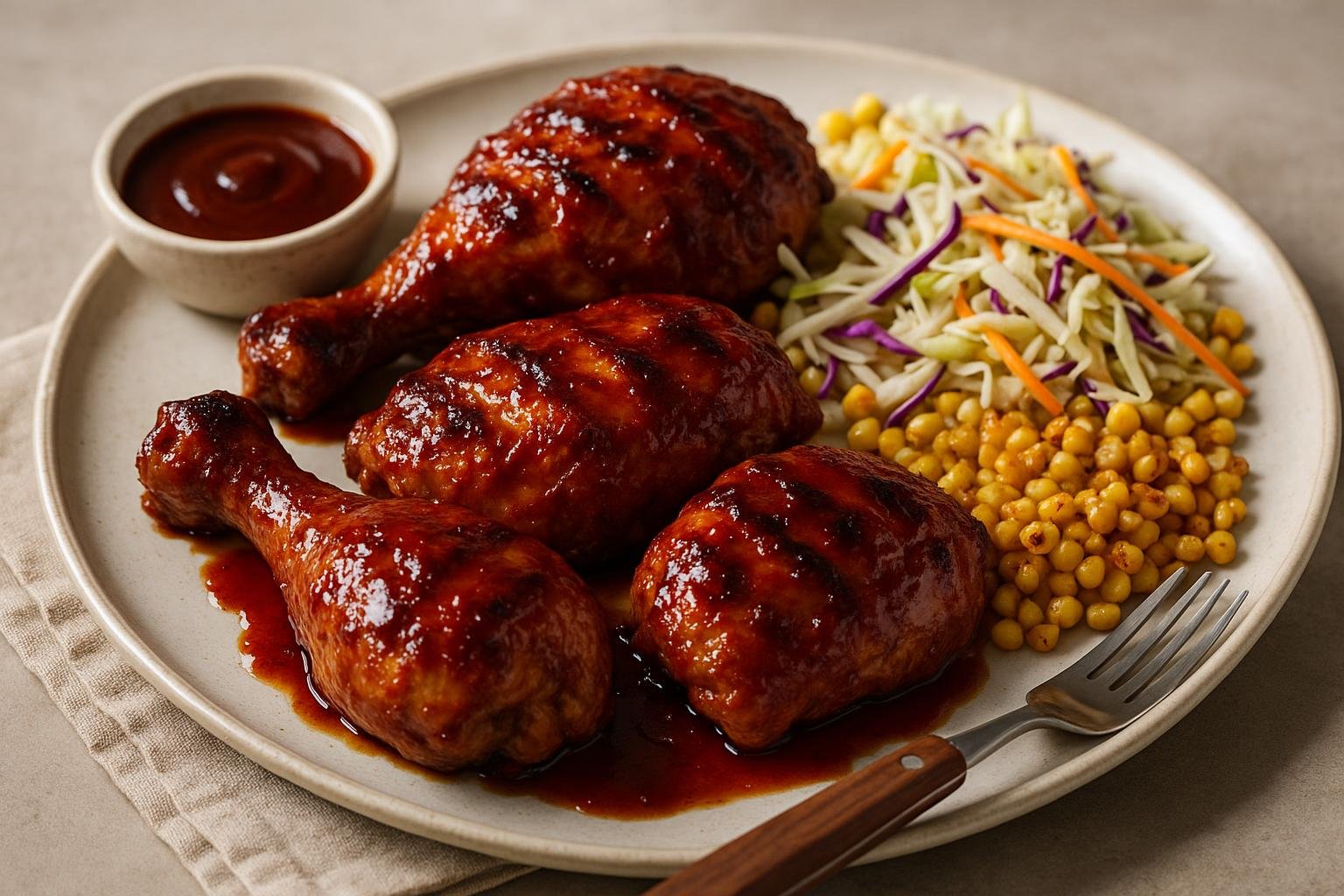
Barbecued chicken is one of those rare dishes that bridges cultures, seasons, and skill levels. It appears at backyard cookouts, weeknight dinners, and competition circuits with equal ease. Yet achieving juicy meat, crisp skin, and deep, layered smoke and sauce flavors is not merely a matter of throwing poultry on a grill. It is a craft. This guide explores the history, health profile, techniques, and recipes that will help you master BBQ chicken at home with confidence.
The Ultimate Guide to BBQ Chicken
History and Popularity of BBQ Chicken
The story of BBQ chicken is tightly interwoven with the broader history of barbecue itself. Indigenous peoples in the Americas slow-cooked meat over indirect heat long before European contact. Over time, these methods merged with European and African culinary traditions, giving birth to the regional barbecue styles we know today.
Chicken entered the barbecue spotlight later than pork and beef, primarily because it was historically considered a precious commodity, often reserved for special occasions. As farming practices evolved and chicken became more accessible, it naturally found its way onto grills and into smokers. Its relatively quick cooking time and mild flavor made it a perfect canvas for bold sauces and rubs.
Today, BBQ chicken appears everywhere from American cookouts to Korean street stalls and Mediterranean skewer shops. Its popularity stems from its versatility: it suits sweet, tangy, spicy, or smoky profiles, adapts well to both gas and charcoal grilling, and appeals to diners seeking a marginally lighter option than red meat.
Health Benefits of BBQ Chicken
When prepared thoughtfully, BBQ chicken can be a wholesome centerpiece of a balanced meal. Skinless chicken breast is notably lean, with high-quality protein and minimal saturated fat. Even dark meat, while higher in fat, provides iron, zinc, and B vitamins, all important for energy metabolism and immune function.
The cooking method matters. Grilling allows excess fat to drip away rather than pool around the meat, which can reduce overall calorie intake compared to pan-frying. Marinating chicken before cooking—especially in mixtures containing olive oil, citrus juice, herbs, or yogurt—can help protect the meat from high-heat damage and maintain moisture, thereby reducing the need for heavy, calorie-dense sauces afterward.
To keep BBQ chicken on the healthier side, focus on modest portions, prioritize homemade BBQ sauce with limited added sugar and salt, and pair the dish with vegetables or whole grains rather than heavy starches alone. With these considerations, BBQ chicken becomes both satisfying and nutritionally responsible.
How to Make Perfect BBQ Chicken at Home
Choosing the Right Cut of Chicken
The best chicken cuts for BBQ depend on your priorities: flavor, speed, or ease of cooking. Each cut behaves differently over live fire, so understanding their characteristics will improve your grilled chicken results dramatically.
- Bone-in, skin-on thighs: Widely considered the most forgiving and flavorful option. The higher fat content helps prevent dryness, and the bone conducts heat gently for more even cooking.
- Drumsticks: Ideal for casual gatherings and family meals. They are easy to handle, cook relatively quickly, and tolerate bold seasonings and intense heat.
- Whole legs (thigh and drumstick attached): Excellent for deeper flavor and juiciness. They take longer to cook but reward patience with rich taste and appealing presentation.
- Bone-in, skin-on breasts: Offer impressive flavor when cooked correctly, though they require more attention to avoid drying. Indirect heat is especially important here.
- Boneless, skinless breasts: A common choice for easy BBQ chicken, particularly in leaner diets. They cook fast but can overcook quickly, making temperature monitoring crucial.
- Wings: Perfect for appetizers and game-day spreads. Their high skin-to-meat ratio suits crisping over direct heat, then finishing with sauce at the end.
For your first attempt at perfect chicken BBQ, start with thighs or drumsticks. They offer a generous margin of error while still showcasing classic barbecue flavors and textures.
Essential BBQ Tools and Equipment
While it is possible to cook decent BBQ chicken with minimal gear, a few essential tools will dramatically improve consistency and safety.
- Reliable grill or smoker: Both gas and charcoal can produce exceptional results. Gas offers convenience and precise control, while charcoal or wood delivers deeper smoke character.
- Two-zone setup: Whether using gas or charcoal, arrange one hot direct-heat side and one cooler indirect side. This configuration is fundamental for controlling flare-ups and cooking chicken through without burning.
- Instant-read thermometer: The most important tool for eliminating guesswork. Chicken should reach a safe internal temperature of 165°F (74°C) in the thickest part without overcooking.
- Long-handled tongs and spatula: Allow you to maneuver pieces without piercing the meat, which helps retain juices.
- Heat-resistant gloves: Essential for safely moving grates, pans, or hot lids.
- Chimney starter (for charcoal): Provides a clean, efficient way to light coals without lighter fluid, which can impart off-flavors.
- Basting brush or sauce mop: Useful for applying homemade BBQ sauce in thin, controlled layers during the final stages of cooking.
- Drip pan and foil: Protect the grill from excessive drippings and help manage indirect cooking zones.
These core tools support sound BBQ chicken techniques: steady heat, precise timing, and safe handling from start to finish.
Delicious BBQ Chicken Recipes
Classic BBQ Chicken Recipe
This classic BBQ chicken recipe emphasizes balance: savory spice rub, subtle smoke, and a glossy sauce finish. It is designed for a standard grill with a two-zone fire.
Ingredients (serves 4–6)
- 8 bone-in, skin-on chicken thighs (or 4 thighs and 4 drumsticks)
- 2 tbsp olive oil
- 1 tbsp kosher salt
- 1 tsp freshly ground black pepper
- 2 tsp smoked paprika
- 1 tsp garlic powder
- 1 tsp onion powder
- 1 tsp dried oregano
- 1/2 tsp cayenne pepper (optional, for mild heat)
For the homemade BBQ sauce
- 1 cup tomato sauce or ketchup
- 1/4 cup apple cider vinegar
- 3 tbsp brown sugar or honey
- 1 tbsp Worcestershire sauce
- 1 tsp smoked paprika
- 1/2 tsp garlic powder
- 1/2 tsp onion powder
- 1/2 tsp mustard powder
- Salt and pepper to taste
Method
- 1. Prepare the chicken: Pat chicken dry with paper towels. In a small bowl, combine salt, pepper, smoked paprika, garlic powder, onion powder, oregano, and cayenne. Drizzle the chicken with olive oil, then coat evenly with the spice mixture. Refrigerate for at least 30 minutes, or up to 12 hours for deeper flavor.
- 2. Make the sauce: Combine all sauce ingredients in a small saucepan. Simmer over low heat for 10–15 minutes, stirring occasionally, until slightly thickened. Adjust seasoning to taste and set aside.
- 3. Set up the grill: Preheat the grill to medium heat. Create a two-zone fire: one side with direct heat, the other cooler for indirect cooking. Lightly oil the grates.
- 4. Sear and cook indirectly: Place the chicken skin-side down over direct heat for 3–4 minutes to obtain a light sear, watching for flare-ups. Move pieces to the indirect side, close the lid, and cook for 25–35 minutes, turning occasionally.
- 5. Monitor temperature: Begin checking internal temperature after 20 minutes. Aim for 160°F (71°C) in the thickest part, avoiding bones.
- 6. Glaze with sauce: When near target temperature, brush a thin layer of BBQ sauce over the chicken and cook for another 5–10 minutes, turning once and reapplying sauce as desired. The internal temperature should reach 165°F (74°C).
- 7. Rest and serve: Transfer the chicken to a platter, tent loosely with foil, and rest for 5–10 minutes. Serve with additional sauce on the side.
This method produces classic BBQ flavors: smoky, gently charred skin and tender meat with a glossy, caramelized finish.
Innovative BBQ Chicken Flavor Variations
Once you have mastered the fundamentals, experiment with inventive flavor profiles that elevate your chicken beyond the usual sweet-and-smoky profile.
- Herb and lemon Mediterranean style: Marinate chicken in olive oil, lemon zest and juice, garlic, rosemary, thyme, and oregano. Grill over medium heat, finishing with a squeeze of fresh lemon. This lighter approach produces healthy BBQ chicken with bright, aromatic notes.
- Spicy honey-chipotle: Blend chipotle peppers in adobo with honey, lime juice, cumin, and smoked paprika to form a marinade and finishing glaze. The result is a dynamic mix of sweetness, heat, and smoke.
- Garlic-soy sesame glaze: Combine soy sauce, rice vinegar, sesame oil, garlic, ginger, and a touch of brown sugar. Marinate chicken for several hours, grill over indirect heat, then finish with a reduced glaze and toasted sesame seeds.
- Mustard-based Carolina style: Prepare a tangy sauce with yellow mustard, apple cider vinegar, brown sugar, and black pepper. Season chicken simply with salt and pepper, then baste with the mustard sauce toward the end of cooking.
- Dry-rubbed smoky paprika and cumin: Skip the sauce entirely. Use a robust dry rub of smoked paprika, cumin, coriander, garlic, and brown sugar. Slow-cook over indirect heat, then briefly crisp over direct heat for a pure, spice-driven profile.
These variations demonstrate how classic BBQ flavors can be refined or reimagined without compromising the essential pleasures of grilled chicken.
Tips and Tricks for BBQ Chicken Success
How to Achieve the Perfect Cook
Consistency in BBQ chicken comes down to temperature control, timing, and technique. A few targeted grilled chicken tips will immediately raise your success rate.
- Use a two-zone fire: Sear briefly over direct heat to develop color, then shift pieces to the indirect side to finish cooking gently. This prevents burnt skin and undercooked interiors.
- Keep the lid closed: Each time you open the grill, heat and smoke escape. Rely on your thermometer rather than visual guesswork.
- Mind the internal temperature: Aim for 165°F (74°C) in the thickest part of the meat. Dark meat can tolerate slightly higher temperatures—up to 175°F (79°C)—for a more tender texture.
- Apply sauce late: Sugar-heavy sauces burn quickly over high heat. Add them in the final 5–10 minutes of cooking, allowing just enough time to set and caramelize.
- Dry the skin thoroughly: Pat chicken dry before seasoning. Excess moisture steams the skin and prevents proper browning.
- Rest before serving: A brief rest after cooking allows juices to redistribute, making the meat more succulent and easier to carve or portion.
- Marinate or dry brine: Even a simple mixture of salt and spices applied a few hours before cooking improves flavor and texture. For especially juicy results, dry-brine overnight in the refrigerator, uncovered, to also dry the skin slightly.
With these BBQ chicken techniques, achieving dependable results becomes a repeatable process rather than a matter of chance.
Common BBQ Chicken Mistakes to Avoid
Many disappointments with grilled chicken stem from a handful of recurring errors. Avoiding them will significantly improve your outcomes.
- Cooking only over high direct heat: This is the most common mistake. Chicken needs time to cook through. High heat alone tends to burn the exterior while leaving the interior underdone.
- Skipping temperature checks: Judging doneness by color or juice alone is unreliable. Undercooked chicken is unsafe; overcooked chicken is dry. A thermometer solves both problems.
- Overcrowding the grill: Tightly packed pieces limit airflow and can cause uneven cooking. Leave space between pieces so heat circulates properly.
- Adding sauce too early: Applying sugary glazes at the beginning of the cook leads to bitter, charred residue. Layer sauce toward the end for a glossy, flavorful finish.
- Neglecting to preheat and clean the grates: Cold or dirty grates cause sticking and torn skin. Preheat thoroughly, then scrub and oil the grates lightly before placing the chicken.
- Using lighter fluid excessively: It can impart chemical flavors and odor to the food. A chimney starter or natural fire starters are preferable.
- Ignoring carryover cooking: Removing chicken from the grill a few degrees before the target temperature allows residual heat to bring it to perfection without overshooting.
By steering clear of these pitfalls and applying the methods described above, you will be able to produce consistently excellent BBQ chicken—whether you are preparing a simple weekday meal or hosting a large outdoor gathering.
In conclusion, mastering BBQ chicken involves more than a single recipe. It requires understanding your ingredients, selecting appropriate cuts, equipping yourself with the right tools, and refining your approach to heat, timing, and flavor. From classic sauced thighs to innovative global variations, there is a version suited to every palate and occasion. With deliberate practice and careful attention to technique, your next chicken BBQ can move from ordinary to exceptional, becoming a reliable highlight of your culinary repertoire.
Discover More from Didier Lancelot
Amazon Author page: amazon.com/author/didierlancelot
Narmer Store: narmerstore.org
AI and Technology Ebooks
- Creative AI: Animated Drawings, Manga & Illustrations
- Build a Game with AI: The No-Code Guide
- AI Image Generation Made Easy
- Build a Website with AI: The No-Code Guide
- How to Connect AI to Your Blog: The Ultimate Automation Guide
- AI Productivity Habits: Get More Done in Less Time
- AI Avatars Made Easy
- The Book of AI Prompts: 100+ Proven Prompts
- Make Music with AI: Suno, Udio and AI Music Generators
- Click to Cash
- The Automated Edge: Outwork, Outpace, and Outperform with AI
- AI Side Hustle: How to Make Money with ChatGPT and AI Tools
- Work Smarter with AI
Health, Lifestyle and Home Ebooks
- Hidden Superfoods: The World’s Most Powerful Healing Foods
- Spanish Food: The Complete Cookbook for Authentic Home Cooking
- The Science of Happiness Explained
- The Psychology of Success
- The Secret Sauce of Consistency: What the Experts Don’t Tell You About Fitness
- The Complete Home Bartender’s Guide: Link 1 | Link 2
- Natural Beauty, Made Simple: Easy DIY Organic Skincare Recipes
- Garden Made Simple: Easy, Beginner-Friendly Techniques
- The Dog Training Bible