From Silhouette to Veil — How to Plan, Design, and Perfect the Bridal Look
Bridal fashion design is far more than selecting a beautiful dress. It is the art and craft of translating a bride’s personality, cultural background, and dreams into a cohesive visual statement for her wedding day. When approached strategically, bridal fashion design shapes the entire aesthetic of the celebration, influences photography, and even affects the bride’s confidence and comfort from ceremony to reception.
This guide explores what bridal fashion design really is, why it matters for brides and wedding professionals, and how to build a thoughtful, effective bridal fashion design strategy from concept to final fitting.
Understanding Bridal Fashion Design: What It Is and Why It Matters
What Is Bridal Fashion Design?
Bridal fashion design is the specialized field of creating wedding attire and related accessories with a deliberate focus on style, fit, functionality, and symbolism. It sits at the intersection of haute couture, costume design, and personal styling.
Unlike general fashion, bridal design must balance aesthetics with ritual and practicality. Designers and stylists consider:
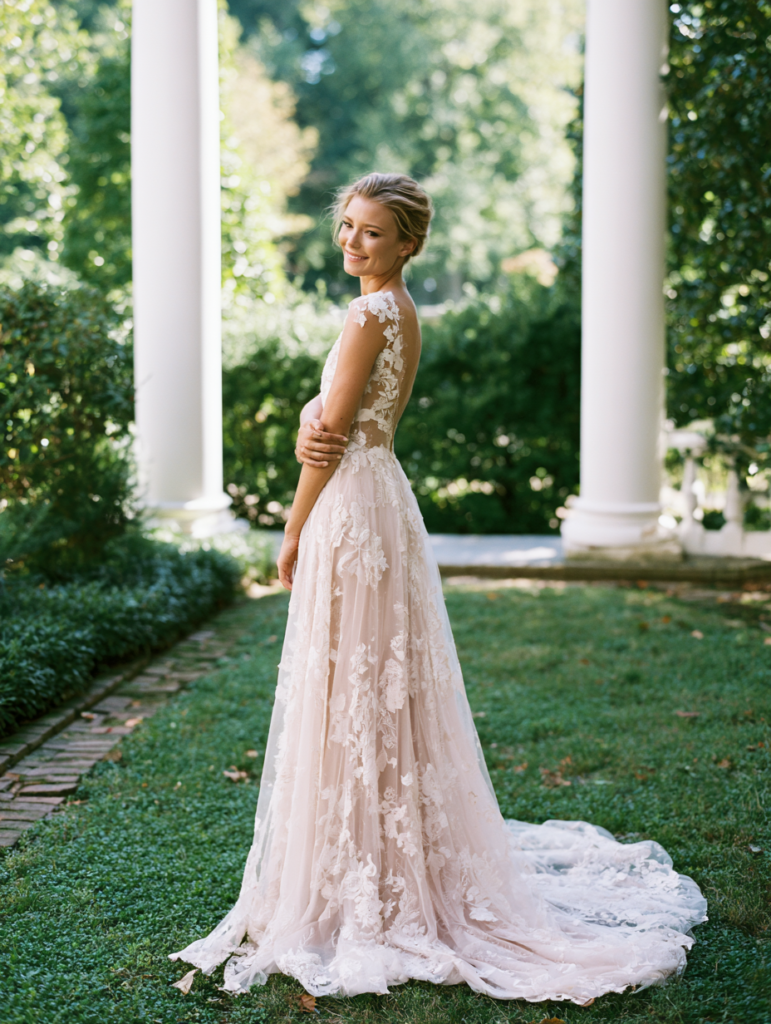
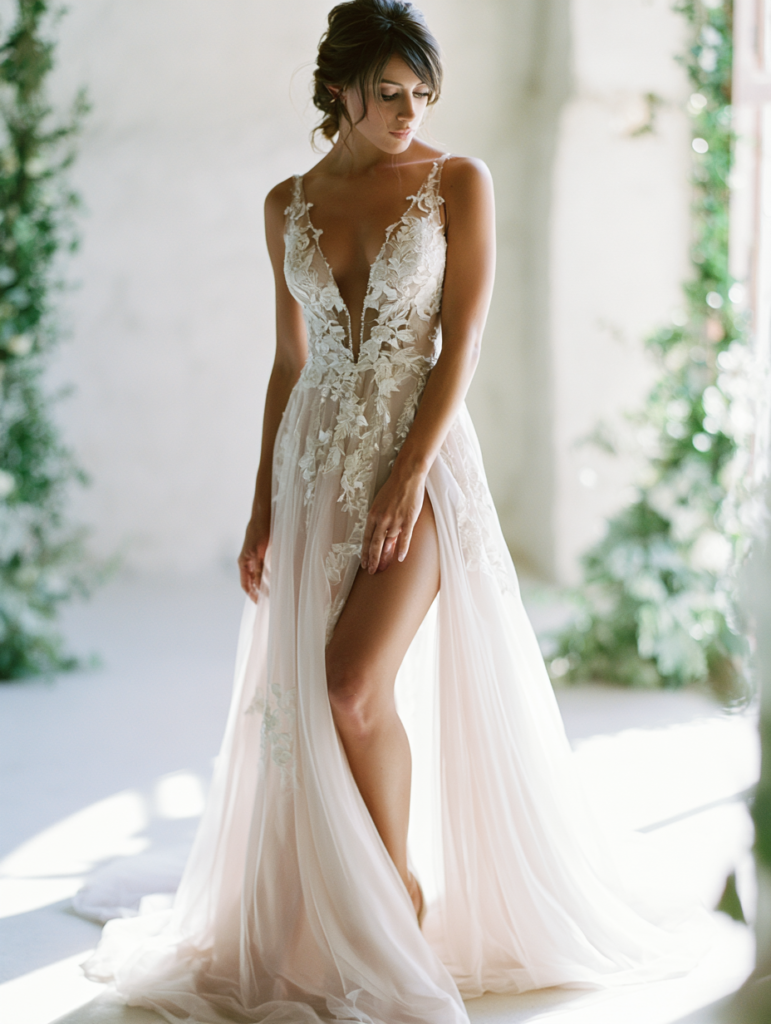
- Silhouette and structure – From ballgown and A-line to mermaid and sheath, the cut defines the overall look and must suit the bride’s proportions and posture.
- Fabric and texture – Silk, satin, mikado, crepe, organza, and lace each behave differently, affecting movement, drape, and comfort.
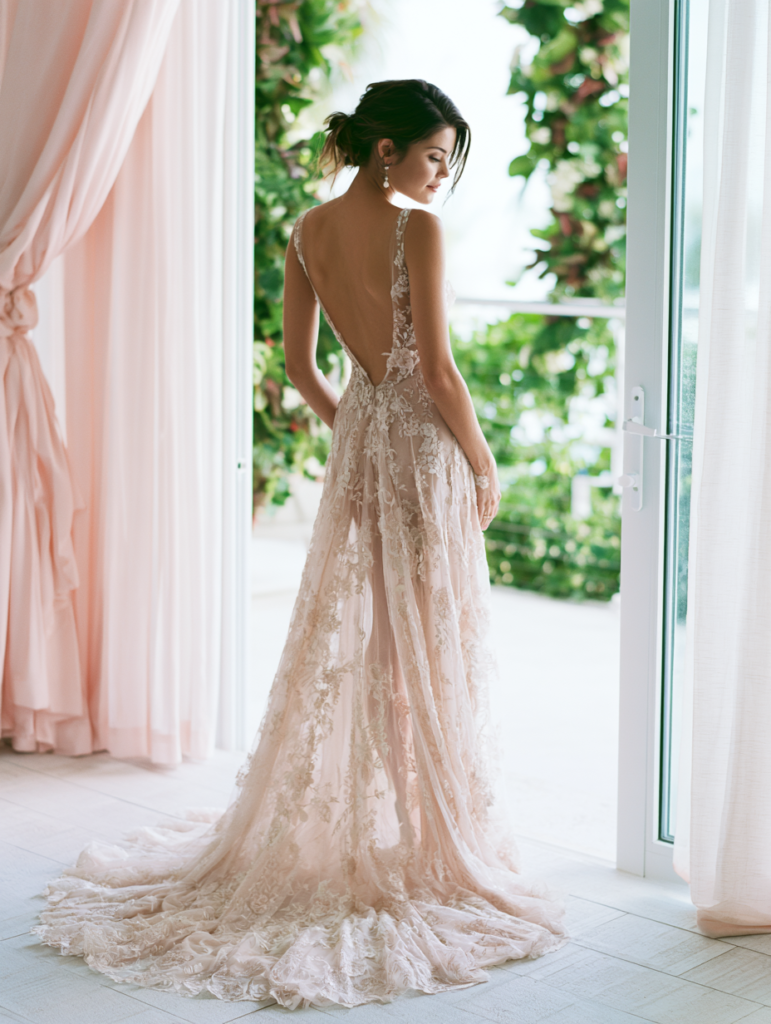
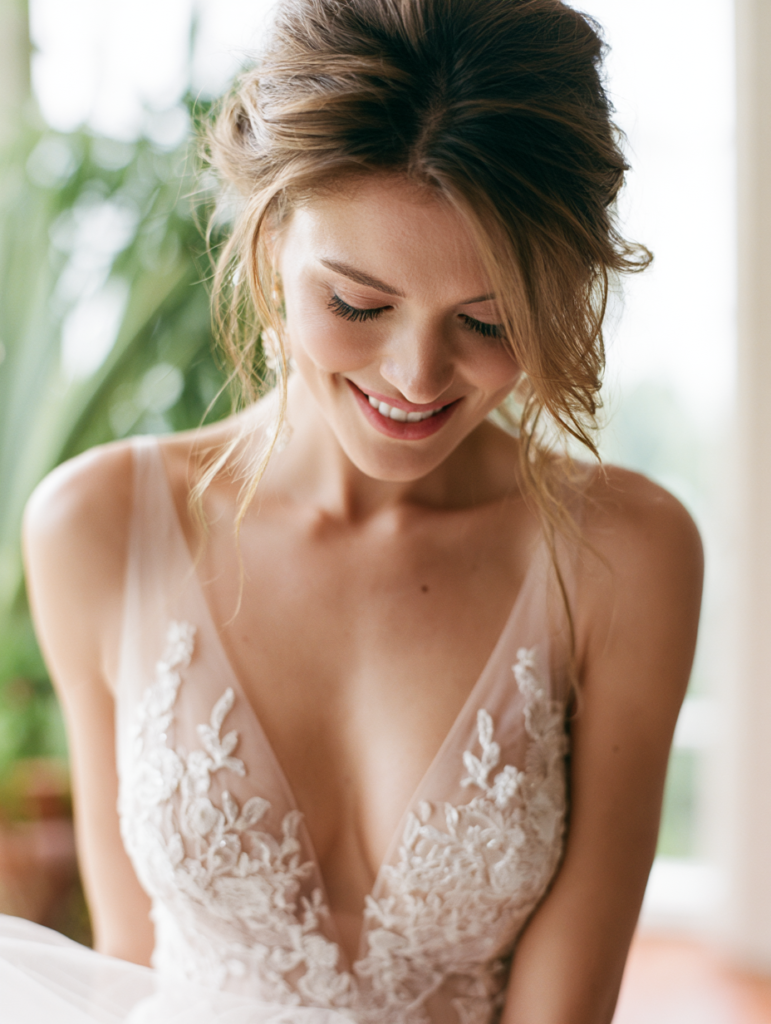
- Detailing and craftsmanship – Hand embroidery, beading, appliqués, and couture finishes distinguish a bridal gown and create depth on camera.
- Color and undertone – Ivory, champagne, blush, and unconventional hues must complement the bride’s complexion and the wedding’s palette.
- Accessories and styling – Veils, capes, jewelry, shoes, and hairpieces must harmonize with the gown and the overall bridal look.
In practice, when people ask, “What is bridal fashion design?”, they are referring both to the technical process of designing bridal garments and to the strategic styling decisions that bring a cohesive bridal image to life.
Why Bridal Fashion Design Is Important for Brides and Wedding Professionals
Thoughtful bridal fashion design is crucial for both the bride and the wider wedding team.
For brides, it:
- Defines self-expression – The gown and styling communicate personality, values, and even modern or traditional sensibilities.
- Supports confidence – A perfectly tailored garment that moves well helps the bride feel poised, grounded, and photogenic throughout the day.
- Creates emotional resonance – Design elements can honor heritage, family traditions, or personal milestones, adding meaning to the ensemble.
For wedding planners, photographers, and stylists, bridal fashion design for professionals influences:
- Visual cohesion – The gown interacts with venue architecture, decor, lighting, and floral design to create a unified aesthetic.
- Logistics and timing – Train length, bustle complexity, and multiple outfit changes all affect the schedule and movement on the day.
- Storytelling – A curated fashion narrative, from engagement shoot to reception dress, enriches the overall wedding story.
When understood strategically, the benefits of bridal fashion design extend far beyond the dress; it becomes a central pillar of the wedding experience and brand, especially for professionals building portfolios and reputations.
Key Benefits of Bridal Fashion Design for Brides and Wedding Professionals
Primary Advantages and Real-World Examples
An intentional bridal fashion design strategy brings several tangible benefits to both individual brides and industry experts.
1. Enhanced Personalization
Custom design and thoughtful styling allow brides to depart from generic trends and embrace garments that feel uniquely theirs. For instance, incorporating heirloom lace into a modern minimalist gown can bridge tradition and contemporary style in a subtle, personal way.
2. Flattering Fit and Functional Comfort
Expert bridal design takes into account posture, body proportions, and movement. A bride planning an outdoor ceremony on uneven ground, for example, may benefit from a structured bodice paired with a more fluid skirt and supportive footwear that remains invisible but ensures stability.
3. Photographic Impact
Professionals understand how fabrics respond to different lighting conditions and camera lenses. A heavily beaded gown under harsh midday sun can appear overly reflective, whereas matte crepe or mikado might photograph with a refined, sculptural quality. Strategic bridal fashion design for photographers can dramatically improve editorial outcomes.
4. Brand Differentiation for Designers and Planners
For bridal designers and wedding planners, a consistent fashion aesthetic becomes a signature. A planner known for clean, architectural gowns and minimal accessories, for example, will attract brides who resonate with this refined style, strengthening market positioning.
5. Cohesive Guest Experience
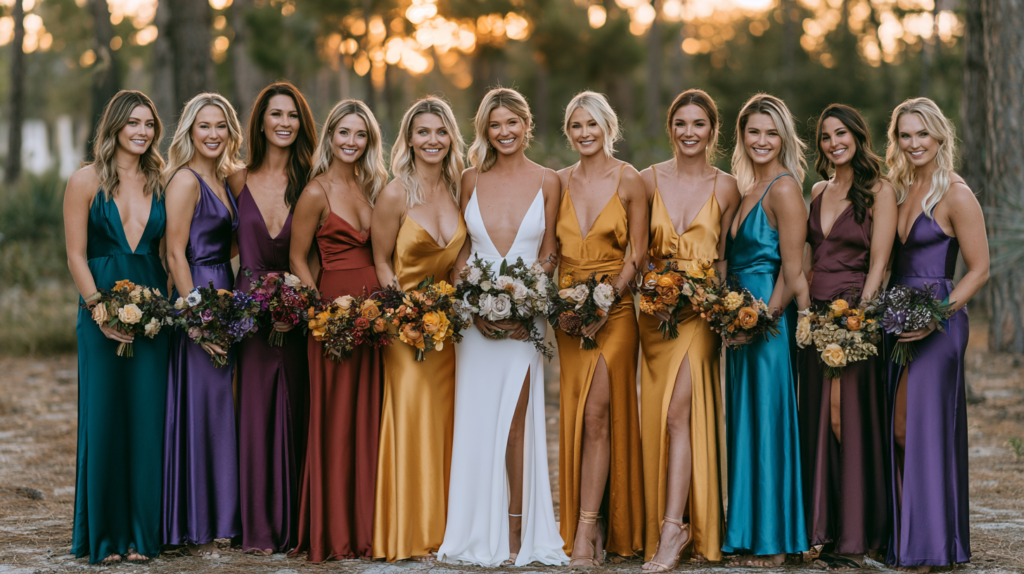
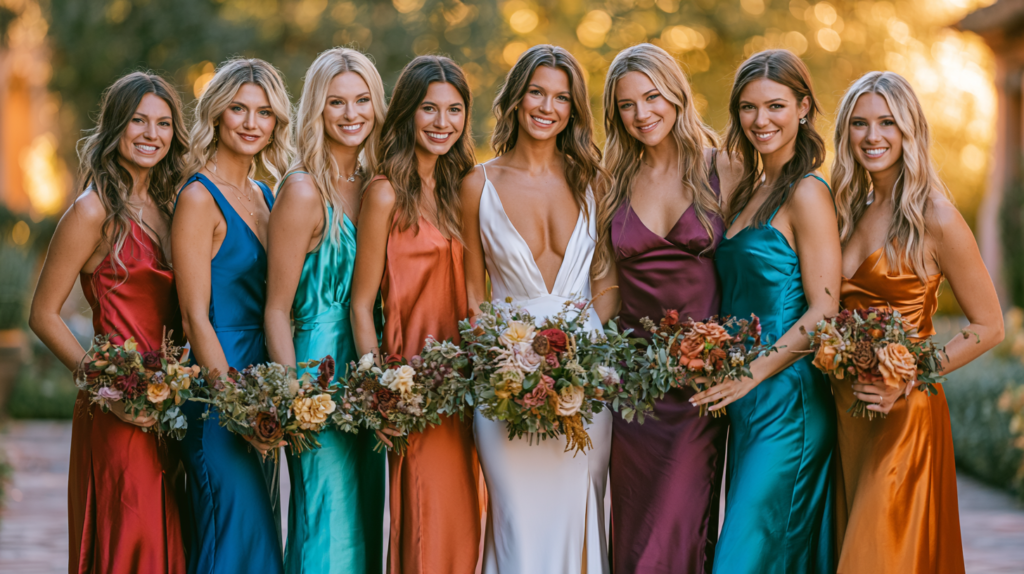
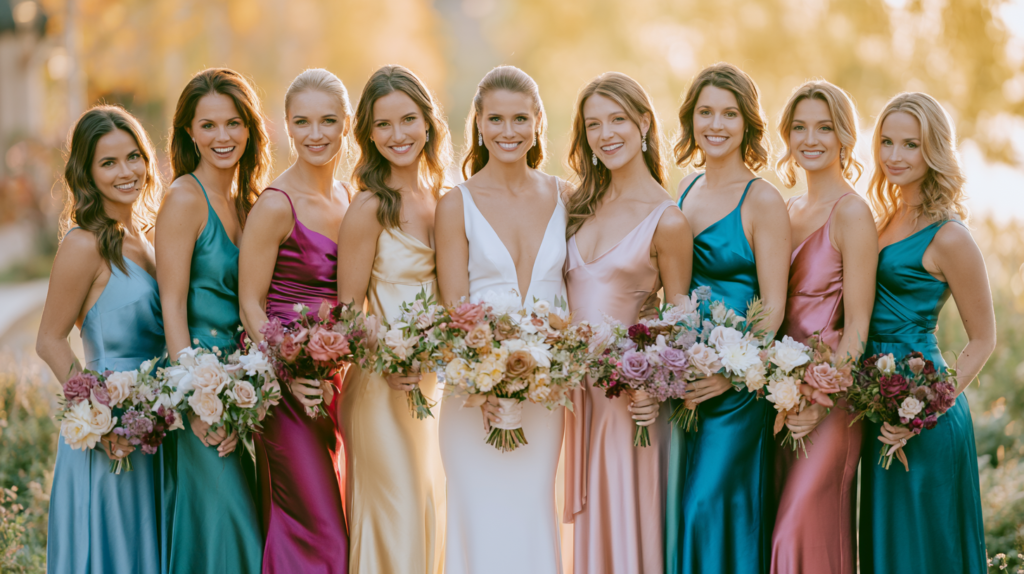
Well-planned bridal fashion design for the wedding party aligns bridesmaids’ dresses, groomswear, and family attire with the main bridal look and overall theme. This visual coherence elevates the perceived quality of the event and enhances the guest experience.
Common Misconceptions and Mistakes to Avoid
Many brides and even some professionals fall into predictable traps. Understanding the most frequent bridal fashion design mistakes to avoid prevents expensive and stressful revisions later.
Misconception 1: “The Trendiest Dress Is Always the Best Choice”
Following trends without regard to body type, venue, or personal style often leads to regrets. A dramatic oversized ballgown may overwhelm a petite bride or feel disproportionate in a minimalist city hall ceremony.
Misconception 2: “Alterations Can Fix Anything”
Alterations are powerful but not magical. Buying a gown several sizes too large or choosing a design that fundamentally conflicts with a bride’s body structure (for example, a completely backless style for someone requiring strong bust support) can result in structural compromises and discomfort.
Misconception 3: “Accessories Are an Afterthought”
Leaving veils, jewelry, shoes, and hairpieces until the last minute can disrupt a carefully chosen gown. An over-embellished veil with a heavily beaded dress, for example, may create visual clutter and distract from the bride’s face.
Misconception 4: “One Dress Works for Everything”
Some weddings require multiple looks: ceremony, reception, and possibly a cultural or religious outfit. Assuming a single gown will function seamlessly across all settings can lead to mobility issues or cultural mismatches.
Misconception 5: “Bridal Fashion Design Is Only About the Bride”
Overlooking the groom and wedding party creates aesthetic imbalance. A refined couture gown next to an ill-fitting suit or mismatched attendants diminishes the overall visual harmony and photographs poorly.
Step-by-Step Guide: How to Implement Bridal Fashion Design Effectively
Understanding how to implement bridal fashion design transforms the process from overwhelming to manageable. The following bridal fashion design step by step framework can be adapted for brides, stylists, and planners.
Essential Tools, Resources, and Requirements
Effective implementation requires more than inspiration boards. It demands a structured toolkit.
1. Clear Vision and Creative Direction
- Define keywords for the desired look: modern classic, bohemian romantic, architectural minimalism, vintage glamour, etc.
- Create a focused mood board with no more than 20–30 images to avoid visual confusion.
- Note non-negotiables (cultural attire, modesty requirements, color preferences) from the outset.
2. Professional Support Network
- Bridal designer or boutique consultant – Guides fabric, silhouette, and sizing decisions.
- Tailor or alterations specialist – Essential for fine-tuning fit.
- Hair and makeup artist – Aligns beauty styling with gown and accessories.
- Wedding planner or stylist – Ensures fashion elements align with venue, timeline, and decor.
3. Technical and Visual Tools
- Measurement charts and fitting schedule templates.
- Fabric swatches for comparing textures and colors with florals and linens.
- Lookbook or portfolio references from desired designers or boutiques.
- A centralized digital folder or planning platform for sharing references with vendors.
4. Budgeting and Timeline Structure
- Set a realistic budget for gown, alterations, accessories, and bridal party attire.
- Map out lead times: custom couture can require 6–12 months; ready-to-wear typically needs 3–6 months plus alterations.
Best Practices, Tips, and Actionable Strategies
These bridal fashion design best practices help maintain clarity and quality throughout the process.
Step 1: Align Fashion with the Wedding Context
Before shopping, confirm the venue, season, and formality. A cathedral ceremony followed by a black-tie reception calls for a different design language than a daytime garden wedding. Use the venue’s architecture and environment as a guide for silhouettes and fabrics.
Step 2: Start with Silhouette, Then Detail
Focus first on silhouettes that flatter the bride’s proportions and feel comfortable. Once the foundational shape is established, refine neckline, sleeves, back design, and train length. Only then layer in lace placements, beading, or embroidery.
Step 3: Prioritize Fit and Structure
Schedule multiple fittings: initial, intermediate, and final. At each stage, test:
- Sitting and standing comfort.
- Walking on similar surfaces to the venue.
- Raising arms for hugs and dancing.
Ensure undergarments worn at fittings are identical to those planned for the wedding day.
Step 4: Design the Full Look, Not Just the Dress
Treat the entire ensemble as a coherent composition:
- Match metal tones in jewelry to gown embellishments.
- Choose a veil length that complements the train and venue aisle scale.
- Coordinate shoe height with hem length and ensure backup footwear for dancing.
- Plan hair and makeup tests with the gown or at least with fabric swatches present.
Step 5: Integrate Cultural and Personal Elements Thoughtfully
For multicultural weddings, plan transitions between Western gowns and traditional attire. Consider:
- How each outfit photographs with key moments (ceremony, tea ceremony, reception entrance).
- Time required for changes and touch-ups.
- Consistent color threads or accessory motifs that tie multiple looks together.
Step 6: Coordinate the Wedding Party
Establish guidelines for bridesmaids, groomsmen, and family members:
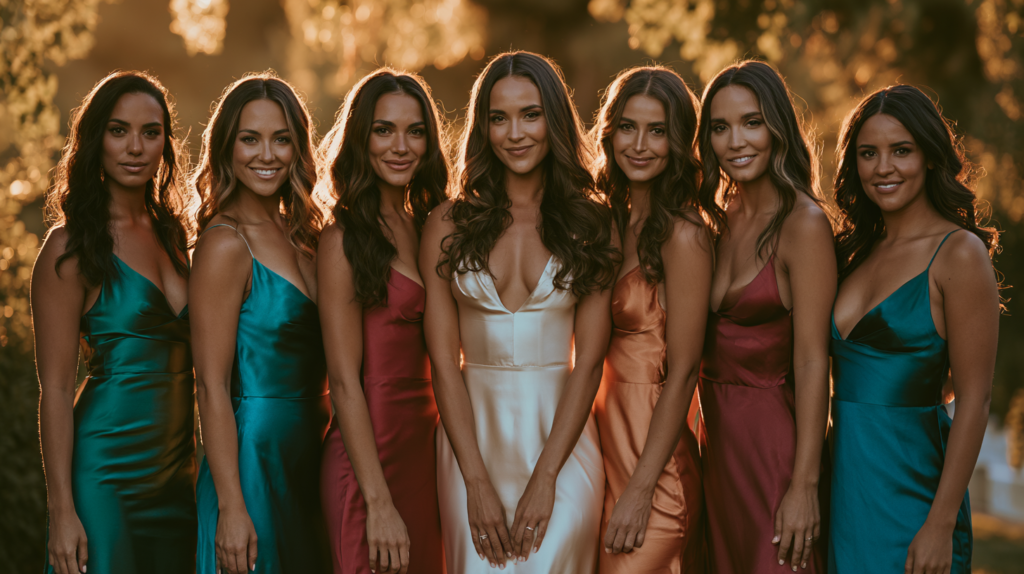
- Select a unified color palette and fabric family (for example, satin in muted jewel tones).
- Allow variation in necklines or silhouettes within defined parameters to flatter different body types.
- Ensure the groom’s attire balances the bridal gown’s formality and style.
Step 7: Prepare for the Wedding Day Logistics
Include practical fashion planning in the wedding-day timeline:
- Assign someone to manage bustle changes and veil removal.
- Pack an emergency kit: sewing supplies, fashion tape, stain remover, spare hosiery, and comfort insoles.
- Confirm who is responsible for steaming and transporting garments.
This structured approach answers the core question of how to implement bridal fashion design in a way that is both creative and controlled.
Measuring Success and Optimizing Your Bridal Fashion Design Strategy
Professional designers, planners, and even meticulous brides benefit from evaluating outcomes. Learning how to measure bridal fashion design success ensures continued refinement and better results over time.
https://www.teepublic.com/t-shirt/50082230-hedgehog?store_id=2851997
Key Metrics and KPIs to Track
While bridal fashion design is creative, several qualitative and quantitative indicators can reveal how effective your approach has been.
1. Fit and Comfort Feedback
- Post-event feedback from the bride about comfort, mobility, and confidence levels throughout the day.
- Notes on any wardrobe malfunctions or last-minute adjustments required.
2. Visual Cohesion in Photography
- Assess gallery images for harmony between gown, environment, decor, and wedding party attire.
- Review whether details such as lace, embroidery, or veiling translated clearly in images.
3. Vendor and Client Satisfaction
- Designers: Track client testimonials, repeat referrals, and portfolio-worthy images.
- Planners and stylists: Evaluate how easily the fashion elements integrated with timeline and logistics.
Forest game
https://rosebud.ai/d/45db46b9-7888-44cf-85ef-0ddf23541055
Car game
https://rosebud.ai/d/515fef87-3b9d-4be0-b25a-d9a00f890ebe
Celestial stack master
https://rosebud.ai/d/c0e6653d-6af7-4156-9c74-ce0bf5f35488
Amazon
Kids learn flowers
Snake game
https://rosebud.ai/d/5611cc86-f049-4c56-b39a-ddf398def3a5
Digital dash dynamo
https://rosebud.ai/d/db0a0a86-4c1c-4878-928a-0b85f70710af
4. Budget Adherence
- Compare planned versus actual spending on gown, accessories, and alterations.
- Identify any areas where last-minute changes inflated costs.
5. Market and Brand Impact (for Professionals)
- Monitor how new designs or styled shoots perform on social media and in publications.
- Track inquiries specifically referencing your bridal fashion work.
These indicators serve as practical bridal fashion design KPIs for both individual projects and long-term brand development.
How to Analyze Results and Improve Over Time
Once you have metrics, systematic review allows you to optimize future bridal fashion design strategies.
Conduct Post-Wedding or Post-Project Reviews
- For brides: Note what worked exceptionally well and what you would change if doing it again.
- For professionals: Hold internal debriefs after major weddings or editorial projects to discuss strengths and challenges.
Refine Your Process and Checklists
- Add new questions to initial consultations (for example, asking about typical movement patterns: dancing style, cultural ceremonies, or terrain).
- Update fitting schedules or add additional checks if previous projects revealed weak points.
Curate and Analyze Visual Case Studies
- Compile before-and-after comparisons of sketches, fittings, and final photographs.
- Identify recurring design decisions that consistently produce strong results, as well as those that create complications.
Leverage Feedback for Continuous Improvement
- Encourage honest reviews from brides and collaborators regarding comfort, practicality, and visual impact.
- Use this feedback to refine fabric choices, train lengths, or accessory recommendations for future clients.
Stay Informed but Selective with Trends
- Monitor emerging bridal trends yet filter them through the lens of timelessness, functionality, and client suitability.
- Document which trends age well in photographs and which look dated quickly; adjust recommendations accordingly.
By treating your approach as an evolving system rather than a one-time decision, you build a resilient, high-performing bridal fashion design strategy that matures with each wedding season.
The Ultimate Guide to Casual Everyday Fashion
Luxury Fashion Design: The Complete Step-by-Step Industry Guide
Avant-Garde Fashion Guide: Key Principles & Brand Strategy
The Ultimate Guide to Futuristic Fashion Design
Conclusion
Bridal fashion design is a sophisticated discipline that extends beyond choosing a beautiful dress. It encompasses silhouette, fabric, craftsmanship, cultural sensitivity, and logistical planning, all choreographed to support a bride’s comfort and expression while elevating the wedding’s visual narrative.
Understanding what bridal fashion design is, recognizing the benefits of a strategic approach, and learning how to implement bridal fashion design step by step transforms the process from stressful to intentional. Whether you are a bride crafting the look of a lifetime or a professional refining your creative services, applying structured best practices and measuring outcomes will ensure each project is more refined, cohesive, and memorable than the last.
By respecting both artistry and strategy, bridal fashion design becomes not only an aesthetic triumph but also a powerful tool for storytelling, brand building, and emotional resonance on one of life’s most significant days.