
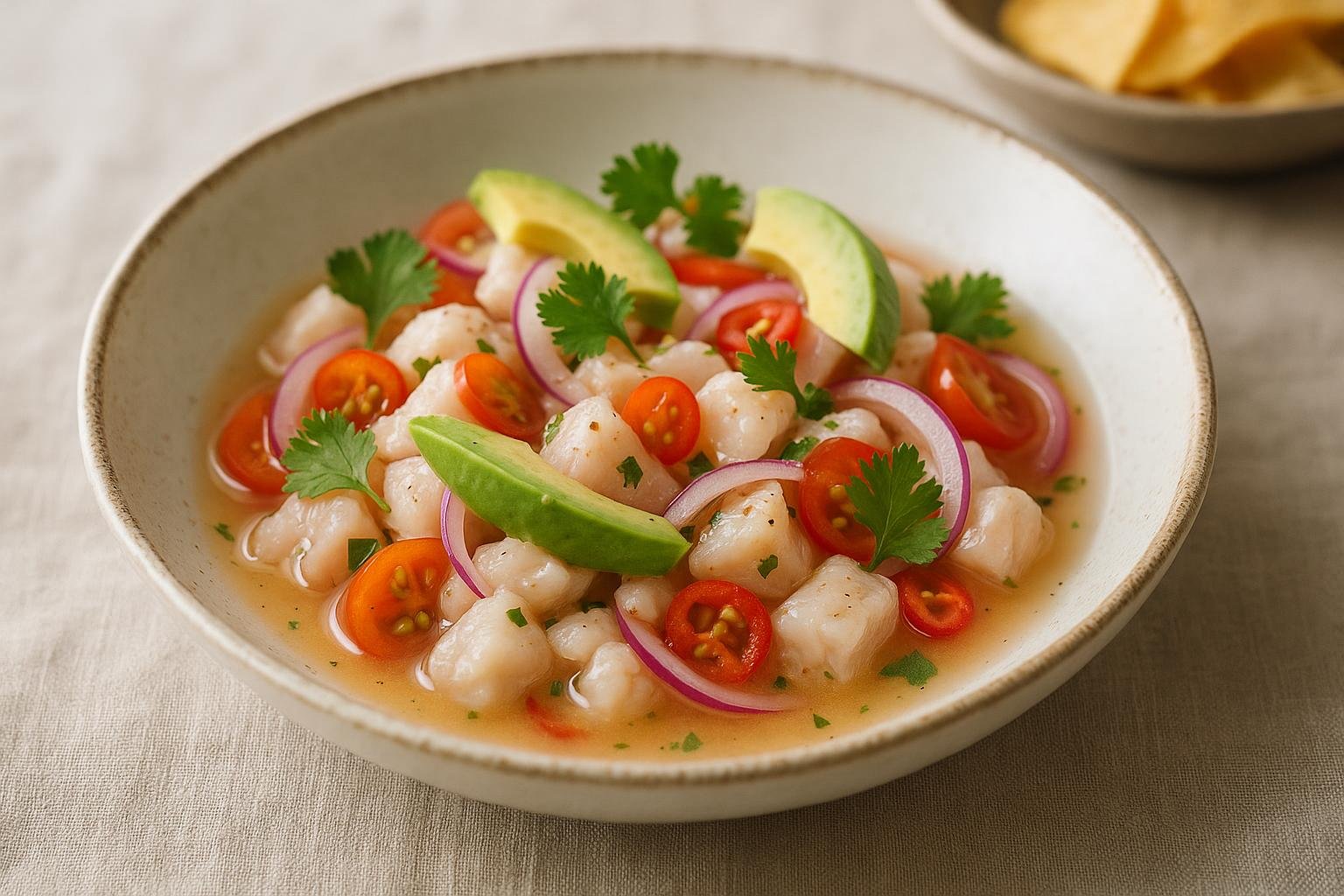
Ceviche is one of those dishes that feels both simple and sophisticated. With just a handful of ingredients—fresh seafood, citrus, herbs, and a few aromatics—it delivers bright, complex flavors and an invigorating freshness. Whether you encountered it on a coastal holiday or in a fine-dining restaurant, ceviche has a way of lingering in memory. This article explores what ceviche is, where it comes from, the many types you can try, how to make it at home, and why it can be a remarkably healthy meal when prepared correctly.
What is Ceviche?
Origins and History of Ceviche
Ceviche is a cold preparation of raw seafood “cooked” in acidic citrus juice, usually lime or lemon. Rather than using heat, the acid in the juice denatures the proteins in the fish, altering its texture and color so that it becomes opaque and firm—much like it would with traditional cooking methods.
The precise origins of ceviche are debated, but most food historians agree that it is deeply rooted in the coastal cultures of the Pacific region of South America, particularly Peru. Pre-Columbian civilizations such as the Moche were preparing a form of marinated fish more than 2,000 years ago, using fermented juices and local fruits instead of limes, which were introduced later by the Spanish.
Over time, the dish evolved as foreign ingredients and techniques arrived. The introduction of citrus fruits, onions, and other vegetables from Europe, together with indigenous chili peppers and herbs, produced something close to what is now known as traditional ceviche. Peru has since claimed ceviche as one of its flagship dishes, and it is recognized as an Intangible Cultural Heritage element in the country, symbolizing its culinary identity.
Traditional Ingredients in Ceviche
At its core, a classic ceviche recipe depends on impeccable freshness and balance. Traditional Peruvian ceviche typically includes:
- Fresh fish: Firm, lean white fish such as corvina, sea bass, halibut, or snapper. The fish must be extremely fresh since it is not heat-cooked.
- Citrus juice: Predominantly lime juice, sometimes blended with a touch of lemon. The acidity is crucial for “cooking” the fish and defining the flavor profile.
- Onion: Thinly sliced red onion adds pungency, crunch, and aromatic complexity.
- Chili peppers: Ají amarillo or ají limo in Peru impart heat and fruitiness without overwhelming the dish.
- Fresh herbs: Cilantro is most common, providing brightness and herbal depth.
- Salt: Essential for seasoning and helping to draw moisture from the fish for optimal texture.
In Peru, ceviche is often served with boiled sweet potato and choclo (large-kernel Andean corn), plus crisp lettuce leaves. This combination contributes sweetness, starch, and textural contrast, underscoring that the choice of ceviche ingredients is as much about harmony as it is about flavor intensity.
Variations of Ceviche Around the World
Popular Types of Ceviche
Although Peru is widely regarded as ceviche’s cradle, many Latin American countries and coastal regions have embraced and reinterpreted the dish. Some of the best ceviche variations include:
- Peruvian classic ceviche: Fish, lime, red onion, hot peppers, cilantro, and a short marinating time. Often served with sweet potato, choclo, and cancha (toasted corn).
- Ceviche mixto: A combination of fish and seafood such as shrimp, squid, scallops, and octopus, usually dressed similarly to the classic but with varied textures.
- Shrimp ceviche (Ecuadorian style): Typically uses poached shrimp that are then cooled and marinated in citrus with tomato, onion, cilantro, and sometimes ketchup or orange juice for sweetness.
- Mexican ceviche: Often relies on shrimp or fish with lime juice, tomato, onion, cilantro, and jalapeño or serrano chili. It is frequently served with tostadas or tortilla chips and may include avocado and cucumber.
- Ceviche de camarón (Central America): Common in countries like Costa Rica and Nicaragua, featuring shrimp marinated with lime, onion, and cilantro, sometimes with Worcestershire sauce or hot sauce.
- Tiger’s milk (Leche de tigre): A Peruvian offshoot, this is the citrusy, seasoned marinade from ceviche, often consumed as a drink or used as a base for other preparations.
These types of ceviche demonstrate the versatility of the dish, allowing for modifications in seafood, seasonings, and accompaniments while maintaining the essential element of acidic marination.
Regional Differences and Unique Twists
Each region has adapted ceviche to local tastes and available ingredients, resulting in distinctive signatures.
- Peru: Short marinating times (often 10–15 minutes) are preferred to maintain a firm texture and “just-cured” character. Ají peppers and sweet potato garnishes are key. The marinade is intense, milky, and highly seasoned.
- Ecuador: Ceviche is often juicier, almost soup-like. Shrimp, conch, or fish may be lightly cooked first, and tomato-based marinades are common.
- Mexico: Tomatoes, cucumber, and sometimes clam juice or tomato juice are introduced. The dish can resemble a seafood cocktail and is frequently served on crispy tortillas.
- Chile: Uses locally available fish with pisco or white wine occasionally added to the citrus. Red chili flakes or local peppers contribute heat.
- Pacific and Asian influences: In places like California or Southeast Asia, chefs incorporate ingredients such as coconut milk, ginger, lemongrass, or soy sauce, merging ceviche with elements of poke or sashimi.
These regional differences reveal how a simple concept—acid-marinated seafood—can adapt to countless culinary traditions while remaining instantly recognizable as ceviche.
How to Make the Perfect Ceviche at Home
Step-by-Step Ceviche Recipe
Preparing ceviche at home is straightforward, but attention to detail and food safety is essential. The following method outlines how to make ceviche in a classic Peruvian style, which you can then adjust to your preferences.
Ingredients (4 servings):
- 500 g (about 1 lb) fresh, firm white fish (e.g., sea bass, snapper, halibut), skin and bones removed
- 8–10 limes (enough to yield about 240 ml / 1 cup of fresh juice)
- 1 small red onion, very thinly sliced
- 1–2 fresh chili peppers (ají limo, jalapeño, or serrano), finely minced, seeds removed for milder heat
- 1 small handful fresh cilantro, roughly chopped
- Salt to taste (start with 1–1½ teaspoons)
- Optional: 1 clove garlic, lightly crushed; a small piece of fresh ginger for subtle warmth
- Optional garnishes: cooked sweet potato slices, boiled corn, lettuce leaves, avocado
Method:
- 1. Choose and prepare the fish. Buy sashimi-grade or the freshest possible fish from a reputable supplier. Rinse briefly under cold water and pat dry with paper towels. Cut into uniform cubes of about 1.5–2 cm (½–¾ inch). Consistent sizing ensures even “cooking.”
- 2. Chill all components. Place the fish, sliced onion, and serving bowl in the refrigerator for at least 20–30 minutes. Ceviche must be prepared and served cold to maintain texture and safety.
- 3. Prepare the citrus juice. Squeeze the limes just before use. Avoid extracting too much of the bitter white pith. Strain the juice to remove pulp and seeds.
- 4. Season the base. In a cold mixing bowl, combine the fish, minced chili, a pinch of salt, and (if using) the crushed garlic and ginger. Toss gently.
- 5. Add the lime juice. Pour enough lime juice over the fish to fully submerge it. Stir gently to coat all pieces evenly.
- 6. Marinate briefly. Allow the fish to marinate in the refrigerator for 10–20 minutes, depending on cube size and your preferred doneness. The fish will turn from translucent to opaque as the acid acts on the proteins.
- 7. Add onion and cilantro. Stir in the chilled red onion slices and chopped cilantro. Taste and adjust salt if needed.
- 8. Serve immediately. Spoon into chilled bowls or plates and garnish with slices of sweet potato, corn kernels, lettuce, or avocado. Serve at once while the fish is still firm and bright.
This straightforward ceviche recipe can be adapted with shrimp, scallops, or a mixture of seafood. For shellfish, many home cooks prefer to briefly blanch or poach them before marinating, both for texture and extra safety.
Tips and Tricks for Fresh and Flavorful Ceviche
A few practical ceviche cooking tips will significantly improve the quality and safety of your results:
- Prioritize freshness. Use the freshest seafood you can find. Ask your fishmonger when the fish arrived and mention that you intend to consume it in a raw or lightly cured preparation.
- Keep everything cold. Temperature control is crucial. Work quickly, chill bowls and utensils, and refrigerate between steps to minimize any bacterial growth.
- Do not overmarinate. Extended marinating times can make the fish tough and chalky. For small cubes, 10–20 minutes is usually sufficient. Seafood like shrimp may require up to 30 minutes, but not several hours.
- Balance acidity and seasoning. Too much lime can dominate the dish, while insufficient acid will not “cook” the fish properly. Adjust slowly and taste frequently. Salt should be present but not overwhelming.
- Cut uniformly. Consistent cube size ensures even curing and a pleasant mouthfeel. Irregular pieces can end up partly overcured and partly raw.
- Use high-quality citrus. Fresh limes or lemons with good aroma and juiciness are essential. Bottled juice tends to be flat and can impart off flavors.
- Consider pre-salting the onion. If your onion is very pungent, rinse the slices in cold water and sprinkle lightly with salt for a few minutes, then rinse again. This softens the bite without losing crunch.
- Serve promptly. Ceviche does not improve with long storage. Prepare close to serving time and consume within a few hours.
Following these guidelines will help you consistently produce a ceviche that is fresh, safe, and deeply flavorful.
Health Benefits of Ceviche
Nutritional Value of Ceviche Ingredients
When made with care, ceviche can be a nutrient-dense dish. Its nutritional value derives largely from lean seafood, citrus fruits, and fresh vegetables and herbs.
- Fish and seafood: Excellent sources of high-quality protein, B vitamins, selenium, and iodine. Many fish used in ceviche—such as sea bass or snapper—contain beneficial omega-3 fatty acids, supportive of heart and brain health.
- Citrus juice: Rich in vitamin C and various antioxidants, citrus helps support immune function and provides a bright, low-calorie base for the marinade.
- Onions and chilies: Provide fiber, vitamin C, and phytochemicals such as quercetin and capsaicin, which have been studied for anti-inflammatory and metabolic benefits.
- Cilantro and herbs: Add small but meaningful amounts of vitamins A, C, and K, along with antioxidant compounds and fresh, herbal aromas.
- Accompaniments: Sweet potatoes and corn add complex carbohydrates, fiber, and micronutrients such as beta-carotene and magnesium.
Because ceviche is not cooked in oil and is typically low in saturated fat, it can align well with balanced, health-conscious eating patterns.
Ceviche as a Healthy Meal Option
Ceviche can be an excellent choice for those seeking light yet satisfying meals, provided it is prepared and consumed safely.
From a macronutrient perspective, ceviche is high in protein and relatively low in calories and fat. This makes it suitable for individuals interested in weight management or muscle maintenance. The absence of heavy sauces and frying keeps the calorie count modest while still delivering substantial flavor and satiety.
In terms of cardiovascular health, regularly including fish rich in omega-3 fatty acids has been associated with reduced risk of heart disease. While ceviche’s exact omega-3 content depends on the fish used, many traditional ceviche ingredients contribute to heart-friendly dietary patterns.
However, there are important considerations:
- Food safety: Acid does not eliminate all pathogens or parasites as effectively as heat. People with compromised immune systems, pregnant individuals, young children, and the elderly should be cautious or avoid raw or undercooked seafood.
- Source of seafood: Choose responsibly sourced fish to minimize exposure to contaminants such as mercury. Smaller, wild-caught fish often have lower contaminant levels.
- Sodium levels: While ceviche is not inherently high in sodium, generous salting and certain condiments can increase it. Those monitoring salt intake should season judiciously.
When these factors are taken into account, ceviche can be a vibrant, nutrient-rich addition to a diverse and balanced diet, offering both sensory pleasure and notable health benefits.
Conclusion
Ceviche stands at the intersection of history, geography, and culinary technique. From its ancient roots along the Pacific coast of South America to the many types of ceviche served across Latin America and beyond, it has evolved into a dish that is both deeply traditional and endlessly adaptable.
Understanding its origins, choosing impeccable ceviche ingredients, and following sound practices at home allows you to create restaurant-quality results in your own kitchen. With its bright flavors, elegant simplicity, and impressive nutritional profile, ceviche is far more than a passing fad—it is a refined, enduring expression of coastal cuisine that continues to inspire chefs and home cooks around the world.
Discover More from Didier Lancelot
Amazon Author page: amazon.com/author/didierlancelot
Narmer Store: narmerstore.org
AI and Technology Ebooks
- Creative AI: Animated Drawings, Manga & Illustrations
- Build a Game with AI: The No-Code Guide
- AI Image Generation Made Easy
- Build a Website with AI: The No-Code Guide
- How to Connect AI to Your Blog: The Ultimate Automation Guide
- AI Productivity Habits: Get More Done in Less Time
- AI Avatars Made Easy
- The Book of AI Prompts: 100+ Proven Prompts
- Make Music with AI: Suno, Udio and AI Music Generators
- Click to Cash
- The Automated Edge: Outwork, Outpace, and Outperform with AI
- AI Side Hustle: How to Make Money with ChatGPT and AI Tools
- Work Smarter with AI
Health, Lifestyle and Home Ebooks
- Hidden Superfoods: The World’s Most Powerful Healing Foods
- Spanish Food: The Complete Cookbook for Authentic Home Cooking
- The Science of Happiness Explained
- The Psychology of Success
- The Secret Sauce of Consistency: What the Experts Don’t Tell You About Fitness
- The Complete Home Bartender’s Guide: Link 1 | Link 2
- Natural Beauty, Made Simple: Easy DIY Organic Skincare Recipes
- Garden Made Simple: Easy, Beginner-Friendly Techniques
- The Dog Training Bible