
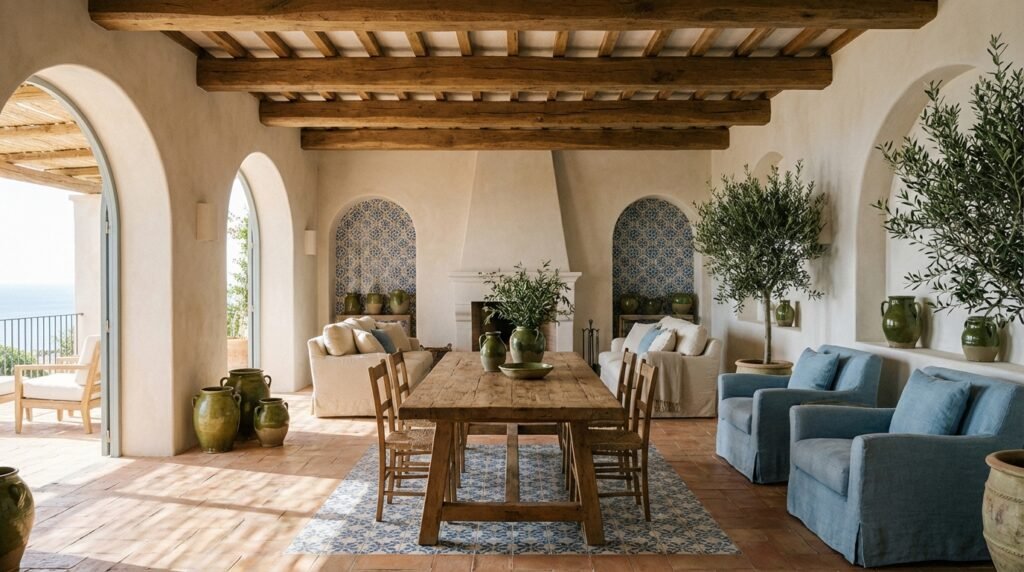
Classic interior design endures because it is built on proportion, restraint, and thoughtful detailing rather than fleeting trends. A timeless home does not feel frozen in the past; it feels composed, coherent, and quietly confident. By focusing on enduring principles—balanced layouts, refined materials, and well-chosen furnishings—you can create rooms that age beautifully and remain adaptable as your needs evolve.
Timeless Principles of Classic Interior Design
What Defines Classic Interior Design Style
Classic interior design is rooted in tradition, drawing from European and early American influences while prioritizing harmony and livability. It is recognizable for its symmetrical arrangements, elegant lines, and a sense of measured formality that never feels overstated. Rather than relying on novelty, this evergreen interior style is defined by continuity—rooms relate to one another through consistent finishes, recurring shapes, and a disciplined palette.
Classic spaces also embrace a hierarchy of elements. Architectural features lead, furniture supports, and accessories refine. The result is a layered environment where each choice has a purpose, and nothing competes for attention. This approach is the opposite of disposable decorating; it is long-term thinking made visible.
Key Elements That Make a Room Feel Timeless
Timelessness is not a single look; it is the outcome of a few reliable decisions. First, prioritize proportion. Furniture should fit the room’s scale, and circulation should feel effortless. Second, aim for visual balance. Symmetry—matching lamps, paired chairs, aligned artwork—creates calm without requiring excessive ornament.
Third, favor craftsmanship. Pieces with solid construction and refined detailing retain their presence even as fabrics and accents change. Finally, build in negative space. A classic room is not crowded; it allows architectural lines and materials to be appreciated. These timeless interior design ideas keep a space relevant because they are grounded in fundamentals rather than fashion.
Essential Classic Interior Design Ideas for Every Room
Classic Color Palettes That Never Go Out of Style
Color is the quiet framework that holds traditional rooms together. The most enduring schemes rely on neutrals with nuanced undertones—ivory, warm beige, soft greige, stone, and crisp white—then introduce depth through layered mid-tones and restrained contrast. These timeless color palettes suit a wide range of architectural styles and provide flexibility for seasonal updates.
For a richer interpretation, incorporate heritage hues in measured amounts: navy, forest green, oxblood, and muted charcoal. Used on built-ins, a library wall, or a dining room ceiling, deeper colors add gravitas without overwhelming the space. The key is to keep saturation controlled and coordinate undertones across paint, upholstery, and wood finishes so the room reads as intentional rather than assembled.
https://www.teepublic.com/t-shirt/52374105-duck?store_id=2851997
Evergreen Furniture Styles and Layout Tips
Classic furniture styles are recognizable for their clear silhouettes and balanced detailing. Think rolled-arm sofas, tailored English arms, wingback chairs, camelback settees, and pedestal dining tables. These pieces remain relevant because they are neither aggressively modern nor overly ornate; they can read formal or relaxed depending on fabric, finish, and styling.
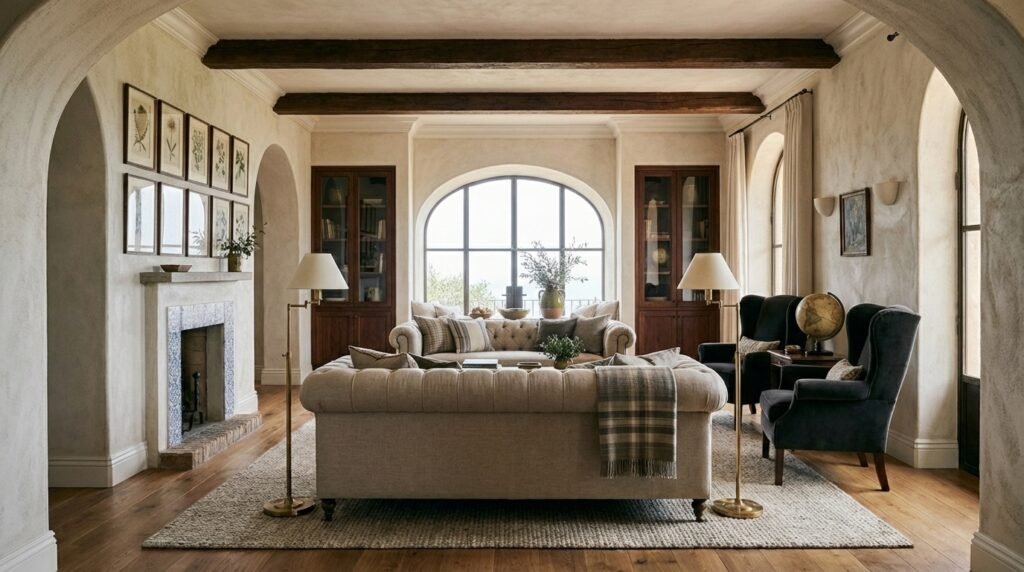
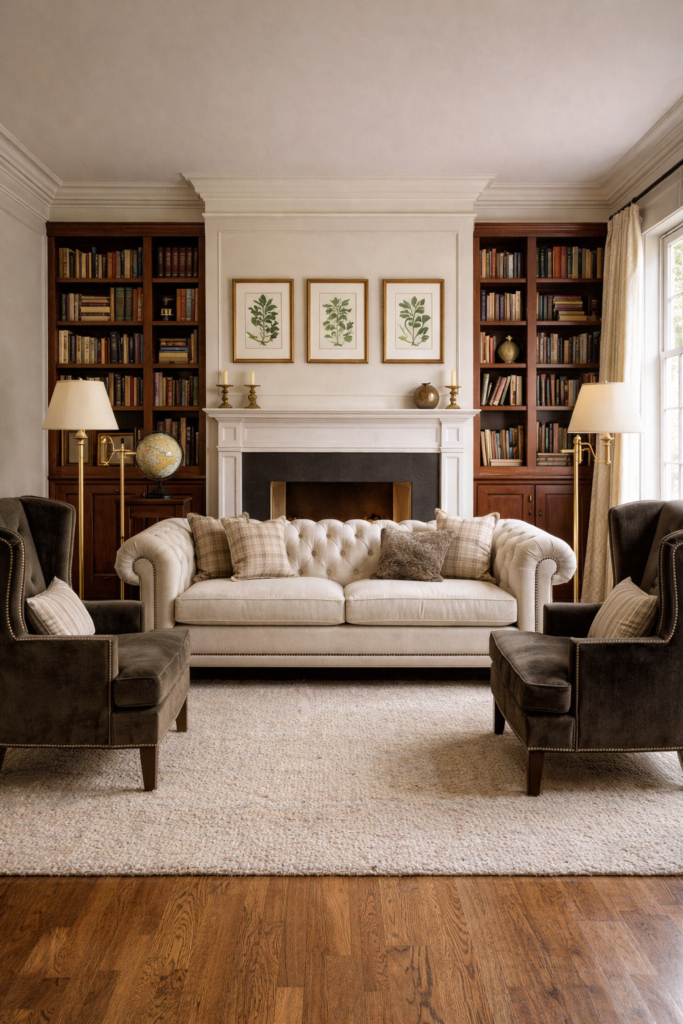
In layout, start with a strong focal point—fireplace, window wall, or a well-proportioned media center—and arrange seating to encourage conversation. In a classic living room design, a pair of chairs opposite a sofa often creates the most timeless structure. Anchor the arrangement with a rug large enough for front legs of all major seating to rest on it; undersized rugs are one of the fastest ways to make a room feel temporary.
Maintain clear pathways and consider symmetry where it suits the architecture. Matching side tables and lamps bring order, while a single statement piece—an antique chest, a sculptural mirror, or a refined cocktail table—adds personality without disrupting the overall calm.
Materials, Textures, and Details That Create a Lasting Look
Traditional Materials and Finishes That Age Beautifully
The most convincing traditional home decor relies on honest materials that improve with use. Natural wood, stone, leather, and metals with patina are the foundation of a lasting interior. Choose floors and casegoods in oak, walnut, or mahogany tones that feel credible for the home’s era, and avoid overly trendy stains that can date quickly.
For upholstery and window treatments, favor textiles with history: linen, cotton, wool, velvet, and performance blends that mimic natural texture. Small-scale patterns—stripes, checks, subtle florals, and classic damasks—provide visual interest without dominating. When selecting traditional materials and finishes, aim for a balance of matte and sheen: brushed brass, unlacquered brass, polished nickel, and oil-rubbed bronze each create a distinct mood, but all read timeless when repeated consistently throughout the home.
Architectural Details, Molding, and Trim for a Classic Feel
Nothing signals permanence like architecture. Crown molding, paneling, wainscoting, ceiling medallions, and well-proportioned baseboards give rooms structure and definition. The goal is not excess decoration; it is appropriate scale. A modest room benefits from simplified profiles, while taller ceilings can support more substantial trim.
Consider adding picture-frame molding in a dining room, a board-and-batten treatment in a hallway, or built-in cabinetry with inset doors for a library-like effect. These enhancements create a sense of craftsmanship and continuity, making even new construction feel established. Classic interiors also benefit from strong door and window casings, which visually “finish” the openings and elevate the entire envelope of the room.
How to Update Classic Interiors Without Losing Their Charm
Blending Classic Design With Modern Comfort and Technology
To blend classic and modern decor successfully, keep the architectural and foundational elements traditional, then integrate contemporary comfort discreetly. Choose sofas with classic lines but updated seat depth, supportive cushions, and durable performance fabrics. Opt for layered lighting—sconces, table lamps, and recessed fixtures on dimmers—so rooms shift from bright and functional to intimate and atmospheric.
Technology should recede rather than dominate. Hide routers and cables within cabinetry, select low-profile speakers, and consider a frame-style television or a dedicated media cabinet that aligns with the room’s millwork. Smart controls for lighting, climate, and shades can coexist with traditional design when the hardware remains understated and the interfaces are kept out of sight.
Styling Tips and Decor Ideas to Keep Your Space Timeless
Styling is where classic rooms become personal. Begin with a disciplined edit: fewer objects, better chosen. Use accessories to introduce narrative—heirloom pieces, original art, or travel finds—while maintaining a coherent palette. When arranging surfaces, vary height and texture: a ceramic lamp, a stack of hardcovers, and a small bronze object can feel rich without clutter.
Window treatments should appear intentional and substantial. Drapery panels that kiss the floor, lined roman shades, and simple hardware in a consistent finish read more enduring than overly decorative solutions. For walls, select artwork with presence—properly sized pieces in classic frames—and hang them at a consistent viewing height for a gallery-like rhythm.
Finally, refresh through reversible layers: pillows, throws, lampshades, and seasonal greenery. These light-touch updates preserve the underlying classic structure while allowing the home to evolve. The result is an interior that feels collected, not styled for a single moment.
Conclusion
Timeless design is less about strict rules and more about enduring judgment. By emphasizing proportion, refined classic furniture styles, and timeless color palettes, and by investing in traditional materials and finishes that develop character over time, you create rooms that remain relevant year after year. Whether you are refining a classic living room design or shaping an entire home, the most successful classic interiors are those that balance tradition with comfort—an evergreen interior style that feels elegant, functional, and unmistakably lasting.
Crystal Collector
Combat Protocol
WASD – Move
Mouse – Look around
Left Click – Fire Weapon
R – Reload
Eliminate all hostile units in the sector!
(Works better on computer)