
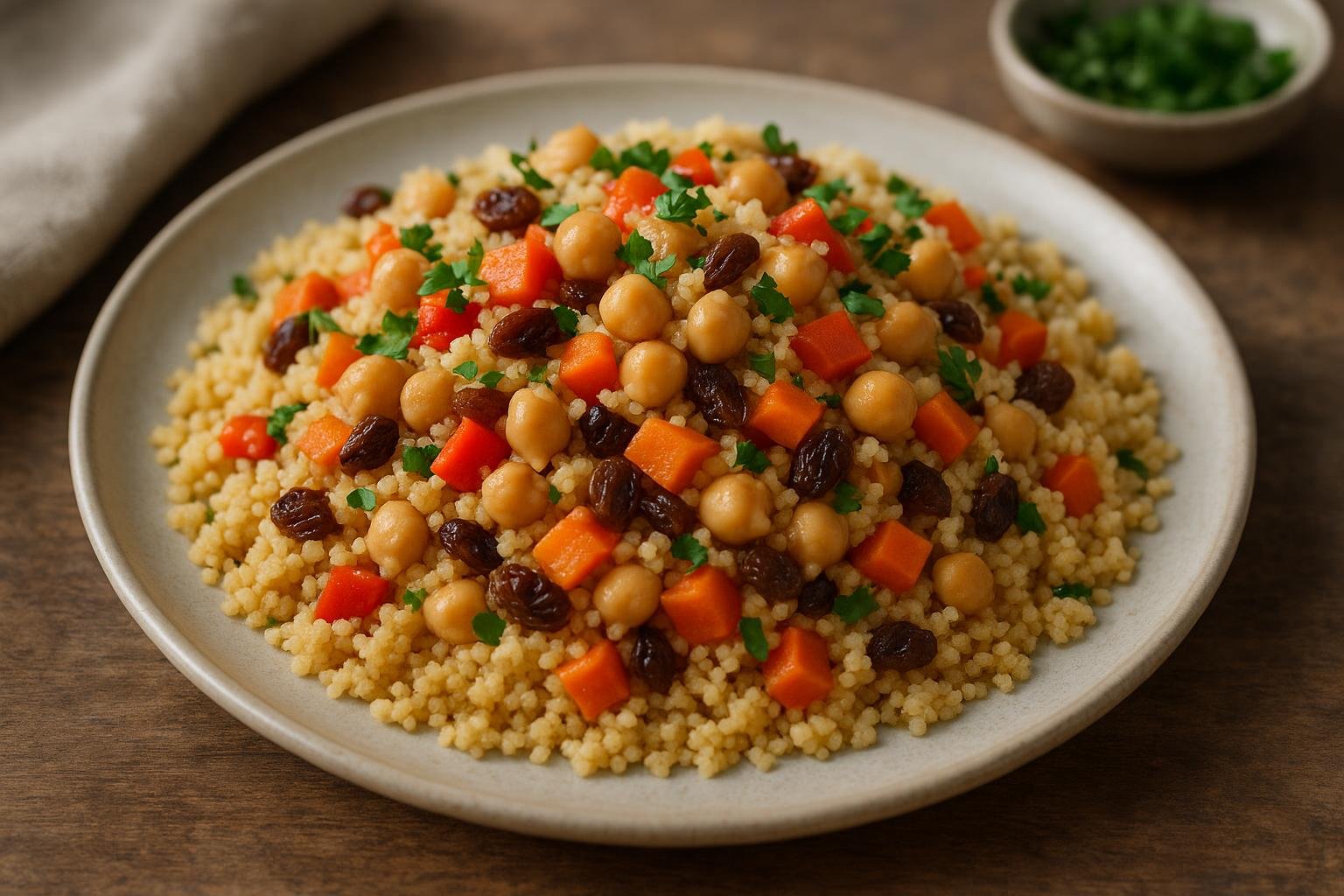
Couscous is one of those rare ingredients that is at once humble and sophisticated. It can be on the table in minutes, yet carries centuries of culinary tradition and cultural meaning. Versatile, nutritious, and remarkably adaptable, it fits effortlessly into everyday cooking as well as festive menus. Whether you are new to couscous or looking to expand your repertoire, understanding its origins, health benefits, and cooking techniques will open up an entire world of possibilities in your kitchen.
What is Couscous?
Origin and History of Couscous
Couscous originated in the Maghreb region of North Africa, particularly in what is now Morocco, Algeria, and Tunisia. Archaeological and historical evidence suggests that couscous has been prepared there for at least 700 to 1,000 years, likely longer. It developed as a practical solution for preserving and transforming durum wheat semolina into a form that cooks quickly and stores well in hot, dry climates.
Traditionally, couscous was made by hand: semolina grains were moistened, rolled into tiny spheres, then dusted with flour and sieved repeatedly until they reached the desired size. Families and communities often gathered for this labor-intensive process, making couscous production a social and cultural activity as much as a culinary one. Over time, couscous became central to celebratory meals, religious holidays, and communal feasts, symbolizing hospitality and abundance.
As trade and migration spread North African culture across the Mediterranean and beyond, couscous traveled with it. Today, it is embraced in cuisines across Europe, the Middle East, and increasingly in the Americas, valued for its ease of preparation and its ability to absorb and complement a wide array of flavors.
Varieties of Couscous
Although often treated as a single product, couscous actually encompasses several distinct varieties, each with its own texture and culinary uses.
- Moroccan couscous: The smallest and most common type, with fine granules that cook very quickly. It is light, fluffy, and ideal as a base for stews, tagines, and salads.
- Israeli (pearl) couscous: Larger, round granules that resemble small pearls. Made from toasted wheat flour, it has a pleasantly chewy texture and is excellent in warm salads, pilafs, or as a side dish similar to small pasta.
- Lebanese (moghrabieh) couscous: Even larger than Israeli couscous, often closer in size to small chickpeas. These grains are typically simmered for longer and feature prominently in hearty stews and slow-cooked dishes.
- Whole-wheat couscous: Available in fine and larger forms, this variety is made from whole-grain durum wheat, offering higher fiber and more micronutrients than its refined counterpart while maintaining a pleasant bite.
- Alternative grain “couscous”: Some products labeled as couscous are made from other grains such as barley, spelt, or corn to diversify textures and accommodate dietary preferences. While not traditional, they can be used similarly in many couscous recipes.
Exploring different varieties of couscous allows you to tailor both texture and nutritional value, enhancing everything from quick weeknight dinners to more elaborate creative couscous dishes.
Health Benefits of Couscous
Nutritional Profile of Couscous
Couscous is primarily made from durum wheat semolina, which gives it a nutritional profile similar to other wheat-based staples, yet its small granules and preparation methods offer particular advantages. A typical serving of plain cooked couscous provides complex carbohydrates, a moderate amount of protein, minimal fat, and some essential vitamins and minerals.
Key couscous nutritional benefits include:
- Complex carbohydrates: Couscous is a source of slowly digested carbohydrates, providing steady energy, particularly when combined with vegetables, legumes, or lean proteins.
- Plant-based protein: Although not a complete protein on its own, couscous contributes several grams of protein per serving. Paired with legumes or dairy, it can help form a more complete amino acid profile.
- Fiber (especially in whole-wheat couscous): Whole-grain varieties supply more dietary fiber than refined ones, supporting digestive health and promoting satiety.
- B vitamins: Couscous contains B vitamins such as thiamin and niacin, which are important for energy metabolism and nervous system function.
- Minerals: It contributes small amounts of selenium, magnesium, and iron. Selenium, in particular, plays an antioxidant role and supports immune function.
On its own, couscous is relatively low in fat and sugar. The overall couscous health benefits, however, depend significantly on how it is prepared and what accompanies it. When combined with vegetables, herbs, olive oil, and lean proteins, it can form a highly nutritious, balanced meal.
Couscous in a Balanced Diet
Incorporated thoughtfully, couscous fits comfortably into a balanced diet. Its neutral flavor and adaptable texture make it an excellent canvas for nutrient-dense additions. To maximize healthy couscous meals, it is helpful to consider proportion, accompaniments, and preparation techniques.
First, treat couscous as one component of the plate rather than the sole focus. Pair it generously with colorful vegetables—roasted, steamed, or raw—to enhance vitamin, mineral, and antioxidant content. Adding legumes such as chickpeas or lentils, or lean animal proteins like fish, poultry, or yogurt-based sauces, can boost the overall protein profile and help maintain satiety.
Second, consider choosing whole-wheat couscous or mixed-grain versions when possible. The higher fiber content can support stable blood sugar levels and digestive health. For those monitoring their carbohydrate intake, moderate portions combined with ample non-starchy vegetables and healthy fats can make couscous a more suitable option.
Finally, be mindful of added fats and sodium. While olive oil, nuts, and seeds provide beneficial fats, using them judiciously helps maintain a balanced calorie intake. Opt for herbs, spices, citrus, and aromatics such as garlic or onion to develop flavor without heavy reliance on salt or rich sauces. In this way, couscous integrates seamlessly into Mediterranean-style, plant-forward eating patterns that emphasize variety and long-term health.
How to Cook Couscous Perfectly
Traditional Couscous Cooking Methods
Traditional couscous preparation is both an art and a ritual. In North African kitchens, cooks use a special two-part vessel known as a couscoussier: a pot on the bottom for simmering a fragrant stew, and a perforated steamer on top that holds the couscous grains.
The process typically begins by lightly moistening the dry couscous with salted water or broth, then gently rubbing the grains between the hands to separate them and prevent clumping. The couscous is then placed in the steamer basket over the simmering stew, allowing it to absorb aromatic steam—often scented with spices like cumin, saffron, and coriander—rather than being boiled directly in water.
After a first steaming, the couscous is removed, fluffed by hand or with a fork, and sometimes sprinkled again with a little water or oil before returning to the steamer for a second (and sometimes third) round. This multi-step technique produces exceptionally light, individual grains with a depth of flavor drawn from the stew beneath. The result is what many consider true traditional couscous: fragrant, airy, and perfectly integrated with the accompanying broth, vegetables, and meat.
While this method takes more time than modern approaches, it rewards patience with unmatched texture and flavor. Home cooks who enjoy culinary projects may find it a worthwhile weekend endeavor, especially for gatherings or festive occasions.
Quick and Easy Couscous Recipes
In everyday cooking, most people rely on quick couscous cooking methods that still yield satisfying results. Instant or pre-steamed couscous, widely available in supermarkets, significantly simplifies the process.
The basic method to cook couscous is as follows:
- Measure equal parts dry couscous and hot liquid (water or broth), or slightly more liquid depending on package instructions.
- Bring the liquid to a boil with a pinch of salt and, if desired, a drizzle of olive oil or a small knob of butter.
- Remove from heat, stir in the couscous, cover tightly, and let it stand for about 5 minutes.
- Fluff thoroughly with a fork to separate the grains.
This simple technique serves as the foundation for countless quick and easy couscous recipes. A few straightforward ideas include:
- Lemon-herb couscous: Fold chopped parsley, mint, grated lemon zest, and a squeeze of juice into warm couscous. Serve alongside grilled fish or chicken.
- Vegetable-studded couscous: Combine cooked couscous with roasted vegetables such as bell peppers, zucchini, and red onions, then finish with a drizzle of olive oil and a sprinkle of toasted nuts.
- Spiced couscous side dish: Sauté onions and garlic with cumin, paprika, and a pinch of cinnamon, then add cooked couscous and toss until well coated in the aromatic mixture.
These methods offer a starting point for efficient, flavorful meals. They also lend themselves to adaptation based on the vegetables, herbs, and proteins you have on hand, making it easy to assemble nourishing dishes with minimal effort.
Creative Couscous Recipes for Every Meal
Savory Couscous Dishes
Couscous is remarkably versatile, thriving in both simple and creative savory preparations. Its mild flavor and light texture make it an ideal base for inventive combinations that suit breakfast, lunch, or dinner.
For an energizing start to the day, consider a savory breakfast bowl made with warm whole-wheat couscous, sautéed spinach or kale, roasted cherry tomatoes, and a soft-boiled or poached egg. A sprinkle of feta or a spoonful of yogurt, plus herbs like chives or dill, turns it into a balanced morning meal rich in protein and fiber.
At midday, couscous shines in robust salads. Mix cooled couscous with chopped cucumbers, tomatoes, red onions, olives, and fresh herbs, then dress with olive oil and lemon juice for a Mediterranean-inspired dish. Add grilled halloumi, chickpeas, or shredded chicken to enhance satiety. These salads travel well, making them ideal for packed lunches or picnics.
For dinner, couscous can anchor more elaborate creative couscous dishes. Try serving it beneath slow-cooked lamb or vegetable tagines, where the grains absorb complex, spiced sauces. Alternatively, transform it into a baked casserole by combining cooked couscous with roasted eggplant, tomato sauce, and a topping of grated cheese or breadcrumbs, then baking until golden.
Stuffed vegetables are another elegant way to feature couscous. Fill bell peppers, tomatoes, or zucchini with a mixture of couscous, sautéed onions, garlic, herbs, and chopped nuts, then bake until tender. The result is a visually appealing main course that is both comforting and refined.
Sweet Couscous Innovations
Although less widely known, sweet applications highlight a different side of couscous and can be just as compelling as savory dishes. Couscous adapts readily to dessert-style preparations and can even stand in for traditional grains in certain puddings and breakfast bowls.
For a nourishing morning option, cook couscous in milk or a plant-based alternative with a touch of honey or maple syrup, then top with fresh or dried fruits, toasted nuts, and a sprinkle of cinnamon. This creates a warm, comforting bowl akin to porridge but with a lighter texture and distinct character.
In many North African traditions, couscous is paired with sweet and savory elements in celebratory dishes. You can draw inspiration from these customs by layering steamed couscous with caramelized onions, raisins or dates, and a dusting of powdered sugar and cinnamon, then serving it alongside roasted meats or as a standalone centerpiece for festive meals.
For dessert, consider transforming couscous into a chilled pudding. Combine cooked couscous with lightly sweetened yogurt or cream, orange blossom or rose water, and finely chopped pistachios or almonds. Allow it to rest in the refrigerator so the flavors meld, then garnish with citrus segments or pomegranate seeds before serving. This simple preparation yields an elegant finale with subtle floral notes and pleasing textural contrast.
Even baked goods can benefit from couscous. Fold cooked, cooled couscous into muffin or cake batters for added body and visual interest, or use it to create a crisp, slightly crunchy layer in fruit crumbles. Such sweet couscous innovations showcase the ingredient’s flexibility and invite experimentation beyond its usual culinary roles.
From its ancient roots in North Africa to its modern place on tables around the world, couscous continues to evolve while retaining its essential character: quick to prepare, inherently adaptable, and deeply satisfying. Understanding the varieties of couscous, appreciating its nutritional strengths, and mastering both traditional and streamlined cooking methods allows you to integrate it confidently into everyday meals and special occasions alike.
Whether you favor rustic stews, vibrant salads, comforting breakfast bowls, or inventive desserts, couscous offers a reliable foundation for creative cooking. By pairing it with abundant vegetables, high-quality proteins, and aromatic seasonings, you can craft dishes that are not only flavorful but also supportive of long-term health. In this sense, couscous is more than a side dish; it is a versatile ally in building a diverse, balanced, and inspiring way of eating.
Discover More from Didier Lancelot
Amazon Author page: amazon.com/author/didierlancelot
Narmer Store: narmerstore.org
AI and Technology Ebooks
- Creative AI: Animated Drawings, Manga & Illustrations
- Build a Game with AI: The No-Code Guide
- AI Image Generation Made Easy
- Build a Website with AI: The No-Code Guide
- How to Connect AI to Your Blog: The Ultimate Automation Guide
- AI Productivity Habits: Get More Done in Less Time
- AI Avatars Made Easy
- The Book of AI Prompts: 100+ Proven Prompts
- Make Music with AI: Suno, Udio and AI Music Generators
- Click to Cash
- The Automated Edge: Outwork, Outpace, and Outperform with AI
- AI Side Hustle: How to Make Money with ChatGPT and AI Tools
- Work Smarter with AI
Health, Lifestyle and Home Ebooks
- Hidden Superfoods: The World’s Most Powerful Healing Foods
- Spanish Food: The Complete Cookbook for Authentic Home Cooking
- The Science of Happiness Explained
- The Psychology of Success
- The Secret Sauce of Consistency: What the Experts Don’t Tell You About Fitness
- The Complete Home Bartender’s Guide: Link 1 | Link 2
- Natural Beauty, Made Simple: Easy DIY Organic Skincare Recipes
- Garden Made Simple: Easy, Beginner-Friendly Techniques
- The Dog Training Bible