
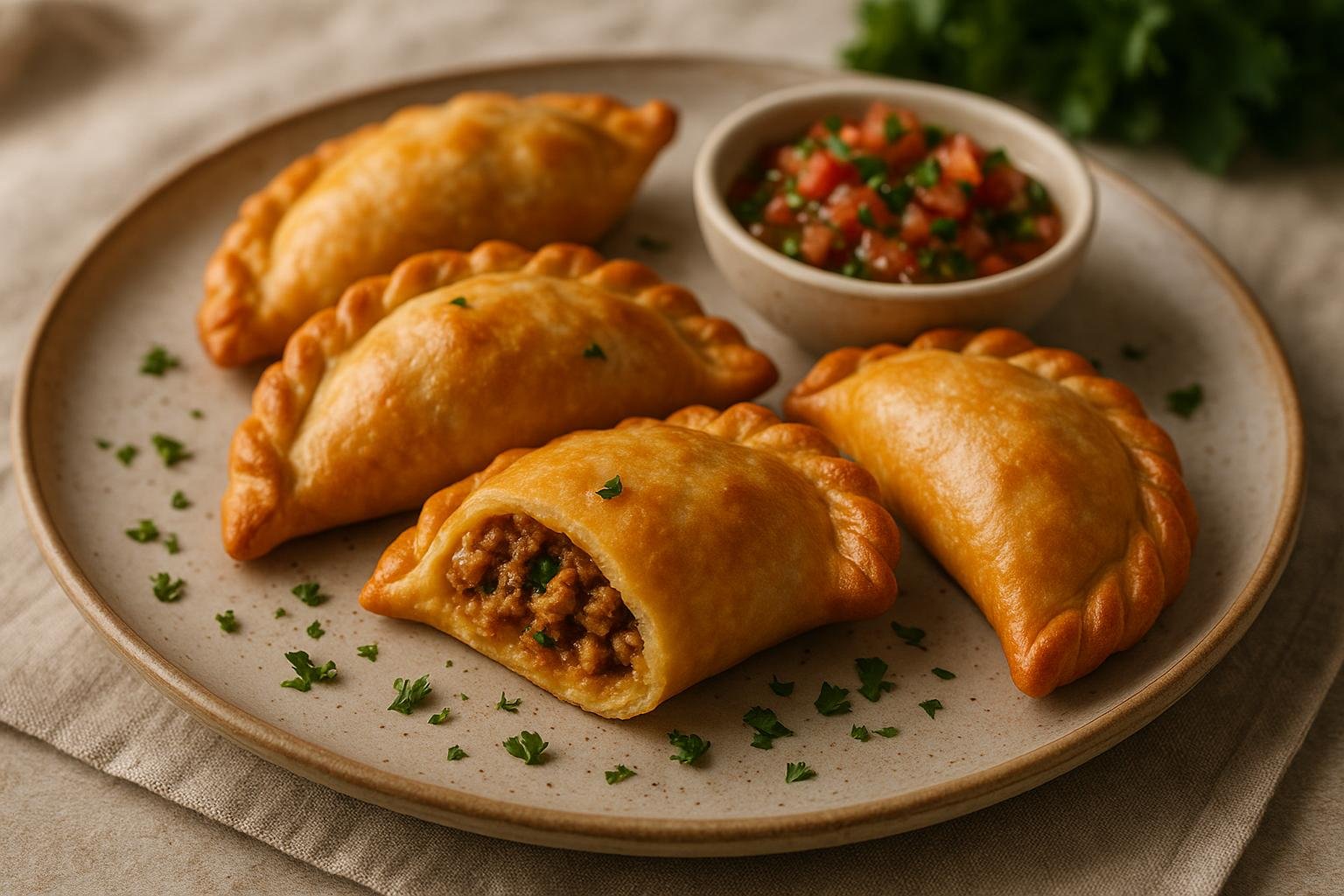
Golden, flaky, and endlessly customizable, empanadas are one of the most beloved hand-held foods in the world. Whether baked or fried, sweet or savory, these stuffed pastries bring together history, tradition, and culinary creativity in each bite. This guide explores their origins, shows you how to prepare homemade empanadas, highlights the most popular varieties, and examines their nutritional profile—with practical tips to make them a bit healthier without sacrificing flavor.
The History and Origin of Empanadas
Empanadas Around the Globe
The word “empanada” comes from the Spanish verb empanar, meaning “to bread” or “to wrap in bread or dough.” Most food historians trace the roots of empanadas to the Iberian Peninsula, where similar stuffed pastries were prepared in medieval Spain and Portugal. These early versions were influenced by Middle Eastern culinary traditions, especially filled pies and pastries introduced during centuries of cultural exchange.
From Spain, empanadas traveled across the Atlantic during the era of exploration and colonization. In Latin America, they evolved dramatically, absorbing local ingredients, cooking methods, and cultural preferences. In Argentina and Uruguay, empanadas became a hallmark of regional identity, with each province boasting its own dough, shaping method, and filling. In Chile, they are a national staple, particularly around patriotic festivities. Colombia and Venezuela popularized smaller, often corn-based empanadas, typically deep-fried and sold as street food.
Beyond Latin America, related preparations exist worldwide. In the Philippines, empanada refers to a pastry filled with meats, vegetables, and sometimes noodles or tropical flavors. In the Caribbean, particularly Puerto Rico and the Dominican Republic, empanadas—often called pastelillos—feature highly seasoned meats and cheeses. These global interpretations reflect how a simple concept—dough wrapped around a tasty filling—can adapt to nearly any culinary tradition.
Cultural Significance and Traditions
Empanadas are far more than a convenient snack. In many countries, they are integral to social and religious celebrations. In Argentina, trays of empanadas are standard at family gatherings, birthdays, and informal parties; they are the centerpiece of casual hospitality. During national holidays in Chile, the classic empanada de pino (filled with beef, onions, egg, and olives) is consumed in vast quantities, symbolizing shared heritage and regional pride.
For many communities, preparing authentic empanadas is a multi-generational ritual. Families gather to make large batches, with each person responsible for a specific task: kneading dough, seasoning fillings, assembling, crimping, and cooking. This collaborative process preserves family recipes and transmits culinary knowledge that rarely appears in written form.
Empanadas also play a role in religious observances. In some regions of Spain, large empanada pies, especially tuna-filled varieties from Galicia, are associated with Lent and other Christian holidays. In Latin America, certain fillings or preparation methods are reserved for specific feast days or regional festivals. As a result, these pastries serve as edible expressions of local identity, faith, and social bonds.
How to Make Delicious Empanadas at Home
Essential Ingredients for Authentic Empanadas
Although empanada recipes vary widely, most share three fundamental components: dough, filling, and a cooking fat (for either baking or frying). The dough is typically made from simple pantry staples, yet subtle differences in fat, hydration, and resting time dramatically influence the final texture.
- Dough base: All-purpose wheat flour is the most common choice for traditional empanadas. Some Latin American versions incorporate corn flour or a blend of flours to alter flavor and structure.
- Fat: Butter, lard, or neutral oils (such as sunflower or canola) provide tenderness and flakiness. Lard is traditional in many regions and yields an especially delicate crust, while butter imparts richness and aroma.
- Liquid: Water is standard, sometimes mixed with milk or egg for a softer, richer dough. A pinch of salt enhances flavor, and a small amount of vinegar can improve tenderness.
- Binding and enrichment: Eggs, added either to the dough or as an egg wash, help with binding, color, and sheen. An egg wash before baking creates a glossy, golden exterior.
- Seasonings: For truly authentic empanadas, the filling is where bold flavors shine—through garlic, paprika, cumin, oregano, onions, and fresh herbs adapted to local taste.
For the filling, the options are nearly limitless, but some staples recur across regions. Ground or shredded beef, diced chicken, chorizo, ham, cheese, and a variety of vegetables—onions, peppers, potatoes, olives, and hard-boiled eggs—form the backbone of many classic savory empanadas. Sweet versions incorporate fruits, jams, dulce de leche, chocolate, or sweetened cheeses.
Step-by-Step Cooking Instructions
Preparing homemade empanadas is straightforward when broken down into stages. The process remains similar whether you are making savory or sweet empanadas; only the fillings and seasonings change.
- 1. Make the dough:
- In a large bowl, combine flour and salt. Cut in diced cold butter or lard until the mixture resembles coarse crumbs.
- Gradually add cold water (or a water-milk mixture), stirring until a soft but not sticky dough forms.
- Knead gently for a few minutes on a floured surface until smooth. Avoid overworking to keep the dough tender.
- Wrap the dough in plastic or cover with a towel and let it rest for at least 30 minutes in the refrigerator. This resting period relaxes the gluten and improves pliability.
- 2. Prepare the filling:
- For meat fillings, sauté onions and aromatics in a bit of oil until translucent and fragrant.
- Add ground or shredded meat and cook thoroughly, seasoning with salt, pepper, and regional spices such as paprika, cumin, or oregano.
- Incorporate additional elements—olives, boiled eggs, raisins, or vegetables—toward the end of cooking so they retain their texture.
- Allow the filling to cool completely before using. Warm filling can soften the dough and cause leaks during cooking.
- 3. Shape the empanadas:
- Divide the dough into small portions and roll each piece into a ball, or roll out the entire dough and cut circles with a cutter or small bowl (about 10–12 cm in diameter for standard empanadas).
- Place a spoonful of filling in the center of each circle, leaving a clean border around the edge.
- Fold the dough over the filling to create a half-moon shape, pressing the edges together firmly.
- Crimp the edges with a fork or use the traditional hand-pleating technique known as repulgue. A tight seal prevents the filling from escaping.
- 4. Cook the empanadas:
- Baking: Preheat the oven to around 200°C (400°F). Arrange empanadas on a lined baking sheet, brush with egg wash, and bake for 20–25 minutes until golden and crisp.
- Frying: Heat neutral oil to about 175–180°C (350–360°F). Fry a few empanadas at a time, turning occasionally, until evenly browned. Drain on paper towels.
- 5. Serve and enjoy:
- Allow empanadas to cool slightly before serving so the filling sets and flavors develop.
- Serve with traditional accompaniments such as chimichurri, spicy ají sauces, or simple herb dips.
With these empanada cooking tips, you can easily adjust the recipe to suit your preferences, experimenting with different fats, flours, and fillings while preserving the essence of authentic empanadas.
Popular Empanada Varieties
Savory Stuffings: Meat, Cheese, and Vegetables
Savory empanadas have an extraordinary range of fillings, reflecting local ingredients and personal creativity. Among the countless possibilities, a few classic combinations appear repeatedly in traditional cookbooks and homes.
- Beef empanadas: Perhaps the most iconic variety, especially in Argentina and Chile. The filling usually consists of seasoned ground or minced beef sautéed with onions, paprika, cumin, and sometimes raisins. Olives and pieces of hard-boiled egg contribute briny and creamy notes.
- Chicken empanadas: Shredded chicken mixed with onions, garlic, peppers, and herbs creates a lighter yet still satisfying option. Some recipes incorporate cream cheese, corn, or mushrooms for added richness.
- Cheese empanadas: Filled solely with cheese or with cheese combined with ham, spinach, or herbs. In some countries, fresh cheeses are favored, while others prefer aged, meltable varieties such as mozzarella, provolone, or local artisanal cheeses.
- Seafood empanadas: Coastal regions often highlight tuna, shrimp, or mixed seafood in a tomato-based sauce. In Galicia, large baked empanadas filled with tuna, onions, peppers, and paprika are a signature specialty.
- Vegetable-based empanadas: Empanada fillings centered on vegetables are increasingly popular. Combinations may include spinach and ricotta, roasted peppers, caramelized onions, pumpkin or squash, corn, and black beans, often seasoned with robust spices.
These savory stuffings offer a foundational repertoire, but empanada fillings can be tailored to nearly any dietary preference, from hearty meat lovers to strict vegetarians and vegans.
Sweet Empanada Flavors to Satisfy Your Cravings
While savory versions dominate in many regions, sweet empanadas deserve equal attention. They function as both dessert and breakfast pastry, frequently enjoyed with coffee, tea, or hot chocolate.
- Fruit empanadas: Apples, pears, peaches, guava, and berries are common choices. The fruit is often stewed with sugar and spices such as cinnamon or clove, then enclosed in a slightly sweetened dough.
- Dulce de leche empanadas: In Argentina and Uruguay, dulce de leche-filled empanadas are especially popular. The rich caramel filling may be combined with nuts, grated coconut, or chocolate chips for added texture.
- Cheese and fruit blends: Creamy ricotta or fresh cheese paired with guava paste, quince paste (dulce de membrillo), or jam results in a balanced contrast of sweet and tangy flavors.
- Chocolate and nut fillings: In more contemporary recipes, chocolate ganache, hazelnut spreads, or spiced nuts become indulgent centers for dessert empanadas.
Sweet empanadas are often finished with a sprinkle of sugar, a dusting of cinnamon, or a light glaze. Baked rather than fried, they offer a refined, less greasy treat while still satisfying dessert cravings.
Health Benefits and Nutritional Information
Caloric Content and Dietary Considerations
Empanadas are energy-dense, compact meals. The caloric content varies significantly depending on size, dough composition, cooking method, and type of filling. A typical medium-sized fried meat empanada may range from 250 to 400 calories or more, primarily due to the combination of refined flour, fat, and rich fillings.
The macronutrient profile also differs across empanada varieties. Meat-based versions tend to be high in protein and fat, particularly saturated fat if made with fatty cuts of meat, cheese, or lard. Cheese and cream-based fillings further increase total fat and sodium. Vegetable and legume fillings generally provide more fiber, vitamins, and minerals, especially when they include leafy greens, beans, or squash.
For individuals monitoring their diet, several factors deserve attention:
- Portion size: Because empanadas are small and enjoyable, it is easy to eat several at once. Limiting portions and serving them with a fresh salad or vegetable side can help maintain balance.
- Cooking method: Fried empanadas absorb oil, notably increasing caloric and fat content. Baked empanadas, particularly those brushed lightly with oil instead of egg wash, are usually lower in total fat.
- Type of fat used: Substituting saturated fats with heart-healthy oils (such as olive or canola) can reduce cardiovascular risk while still producing a tender crust.
- Refined vs. whole grains: Traditional dough relies on refined flour, which offers limited fiber. Replacing a portion of the white flour with whole wheat or other whole grain flours can improve nutritional value.
Although it may be excessive to describe strong health benefits of empanadas, they can form part of a balanced diet when prepared thoughtfully and consumed in moderation. Their convenience and portability make them a satisfying option for packed lunches and on-the-go meals, provided they are complemented with fresh produce and lean proteins across the rest of the day.
Tips for Healthier Empanada Alternatives
It is entirely possible to enjoy empanadas more frequently without undermining nutritional goals. A few strategic adjustments to your empanada recipes can reduce calories, saturated fat, and sodium while enhancing fiber and micronutrients.
- Choose baking over frying: Baking empanadas on parchment-lined trays significantly cuts fat intake. Brushing them with a small amount of oil or an egg wash still yields an appealing golden crust.
- Lighten the dough: Experiment with a mix of white and whole wheat flour, or even add a small portion of oat or chickpea flour. Use less saturated fat, opting for plant-based oils wherever possible. Aim for a thin, even dough to limit total carbohydrate content per empanada.
- Prioritize lean proteins: Replace fatty cuts of beef with lean ground beef, turkey, chicken breast, or legumes such as lentils and black beans. These choices maintain protein levels while lowering saturated fat.
- Increase vegetable content: Fill at least half of the empanada with vegetables—spinach, peppers, onions, mushrooms, or pumpkin—so that each bite delivers more fiber and vitamins. Vegetable-forward savory empanadas can be deeply satisfying when well seasoned.
- Control cheese and sodium: Use smaller quantities of strong-flavored cheeses rather than large amounts of mild varieties. Season generously with herbs and spices instead of relying heavily on salt.
- Reconsider dessert fillings: For sweet empanadas, favor fruit-based fillings with moderate added sugar. Bake instead of fry, and keep decorative sugar toppings minimal.
By applying these empanada cooking tips, you can transform a traditionally indulgent food into a more balanced option, making room for both enjoyment and well-being on your plate.
Conclusion
Empanadas encapsulate centuries of history, cultural exchange, and culinary ingenuity in a form that is both practical and deeply comforting. From their Iberian origins to the countless regional variations across Latin America, the Caribbean, and beyond, they reveal how one simple idea—filling enclosed in dough—can be adapted endlessly.
Mastering homemade empanadas requires only a few core techniques: a supple dough, a flavorful filling, and attention to cooking methods. Once you understand the fundamentals, you are free to explore an expansive universe of savory and sweet combinations, from traditional beef or tuna to creative vegetable medleys and fruit-studded desserts.
With thoughtful ingredient choices and mindful preparation, empanadas can fit comfortably into a balanced diet, providing satisfaction as either a main meal or a special treat. Whether you are preserving family traditions, discovering new authentic empanadas from other cultures, or inventing your own signature empanada fillings, these pastries offer an endlessly rewarding canvas for culinary expression.
Discover More from Didier Lancelot
Amazon Author page: amazon.com/author/didierlancelot
Narmer Store: narmerstore.org
AI and Technology Ebooks
- Creative AI: Animated Drawings, Manga & Illustrations
- Build a Game with AI: The No-Code Guide
- AI Image Generation Made Easy
- Build a Website with AI: The No-Code Guide
- How to Connect AI to Your Blog: The Ultimate Automation Guide
- AI Productivity Habits: Get More Done in Less Time
- AI Avatars Made Easy
- The Book of AI Prompts: 100+ Proven Prompts
- Make Music with AI: Suno, Udio and AI Music Generators
- Click to Cash
- The Automated Edge: Outwork, Outpace, and Outperform with AI
- AI Side Hustle: How to Make Money with ChatGPT and AI Tools
- Work Smarter with AI
Health, Lifestyle and Home Ebooks
- Hidden Superfoods: The World’s Most Powerful Healing Foods
- Spanish Food: The Complete Cookbook for Authentic Home Cooking
- The Science of Happiness Explained
- The Psychology of Success
- The Secret Sauce of Consistency: What the Experts Don’t Tell You About Fitness
- The Complete Home Bartender’s Guide: Link 1 | Link 2
- Natural Beauty, Made Simple: Easy DIY Organic Skincare Recipes
- Garden Made Simple: Easy, Beginner-Friendly Techniques
- The Dog Training Bible