
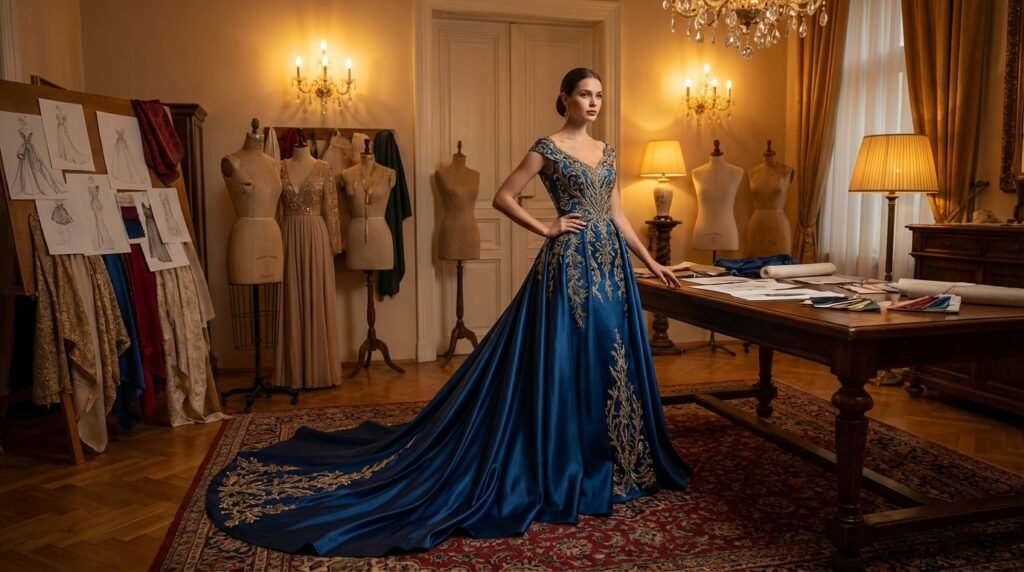
Evening gowns occupy a distinct place at the intersection of fashion, craftsmanship, and self-expression. More than a simple garment, a well-designed evening dress shapes posture, enhances presence, and translates personality into fabric, movement, and silhouette. Whether you are a fashion student, a designer, a boutique owner, or someone seeking the perfect gown for a special occasion, understanding evening gown design from concept to final fitting is essential.
This comprehensive evening gown design guide explores the fundamentals of construction, aesthetic principles, tailoring techniques, and current innovations. You will discover what evening gown design truly involves, why it matters for discerning clients, how to implement effective design processes, and how to evaluate results and anticipate future trends.
Understanding Evening Gown Design: Key Concepts and Benefits
What Is Evening Gown Design?
Evening gown design is the specialized discipline of conceiving, developing, and constructing formal dresses intended for evening events such as galas, red-carpet appearances, weddings, and black-tie occasions. It combines fashion theory, pattern-making, draping, textile knowledge, and couture finishing to create garments that are both visually striking and comfortable to wear for several hours.
At its core, evening gown design addresses three fundamental dimensions:
- Silhouette and structure – The overall shape of the gown, including volume, length, and proportion, from body-skimming sheaths to dramatic ball gowns with structured bodices and full skirts.
- Textile and surface design – The selection and manipulation of fabrics (silk, satin, chiffon, tulle, crepe, velvet, lace) and embellishments (beading, embroidery, appliqué, sequins, feathers) to create depth, luminosity, and movement.
- Fit, function, and comfort – The engineering that allows the gown to remain secure, flattering, and comfortable while the wearer walks, dances, sits, and poses under varying light and temperature conditions.
When people ask “what is evening gown design,” they are essentially referring to a comprehensive creative and technical process that begins with inspiration and ends with a client-ready garment that communicates elegance and occasion-appropriate style.
Why Evening Gown Design Matters for Designers, Boutiques, and Clients
Thoughtful evening gown design holds significant value for multiple stakeholders in the fashion ecosystem.
For designers, a robust understanding of evening gown design best practices allows them to:
- Develop distinctive signatures in cut, drape, and embellishment that set them apart from competitors.
- Translate client briefs into garments that not only look stunning but also withstand high-resolution photography and intense event conditions.
- Build a strong portfolio that showcases technical mastery and refined aesthetic judgment.
For boutiques and retailers, investing in high-quality evening gown design delivers:
- Higher customer satisfaction through gowns that fit better and require fewer alterations.
- Stronger brand reputation based on consistent quality, flattering silhouettes, and up-to-date styling.
- Improved margins, as well-designed pieces tend to command premium prices and experience lower return rates.
For clients, the benefits of evening gown design are both practical and emotional:
- A gown that complements body shape, skin tone, and personal style, enhancing confidence on important occasions.
- Ease of movement and comfort, preventing wardrobe malfunctions, discomfort, or visible strain in photos and videos.
- Timelessness: a carefully designed gown can be worn across multiple events with minor styling updates.
Understanding the benefits of evening gown design helps each audience make better decisions, from commissioning custom work to curating store inventories or selecting a dress for a milestone celebration.
How Evening Gown Design Works in Practice
Core Components and Processes of Evening Gown Design
A professional evening gown design process typically unfolds in several structured phases. Each stage refines the concept and ensures that the final gown aligns with the wearer’s needs and the designer’s vision.
1. Research, Inspiration, and Concept Development
The process begins with gathering references: runway collections, historical fashion, cultural elements, architecture, art, and nature. Designers create mood boards and color stories, identifying key themes such as “Old Hollywood glamour,” “minimalist sculpture,” or “romantic garden.” This phase also includes understanding the specific event type, dress code, and client preferences.
2. Client Profiling and Body Analysis
For bespoke or semi-custom work, a detailed client assessment is essential:
- Body proportions, posture, and movement patterns.
- Color analysis (warm vs. cool undertones) and fabric sensitivities.
- Personality traits and style archetype (dramatic, romantic, classic, modern, bohemian).
This analysis guides silhouette selection to highlight strengths and discreetly minimize areas the client prefers to downplay.
3. Sketching and Design Refinement
Designers translate concepts into multiple sketches, experimenting with neckline shapes, sleeve options, skirt volumes, drape directions, cut-outs, and back details. The goal is to strike the right balance between drama and wearability. Digital tools and hand-rendered sketches coexist in this phase, offering flexibility and precision.
4. Fabric Selection and Material Experimentation
Fabric choice dictates much of the gown’s behavior. Key considerations include:
- Drape – Fluid fabrics like silk charmeuse or chiffon create soft, romantic movement; stiffer textiles like mikado or taffeta support architectural shapes.
- Weight – Heavy beading or thick velvet may require internal support structures, while ultra-light fabrics need careful layering to avoid transparency.
- Surface interaction with light – Satin and sequins reflect; matte crepe absorbs; lace diffuses. This impacts how the gown photographs and appears under different lighting setups.
5. Pattern-Making, Draping, and Toile Creation
Once the design is defined, patterns are drafted or the fabric is draped directly on a dress form. Most couture workflows involve a toile (muslin mock-up) to verify proportions, seam placements, and style lines. This stage reveals potential issues in balance, length, or ease before cutting into final fabric.
6. Construction, Internal Architecture, and Fittings
Evening gowns often incorporate complex internal structures: boning, corsetry, built-in cups, waist stays, and layers of lining and underlining. Precision in these hidden components determines whether the gown feels secure and refined. Multiple fittings adjust:
- Hem length for specific heel heights.
- Strap placement, neckline security, and back closure strength.
- Distribution of volume in skirts and trains.
7. Embellishment and Finishing
The final phase includes applique placement, hand beading, embroidery, and other ornamentation. Positioning is strategic: embellishments draw attention toward the face, center line, or other focal points while maintaining visual balance. Clean finishing of seams, closures, and edges completes the process.
Common Use Cases and Real-World Examples
Evening gown design manifests differently depending on context and target audience. Below are common scenarios that illustrate evening gown design in practice.
Red-Carpet Couture
High-profile events such as film premieres and award ceremonies demand gowns that photograph impeccably from every angle. Designers focus on:
- Original silhouettes that stand out among hundreds of looks.
- Unusual fabric combinations or avant-garde construction to generate media attention.
- Flawless fit under intense lighting and scrutiny.
These pieces are often unique creations, offering instructive evening gown design examples that push innovation while remaining wearable.
Bridal Evening Wear and Reception Gowns
Many modern brides choose a formal evening gown for receptions or after-parties, distinct from the ceremony dress. Here, evening gown design emphasizes:
- Freedom of movement for dancing and socializing.
- Lighter weight fabrics or convertible elements (removable overskirts, detachable trains).
- Cohesion with the wedding’s overall aesthetic while allowing the bride to express a different facet of her style.
Black-Tie and Gala Gowns for Private Clients
For business leaders, philanthropists, or socialites attending repeated formal events, evening gown design for this audience prioritizes:
- Versatility and timelessness to avoid rapid dating.
- Subtle luxury through impeccable tailoring and elevated textiles rather than overt logo display.
- Comfort and practicality for long evenings of networking and public appearances.
Ready-to-Wear Collections for Boutiques
In a retail context, evening gown design must balance creativity with scalability. Successful designs:
- Accommodate a variety of body types through forgiving cuts or thoughtful grading.
- Travel well and resist wrinkling, supporting global distribution.
- Offer clear alteration possibilities so local tailors can customize fit efficiently.
These real-world scenarios demonstrate how the same foundational principles adapt to different markets and requirements.
Best Practices for Implementing Evening Gown Design
Step-by-Step Guide to Getting Started
Implementing evening gown design systematically allows professionals and aspiring designers to achieve consistent results. The following framework functions as a practical evening gown design guide you can apply to bespoke work or small collections.
Step 1: Define Purpose, Context, and Constraints
- Clarify the event type, dress code, cultural or religious considerations, and anticipated activities (formal dinner, dancing, red carpet, outdoor reception).
- Set budget parameters for fabrics, embellishments, and labor.
- Identify time constraints to determine the level of complexity feasible.
Step 2: Profile the Wearer and Establish Design Objectives
- Document body measurements, posture nuances, and any fit challenges.
- Discuss style references the client admires and those they dislike.
- Agree on key objectives: elongating the figure, highlighting shoulders, emphasizing the waist, creating a dramatic train, and so on.
Step 3: Create a Focused Concept Board
- Develop a limited but cohesive palette of colors and textures.
- Select 3–5 reference images rather than overwhelming the process with dozens.
- Identify one primary design narrative (for example, “sculptural minimalism” rather than combining too many conflicting themes).
Step 4: Generate Initial Sketches and Shortlist Designs
- Produce several variations on neckline, back design, and skirt shapes.
- Evaluate each sketch against comfort, practicality, and the client’s self-image.
- Shortlist one or two designs for further development instead of diluting resources across many options.
Step 5: Test Fabrics and Construction Methods
- Develop small fabric swatches with intended drapes, pleats, or embellishments.
- Assess how each fabric behaves on the body: does it cling, stand away, wrinkle, or stretch?
- Plan the internal structure needed for support given the fabric’s weight and behavior.
Step 6: Draft Patterns and Build a Toile
- Translate the chosen design into a pattern with precise seam placements.
- Create a toile in inexpensive fabric to assess proportion and line.
- Perform a fitting to correct any issues related to posture, bust point, waistline position, and skirt balance.
Step 7: Construct the Final Gown in Stages
- Develop the internal structure first (corsetry, boning, linings, underlayers).
- Attach the outer shell only after the inner foundation fits correctly.
- Insert closures and reinforcements suitable for the gown’s weight and stress points.
Step 8: Integrate Embellishments Strategically
- Map embellishment placement on the toile or directly on the gown using pins before permanent application.
- Work from top to bottom to minimize fabric handling over completed embellishment.
- Regularly assess the overall balance to avoid overcrowding certain areas.
Step 9: Conduct Final Fittings and Styling Tests
- Test the gown with the exact shoes, undergarments, and accessories planned for the event.
- Simulate sitting, walking, and raising arms to ensure comfort and security.
- Make final hem and strap adjustments for flawless proportion.
Following this structured approach illustrates how to implement evening gown design efficiently while preserving room for creativity and refinement.
Mistakes to Avoid and Pro Tips for Success
Contemporary Interior Design: What It Really Means
Bohemian Interior Design: Free-Spirited and Creative Homes
Classic Interior Design Ideas That Stand the Test of Time
Luxury Interior Design Ideas for Elegant Living
Scandinavian Interior Design: Clean, Cozy, and Functional
Common Mistakes in Evening Gown Design
- Overcomplicating the design – Excessive cut-outs, extreme slits, and heavy embellishments on every surface often lead to discomfort and visual confusion.
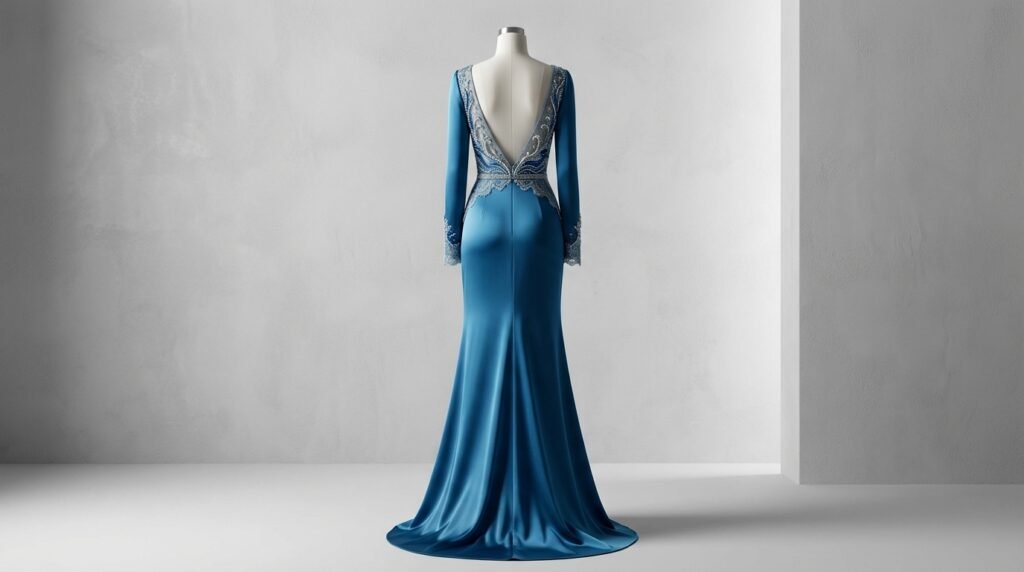
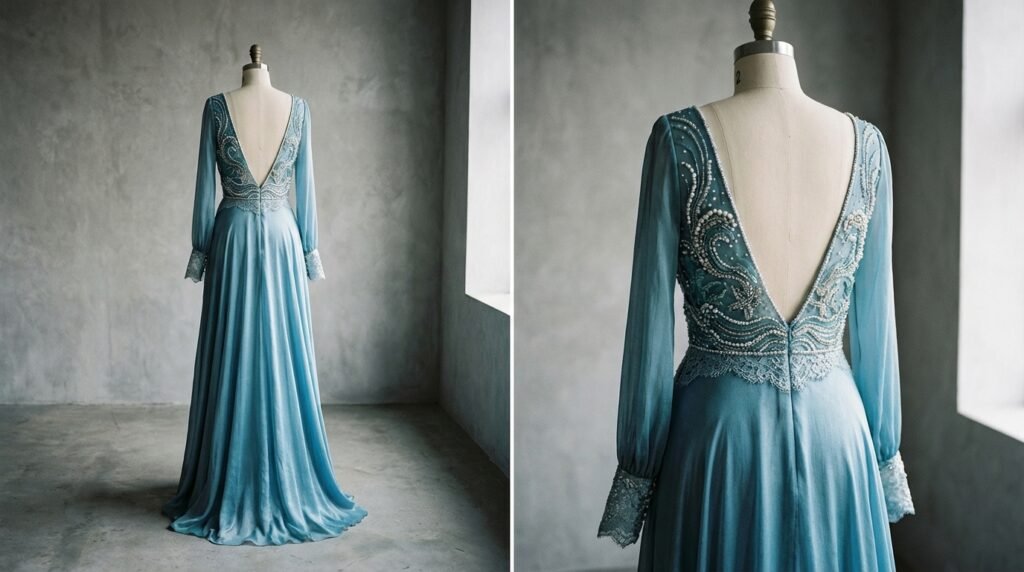
- Ignoring the back view – The back of an evening gown is highly visible during ceremonies, photographs, and social interactions, yet often receives less design attention.
- Underestimating fabric weight – Heavy trains, dense beading, and thick textiles require engineering; neglecting this leads to sagging, strain, and distortion.
- Relying solely on stretch – Stretch fabrics can accommodate minor fit discrepancies but should not replace proper pattern-making and structural support.
- Mismatched underpinnings – Designing without considering suitable undergarments can cause visible lines, transparency issues, or insufficient bust support.
- https://www.teepublic.com/t-shirt/52374105-duck?store_id=2851997
Pro Tips for Consistent, High-Level Results
- Design around movement, not static poses – Visualize the gown walking, turning, and sitting. A dress that looks perfect on a mannequin may fail in motion.
- Use focal points wisely – Concentrate visual interest at one or two key areas (for example, neckline and waist). This creates a coherent narrative rather than scattered detail.
- Respect the client’s comfort threshold – Even the most beautiful gown fails if the wearer feels exposed or restricted. Discuss comfort openly from the outset.
- Plan for alterations – Build seam allowances and design lines that allow adjustments, especially for ready-to-wear collections and boutiques.
- Document each project – Keep detailed notes, patterns, and photos. Over time, this archive becomes a powerful resource of evening gown design examples and tested solutions.
Adhering to these evening gown design best practices minimizes costly errors, elevates craftsmanship, and enhances the client experience.
Measuring Success and Future Trends of Evening Gown Design
Key Metrics and Tools to Track Performance
While creativity is central, successful evening gown design can and should be assessed through tangible indicators. Measuring evening gown design success enables designers and boutiques to refine collections and processes over time.
Client-Centric Metrics
- Fit satisfaction – Track the number and extent of alteration rounds required before the final fitting. Fewer major adjustments usually indicate more accurate initial design and pattern-making.
- Repeat commissions – Returning clients are a strong signal of trust in your design, construction quality, and service.
- Qualitative feedback – Document comments about comfort, confidence level, photo performance, and compliments received at the event.
Business and Collection Performance Metrics
- Sell-through rates – For boutiques, analyze which silhouettes, fabric types, and color palettes sell fastest and require the fewest markdowns.
- Return and complaint rates – High return rates may signal recurring issues with sizing, comfort, or construction.
- Alteration patterns – Identify frequent adjustment types (shortening straps, taking in the waist, adjusting bust darts) to refine base patterns.
Tools and Methods to Support Assessment
- Fit logs and measurement databases – Centralize data to see correlations between body types and preferred silhouettes.
- Photo and video reviews – With client permission, review event images to evaluate how gowns behave over time and in different lighting.
- Digital pattern archives – Version control of digital patterns allows you to track improvements and revert to successful structures when needed.
Combining qualitative feedback with quantitative data yields a clear picture of how your evening gown design approach is performing and where to refine it.
Emerging Trends and How to Stay Ahead
Evening gown design trends evolve in response to cultural shifts, technological advances, and changing client expectations. Staying ahead requires both awareness and discernment: not every trend merits adoption, but understanding the landscape informs strategic choices.
1. Sustainable and Ethical Evening Gown Design
Clients increasingly value responsible practices, even for luxury gowns worn only a few times. Key directions include:
- Using certified sustainable fabrics such as organic silk, recycled fibers, and responsibly sourced lace.
- Designing gowns with modular elements (removable trains, overskirts, or sleeves) to extend wearability.
- Offering restyling or upcycling services to transform older gowns into renewed pieces.
2. Technology-Enhanced Fit and Visualization
Digital tools are reshaping how designers develop and present evening gowns:
- 3D design software and virtual try-ons that allow clients to preview silhouettes before sampling.
- Body scanning technologies to refine pattern blocks and optimize sizing for ready-to-wear.
- Augmented reality styling tools to experiment with accessory combinations and colorways.
Understanding these evening gown design trends can help you integrate technology without losing the tactile, artisanal essence of couture work.
3. Hybrid Silhouettes and Non-Traditional Color Palettes
Contemporary clients often seek gowns that break conventional rules while preserving formality. Notable directions include:
- Combining tailoring elements (structured shoulders, blazer-inspired bodices) with fluid skirts.
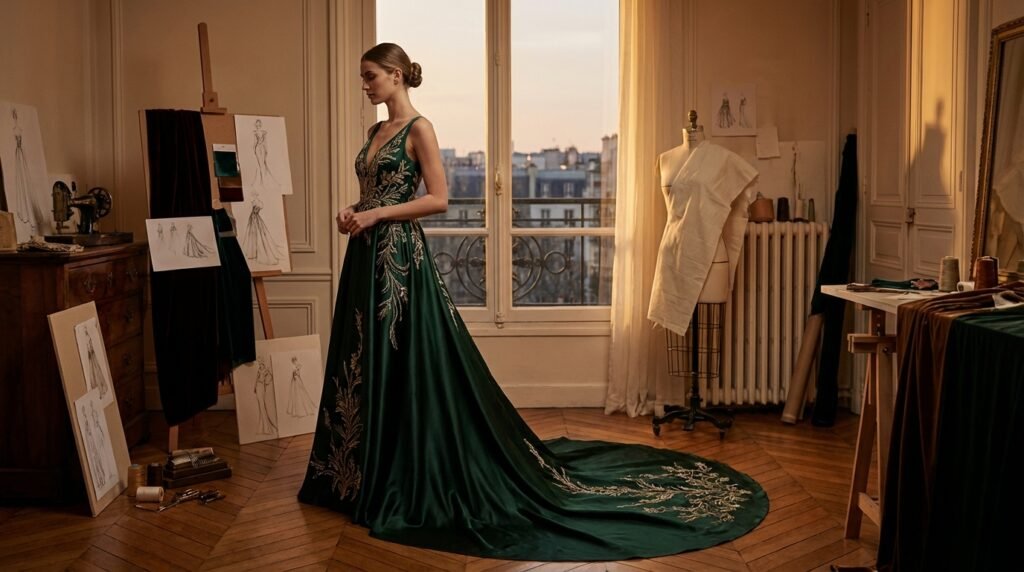
- Experimenting with unexpected hues such as deep green, bronze, midnight blue, or soft pastels for evening events typically dominated by black and metallics.
- Playing with high-low hemlines, detachable pieces, and asymmetric structures to create dynamic silhouettes.
4. Personalization Through Detail
Subtle personalization is rising in demand, especially among private clients:
- Hidden embroidery, initials, or dates inside linings or hems.
- Custom-developed lace motifs or bead patterns reflecting a client’s story or heritage.
- Interchangeable elements such as optional sleeves, capes, or belts that adapt the gown to different events.
Designers who anticipate such evening gown design trends and selectively integrate them into their offerings remain relevant while maintaining a strong design identity.
Conclusion
Evening gown design is a sophisticated discipline that requires equal parts artistry, technical skill, and empathy for the wearer’s needs. From initial concept and fabric selection to internal architecture, embellishment, and final fitting, each stage shapes how a gown looks, feels, and performs in real life.
By understanding fundamental principles, applying a structured workflow, and learning from real-world use cases, designers and boutiques can consistently create gowns that deliver both visual impact and enduring comfort. Measuring outcomes, listening attentively to client feedback, and tracking evolving evening gown design trends allow you to refine your approach and maintain a competitive edge.
Whether you are building a new brand, expanding an established atelier, or commissioning a single bespoke gown, informed evening gown design choices transform formalwear from mere clothing into a powerful expression of identity and occasion.
CrystalCollector
Combat Protocol
WASD – Move
Mouse – Look around
Left Click – Fire Weapon
R – Reload
Eliminate all hostile units in the sector!
(Works better on computer)