

High fashion couture occupies a singular place in the fashion universe. It is where artistry, craftsmanship, and innovation converge to create garments that transcend utility and become cultural artifacts. For brands, designers, and discerning clients, understanding how haute couture functions is essential to appreciating its strategic value, not only as clothing but as a powerful driver of image, desirability, and influence.
This comprehensive high fashion couture guide explains what couture is, why it matters, how it works in practice, and how brands can implement couture-inspired strategies step by step. You will also discover key benefits, best practices, relevant metrics and KPIs, as well as emerging trends shaping the future of this elite segment.
Understanding High Fashion Couture: What It Is and Why It Matters
What Is High Fashion Couture?
High fashion couture, more commonly known as haute couture, refers to the creation of exclusive, custom-fitted garments crafted by hand from start to finish. The term is legally protected in France and governed by the Chambre Syndicale de la Haute Couture, which sets stringent criteria for maisons wishing to bear the couture designation.
At its core, haute couture is defined by three pillars:
- Exclusivity: Pieces are created for individual clients, often through multiple fittings, and are rarely reproduced. Each garment is either unique or produced in extremely limited quantities.
- Exceptional craftsmanship: Highly skilled artisans, called petites mains, execute hours or even hundreds of hours of embroidery, tailoring, draping, and finishing by hand using time-honored techniques.
- Made-to-measure construction: Every couture garment is built to the client’s exact measurements, posture, and preferences, resulting in impeccable fit and comfort.
Unlike ready-to-wear collections, high fashion couture is not driven primarily by commercial volume. It serves as a laboratory of creativity and experimentation, a showcase of a brand’s highest capabilities in design and technique.
Key Benefits and Real-World Applications of High Fashion Couture
While couture may appear distant from everyday fashion, its influence and utility extend far beyond a small circle of clients. The benefits of high fashion couture manifest on several levels.
1. Brand positioning and prestige
Haute couture elevates a fashion house into the realm of cultural institutions. A strong couture program signals mastery of craft, design authority, and heritage. This prestige cascades down to perfumes, accessories, and ready-to-wear, supporting higher price points and stronger customer loyalty.
2. Creative experimentation and innovation
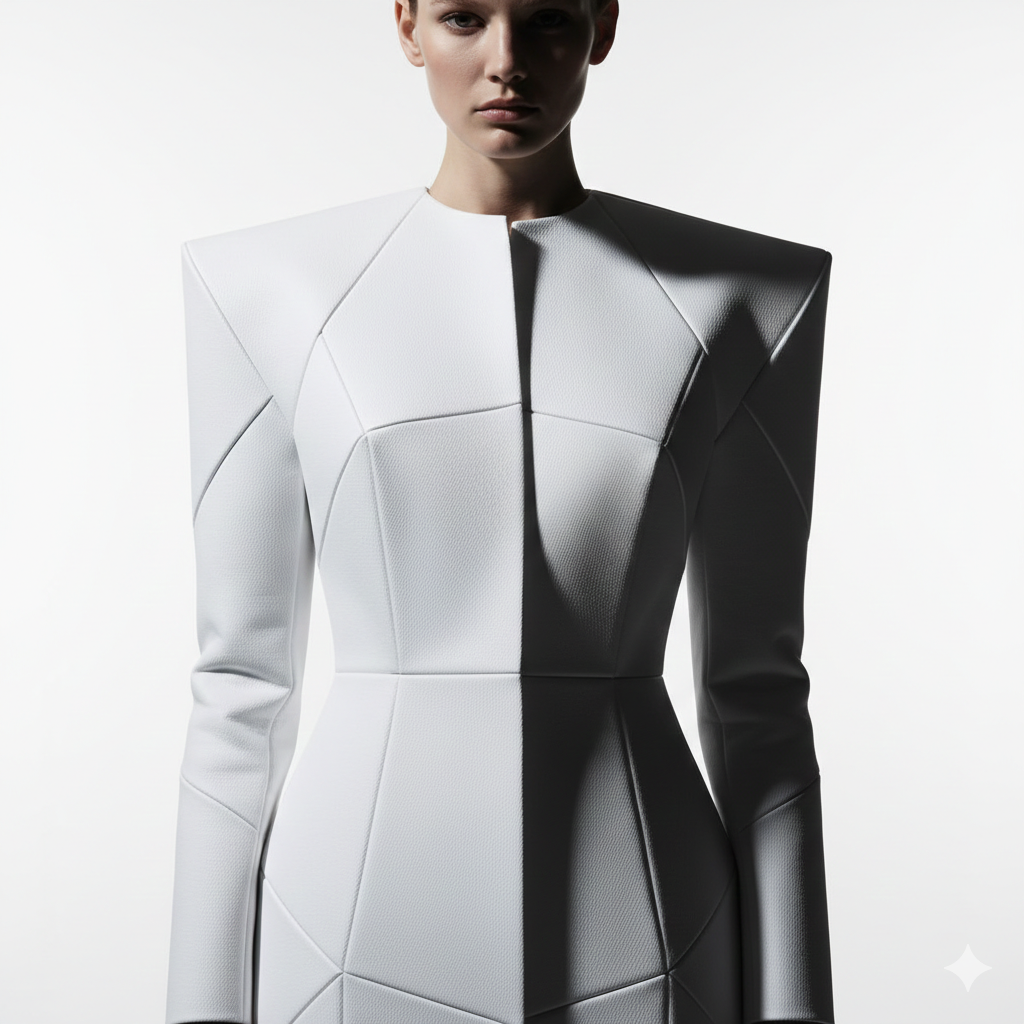
Couture offers designers freedom from strict commercial constraints. Voluminous silhouettes, experimental textiles, avant-garde constructions, and intricate embellishments can all be explored. Many ideas and techniques developed in couture later filter into more accessible lines, influencing global fashion trends.
3. Made-to-measure problem-solving
For clients, couture provides solutions that ready-to-wear cannot. Unique body shapes, specific lifestyle needs, cultural dress codes, and personal tastes are all taken into account. The result is a wardrobe that is both technically flawless and deeply personal.
4. Cultural and media impact
Couture looks dominate red carpets, editorial shoots, and museum exhibitions. These high-visibility moments generate immense media coverage and social media engagement, amplifying the brand and shaping public perceptions of luxury.
5. Long-term value and collectability
Many couture pieces become heirlooms or collectors’ items, gaining cultural and sometimes monetary value over time. This transforms garments into investments in both aesthetic and historical significance.
How High Fashion Couture Works: Core Concepts and Components
The Essential Elements of High Fashion Couture
Understanding how couture operates internally helps clarify why it is so resource-intensive, yet strategically vital. Several core components define high fashion couture as a discipline.
1. The couture house (maison)
A recognized couture maison combines creative direction, technical workshops, client services, and show production. The house orchestrates all aspects, from sketch to runway to final fitting.
2. Design and concept development
Every couture collection begins with a coherent vision: a narrative, mood, or theme. Designers translate this into sketches, fabric boards, and prototypes. Inspiration may come from art, architecture, history, or contemporary culture.
3. Atelier and specialized workshops
Couture depends on highly specialized ateliers: tailoring, dressmaking, embroidery, feather work, pleating, and more. Each atelier contributes a particular expertise, meticulously coordinating to realize the designer’s vision.
4. Techniques and craftsmanship
Key couture techniques include:
- Hand draping on the mannequin to sculpt the silhouette directly on the form
- Complex pattern-making tailored to the client’s exact measurements
- Hand embroidery, beading, and appliqué that can take hundreds of hours per piece
- Invisible hand-finishing, from hems to internal supports and closures
5. Client relations and fittings
Couture is as much about service as it is about design. Multiple fittings ensure perfect fit and comfort. The client’s lifestyle, preferences, and upcoming events guide fabric choice, color palette, and level of embellishment.
6. Presentation: shows and lookbooks
Twice a year, haute couture collections are presented during official Paris Haute Couture weeks. The show is not only a client showcase but also a global communication tool, generating press coverage and establishing the aesthetic direction for the season.
Common Models, Tools, and Techniques Behind High Fashion Couture
Behind the dreamlike runway moments lies a highly structured system. Several models and tools underpin successful couture operations.
1. Business models in couture
- Heritage maisons: Established houses that maintain couture primarily for brand equity while generating revenue mainly from accessories, beauty lines, and ready-to-wear.
- Boutique couture studios: Smaller, niche ateliers offering bespoke gowns and occasion wear, often outside formal haute couture regulations but operating with comparable standards.
- Hybrid models: Brands that blend couture-level craftsmanship with selective made-to-order services and high-end ready-to-wear capsules.
2. Core tools and resources
- Professional dress forms customized to client measurements
- High-quality fabrics (silk, lace, organza, tulle, cashmere, fine wools)
- Specialized equipment for embroidery, pleating, and finishing
- Digital tools for archiving patterns, tracking orders, and managing client history
3. Signature couture techniques
- Toile development: Creating a prototype in inexpensive cotton to refine fit and structure before cutting into the final fabric.
- Structure and support: Corsetry, internal boning, and hidden layers that hold dramatic silhouettes while remaining invisible when worn.
- Surface artistry: Beads, sequins, feathers, and hand-painted details that turn fabric into moving artwork.
These models and techniques demonstrate how couture transforms abstract creativity into tangible garments of extraordinary quality.
Implementing High Fashion Couture Step by Step
Preparing for Implementation: Goals, Requirements, and Setup
For a brand aspiring to develop a couture line or integrate couture principles into its strategy, clarity and preparation are essential. The following high fashion couture step-by-step approach provides a practical framework.
1. Define clear strategic goals
Before launching a couture initiative, determine its purpose. Common objectives include:
- Strengthening brand prestige and differentiation
- Creating a halo effect to support other product lines
- Showcasing technical capabilities to attract collaborators or investors
- Developing a new revenue stream through bespoke services
2. Assess capabilities and requirements
High fashion couture requires:
- Experienced pattern cutters, seamstresses, and embroiderers
- Reliable suppliers of exceptional fabrics and embellishments
- An atelier space adapted to fittings, storage, and delicate work
- Financial resilience: couture is capital- and time-intensive
Conduct an honest assessment of your existing resources and identify where partnerships or gradual scaling may be necessary.
3. Design your couture offer
Decide on the scope of your couture services:
- Full-scale couture collections presented seasonally
- Limited categories, such as bridal, eveningwear, or red-carpet gowns
- Exclusive made-to-order versions of key runway looks
Align the breadth of your offer with your production capacity and target clientele.
4. Build or refine your atelier structure
Organize your team around specific specializations. Even in a small setup, clear allocation of responsibilities (draping, tailoring, embellishment, finishing) will preserve quality and consistency.
5. Develop a client journey
Map the entire client experience from initial contact to final delivery:
- Private consultations and design discussions
- Measurement sessions and toiles
- Interim fittings and adjustments
- Final handover, documentation, and aftercare instructions
Ensure confidentiality, comfort, and personalized attention at every stage.
Best Practices, Tips, and Common Mistakes to Avoid
Introducing couture or couture-level services requires discipline and foresight. The following high fashion couture best practices will help sustain both quality and brand integrity.
1. Protect craftsmanship above all
Resist pressure to accelerate timelines or reduce handwork to cut costs. The essence of couture lies in meticulous workmanship. Any compromise will dilute the value proposition and damage your reputation.
2. Communicate transparency in lead times and pricing
Be explicit about the time required, the number of fittings, and the estimated budget. Clients who choose couture understand that excellence requires both time and investment; clear communication avoids misunderstandings.
3. Document every stage
Maintain records of sketches, fabric swatches, pattern modifications, and fitting notes. This not only secures consistency but also builds a valuable archive for future references and retrospectives.
4. Curate your client base
Especially at the beginning, work with clients whose expectations align with your vision and capacities. A carefully curated clientele will become your most powerful ambassadors.
5. Integrate couture with brand storytelling
Use your couture work to reinforce your narrative: your heritage, your design codes, your values. Editorial content, behind-the-scenes footage, and thoughtful digital communication can extend the reach of your couture collections.
Common mistakes to avoid
- Overextending too quickly: Launching overly large collections without the necessary infrastructure leads to delays and quality issues.
- Underpricing: Failing to factor the true cost of artisans’ time, materials, and fittings undermines profitability and long-term viability.
- Neglecting after-sales care: Couture garments require specific storage, cleaning, and potential alterations over time. Ignoring this weakens the client relationship.
- Disconnect from the rest of the brand: Couture should enhance your overall identity, not exist as an isolated exercise in spectacle.
Measuring Success and Future Trends in High Fashion Couture
Key Metrics, KPIs, and Optimization Strategies
Even in a world guided by artistry and exclusivity, performance measurement remains essential. Several high fashion couture metrics and KPIs can help evaluate and improve your strategy.
1. Financial and operational indicators
- Average order value per couture client: Tracks the financial significance of each commission.
- Margin per piece: Helps ensure that time and materials are properly factored into pricing.
- Production lead time: Measures the delay between confirmation and delivery, highlighting opportunities for logistical optimization.
2. Client-centric KPIs
- Client retention rate: The proportion of clients who return for subsequent commissions.
- Referral rate: The percentage of new clients coming through existing client recommendations.
- Client satisfaction and feedback: Qualitative evaluations of fit, comfort, design alignment, and service experience.
3. Brand and communication metrics
- Editorial coverage: Number and quality of features in fashion publications and cultural media.
- Digital engagement: Interaction on social media and owned platforms with couture-related content.
- Red-carpet and institutional presence: Appearances at major events, exhibitions, or museum acquisitions.
Optimization strategies for couture programs
- Streamline internal workflows while preserving artisanal standards.
- Use data from fittings and alterations to refine patterns and block shapes.
- Identify which silhouettes and techniques deliver the highest impact for your audience and refine future collections accordingly.
- Align couture calendars and launches with key cultural and commercial moments to maximize visibility.
Emerging Trends and the Future of High Fashion Couture
While rooted in tradition, haute couture is continuously evolving. Several high fashion couture trends are reshaping the landscape and defining its future trajectory.
1. Digital and virtual couture
Digital shows, 3D fitting tools, and virtual garments for avatars or digital campaigns are expanding the definition of couture. Brands are exploring how hyper-detailed digital design can coexist with physical craftsmanship.
2. Sustainability and responsible luxury
Clients increasingly expect transparency in sourcing and production. Couture is well placed to respond: made-to-order production inherently minimizes waste. The next step involves ethically sourced materials, durable construction, and services that extend garment life.
3. Inclusive sizing and diversified representation
Future couture will need to cater more deliberately to a wider range of body types, cultural backgrounds, and lifestyles. Technical innovation will support impeccable fit for all, strengthening couture’s relevance.
4. Cross-disciplinary collaboration
Couture houses are working with artists, architects, engineers, and technology specialists. These collaborations generate new materials, structures, and visual languages that push couture into unexplored territories.
5. Experiential luxury
The couture experience itself is becoming a key differentiator. Private presentations, immersive fittings, and storytelling-driven content transform each commission into a memorable journey, not just a purchase.
These developments suggest that while the fundamentals of high fashion couture remain anchored in craftsmanship and exclusivity, its formats and expressions will continue to adapt to cultural, technological, and environmental shifts.
Conclusion
High fashion couture is far more than an opulent niche; it is the apex of fashion’s creative and technical potential. Defined by meticulous craftsmanship, bespoke service, and profound artistic vision, couture shapes brand identity, influences global aesthetics, and offers clients an unparalleled level of personalization.
By understanding what haute couture is, how it operates, and how to implement its principles step by step, brands can harness its power strategically. Clear goals, rigorous best practices, thoughtful measurement through relevant metrics and KPIs, and a watchful eye on emerging trends will allow couture programs—and couture-inspired initiatives—to remain both desirable and sustainable.
In an era increasingly dominated by speed and mass production, high fashion couture stands as a reminder that time, care, and artistry still hold immense value. Those who master this discipline, whether on an institutional or boutique scale, participate not only in a market segment, but in the ongoing writing of fashion history.
zoodoku