

Explore our comprehensive guide on London, including its importance, key components, effective implementation strategies, and real-life case studies to help you succeed.
London is more than a capital city; it is a global hub where history, finance, culture, and innovation intertwine. Whether you are a visitor, an entrepreneur, a student, or an investor, understanding how London functions—and how to navigate it strategically—can significantly enhance your daily life and long-term projects. This London guide explores the city’s core dynamics, shows how to make the most of its opportunities, and highlights both success stories and avoidable missteps.
Understanding the Importance of London
What is London?
London is the capital of the United Kingdom and one of the most influential cities in the world. Home to over 9 million residents, it is a mosaic of diverse neighborhoods, each with a distinct identity. The city functions simultaneously as a political center, a global financial powerhouse, a technology and creative hub, and a cultural beacon attracting millions of visitors every year.
Strategically positioned between the American and Asian time zones, London serves as a bridge for international business. It hosts leading institutions such as the Bank of England, the London Stock Exchange, and numerous multinational headquarters. Beyond finance, it is a pivotal player in fashion, media, higher education, and research, with universities like UCL, LSE, King’s College London, and Imperial College drawing talent from across the globe.
Understanding London means seeing it not just as a tourist destination but as a living ecosystem. Its transport network, regulatory environment, cultural institutions, and business landscape are interconnected. A clear London guide helps individuals and organizations leverage these interconnections rather than be overwhelmed by them.
Benefits of London in Daily Life
The benefits of London in daily life extend far beyond its iconic landmarks. Residents and long-term visitors gain access to an unparalleled concentration of services, opportunities, and experiences.
Professionally, London offers a dense cluster of industries: finance in the City and Canary Wharf, tech startups in Shoreditch and King’s Cross, media in Soho, and cutting-edge life sciences around the “Golden Triangle” with Oxford and Cambridge. This clustering creates a dynamic job market, extensive networking opportunities, and numerous pathways for career progression.
From a lifestyle perspective, London’s cultural richness is unmatched. World-class museums, theatres, galleries, and music venues make high-quality cultural experiences part of everyday life rather than rare occasions. The extensive public transport system—Tube, buses, Overground, Elizabeth Line, and National Rail—enables residents to traverse the city efficiently, reducing reliance on cars and connecting peripheral areas with the center.
In education and personal development, the city offers a spectrum of institutions: top universities, language schools, professional training centers, and specialized academies. The benefits of London are equally evident in its green spaces: Hyde Park, Regent’s Park, Hampstead Heath, and countless smaller gardens provide respite from the urban density and support a balanced lifestyle.
Key Components of London
Essential Elements to Consider
To interact effectively with London—whether as a resident, business owner, or frequent visitor—it is crucial to understand several key components. These elements shape the city’s rhythm and determine how you should design your own London strategies.
1. Geography and Neighborhoods
London is organized into zones and boroughs, each with distinct characteristics. Central areas like Westminster and the City are dense, historic, and commercial. Zones 2 and 3 include residential and mixed-use districts such as Hackney, Clapham, Islington, and Hammersmith. Outer zones often provide more space and better affordability. Selecting the right neighborhood depends on your priorities: commute time, lifestyle, budget, and access to specific services.
2. Transport Infrastructure
Transport is one of the most critical components of any London guide. The Tube and bus networks, complemented by the Elizabeth Line, Overground, DLR, and extensive cycling routes, determine how efficiently you can move. Mastering travel zones, Oyster and contactless payment, and peak vs. off-peak patterns is essential for both cost control and time management.
3. Economic Landscape
London’s economy rests on several pillars: financial services, professional services (law, consulting, accounting), creative industries (film, design, advertising), technology, education, tourism, and retail. Understanding which sectors are concentrated in which districts informs decisions on office locations, networking strategies, and career moves.
4. Regulatory and Administrative Environment
Resident registration, council tax, business licensing, and immigration rules shape life and work in the city. Entrepreneurs must familiarize themselves with company formation, planning regulations, and sector-specific rules. Individuals need to understand healthcare registration (NHS), schooling options, and local council responsibilities.
5. Cultural and Social Fabric
London is profoundly multicultural, with communities from almost every country in the world. Festivals, markets, places of worship, and cultural centers reflect this plurality. Recognizing this diversity helps newcomers integrate more quickly and find networks aligned with their interests and background.
Common Pitfalls to Avoid
Despite its many advantages, London can be difficult to navigate without a considered strategy. Several recurring mistakes undermine the experience of both individuals and organizations.
1. Underestimating Living Costs
One of the most common mistakes in London is underestimating housing and everyday expenses. Rent, transport, and childcare can consume a large portion of income. Failing to budget realistically often leads to financial stress, frequent moves, and limited capacity to enjoy the city’s cultural offerings.
2. Neglecting Commute Times
Choosing a distant, cheaper neighborhood without considering commuting patterns is another frequent error. A daily journey exceeding one hour each way can quickly lead to fatigue and reduced productivity. Strategic planning should balance rent savings against time and energy spent in transit.
3. Overlooking Local Services and Amenities
Newcomers sometimes select areas based on headline reputation rather than day-to-day practicality. Lack of nearby supermarkets, green spaces, schools, or healthcare facilities can significantly affect quality of life. Thorough research into local amenities is a critical London tip for both residents and businesses.
4. Ignoring Professional Networking
Given the density of opportunities, failing to engage in networking—events, meetups, industry associations—is a missed opportunity. Many roles and collaborations emerge through connections rather than formal advertising. Treating London as just a workplace instead of a professional ecosystem limits upward mobility.
5. Cultural Insensitivity
London’s diversity requires sensitivity and openness. Dismissing local customs, ignoring community norms, or making assumptions about cultural groups can damage relationships and reputations. Respect for differences is not optional; it is a fundamental best practice for success in the city.
How to Implement London Effectively
Step-by-Step Guide to London
To make the most of London, it is helpful to treat your engagement with the city as a structured project. The following step-by-step London guide outlines an effective implementation of London life or operations.
Step 1: Define Objectives
Clarify why you are in London or planning to engage with it. Are you studying, building a career, expanding a business, or exploring investment? Your objectives will dictate your neighborhood search, budget, networking strategies, and time allocation.
Step 2: Conduct Preliminary Research
Study different districts, transport routes, average rents, and industry clusters. Use official resources from Transport for London and city authorities, as well as independent reviews and local forums. Map your daily needs—workplace, university, childcare, gyms, parks—and identify areas that optimize access.
Step 3: Build a Realistic Budget
Include rent, utilities, council tax, transport, food, insurance, and discretionary spending. For businesses, factor in office or co-working costs, salaries, legal advice, and marketing. A robust budget is one of the most important London best practices, helping you avoid short-term decisions that cause long-term disruption.
Step 4: Choose Strategic Accommodation or Office Space
Select a location aligned with your priorities. Individuals might prioritize commute and lifestyle; companies may focus on proximity to clients, partners, or talent pools. Co-working spaces in central or transport-rich areas are often an efficient initial solution for entrepreneurs.
Step 5: Master the Transport System
Obtain an Oyster card or rely on contactless payment, learn peak hours, and identify alternative routes for disruptions. Incorporate walking and cycling where possible to improve health and reduce costs. Effective implementation of London living depends on minimizing the friction of daily travel.
Step 6: Build Local and Professional Networks
Attend industry events, public talks, and community gatherings. Join professional associations, alumni groups, and local clubs. These London strategies accelerate integration, open hidden opportunities, and provide support in navigating administrative or cultural challenges.
Step 7: Leverage Cultural and Educational Resources
Take advantage of free museums, public lectures, libraries, and short courses. Continuous learning is easier in London than in many other cities due to the concentration of institutions. Integrating these resources into your routine strengthens both your profile and your well-being.
Step 8: Periodically Review and Adjust
Every six to twelve months, reassess your location, budget, professional direction, and networks. London changes quickly; new transport links, regeneration projects, and market shifts may open better options. Strategic adaptation is a core London tip for long-term success.
Tools and Resources for Success
Several tools, platforms, and organizations can simplify the implementation of London life and work. Using the right London tools dramatically improves efficiency and decision-making.
1. Housing and Neighborhood Research Tools
Property portals, local council websites, and online maps help compare rent levels, crime statistics, school performance, and access to green spaces. Community groups on social networks offer unfiltered local perspectives. These resources make it easier to avoid mismatches between expectations and reality.
2. Transport Applications
Transport for London’s official tools, along with well-known journey planners, provide real-time information on delays, closures, and optimal routes. Cycle hire apps and scooter services expand mobility options. Integrating these tools into daily planning reduces lost time and stress.
3. Professional Networking Platforms
Online professional networks, event platforms, and sector-specific forums are invaluable for discovering London events, conferences, and meetups. They support targeted networking and help newcomers identify relevant communities quickly.
4. Administrative and Legal Guidance
Government portals describe procedures for visas, company incorporation, tax obligations, and local services. For complex matters, regulated legal and financial advisors provide tailored guidance. Access to accurate, up-to-date information prevents costly mistakes.
5. Cultural and Educational Platforms
University websites, museum agendas, theatre listings, and citywide cultural calendars enable strategic planning of learning and leisure. Leveraging these London resources ensures you benefit fully from the city’s intellectual and artistic capital.
Case Studies and Real-Life Examples
Successful London Implementations
Examining concrete London examples clarifies how different actors can harness the city effectively.
Case Study 1: A Tech Startup in East London
A small technology firm chose Shoreditch for its first London office, prioritizing access to developers and the local innovation ecosystem. Instead of renting a private office immediately, the founders opted for a co-working space near Old Street. This choice minimized fixed costs and maximized exposure to potential partners and investors.
They used London tools such as startup directories, accelerator programs, and networking events to secure mentorship and funding. Within two years, the company expanded to a larger office in the same area. Their success demonstrates how focused London strategies—choosing the right district, leveraging co-working, and engaging in local networks—can accelerate growth.
Case Study 2: An International Student Building a Career
An international student arriving to study finance at a central university selected accommodation in Zone 2, balancing affordability with reasonable commute times. Early in the first term, they joined university societies, attended open lectures at other institutions, and regularly visited industry meetups in the City.
By treating each event as an opportunity to learn and connect, they built a robust professional network. This proactive approach led to a summer internship and ultimately a full-time role in a major financial institution. The case highlights how the effective implementation of London life—through careful housing decisions and deliberate networking—can transform academic experience into professional success.
Case Study 3: A Family Relocating for Quality of Life
A family relocating from abroad prioritized schools, parks, and community services over proximity to central offices. They selected a residential area in Zone 3 with strong schools, ample green spaces, and good rail connections to the city center. One parent negotiated partial remote work to reduce commuting frequency.
By aligning their London best practices with family needs—thorough school research, trial commutes, and flexible working arrangements—they created a stable environment that balanced professional and personal life. The move demonstrated that London can offer not only career prospects but also long-term quality of life when choices are strategic.
https://www.teepublic.com/t-shirt/53801478-yogart-fit?store_id=2851997
Lessons Learned from Failures
Not all London stories are successful. Understanding missteps provides valuable London tips and prevents repetition of the same errors.
Lesson 1: Choosing Location on Reputation Alone
Several individuals have rented flats in highly publicized areas without examining practical realities. Attractive nightlife or media buzz concealed issues such as limited transport options, noise pollution, or poor local services. Within months, dissatisfaction prompted costly relocations. The lesson: prioritize evidence-based analysis over image when selecting where to live or base a business.
Lesson 2: Ignoring Total Cost of Living
Another recurrent failure involves focusing solely on rent while neglecting utility costs, council tax, and commuting expenses. People drawn to seemingly inexpensive housing discovered that long, expensive commutes and high local charges erased any savings. A comprehensive budget from the outset is non-negotiable.
Lesson 3: Minimal Engagement with Local Networks
Some professionals arrived in London expecting opportunities to appear organically. They limited interaction to their immediate workplace and did not attend external events, meetups, or sector conferences. Over time, they felt isolated and stagnated professionally. The absence of deliberate networking reduced their visibility and access to new roles. The lesson is clear: in London, proactive relationship-building is essential.
Lesson 4: Underestimating Administrative Complexity
Entrepreneurs occasionally launch ventures without fully understanding local regulations, licensing requirements, or tax obligations. As a result, they face fines, delays, or forced restructuring. Proper use of official resources, professional advisors, and experienced mentors would have prevented many of these setbacks. Robust compliance planning should be integrated into any London business strategy.
These failures underline a central message: London rewards preparation, adaptability, and informed decision-making. When those elements are missing, the city’s scale and pace can quickly become overwhelming.
Conclusion
London is a complex, powerful environment that offers extraordinary potential for those who approach it with clarity and discipline. By understanding its importance as a global hub, dissecting its key components, and following a structured London guide for implementation, individuals and organizations can convert the city’s density of opportunities into tangible results.
Effective London strategies depend on realistic budgeting, strategic location choices, mastery of transport, and active engagement with local networks and institutions. Real-life case studies show that success is rarely accidental; it arises from deliberate alignment between goals, resources, and the city’s unique dynamics.
Whether you plan to live, study, invest, or build a business here, treating London as an ecosystem rather than a backdrop will transform your experience. With the right London tips, tools, and best practices, the city can evolve from a challenging metropolis into a highly productive, enriching environment that supports both professional achievement and personal fulfillment.Top Attractions
Top attractions
London is one of the world’s most exciting travel destinations, blending centuries of history with modern culture, entertainment, and innovation. From royal palaces and iconic bridges to world-class museums and lively neighborhoods, the city offers something for every traveler. Whether you are visiting for the first time or returning to explore more deeply, knowing London’s top attractions will help you plan an unforgettable holiday. This guide covers the must-see landmarks, cultural highlights, green spaces, and local experiences that make London a timeless and unforgettable city.
Iconic Landmarks You Can’t Miss
No visit to London is complete without seeing its most famous landmarks. Buckingham Palace is the official residence of the British monarch and a powerful symbol of the city. Visitors gather daily to watch the iconic Changing of the Guard ceremony, a classic London experience.
Just a short walk away, Westminster Abbey stands as one of the most important religious buildings in the UK. It has hosted royal coronations, weddings, and funerals for centuries. Nearby, Big Ben and the Houses of Parliament dominate the skyline and represent the political heart of the country.
Another must-see attraction is Tower Bridge, one of London’s most photographed structures. Its glass walkways offer spectacular views over the River Thames, making it both a historic and modern highlight of the city.
World-Class Museums and Cultural Attractions
London is famous for its incredible museums, many of which are free to enter. The British Museum is one of the city’s top attractions, housing priceless artifacts from around the world, including the Rosetta Stone and ancient Egyptian treasures.
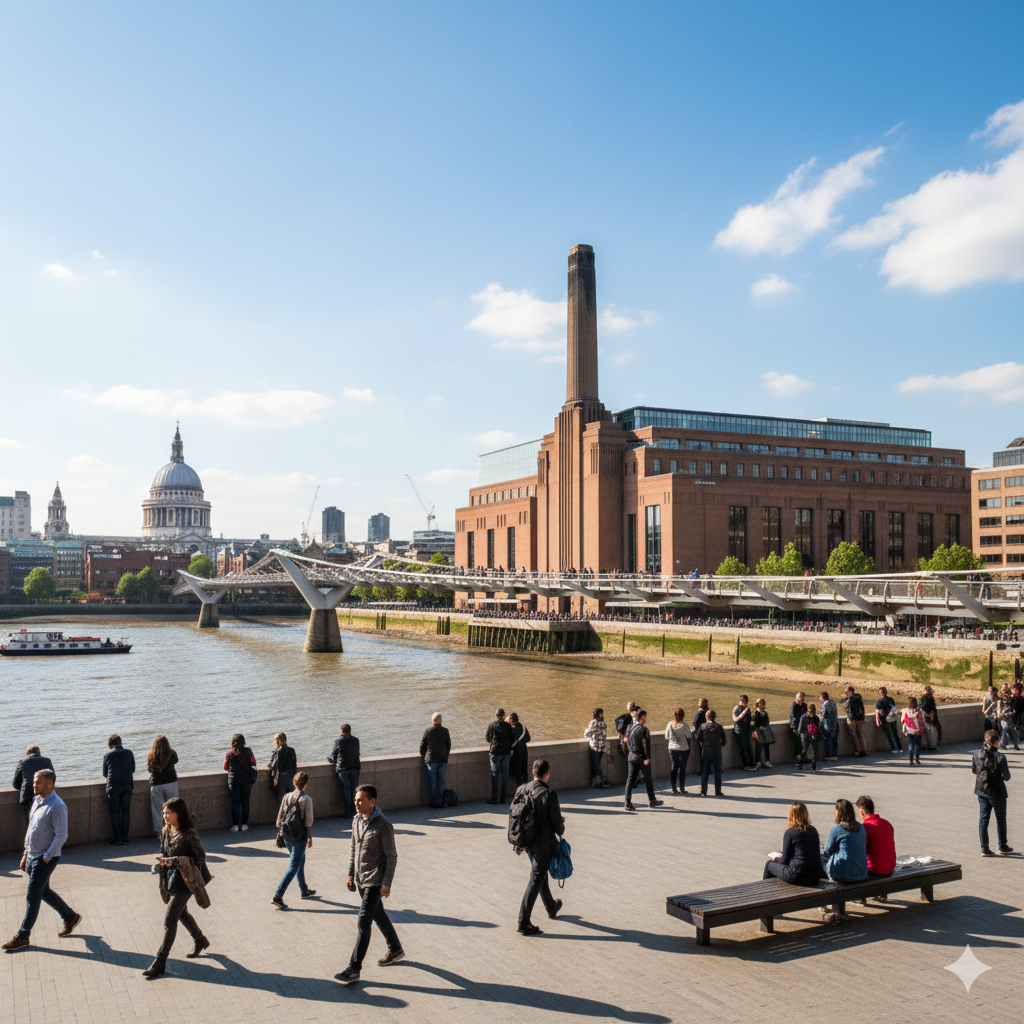
Art lovers should visit the National Gallery, located in Trafalgar Square, where masterpieces by Van Gogh, Monet, and Leonardo da Vinci are displayed. For contemporary and modern art, Tate Modern offers bold exhibitions in a striking riverside setting.
The Victoria and Albert Museum focuses on art, fashion, and design and is especially popular with creatives. These cultural institutions make London one of the world’s leading cities for education, creativity, and inspiration.
Parks, Views, and Outdoor Experiences
Despite being a busy capital, London offers plenty of green spaces for relaxation and outdoor activities. Hyde Park is perfect for walking, cycling, or enjoying a quiet break from sightseeing. Nearby, Regent’s Park is known for its landscaped gardens and open-air theater during the summer months.
For breathtaking city views, the London Eye provides a panoramic experience over the Thames and central London. Greenwich Park combines green open space with history and offers fantastic views of the city skyline, along with access to the Prime Meridian.
These outdoor attractions add balance to London’s fast pace and are ideal for travelers who want to mix sightseeing with relaxation.
Vibrant Neighborhoods and Local Experiences
London’s neighborhoods are as diverse as its people, and exploring them adds depth to any visit. Covent Garden is known for its street performers, boutique shops, and lively cafés, making it a great place to soak up the city’s atmosphere.
For a more alternative vibe, Camden Market offers street food, vintage clothing, and creative stalls. Soho is the heart of London’s nightlife, packed with theaters, music venues, and international restaurants.
Meanwhile, Notting Hill charms visitors with its colorful houses and the famous Portobello Road Market. These neighborhoods showcase London’s cultural diversity and provide authentic local experiences beyond traditional tourist spots.
Final Thoughts: Why London Belongs on Your Travel List
London’s top attractions offer a perfect mix of history, culture, green spaces, and vibrant city life. Whether you are exploring royal landmarks, discovering world-class museums, relaxing in beautiful parks, or wandering through lively neighborhoods, the city delivers unforgettable experiences at every turn. A holiday in London is not just about seeing famous sights; it’s about experiencing a city that constantly evolves while honoring its rich past.
Ramen Recipe Guide and How to Make Authentic Ramen at Home
https://www.teepublic.com/t-shirt/50452996-kid-and-friends?store_id=2851997




zoo-doku