
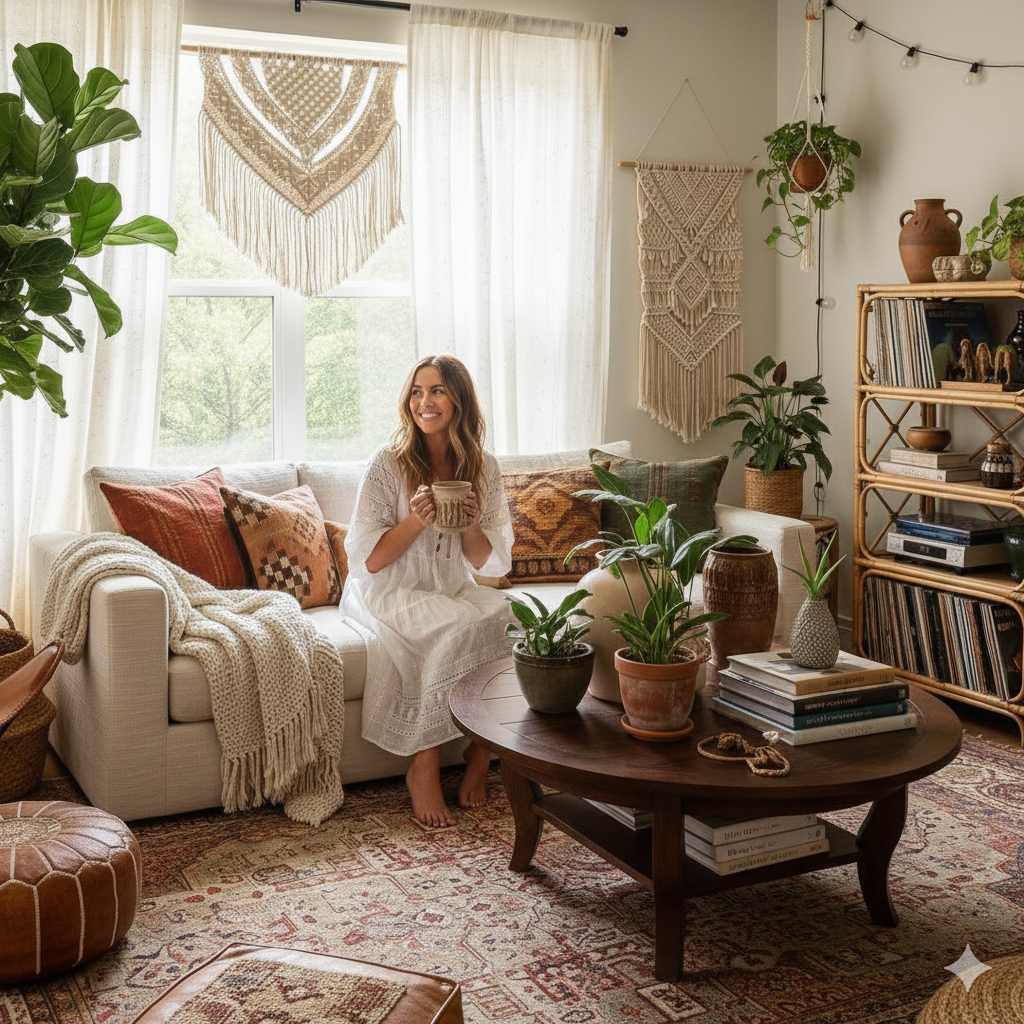
Interior spaces are not neutral backdrops. They shape attention, regulate stress, influence social interaction, and quietly determine whether a day feels focused or fragmented. As research in environmental psychology and neuroscience continues to mature, one conclusion remains consistent: interior design and mood are closely linked, and those emotional shifts can meaningfully affect output, persistence, and creative thinking. When design decisions align with how people actually perceive and process their surroundings, the result is more than aesthetic coherence—it is a measurable improvement in comfort, clarity, and performance.
This guide explains how interior design affects mood and supports efficient work, with practical strategies grounded in psychology. From color psychology in interior design to lighting, layout, and furniture choices, you will learn how to create spaces that encourage calm, sustain concentration, and reduce cognitive strain—whether at home or in professional environments.
The Psychology Behind Interior Design, Mood, and Productivity
How Environment Shapes Emotions and Behavior
Human cognition is highly responsive to environmental cues. Visual complexity, noise levels, lighting quality, and spatial proportions all compete for mental bandwidth. When a room is cluttered, poorly lit, or awkwardly arranged, the brain works harder to filter distractions and resolve minor frustrations. Over time, that effort can translate into irritability, fatigue, and reduced task persistence—key reasons interior design and productivity often rise or fall together.
Conversely, thoughtfully designed environments support “cognitive ease.” Clear pathways, intuitive zones, and comfortable sensory conditions reduce decision fatigue and help the mind remain anchored to its priorities. Even subtle design choices—such as positioning a desk to face natural light or creating a dedicated storage area—can reinforce positive behavioral patterns, from sustained focus to healthier routines.
Key Psychological Principles Used in Interior Design
Several well-established principles explain why certain interiors feel restorative while others feel draining:
- Attention Restoration: Exposure to natural elements and gentle visual patterns helps replenish directed attention. This is one reason biophilic design and outdoor views often improve concentration and mental stamina.
- Perceived Control: Adjustable lighting, movable seating, and flexible layouts foster a sense of agency. Greater control is associated with lower stress and improved work satisfaction.
- Environmental Load: The brain constantly processes sensory input. High glare, loud echoes, disorganized surfaces, and conflicting patterns increase cognitive load, undermining calm and efficiency.
- Territoriality and Boundaries: Clear spatial boundaries—especially in shared homes—reduce interruptions and role confusion. Defining “work,” “rest,” and “social” zones supports both mood regulation and productivity.
Color Psychology in Interior Design for Better Mood and Focus
Best Colors for Productivity in Home Offices and Workspaces
Color influences arousal, perception of space, and emotional tone. The goal is not to chase universal “best” colors, but to select hues that match the tasks performed and the desired mental state. In practice, effective home office design for productivity often uses a restrained palette with strategic accents.
Consider these evidence-aligned tendencies:
- Soft blues and blue-greens: Often associated with calm focus and sustained attention. These tones can work well for analytical tasks, writing, and deep work when used in muted, low-saturation versions.
- Greens: Commonly linked to balance and restoration. Green is an excellent backdrop for long working sessions because it feels stable and less visually fatiguing.
- Warm neutrals (taupe, sand, warm gray): Create visual quiet, helping reduce overstimulation. They pair well with natural materials and can make a workspace feel grounded rather than sterile.
- Controlled accents of yellow or terracotta: These can add optimism and energy, especially for creative studios. Use them as highlights—artwork, a chair, a pinboard—rather than large fields that may become distracting.
Finish and saturation matter as much as hue. Matte or eggshell finishes reduce glare, while highly saturated colors can feel intense in small rooms. For many workspaces, a calm base color with one or two intentional accents delivers focus without monotony.
Calming Color Palettes for Stress Relief and Mental Well-Being
For spaces intended to restore—bedrooms, reading corners, therapy rooms, or quiet lounges—choose palettes that lower sensory intensity. Gentle, nature-derived colors are particularly effective in stress reducing interior design because they signal safety and predictability.
- Muted earth tones: Clay, oatmeal, and warm stone hues can reduce visual “sharpness,” creating a cocooning effect without heaviness.
- Soft, warm whites: Provide brightness without the clinical feel of stark white. Pair with textured fabrics and wood to avoid flatness.
- Desaturated lavender or dusty rose: When used sparingly, these can add softness and warmth, particularly in bedrooms or meditation spaces.
Color should also align with daily rhythms. Cooler palettes can feel crisp in the morning and supportive for concentration, while warmer palettes tend to be more soothing in the evening. Layering these effects by room can subtly support healthier transitions throughout the day.
Layout, Furniture, and Lighting: Designing Productive and Positive Spaces
Space Planning and Ergonomics for Efficient Work and Study Areas
A beautiful space that causes physical strain will eventually degrade mood and performance. Effective layout begins with circulation: ensure you can move comfortably, access storage without obstruction, and transition between tasks without friction. Zoning is equally important—separate focus work from collaboration, relaxation, or entertainment wherever possible, even if the separation is created by a rug, shelving unit, or curtain.
For sustained performance, ergonomic workspace design should be treated as non-negotiable. Key considerations include:
- Desk height and posture support: Forearms should rest comfortably with shoulders relaxed. If the desk is too high, use an adjustable chair and a footrest to stabilize posture.
- Monitor placement: Position the top third of the screen near eye level and keep the screen at a comfortable distance to reduce neck strain and eye fatigue.
- Chair quality: Prioritize lumbar support and seat depth that allows feet to rest flat. If a new chair is not feasible, add a lumbar cushion and a firm seat pad.
- Task adjacency: Place frequently used items within easy reach. Every unnecessary reach or stand-up moment can become a small interruption that fragments attention.
Acoustics, often overlooked, also shape productivity and wellbeing. Soft furnishings, curtains, and rugs can reduce reverberation, making a room feel calmer and improving speech clarity during calls.
Natural vs. Artificial Lighting and Their Impact on Mood
Lighting is among the most powerful levers for emotional regulation and performance. It influences circadian rhythms, alertness, and perceived comfort. Effective lighting for productivity and wellbeing combines access to daylight with layered artificial lighting that supports different tasks and times of day.
Natural light tends to improve mood and energy, particularly when it reaches the eyes indirectly during morning hours. If possible, place primary work areas near windows, using sheer treatments to reduce glare while preserving brightness. Avoid positioning screens directly in front of or behind a window, which can cause contrast issues and eye strain.
Artificial light should be layered rather than relying solely on a harsh overhead source:
- Ambient lighting: Provides general illumination. Choose warm-neutral tones in living areas and a slightly cooler neutral in work zones if it supports alertness.
- Task lighting: A focused desk lamp reduces eye fatigue and improves reading comfort. Adjustable arms and dimming help fine-tune light to the task.
- Accent lighting: Adds depth and reduces the starkness that can make rooms feel sterile. Wall sconces or floor lamps can soften evening environments and promote relaxation.
Color temperature and flicker are important details. Overly cool, high-intensity light late in the day can disrupt winding down, while poor-quality LEDs can cause subtle discomfort. Dimmable fixtures and warm evening lighting support better transitions from work to rest.
Practical Interior Design Tips to Boost Mood and Work Performance
Room-by-Room Ideas to Enhance Comfort and Concentration
Home office or study area: Establish visual order first. Use closed storage for paperwork, and keep the desktop intentionally minimal to reduce attentional leakage. Add one restorative element—such as a plant or a framed landscape—within your natural line of sight to encourage brief, healthy micro-breaks without opening digital distractions.
Living room: Arrange seating to support conversation and relaxation, not just screen viewing. A balanced layout with a clear central pathway reduces friction and makes the space feel composed. If work occasionally happens here, create a discreet “work kit” (laptop stand, compact keyboard, notebook) stored in a nearby cabinet to preserve boundaries and protect the room’s restorative purpose.
Bedroom: Prioritize visual calm. Limit bright, stimulating colors and keep lighting warm and low in the evening. If possible, remove work materials from view. This is one of the most direct interior design tips for mental health: the brain associates environments with behaviors, and a bedroom that signals rest can improve sleep quality and next-day performance.
Kitchen and dining area: Good task lighting and clear counters reduce daily stress. Assign zones—prep, cooking, cleaning—so tools are stored near where they are used. Efficiency in routine spaces has a disproportionate effect on mood because these are repeated interactions throughout the week.
Entryway: Design for decompression. A small bench, hooks at a logical height, and a tray for keys can reduce frantic searching and create a more controlled transition into the home. This seemingly minor change can meaningfully lower background stress.
Budget-Friendly Interior Design Changes with Big Mood Benefits
Improving interior design and mood does not require a full renovation. Target high-impact interventions that reduce friction and improve sensory comfort:
- Declutter with a system, not willpower: Add a few closed bins or baskets where clutter naturally accumulates. Containment is often more effective than attempting minimalism overnight.
- Upgrade lighting before furniture: A quality desk lamp, warm bulbs for evening areas, and a dimmer (where feasible) can transform how a room feels at relatively low cost.
- Introduce texture: Curtains, rugs, and throws soften acoustics and add tactile comfort. They also make neutrals feel layered rather than bland.
- Reposition for daylight and flow: Simply rotating a desk to reduce glare, opening a pathway, or moving a chair to a brighter corner can improve focus without any purchase.
- Add biophilic cues: A low-maintenance plant, natural wood tones, or botanical prints can support restoration. If plants are impractical, high-quality nature imagery still provides a calming signal.
- Use color strategically: Paint is often the most cost-effective tool. Choose a subdued base and reserve stronger colors for small areas or accessories to avoid visual fatigue.
These improvements work because they address the mechanisms that connect how interior design affects mood to daily functioning: reduced cognitive load, fewer physical irritants, and a stronger sense of order and control.
Conclusion
Interior design is, in a practical sense, behavioral design. The colors you live with, the light you work under, and the way furniture guides movement all influence emotional tone and mental clarity. When you apply color psychology in interior design, prioritize ergonomic comfort, and create lighting that supports natural rhythms, you build environments that protect attention and reduce stress. The most effective changes are often the simplest: improve light quality, clarify zones, reduce clutter, and introduce calming cues from nature. With these foundations in place, a home or office can become a quiet ally—supporting focus when you need performance and offering relief when you need recovery.
https://www.teepublic.com/t-shirt/50088651-flashy-car-in-the-desert?store_id=2851997
Top Interior Design Mistakes and How to Avoid Them
Interior Design Styles Explained: From Classic to Contemporary
The Ultimate Guide to Futuristic Fashion Design
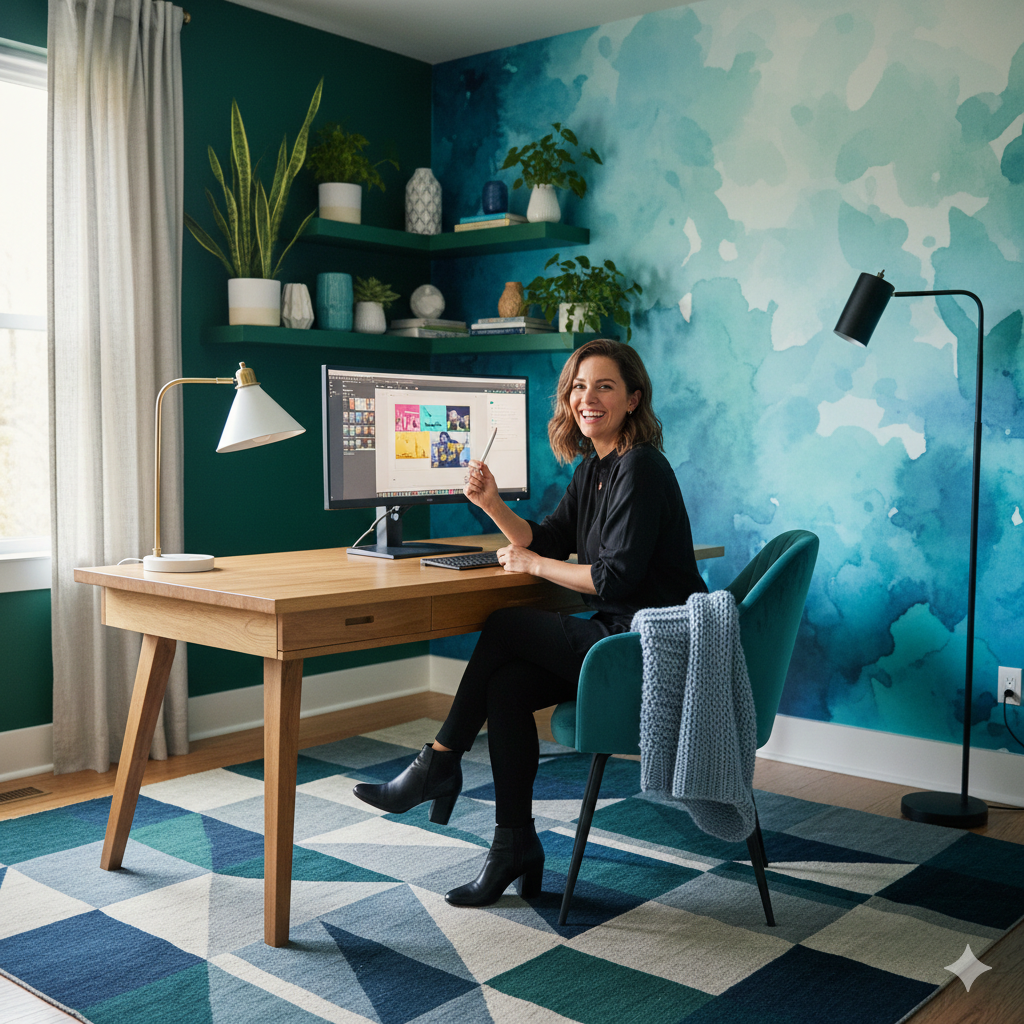
Zoo-doku