
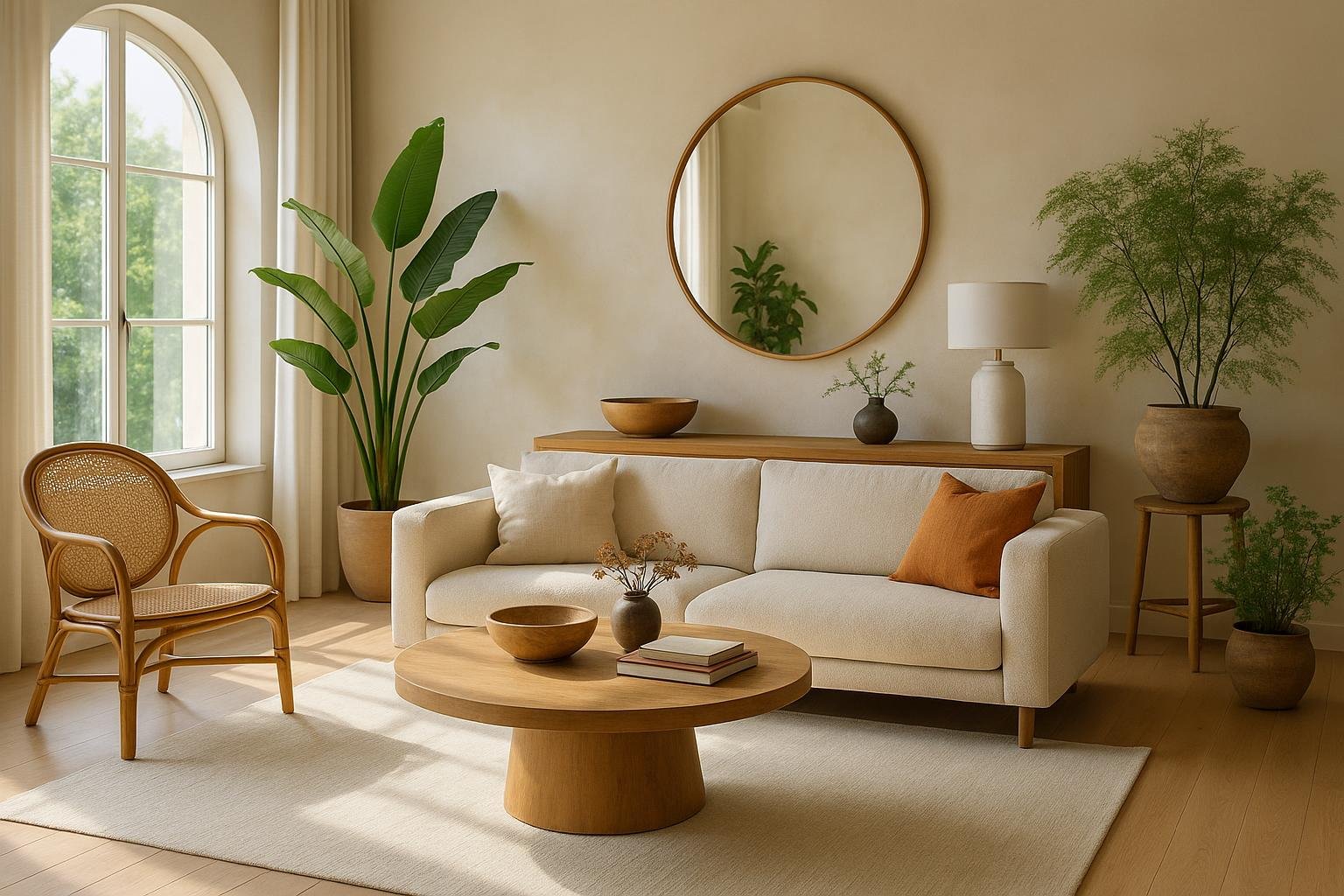
Interior Design Inspired by Wellness and Balance: Simple Ways to Create a Calmer Home
Wellness-inspired interior design is not about making your home look like a luxury spa. It’s about shaping your rooms so they genuinely support how you live: how well you sleep, how clearly you think, how easily you move, and how connected you feel to others.
Instead of chasing a trend or a strict aesthetic, wellness design focuses on small, practical choices—better daylight, cleaner air, quieter rooms, and layouts that fit real routines. The result is a home that looks good, but more importantly, feels balanced and restorative.
Below are simple, actionable ways to bring wellness and balance into your interior design, one space at a time.
Design With Daylight and Sleep in Mind
Light is one of the most powerful tools in wellness-focused interiors. It affects your mood, energy, and sleep quality every single day.
Maximize Natural Light
- Keep windows as clear as possible. Avoid bulky furniture or tall decor directly in front of windows. Use low-profile pieces or move storage to interior walls.
- Choose lighter, reflective surfaces. Pale walls, soft neutrals, and low-sheen finishes help bounce daylight deeper into a room.
- Use airy window treatments. Sheer curtains or light-filtering shades give privacy without blocking all the light. In rooms where privacy is less critical, consider no coverings at all.
Layer Your Lighting for Different Moods
A balanced home lighting plan goes beyond a single overhead fixture. Aim for layers that let you switch from focused to restful at any time of day.
- Ambient lighting: This is your general glow—ceiling lights, wall sconces, or large floor lamps that evenly light the space.
- Task lighting: Focused lights where you need them most: reading lamps by the sofa, desk lamps in work areas, under-cabinet lighting in the kitchen.
- Accent lighting: Softer lights that add atmosphere, like small lamps on side tables or LED strips in shelves.
Use dimmers wherever possible. The ability to dial lighting up or down instantly changes how a room feels—bright and active for cleaning or working, low and warm for winding down.
Support Your Circadian Rhythm
Circadian-aware lighting is a growing theme in wellness design. You can embrace the principle even without smart bulbs:
- Morning: Bright, cooler light helps wake you up and focus. Open curtains fully and use brighter bulbs in kitchens or offices.
- Evening: Shift to warmer, softer light. Turn off harsh overheads and rely more on table and floor lamps with warm bulbs (2700K–3000K color temperature).
- Bedroom: Keep lighting low and indirect in the hour before sleep. Avoid bright screens and strong white light that signals “daytime” to your brain.
Bring Nature Indoors for Calm and Connection
Biophilic design—connecting interiors with nature—is a core part of wellness-focused spaces. It doesn’t require a specific style; it’s about materials, views, plants, and textures that echo the natural world.
Use Natural Materials and Textures
- Wood: Coffee tables, dining chairs, shelving, or even a simple wood tray soften modern or minimal rooms instantly.
- Stone and ceramics: Stone countertops, clay pots, ceramic lamps, or stone-look tiles add an earthy weight and subtle pattern.
- Textiles: Linen, cotton, wool, and jute in rugs, blankets, and cushions bring tactile warmth and depth.
You don’t have to redo entire rooms. Swapping a synthetic rug for a natural-fiber one, or adding wood frames instead of metal, quietly shifts the feel of a space toward calmer, grounded.
Add Plants—At Any Scale
Plants improve the look and feel of a room with very little effort. They introduce life, texture, and sometimes better air quality.
- Start with low-maintenance options. Snake plants, pothos, ZZ plants, and peace lilies tolerate less-than-perfect lighting and watering routines.
- Vary size and height. Mix one or two larger floor plants with smaller ones on shelves, window sills, or side tables.
- Use plants to soften edges. Place a trailing plant on a hard shelf edge, or a tall plant near a corner to break up visual rigidity.
If live plants are not practical, high-quality faux greenery or nature-inspired artwork can still bring some of the psychological benefits of biophilic design.
Highlight Views and Nature-Inspired Shapes
- Frame outdoor views. Arrange furniture so you can look toward a window or balcony instead of a blank wall when seated.
- Choose organic shapes. Curved coffee tables, rounded mirrors, and soft-edged sofas feel more natural and less rigid than sharp, boxy forms.
- Use nature palettes. Soft greens, warm earth tones, sky blues, and stone grays create a calm base that works with many styles.
Prioritize Air Quality and Healthy Materials
A wellness-oriented home looks beyond surfaces to the air you breathe and the materials that surround you every day.
Improve Ventilation and Fresh Air
- Open windows regularly. Even 10–15 minutes of cross-ventilation can noticeably freshen a room.
- Use exhaust fans effectively. Turn on fans while cooking or showering to reduce moisture and pollutants.
- Consider air purifiers in key spaces. Bedrooms and living rooms benefit most, especially in urban areas or homes with pets.
Choose Low-Impact Paints and Finishes
- Opt for low- or no-VOC (volatile organic compound) products. These paints and finishes release fewer chemicals into your home’s air over time.
- Look for third-party certifications. Labels like GREENGUARD or similar eco-standards can help you identify healthier materials.
- Mind adhesives and sealants too. Flooring glues, caulks, and varnishes can also off-gas; choose low-VOC options when possible.
Plan for Easy, Regular Cleaning
Clean, low-dust spaces feel lighter and are easier to maintain when you think about upkeep during the design phase.
- Choose washable surfaces. Slipcovers, washable rug options, and wipeable wall paints make refreshes quicker.
- Simplify clutter-prone areas. Entryways, kitchen counters, and bedside tables stay healthier and calmer when surfaces aren’t buried under “stuff.”
- Store everyday cleaning basics in reach. A small vacuum or handheld cleaner accessible to main living areas encourages short, frequent cleanups instead of big, stressful ones.
Make Rooms Quieter and More Comfortable
Acoustic comfort and physical comfort are often overlooked, yet they dramatically influence how restful or stressful a space feels.
Soften Acoustics With Textiles
- Layer rugs. In hard-floor spaces, area rugs absorb echo and footsteps. Add a rug pad underneath for extra sound dampening and comfort.
- Hang curtains. Floor-length curtains, even if purely decorative, reduce sound reflection on glass.
- Use upholstered pieces. Sofas, padded dining chairs, and fabric headboards help absorb noise and make rooms feel less “sharp.”
Support the Body: Ergonomics and Temperature
- Invest in supportive seating. Chairs and sofas should support your lower back and let feet touch the floor comfortably.
- Set up healthy work zones. If you work from home even occasionally, prioritize a chair with lumbar support and a desk height that keeps wrists neutral.
- Balance temperature and airflow. Use layered textiles (throws, heavier curtains, area rugs) to stabilize temperature and consider ceiling fans for gentle air movement.
Wellness design treats comfort as a non-negotiable foundation, not an afterthought.
Create Balance Through Intentionality, Not Strict Minimalism
A balanced home is not necessarily a minimal one. You don’t have to strip your rooms to bare walls and a single chair. Instead, focus on intentionality—keeping what you use, love, and value, and releasing what constantly distracts or overwhelms you.
Edit Visual Clutter, Not Your Personality
- Declutter by category, not by room. For example, gather all books or all cords and sort them together. This makes it easier to see what you truly need.
- Give belongings a clear “home.” Baskets, trays, and drawer dividers help everyday items feel contained instead of scattered.
- Display fewer items, more intentionally. A curated shelf of favorite photos, books, and objects feels calmer and more meaningful than a crowded one.
Design for Visual Rest
Every room benefits from at least one area where the eye can rest.
- Create calm backdrops. Choose simpler wall colors or less busy patterns in zones where you want relaxation or focus.
- Balance open and closed storage. Open shelves for a few beautiful pieces, closed cabinets or baskets for everything else.
- Limit competing focal points. If you have a statement artwork, fireplace, or view, allow that to lead and keep nearby decor quieter.
Give Activities Their Own Zones
Wellness-oriented interiors are built around how you actually use your home: working, resting, cooking, connecting, exercising, reading. Creating gentle “zones” for these activities—even in small spaces—supports balance in daily life.
Create Simple, Supportive Corners
- Reading nook: A comfortable chair, good lamp, soft throw, and small side table are enough. Place it by a window if possible.
- Calm bedroom: Keep surfaces clear, lighting soft, and screens out of sight. Treat your bed as a dedicated sleep zone, not an office or entertainment center.
- Work zone: Even a compact desk or a fold-out wall shelf can define a mental boundary between “work mode” and “home mode.”
Use Layout to Guide Behavior
- Clarify pathways. Avoid blocking natural walkways with furniture. Clear circulation supports both safety and a sense of flow.
- Group related functions. Keep all work tools in one area, all workout gear in a single basket, or all art supplies on a dedicated shelf.
- Carve out micro-wellness spaces. A corner with a yoga mat and storage basket, a windowsill with a cushion for reflection, or a small tabletop for journaling can all serve as wellness “anchors.”
Start Small: Practical First Steps Toward a Wellness-Focused Home
Transforming your home into a wellness-inspired space doesn’t have to be a total overhaul. Start with one or two high-impact changes:
- Rearrange furniture so your favorite seat faces a window or a calmer view.
- Add a layered lighting setup in the living room: one floor lamp, one table lamp, and dimmable bulbs.
- Introduce one new plant per main room, or swap a synthetic decor item for a natural material.
- Choose low-VOC paint for your next refresh, especially in bedrooms or nurseries.
- Place an area rug and curtains in an echoey room to soften sound and add warmth.
- Clear and re-style one surface—like a coffee table or dresser—with just a few intentional items.
- Define one wellness corner, whether for reading, stretching, or quiet reflection.
Conclusion: A Home That Works With You, Not Against You
Interior design inspired by wellness and balance is not about perfection or a single “right” look. It’s about asking: Does my home support
Discover More from Didier Lancelot
Amazon Author page: amazon.com/author/didierlancelot
Narmer Store: narmerstore.org
AI and Technology Ebooks
- Creative AI: Animated Drawings, Manga & Illustrations
- Build a Game with AI: The No-Code Guide
- AI Image Generation Made Easy
- Build a Website with AI: The No-Code Guide
- How to Connect AI to Your Blog: The Ultimate Automation Guide
- AI Productivity Habits: Get More Done in Less Time
- AI Avatars Made Easy
- The Book of AI Prompts: 100+ Proven Prompts
- Make Music with AI: Suno, Udio and AI Music Generators
- Click to Cash
- The Automated Edge: Outwork, Outpace, and Outperform with AI
- AI Side Hustle: How to Make Money with ChatGPT and AI Tools
- Work Smarter with AI
Health, Lifestyle and Home Ebooks
- Hidden Superfoods: The World’s Most Powerful Healing Foods
- Spanish Food: The Complete Cookbook for Authentic Home Cooking
- The Science of Happiness Explained
- The Psychology of Success
- The Secret Sauce of Consistency: What the Experts Don’t Tell You About Fitness
- The Complete Home Bartender’s Guide: Link 1 | Link 2
- Natural Beauty, Made Simple: Easy DIY Organic Skincare Recipes
- Garden Made Simple: Easy, Beginner-Friendly Techniques
- The Dog Training Bible