
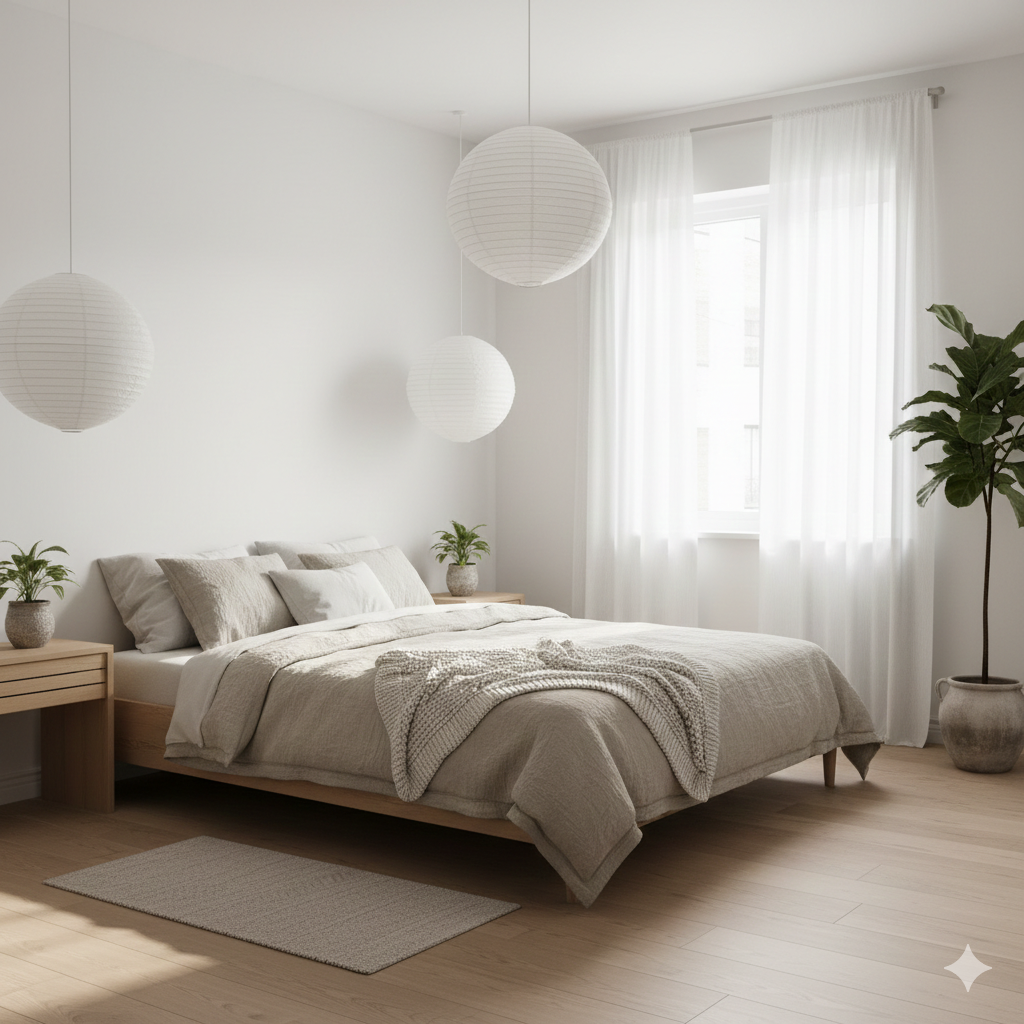
Interior design is more than decoration; it is a disciplined way of shaping space to support daily life, express personal taste, and create cohesion from room to room. Yet with so many interior design styles in circulation—from classic heritage looks to sleek contemporary expressions—choosing a direction can feel overwhelming. This guide explains the most influential styles, outlines their defining characteristics, and offers practical cues to help you identify what will work best in your home.
Understanding Interior Design Styles: The Basics
What Is an Interior Design Style?
An interior design style is a recognizable framework of aesthetics and principles that guides how a space is composed. It includes characteristic choices in architecture, furniture silhouettes, materials, color palettes, lighting, textiles, and decorative accents. When a style is applied thoughtfully, it creates visual continuity and a sense of intention—whether the home leans toward classic interior design with ornate details or contemporary interior design with clean geometry and edited finishes.
Importantly, styles are not rigid rules. They are reference points. Many successful homes borrow from more than one tradition, but they do so with a clear hierarchy—one primary style supported by secondary influences—so the result feels curated rather than accidental.
How to Choose the Right Interior Design Style for Your Home
The best style is the one that aligns with your architecture, your lifestyle, and your tolerance for maintenance. Begin by observing the fixed elements you cannot easily change: ceiling height, window proportions, flooring, and built-in features. A formal home with detailed trim often suits traditional interior decor, while an open-plan apartment may naturally accommodate a more modern or minimalist interior design approach.
Next, define how you want the space to function. Households with children and pets may prioritize durable upholstery, performance fabrics, and forgiving finishes. Those who entertain frequently may invest in flexible seating, layered lighting, and a dining area designed for comfort over ceremony.
Finally, create a short list of visual preferences. Consider whether you are drawn to warm woods or cool metals, patterned textiles or restrained solids, symmetry or relaxed composition. Save images that appeal to you, then look for common threads: repeated colors, similar furniture profiles, or recurring materials. These patterns will point toward the interior design styles that fit your instincts most naturally.
Timeless Classic Interior Design Styles
Traditional Interior Design Style: Key Features and Decor Ideas
The traditional interior design style is rooted in European-inspired formality and craftsmanship. It favors balanced layouts, refined ornamentation, and a sense of enduring elegance. Interiors typically feature rich woods, detailed millwork, and classic furniture forms such as rolled arms, cabriole legs, and tufted upholstery.
Key features:
- Symmetry and order in furniture placement, often anchored by a central focal point such as a fireplace or statement artwork.
- Layered textiles including drapery, rugs, and upholstered pieces that add depth and comfort.
- Warm, nuanced palettes—creams, taupes, deep greens, burgundy, and navy—balanced with natural wood tones.
- Decorative detail such as crown molding, wainscoting, framed mirrors, and classic lighting.
Decor ideas: Introduce a patterned rug to establish structure, then build a cohesive scheme with coordinated upholstery and tasteful accessories. Use table lamps and wall sconces to create a soft, ambient glow. For a fresher take on traditional interior decor, pair classic furniture with simplified window treatments and restrained accessories to avoid heaviness.
https://www.teepublic.com/t-shirt/50508294-zen?store_id=2851997
Transitional Interior Design Style: Blending Classic and Modern Elements
Transitional design occupies the middle ground between heritage and contemporary sensibilities. It retains the warmth and familiarity of classic interior design while adopting cleaner lines, lighter palettes, and a more relaxed approach to ornamentation. For many homeowners, it is the most versatile of the interior design styles because it accommodates evolving tastes.
Key features:
- Streamlined classic forms—traditional silhouettes with fewer embellishments and smoother profiles.
- Neutral foundations such as ivory, greige, soft gray, and warm white, often punctuated by darker accents.
- Mixed materials like wood with metal, linen with leather, or marble with matte finishes.
- Balanced contrast that feels calm rather than dramatic.
- https://orenga.myspreadshop.com/cute+animal+bathing-A6529a7d0237004288cb585d4?productType=815&sellable=GB9Z3yzrbRioQGxa3BQe-815-9&appearance=2
Decor ideas: Combine a tailored sofa with a modern coffee table in stone or glass. Use textured fabrics—bouclé, linen, or wool—to add richness without ornate patterns. Select art that introduces color and personality while keeping the overall composition composed and uncluttered.
Popular Modern and Contemporary Interior Design Styles
Modern vs. Contemporary Interior Design: What’s the Difference?
The distinction between modern and contemporary is frequently misunderstood, yet it matters when planning a cohesive home. In the modern vs contemporary style debate, “modern” refers to a specific design movement—primarily mid-20th-century modernism—characterized by function-first thinking, clarity of form, and honest materials. “Contemporary,” by contrast, describes what is current and evolving; it borrows from multiple influences and shifts over time.
Modern interior design tends to emphasize clean lines, minimal ornamentation, warm woods, and purposeful geometry. Contemporary interior design often features a more fluid mix: sculptural furnishings, innovative materials, and an emphasis on open space, natural light, and curated restraint. Both can feel minimal, but contemporary rooms frequently incorporate bolder contrasts and more experimental shapes.
Minimalist, Scandinavian, and Mid-Century Modern Interior Design Styles
These three styles share a preference for clarity and function, yet each offers a distinct atmosphere—from austere simplicity to inviting warmth.
https://www.teepublic.com/t-shirt/50452998-penguin-otter?store_id=2851997
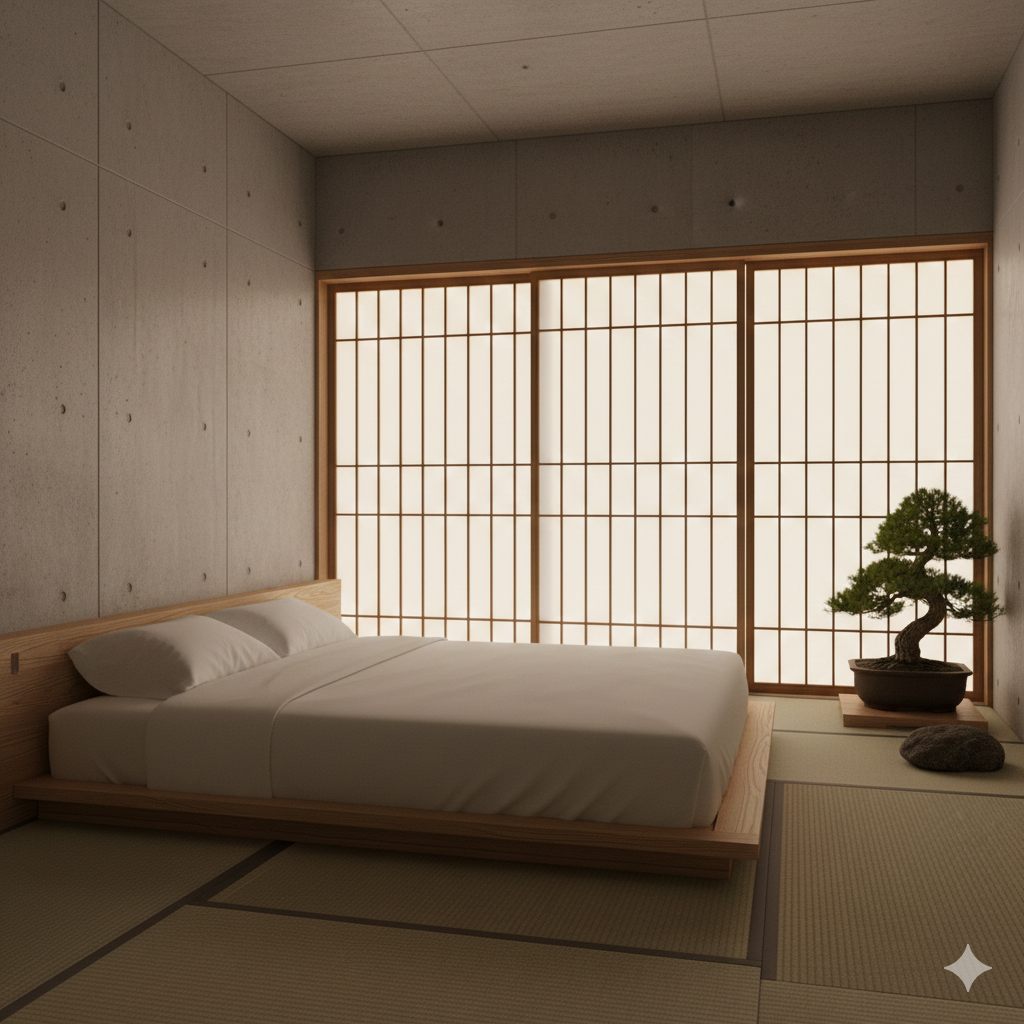
Minimalist interior design: Minimalism is defined by reduction and intention. Every object earns its place through purpose or beauty. Palettes are typically quiet—white, beige, charcoal, and muted earth tones—while storage is designed to conceal visual noise.
- Best for: Those who value calm, order, and architectural breathing room.
- Signature moves: Built-in storage, simplified profiles, and a limited material palette (for example: plaster walls, light wood, matte black accents).
- Styling tip: Use texture rather than decoration—ribbed glass, woven textiles, and subtle stone veining create depth without clutter.
Scandinavian design style: Scandinavian interiors combine practicality with comfort, offering a bright, livable aesthetic suited to daily routines. The Scandinavian design style often features pale woods, soft neutrals, and an emphasis on natural light, balanced with cozy textiles.
- Best for: Homes that need warmth without visual heaviness.
- Signature moves: Light timber floors, simple furniture, functional lighting, and tactile elements such as wool throws and linen upholstery.
- Styling tip: Introduce a few dark accents—black frames, charcoal ceramics, or smoked oak—to add definition and contrast.
Mid-century modern: Mid-century modern design celebrates iconic silhouettes, organic forms, and craftsmanship. It often blends warm woods like walnut and teak with graphic shapes and occasional bursts of color.
- Best for: Those who appreciate vintage character and design history without ornate detailing.
- Signature moves: Tapered legs, low-profile seating, geometric patterns, and statement lighting.
- Styling tip: Keep walls and large surfaces relatively restrained so iconic pieces—such as a sculptural chair or a walnut credenza—can command attention.
- https://orenga.myspreadshop.com/beautiful+rainbowsplatter+paint-A650b709fd98b8e4d7545a516?productType=812&sellable=74xrYmbMnQtLazLX4BX2-812-7&appearance=397
Niche and Eclectic Interior Design Styles to Explore
Industrial, Rustic, and Farmhouse Interior Design Styles
These styles often overlap in their appreciation for honest materials and a grounded, tactile atmosphere. Still, their visual language differs—industrial spaces lean urban and utilitarian, rustic interiors feel raw and nature-driven, and farmhouse design emphasizes comfort with a heritage sensibility.
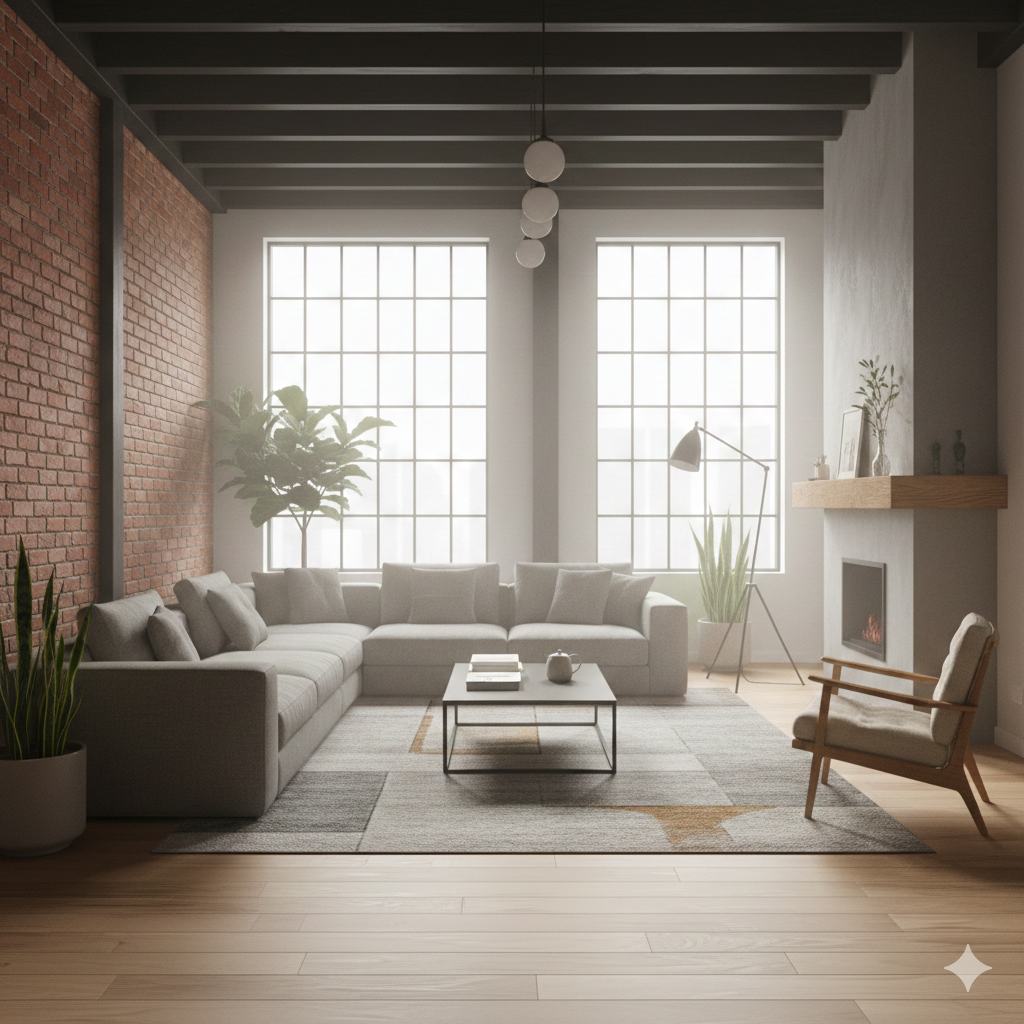
Industrial style: Industrial design is inspired by warehouses and converted lofts. It foregrounds structure and utility, frequently showcasing brick, concrete, exposed beams, and metalwork. Industrial and rustic decor can be combined effectively, but industrial interiors generally feel sharper and more architectural.
- Key features: Metal finishes, open shelving, utilitarian lighting, and a neutral palette grounded in grays, blacks, and warm leather.
- Decor ideas: Pair a reclaimed wood dining table with black steel legs, add oversized pendants, and use textured textiles to soften hard surfaces.
Rustic style: Rustic design celebrates nature and imperfection. It emphasizes timber grains, stone textures, handmade objects, and a palette that echoes the outdoors—browns, creams, forest greens, and muted reds.
- Key features: Distressed wood, natural stone, artisanal finishes, and cozy layering.
- Decor ideas: Use a large woven rug, introduce pottery and aged metals, and prioritize warm, ambient lighting for a cabin-like glow.
Farmhouse style: Farmhouse interiors are rooted in practicality and hospitality. Modern farmhouse variations often blend clean lines with classic comforts: shiplap accents, apron-front sinks, and a mix of vintage and new pieces.
- Key features: Light neutrals, approachable furnishings, and a balance of old and new.
- Decor ideas: Combine a sturdy dining table with mixed seating, incorporate simple black hardware, and select warm whites to keep the home bright rather than stark.
Boho, Eclectic, and Coastal Interior Design Styles
For homeowners who want personality and layered storytelling, these styles offer freedom. They rely on thoughtful curation—mixing colors, patterns, and objects—while maintaining an underlying sense of harmony.
Boho style: Bohemian design is expressive and textural, built through collected pieces, global influences, and relaxed composition. It often includes rattan, macramé, mixed patterns, and plants.
- Key features: Layered textiles, artisanal accessories, warm hues, and a casual, lived-in elegance.
- Decor ideas: Combine patterned rugs, add low seating or poufs, and use natural materials—jute, cane, linen—to ground the abundance of detail.
Eclectic home style: Eclectic design is not random; it is a controlled mix of eras and influences unified by proportion, color, or repeated materials. An eclectic home style might pair contemporary art with antique furniture, or combine minimalist architecture with richly patterned textiles.
- Key features: Contrast, intentional variety, and a strong point of view.
- Decor ideas: Establish a consistent palette, repeat one or two finishes throughout (such as brass or blackened steel), and let one statement piece anchor each room.
Coastal style: Coastal interiors are airy, light-reflective, and relaxed—more about atmosphere than overt nautical motifs. Materials are typically natural and breathable: linen, cotton, pale woods, and woven textures.
- Key features: Sun-washed neutrals, soft blues and greens, and an emphasis on comfort.
- Decor ideas: Use sheer window treatments to maximize daylight, choose slipcovered seating for an effortless look, and add subtle texture through sisal rugs and woven baskets.
Whether you gravitate toward traditional interior decor, prefer the clarity of minimalist interior design, or are drawn to an eclectic home style that reflects a life well traveled, the most successful interiors share one trait: coherence. Choose a guiding direction, then reinforce it through repeated materials, consistent proportions, and a deliberate palette. With a clear understanding of interior design styles—and the confidence to adapt them to your needs—you can create a home that feels both visually resolved and distinctly yours.
How to Create a Fitness Vision Board
How do practice bodybuilding without weight
The Best Home Workout Equipment
Top 5 Nutrition Tips for Marathon Runners
Slither Arcade
Features
- Classic Gameplay: Grow your snake by eating apples while avoiding self-collision.
- Dynamic Difficulty: The game speed increases as you eat more food.
- Juicy Polish: Screen shakes on eating, pulsing food animations, and high-score tracking.
- Responsive Controls: Use Arrow keys, WASD, or swipe on touch devices/mouse.
- Visuals: Custom-generated stylized assets and a minimalist neon background.
How to play:
- Controls: Use Arrow Keys or WASD to change direction. On mobile, Swipe in the direction you want to turn.
- Objective: Eat the glowing red apples to grow and increase your score. The game ends if you collide with your own tail.
The snake wraps around the screen edges, allowing for strategic maneuvers! Enjoy your game.Controls Reminder: The golden apple slows time for 5 seconds