
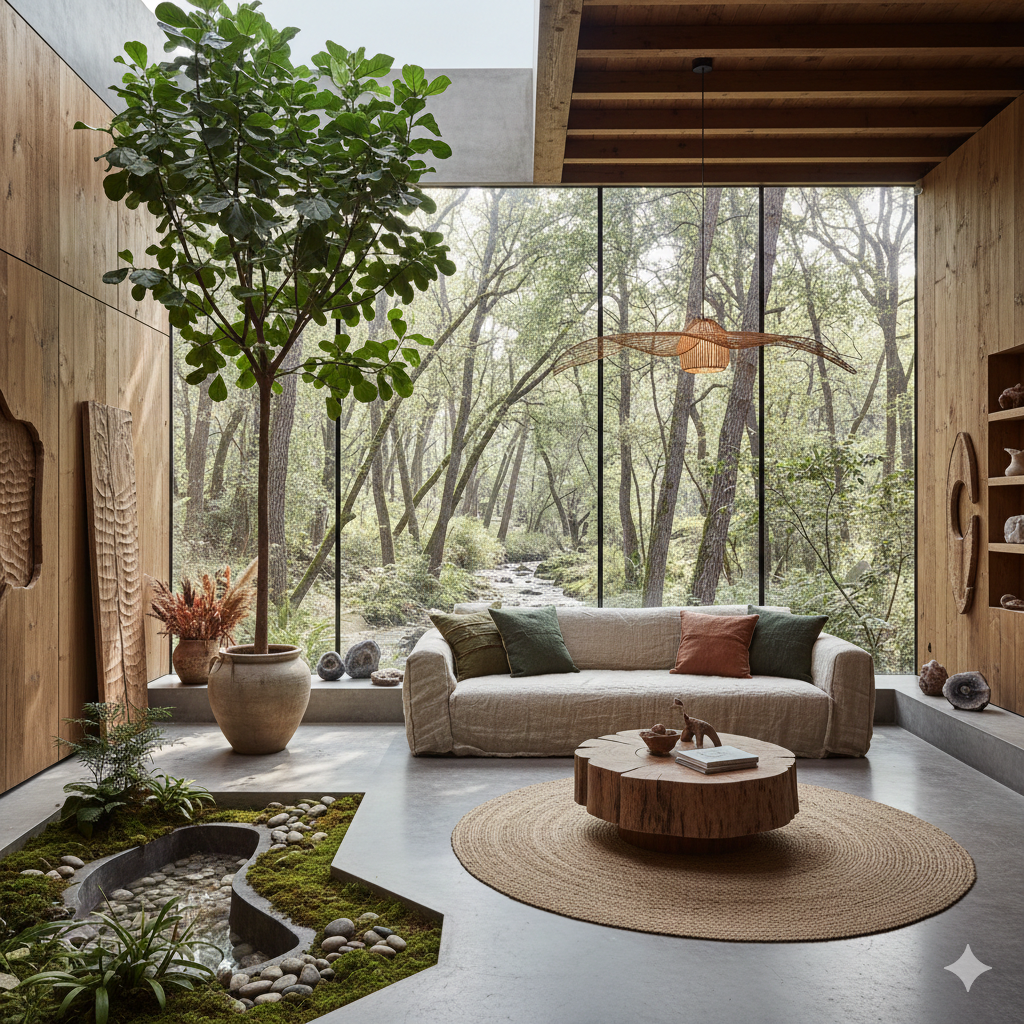
Nature is not merely a visual reference; it is a design intelligence that informs how spaces feel, function, and support daily life. As interior design trends evolve toward greater comfort and responsibility, homeowners are gravitating to environments that echo the calm logic of the outdoors—natural materials, balanced light, restorative greenery, and mindful consumption. This approach is more than aesthetic. It reflects a desire for homes that promote wellbeing, reduce environmental impact, and offer a quietly luxurious sense of ease.
Biophilic Interior Design: Bringing the Outdoors In
What Is Nature-Inspired Interior Design?
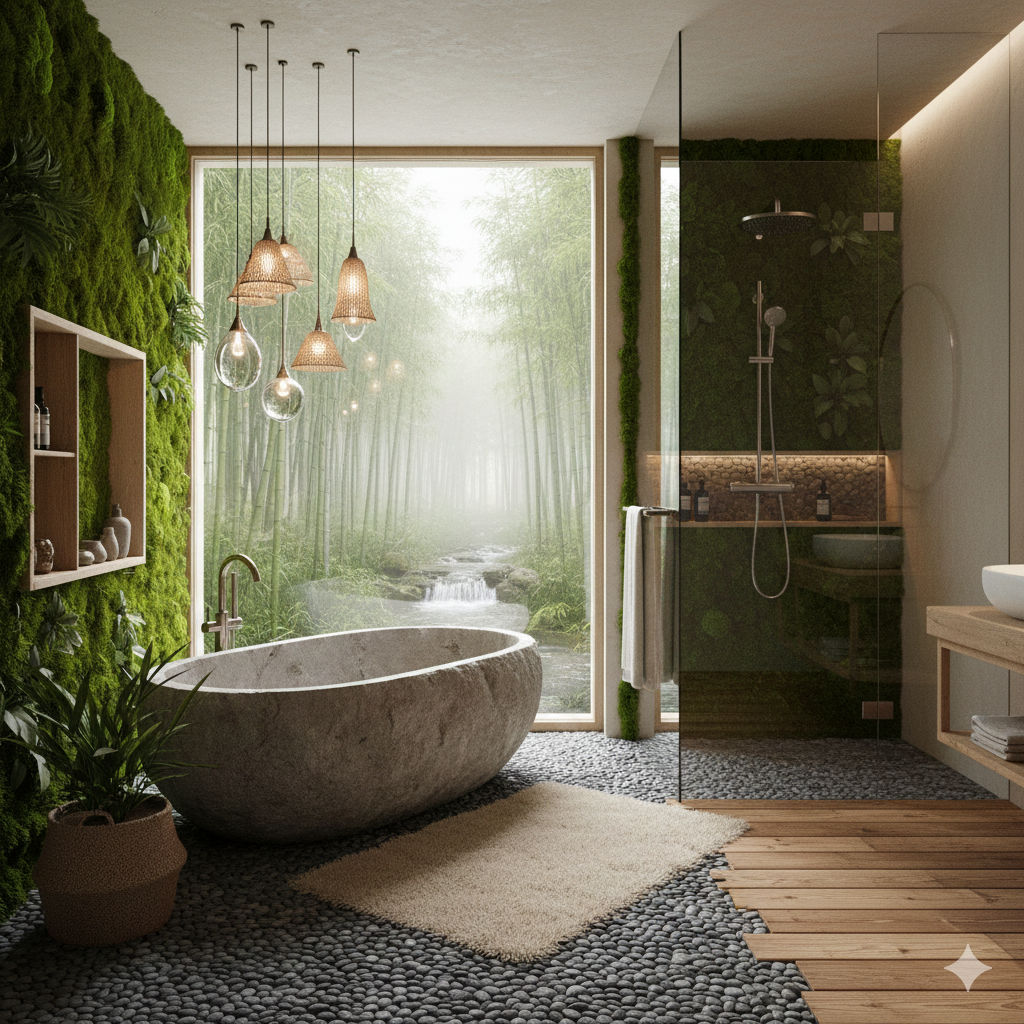
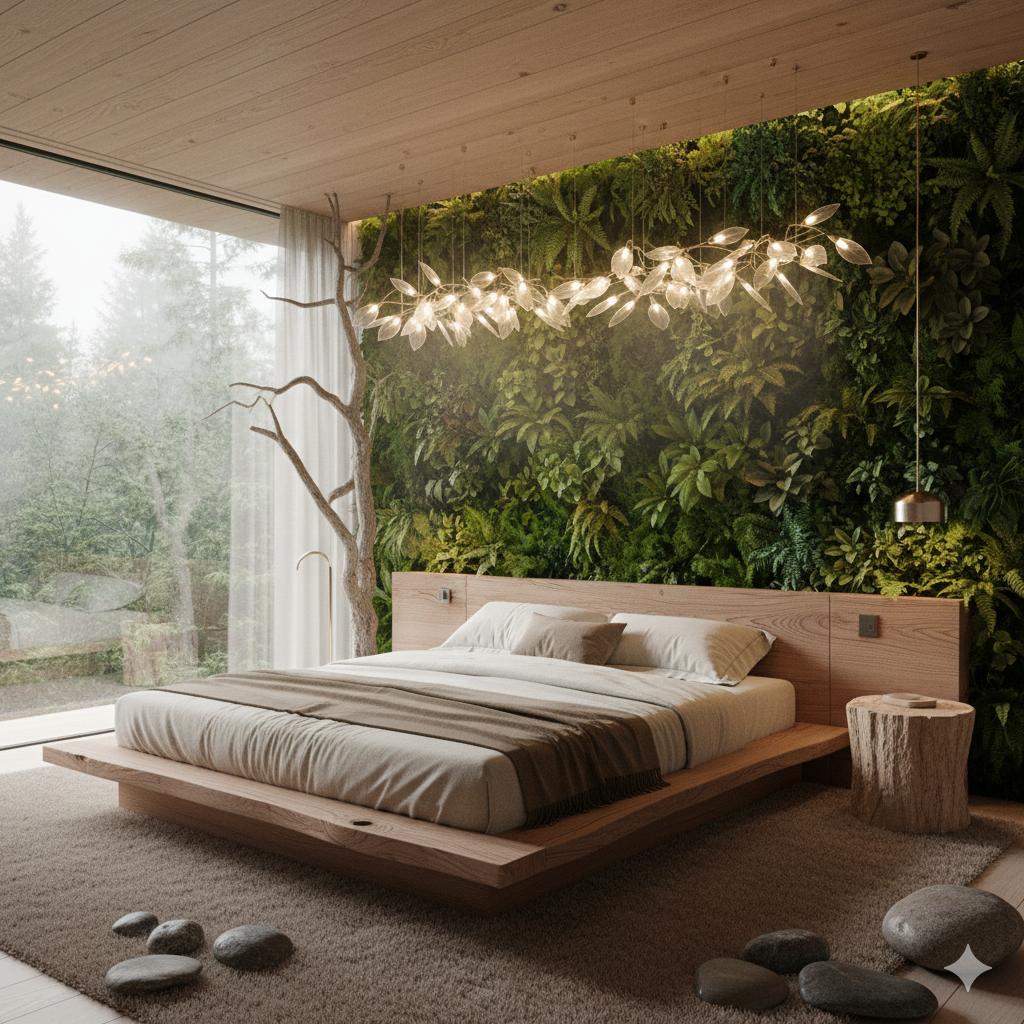
Nature inspired interior design translates the patterns, textures, and rhythms of the natural world into the built environment. Rather than relying on literal themes, it prioritizes authenticity: timber with visible grain, stone that retains subtle variation, colors drawn from soil and foliage, and layouts that invite daylight to travel across a room. Within this broader movement, biophilia provides a clear framework—integrating living elements, natural analogues, and spatial strategies that help people feel connected to nature even in urban settings.
In practice, biophilic interiors can be minimal or richly layered. The common thread is intention: materials are selected for their tactile and visual truth, and the home is arranged to support a sense of refuge and openness. These biophilic design ideas often include indoor planting, organic shapes, water or stone features, and design decisions that highlight views, airflow, and seasonal change.
Key Benefits of Biophilic Design for Home and Wellbeing
Biophilic design is increasingly valued for its measurable and intuitive benefits. Exposure to natural light, greenery, and organic textures can encourage relaxation and sustained attention, making everyday routines feel less demanding. A room that is bright, breathable, and visually grounded tends to support better mood regulation and a stronger sense of comfort—particularly in spaces used for work, rest, and family gathering.
Beyond wellbeing, the biophilic mindset often leads to better design discipline. When natural materials and living elements become priorities, homeowners tend to avoid transient decor, choose higher-quality pieces, and create interiors that age gracefully rather than date quickly. The result is a home that feels current without being trend-dependent—an outcome at the heart of many modern interior design trends.
Organic Materials and Earthy Color Palettes
Natural Woods, Stone, Rattan, and Sustainable Textiles
Few choices communicate warmth as effectively as honest materials. Organic materials decor emphasizes surfaces that carry depth and variation—oak, walnut, and ash; travertine, limestone, and slate; rattan, cane, and seagrass. These elements introduce visual complexity without clutter, because their inherent texture does much of the decorative work.
Sustainable textiles elevate the experience further. Linen, hemp, organic cotton, and responsibly sourced wool bring softness and breathability while reinforcing a more conscious approach to sourcing. Consider linen drapery that filters daylight, a wool rug that quiets a room acoustically, or upholstered seating in natural fibers that feel comfortable year-round. In each case, the goal is a tactile interior where the materials are not an afterthought but a primary design language.
Earth-Toned Color Schemes and Botanical-Inspired Accents
Earthy color palettes are central to nature-led interiors because they create a stable emotional baseline. Think clay, sand, oat, warm white, moss, olive, and deep umber—tones that soften contrasts and allow natural textures to stand out. These palettes work particularly well in open-plan spaces where color continuity can make transitions feel seamless.
Botanical-inspired accents should read as curated, not themed. A muted green backsplash tile, a terracotta vessel, or artwork that references topography or plant forms can reinforce the connection without becoming literal. For a more contemporary edge, pair earth tones with blackened metal, bronzed hardware, or smoky glass. The interplay of grounded hues and refined finishes creates a look that is both calming and architectural.
https://www.teepublic.com/t-shirt/50549697-slow-sloth?store_id=2851997
Indoor Greenery, Natural Light, and Living Features
Houseplants, Green Walls, and Indoor Herb Gardens
Thoughtful indoor plants decorating is about placement and proportion as much as plant selection. Large statement plants—such as fiddle-leaf fig, rubber plant, or bird of paradise—can anchor a room the way a sculptural object would, while smaller plants soften shelves, consoles, and countertops. Grouping plants in odd numbers and varying heights helps arrangements feel natural rather than staged.
For more immersive impact, consider living features. A compact green wall in an entryway or dining area can become a focal point that also improves acoustic comfort and visual freshness. Indoor herb gardens—whether on a sunny sill or under discreet grow lights—offer functional beauty, tying the kitchen to the sensory experience of scent and taste. These choices bring vitality into the home and keep the natural world present in daily rituals.
Maximizing Natural Light, Views, and Airy Layouts
Natural light interiors begin with removing barriers to daylight. Sheer, textured window treatments preserve privacy while maintaining brightness. Where possible, replace heavy drapes with linen panels, select lighter wall finishes that reflect light, and position mirrors to redirect daylight deeper into a room. A mirror placed perpendicular to a window often produces a more convincing glow than one placed directly opposite.
Layout also matters. An airy plan with clear pathways supports an intuitive sense of flow and improves how light moves through the space. Arrange seating to face windows or outdoor views, and avoid tall storage that blocks sightlines. If renovations are an option, consider interior glazing, transom windows, or widened openings between rooms to borrow light. These strategies enhance comfort and make even modest homes feel more expansive.
Eco-Friendly Decor, Textures, and Nature-Inspired Styling Tips
Sustainable Furniture, Zero-Waste Decor, and Upcycled Pieces
Sustainable home decor is as much about longevity as it is about materials. Prioritize well-made furniture with repairable components, classic proportions, and finishes that can be refinished rather than replaced. Look for certified wood, low-VOC finishes, and manufacturers with transparent sourcing. This is the practical foundation of eco friendly interior design: fewer purchases, better choices, and an emphasis on durability.
Top Interior Design Mistakes and How to Avoid Them
How Interior Design Influences Mood and Productivity
Interior Design Styles Explained: From Classic to Contemporary
Zero-waste decor does not require austerity. It may mean choosing vintage lighting, repurposing heirloom furniture, or selecting accessories made from reclaimed glass and recycled ceramics. Upcycled pieces—such as a refinished sideboard, a reupholstered chair, or shelving made from salvaged timber—add character that new items often lack. They also prevent interiors from feeling overly uniform, introducing a lived-in sophistication that complements natural materials.
Layered Textures, Organic Shapes, and Nature-Inspired Accessories
The most convincing nature-led rooms rely on texture. Layer a nubby wool rug beneath a smooth wood coffee table; pair matte ceramics with woven baskets; add boucle or linen cushions against leather or timber. This interplay creates visual depth and sensory comfort without demanding bold pattern. Texture is a subtle tool, but it is one of the most effective ways to make a space feel complete.
Organic shapes further reinforce the theme. Curved silhouettes—arched mirrors, rounded tables, softly contoured seating—echo forms found in pebbles, branches, and shorelines. Accessories should feel intentional: a stone tray, driftwood sculpture, pressed botanical print, or artisanal pottery in mineral glazes. Used sparingly, these elements strengthen the narrative of nature inspired interior design while keeping the home refined and contemporary.
Nature-inspired interiors succeed when they are grounded in real choices: authentic materials, light-aware layouts, living greenery, and a commitment to sustainability. By combining biophilic principles with organic materials decor, earthy color palettes, and responsible sourcing, you can create rooms that feel calm, restorative, and enduring. The most compelling spaces do not imitate nature; they collaborate with it—bringing the outdoors in through texture, light, and a thoughtful, lasting approach to design.
Slither Arcade
Features
- Classic Gameplay: Grow your snake by eating apples while avoiding self-collision.
- Dynamic Difficulty: The game speed increases as you eat more food.
- Juicy Polish: Screen shakes on eating, pulsing food animations, and high-score tracking.
- Responsive Controls: Use Arrow keys, WASD, or swipe on touch devices/mouse.
- Visuals: Custom-generated stylized assets and a minimalist neon background.
How to play:
- Controls: Use Arrow Keys or WASD to change direction. On mobile, Swipe in the direction you want to turn.
- Objective: Eat the glowing red apples to grow and increase your score. The game ends if you collide with your own tail.
The snake wraps around the screen edges, allowing for strategic maneuvers! Enjoy your game.Controls Reminder: The golden apple slows time for 5 seconds