
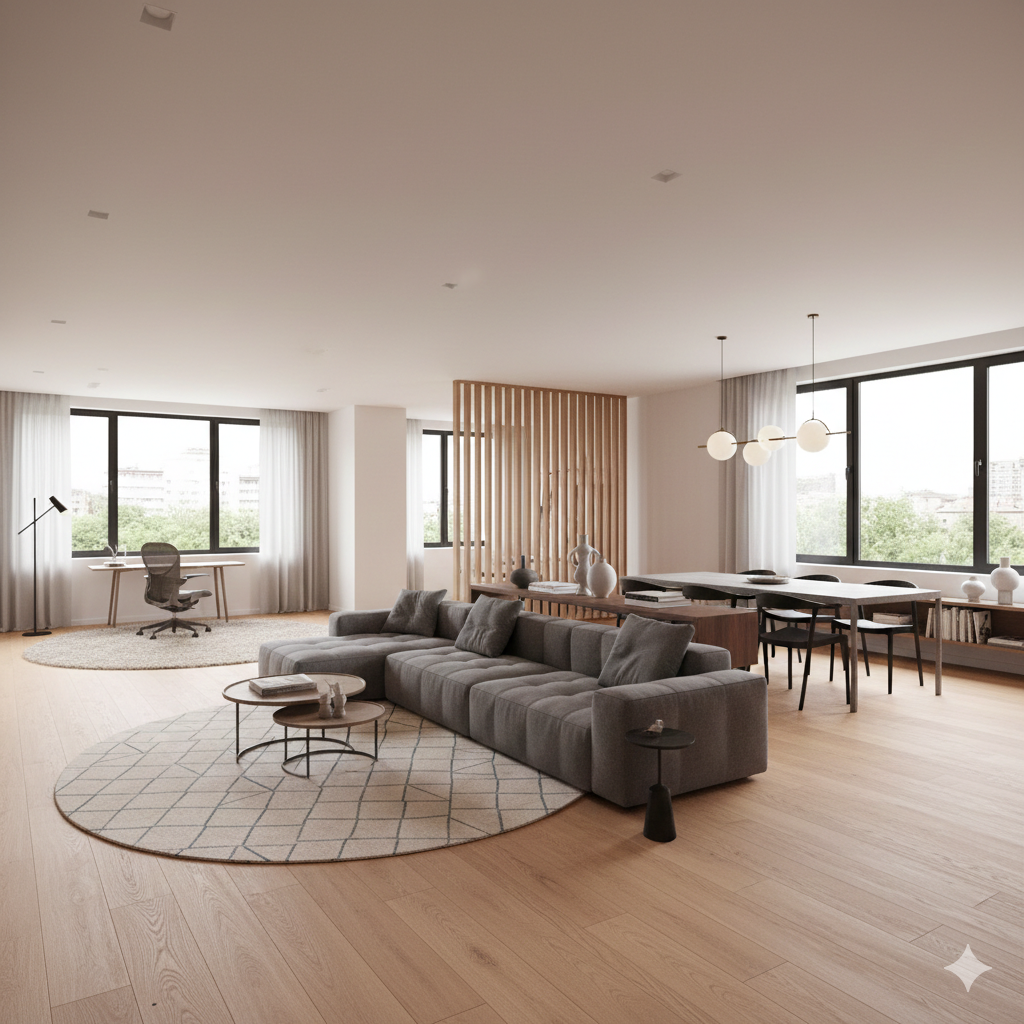
Modern homes are evolving beyond simple aesthetics. Today’s most influential interior design trends prioritize comfort, longevity, and intelligent functionality, balancing restraint with warmth and innovation with practicality. From minimalist design that feels quietly luxurious to smart home interiors that disappear into the architecture, contemporary spaces are being shaped by choices that look refined and live even better. The following trends outline what will define the next era of modern home decor, with ideas that can be applied room by room or across an entire residence.
Emerging Interior Design Trends Shaping Modern Homes
Minimalist Luxury and “Quiet” Interiors
Minimalism is shifting from stark to sumptuous. The new direction—often called “quiet” interiors—focuses on refined materials, impeccable proportions, and visual calm. Instead of conspicuous statement pieces, the emphasis falls on architectural details, integrated storage, and a curated selection of objects with genuine craftsmanship. This approach keeps spaces elegant while remaining deeply livable, a hallmark of contemporary interiors.
https://www.teepublic.com/t-shirt/50159849-hot-dog?store_id=2851997
Minimalist luxury also relies on tactile richness. Think plaster-finish walls, matte stone surfaces, and softly grained woods that add depth without visual noise. Furnishings are streamlined, yet not severe; silhouettes are clean, but comfort is non-negotiable. The result is a home that feels intentional and restorative—an antidote to clutter and overstimulation.
Open-Plan Living With Flexible Zones
Open-plan layouts continue to define modern architecture, but the trend is becoming more nuanced. Rather than a single, undifferentiated space, homeowners want flexible zones that support multiple activities—work, dining, entertaining, and relaxation—without sacrificing cohesion. This is achieved through subtle dividers such as open shelving, slatted wood screens, area rugs, and changes in ceiling treatment or lighting.
Furniture placement does much of the zoning work. A sofa can anchor a living area while a console table creates a transitional “gallery” moment behind it. Modular seating and nesting tables allow rooms to adapt to gatherings or quiet evenings. The best modern furniture trends support this fluidity, prioritizing versatility and scale that suits open spaces without overwhelming them.
Sustainable and Eco-Friendly Design Trends
Natural Materials, Non-Toxic Finishes, and Biophilic Design
Sustainable interior design is no longer a niche preference; it is becoming the standard for quality. Natural materials—solid wood, cork, clay, linen, wool, rattan, and stone—are valued for their durability and authenticity. These selections age gracefully, developing patina rather than appearing worn, which reduces the impulse to replace and redecorate frequently.
Equally important are healthier material choices. Low-VOC paints, formaldehyde-free cabinetry, and non-toxic sealants contribute to better indoor air quality, an increasingly central criterion in eco-friendly home design. Biophilic design strengthens this direction by integrating living elements—indoor trees, herb walls, and abundant natural light—along with nature-referential forms and textures. Even smaller interventions, such as positioning seating near windows or choosing organic textiles, can amplify wellbeing and visual serenity.
Energy-Efficient Lighting and Smart Climate Control
Efficiency is becoming inseparable from design excellence. LED lighting plans now go beyond cost savings; they enable precision in mood and functionality, from crisp task lighting in kitchens to soft ambient illumination in bedrooms. Energy-conscious fixtures with warm, accurate color rendering help spaces feel inviting while minimizing consumption.
Climate control is also evolving in a design-forward way. Smart thermostats, zoned heating and cooling, and well-integrated ceiling fans allow each area of the home to perform optimally. Window treatments play a role, too—layered drapery and insulating shades can regulate heat gain and loss while supporting a polished aesthetic. In many homes, this combination of thoughtful lighting and climate strategy becomes a quiet form of luxury: comfort that feels effortless.
Smart Home Technology in Modern Interior Design
Integrated Smart Lighting, Audio, and Security Systems
The most compelling smart home interiors are those where technology supports daily life without demanding attention. Integrated lighting scenes can shift a home from daytime productivity to evening relaxation with a single command. Whole-home audio is increasingly built into ceilings or discreet architectural elements, delivering quality sound without visible clutter.
Security technology is also becoming more seamless. Smart locks, unobtrusive sensors, and discreet camera placement protect the home while preserving the integrity of the design. When planned early, these systems can be integrated into millwork and layouts so that convenience feels inherent rather than added on.
Hidden Tech, Wireless Solutions, and Clean Aesthetics
A defining modern direction is the disappearance of visible hardware. Hidden televisions behind panels, projector setups that retract, and flush-mounted outlets reflect a desire for visual clarity. Wireless charging integrated into nightstands or kitchen counters reduces cable clutter, supporting the calm, edited look associated with contemporary spaces.
Designers are also planning “technology zones” within cabinetry: dedicated drawers for device charging, concealed hubs for routers, and organized storage for accessories. This approach preserves the purity of the interior while ensuring that the home functions smoothly—an essential balance in today’s modern home decor.
Color, Texture, and Decor Trends Defining Modern Spaces
Warm Neutrals, Earth Tones, and Statement Accent Colors
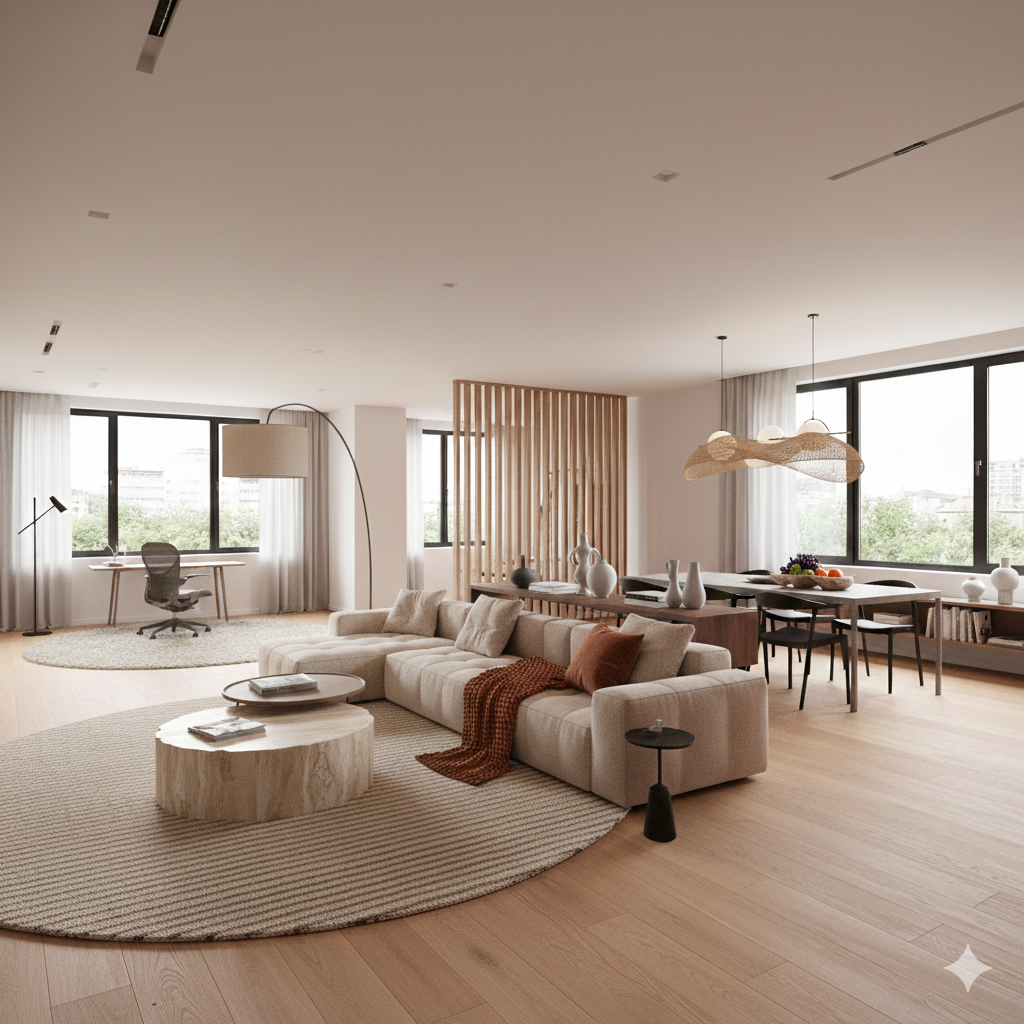
Modern color trends are moving toward warmth and grounded sophistication. Creamy off-whites, soft taupes, and muted beiges are replacing cooler grays, creating a more welcoming baseline. Earth tones—terracotta, clay, olive, and tobacco—add depth without overpowering the architecture, aligning naturally with wood, stone, and linen.
Accent colors are used with greater intention. Instead of multiple competing hues, a single confident shade—deep green, inky blue, oxblood, or saffron—often appears in a focal area such as a powder room, a built-in bookcase, or an upholstered chair. This restrained approach keeps the palette cohesive while still delivering personality, an important principle in well-executed contemporary interiors.
Textured Fabrics, Curved Furniture, and Layered Lighting
Texture is one of the most effective tools for making minimal spaces feel complete. Bouclé, brushed cotton, linen blends, and wool rugs introduce softness and acoustic comfort, particularly in open-plan homes. Textural contrast—smooth stone against nubby fabric, matte cabinetry beside subtly reflective metal—creates visual interest without relying on excessive decor.
Curved forms continue to influence modern furniture trends, bringing a gentler geometry to living rooms and bedrooms. Rounded sofas, arched mirrors, and curved headboards soften hard architectural lines, making spaces feel more approachable. Layered lighting completes the effect: ambient ceiling lights establish a base, wall sconces add intimacy, and table or floor lamps create pockets of glow. When combined thoughtfully, these elements produce rooms that feel composed, flattering, and timeless.
Conclusion
The interior design trends shaping modern homes share a common theme: thoughtful restraint paired with meaningful performance. Minimalist luxury favors calm and craftsmanship, while flexible open-plan living supports the realities of contemporary life. Eco-friendly home design and non-toxic materials elevate wellbeing, and smart systems bring convenience without compromising aesthetics. Finally, warm palettes, tactile surfaces, and sculptural forms add the human touch that keeps modern spaces from feeling sterile.
By adopting these ideas selectively—choosing a warmer neutral base, integrating layered lighting, upgrading to healthier finishes, or refining layouts into functional zones—homeowners can create interiors that feel current yet enduring. The best interior design trends do not chase novelty; they improve how a home looks, feels, and functions for years to come.
How Interior Design Influences Mood and Productivity
Top Interior Design Mistakes and How to Avoid Them
Bohemian Interior Design: Free-Spirited and Creative Homes
Sudoku