
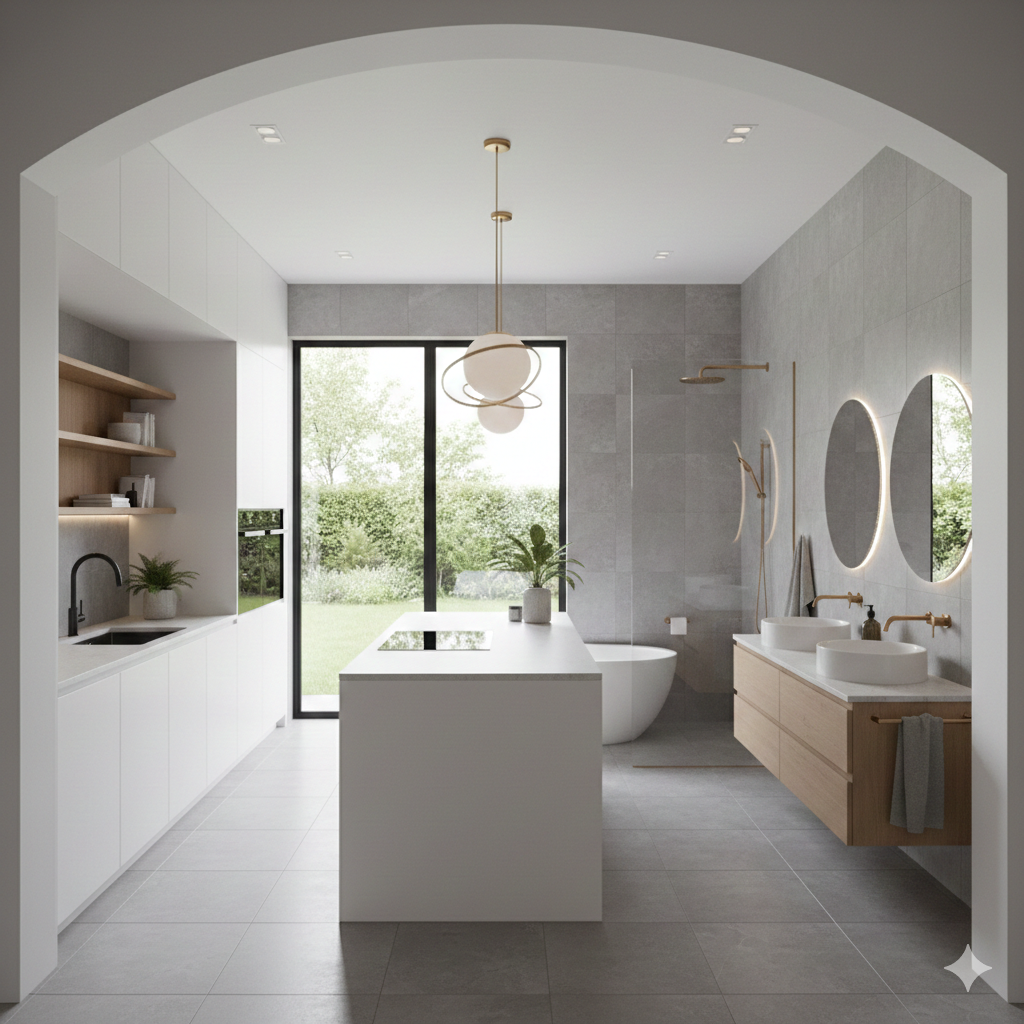
Interior design is moving in a more layered, human direction this year. Instead of chasing novelty for its own sake, today’s most influential interior design trends emphasize comfort, character, and materials that age gracefully. The result is a look that feels current without appearing overly styled—spaces that are practical, tactile, and quietly expressive.
The Biggest Interior Design Trends You’ll See Everywhere This Year
Why Interior Design Trends Matter for Your Home
Trends are not rules, but they are useful signals. They reflect shifts in how people live—working from home, entertaining more casually, prioritizing wellbeing, and investing in fewer, better pieces. Paying attention to home decor trends can help you make decisions that align with the moment: selecting lighting that makes rooms feel warmer, choosing furniture that supports flexible living, or updating finishes that subtly modernize a dated interior.
https://www.teepublic.com/t-shirt/50452998-penguin-otter?store_id=2851997
Just as importantly, trends can prevent costly missteps. They reveal which colors are resonating, what materials are proving durable in real homes, and which layouts are most functional. When used thoughtfully, they become a roadmap for a home that feels refreshed and relevant.
How to Use Interior Trends Without Sacrificing Timeless Style
The most enduring approach is to treat trends as accents layered over a solid foundation. Keep the long-term elements—flooring, major upholstery, and built-in cabinetry—rooted in classic forms and reliable neutrals. Then introduce contemporary notes through paint, textiles, lighting, and art, which are easier to edit later.
Balance is essential. If you adopt a bold color, pair it with restrained silhouettes. If you lean into texture, simplify the palette. This “one statement at a time” method keeps modern interior design from feeling sterile while protecting your home from looking dated next season.
Color & Material Trends Dominating Interior Design This Year
Trending Interior Paint Colors and Palettes to Try Now
This year’s trending paint colors center on nuance rather than shock value. Warm neutrals continue to replace cool grays, but they have evolved: think soft putty, sand, oatmeal, and mushroom with subtle undertones that shift beautifully across daylight and lamplight.
- Earth-driven warmth: Clay, terracotta, and muted rust provide depth without overpowering a room. They work especially well in dining rooms, reading corners, and entryways where you want instant atmosphere.
- Desaturated greens: Olive, sage, and eucalyptus feel restorative and pair naturally with wood, stone, and linen. In bedrooms, they read calm; in kitchens, they feel grounded and refined.
- Inky accents: Charcoal, deep navy, and near-black are being used more strategically—on interior doors, built-ins, and powder rooms—adding contrast and architectural clarity.
- Soft tonal palettes: Monochromatic schemes—layering multiple values of one color—create a cohesive, high-end look. The key is to vary finishes: matte walls, satin trim, textured upholstery, and natural fibers.
When selecting color, consider the undertone of your hard finishes. A beige that looks perfect on a paint chip can turn flat next to a cool stone countertop. Sample large swatches and observe them throughout the day before committing.
The Hottest Interior Materials: Natural Woods, Stone, and Textured Finishes
Materiality is driving design decisions more than pattern or ornament. This year’s most sought-after interior materials and finishes are tactile, authentic, and slightly imperfect—surfaces that look better the more they are lived with.
- Natural woods: White oak, walnut, and ash are prominent, often with matte sealants that preserve a raw, organic appearance. Wood is showing up on fluted panels, ceiling beams, cabinetry details, and furniture with visible grain.
- Stone with character: Travertine, soapstone, limestone, and veined marbles remain popular, but the emphasis is on movement and variation rather than uniformity. Honed and leathered finishes are favored for their softness and reduced glare.
- Plaster and limewash: These finishes add depth and gentle tonal variation, particularly in living rooms and bedrooms. They create a sense of craftsmanship, even in simple spaces.
- Metals with restraint: Mixed metals continue, but with a quieter approach—antique brass, burnished nickel, and blackened steel used in small, purposeful moments.
To keep material-forward design from feeling heavy, pair substantial elements (stone, dark wood) with airy counterpoints such as sheer curtains, light rugs, and simplified silhouettes.
Furniture, Decor, and Layout Trends Transforming Spaces
Key Furniture Trends: Curved Sofas, Sculptural Pieces, and Multifunctional Design
Furniture is becoming softer in both form and function. One of the strongest furniture and decor trends is the move toward curved seating—sofas with rounded arms, crescent sectionals, and barrel chairs that encourage conversation and reduce the rigid geometry of open layouts.
Sculptural pieces are also gaining momentum. Coffee tables with monolithic bases, side chairs with architectural frames, and consoles that read like minimalist art add visual interest without relying on clutter. The goal is not extravagance; it is intentionality.
Functionality is equally central. Multifunctional design—storage ottomans, nesting tables, sleeper sofas that feel tailored, and modular seating—supports flexible living. For many households, the best living room design ideas are those that accommodate work, rest, and entertaining without constant rearranging.
Decor Details: Statement Lighting, Art, and Layered Textiles
Decor is more curated and less matchy. The most successful rooms use a few standout elements rather than many small accessories competing for attention.
- Statement lighting: Oversized pendants, sculptural chandeliers, and refined floor lamps are acting as focal points. Warm, dimmable lighting is essential for creating a comfortable mood, especially in multipurpose spaces.
- Art with presence: Large-scale pieces or thoughtfully arranged gallery walls make rooms feel finished. The trend is toward personal collections—photography, vintage prints, contemporary abstracts—rather than generic filler.
- Layered textiles: Texture is replacing busy pattern. Bouclé, mohair, linen, and chunky weaves add depth. Layer rugs for dimension, combine matte and lustrous fabrics, and include a range of tactile finishes to avoid a flat, showroom feel.
When in doubt, edit. A small number of substantial, well-chosen objects creates a more luxurious impression than shelves filled with decor of similar size and tone.
Room-by-Room Interior Design Trends You’ll See Everywhere
Living Room and Bedroom Trends for a Cozy, Curated Home
In living rooms, comfort is non-negotiable. Deep seating, generous chaise lounges, and plush area rugs are replacing stiff, minimalist arrangements. Layouts are shifting to prioritize conversation and ease: chairs angled toward seating groups, side tables within reach, and lighting layered at multiple heights.
Bedrooms are embracing a calm, cocooning sensibility. Upholstered headboards, tone-on-tone bedding, and softly textured wall finishes create serenity without sacrificing style. Consider integrated bedside lighting, streamlined nightstands, and window treatments that balance privacy with softness—sheers layered under heavier drapery remains a strong choice.
For a cohesive look, keep the palette restrained and introduce contrast through texture: a matte wall, a natural wood dresser, crisp cotton sheets, and a wool throw. This approach delivers warmth while remaining aligned with modern interior design.
Kitchen and Bathroom Trends Shaping Modern Interiors
Today’s kitchen and bathroom trends focus on elevated practicality. Kitchens are moving toward fewer visual interruptions: integrated appliances, concealed storage, and simpler cabinet fronts. The aesthetic is quieter, but not cold—warm wood tones, honed stone, and thoughtfully chosen hardware keep the space inviting.
- Kitchens: Statement islands, fluted or reeded details, and mixed materials (wood with stone, matte cabinetry with a reflective backsplash) are prominent. Pantry organization is becoming a design feature, with cabinetry designed to hide everyday items while keeping workflow efficient.
- Bathrooms: Spa-like restraint is defining the mood—floating vanities, sculptural mirrors, and softly textured tile. Warm metals and layered lighting improve both function and ambiance. Where space allows, wet-room concepts and larger showers are increasingly desirable.
In both rooms, durability matters. Choose finishes that handle moisture and heavy use, and reserve the most trend-sensitive choices for paint, hardware, and lighting—elements that can be replaced with minimal disruption.
How to Incorporate Interior Design Trends in a Real Home
Budget-Friendly Ways to Try New Interior Trends
Updating your home does not require a full renovation. If your goal is to how to update home interior efficiently, start with high-impact changes that transform how a room feels day to day.
- Paint with intention: A single accent wall, painted ceiling, or refreshed trim color can modernize a room quickly. Choose one of the year’s warmer neutrals or a desaturated green for a current yet livable effect.
- Upgrade lighting: Replace dated fixtures, add a floor lamp, or install dimmers. Lighting is one of the most cost-effective ways to improve perceived design quality.
- Swap textiles: New curtains, a larger rug, and layered pillows in varied textures can make a space feel immediately more curated.
- Style with restraint: Edit surfaces, introduce one sculptural object, and add a meaningful artwork. A few deliberate choices will read more elevated than an abundance of small decor.
Common Interior Design Trend Mistakes to Avoid
Trends become problematic when they override function or ignore context. Avoid these common missteps:
- Overcommitting to highly specific looks: If a trend is visually dominant, use it sparingly. A bold tile can be beautiful, but it should not force a future remodel when your preferences shift.
- Choosing aesthetics over comfort: A sofa should be sat on daily; a chair should support the body. Prioritize ergonomics and quality construction before form.
- Ignoring undertones and materials: Paint, wood, and stone must harmonize. Mismatched undertones can make a space feel subtly “off,” even when each item is attractive on its own.
- Cluttering the room with too many ideas: The strongest interiors follow a clear hierarchy—one or two focal points, supported by quieter elements.
- How to Practice Mindful Drinking
- The Best Workout Playlists for Motivation
- The Best Outdoor Sports for Summer
The best homes integrate interior design trends selectively, preserving what already works and improving what does not.
Conclusion: This year’s direction is unmistakable: richer neutrals, grounded color, honest materials, softer silhouettes, and decor that feels collected rather than purchased all at once. By choosing a timeless foundation and layering in current details—paint, lighting, textiles, and a few sculptural elements—you can adopt the most compelling home decor trends without losing longevity. The goal is not to chase every new idea, but to shape a home that feels both of the moment and distinctly yours.
Slither Arcade
Features
- Classic Gameplay: Grow your snake by eating apples while avoiding self-collision.
- Dynamic Difficulty: The game speed increases as you eat more food.
- Juicy Polish: Screen shakes on eating, pulsing food animations, and high-score tracking.
- Responsive Controls: Use Arrow keys, WASD, or swipe on touch devices/mouse.
- Visuals: Custom-generated stylized assets and a minimalist neon background.
How to play:
- Controls: Use Arrow Keys or WASD to change direction. On mobile, Swipe in the direction you want to turn.
- Objective: Eat the glowing red apples to grow and increase your score. The game ends if you collide with your own tail.
The snake wraps around the screen edges, allowing for strategic maneuvers! Enjoy your game.Controls Reminder: The golden apple slows time for 5 seconds