
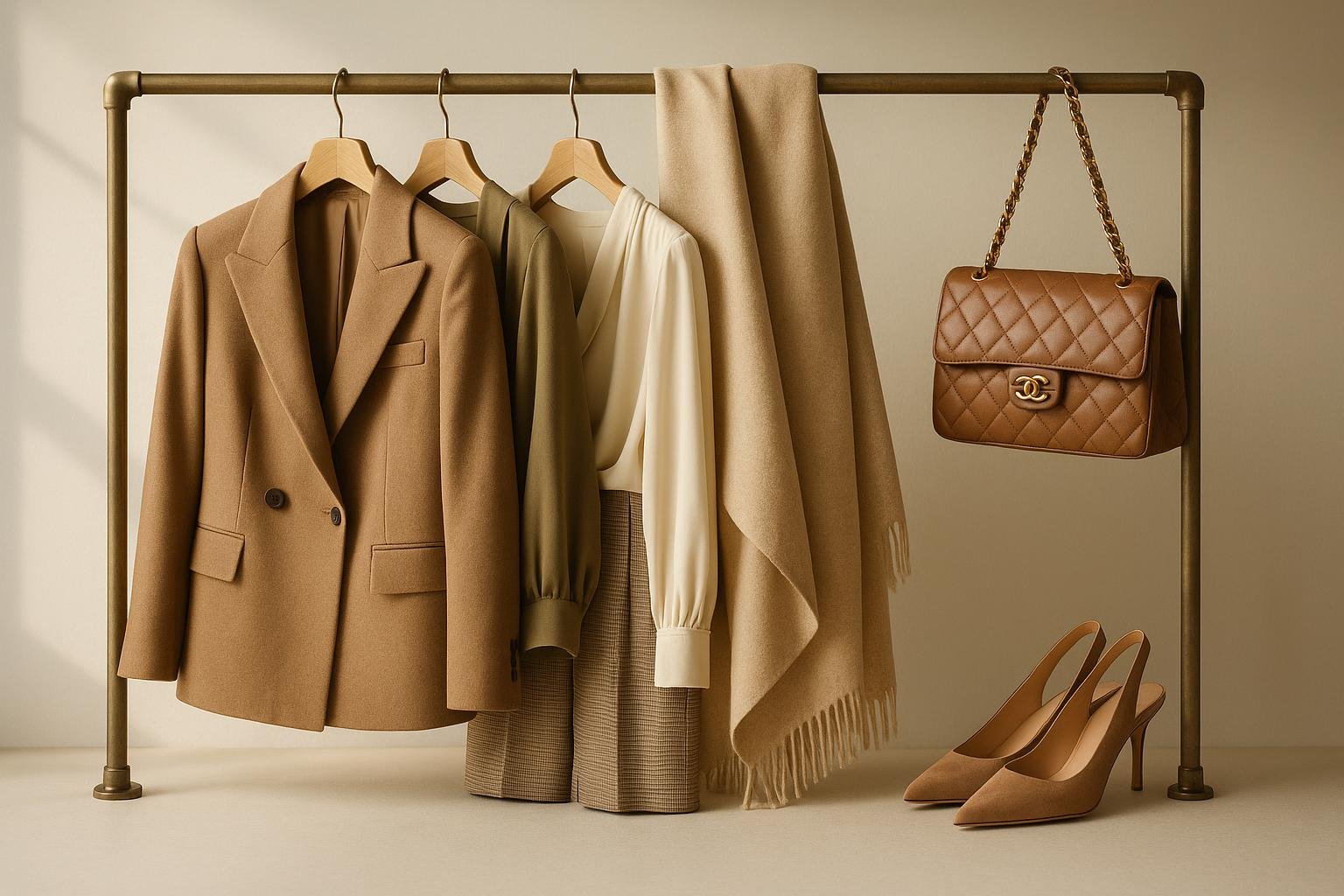
The Essence of Italian Fashion Design
Italian fashion design has long been considered the gold standard of style, combining impeccable craftsmanship with a distinctive sense of ease. From impeccably tailored suits to fluid silk dresses and impeccably cut outerwear, Italian style is less about fleeting trends and more about a cultivated way of dressing that feels both luxurious and natural. It is a language of proportion, fabric, and attitude, rooted in heritage yet responsive to the present.
What Defines Italian Fashion Design?
At its core, Italian fashion design is defined by three pillars: artisanal know-how, refined taste, and a deep respect for materials. Made in Italy fashion is not a slogan but a guarantee of quality, born from generations of skilled artisans who master tailoring, leatherwork, knitwear, and textile production.
Italian designer clothing is distinguished by precise cuts that flatter the body without constraining it. Instead of exaggerated constructions, there is an emphasis on balanced proportions, fluid lines, and impeccable finishing. Fabrics take center stage: superfine wools, cashmere, silk, linen, and buttery leathers are chosen not just for their appearance but for how they move and age.
Color also plays an essential role. Neutrals such as navy, black, camel, ivory, and charcoal dominate, providing the foundation for a timeless wardrobe. These are often punctuated by rich hues—Bordeaux, forest green, deep blue—or bold prints, particularly in womenswear, that echo Italy’s artistic and cultural heritage.
Why Italian Style Is Synonymous With Elegance
Italian style is synonymous with elegance because it reconciles luxury with nonchalance. Elegance here is not only about lavish garments, but about how they are worn: a softly structured blazer over a simple T-shirt, a pair of well-polished loafers with perfectly tailored trousers, or a silk dress offset by understated jewelry.
Unlike more ostentatious forms of dressing, Italian fashion subtly communicates status and taste. The cut of a coat, the drape of a trouser leg, the softness of a handbag’s leather—these quiet details signal sophistication. The emphasis on fit, quality, and finishing creates an impression of effortlessness, even when the construction is complex.
Ultimately, Italian elegance is about coherence: each piece in the outfit speaks to the others, and nothing feels accidental. The wearer appears composed but never rigid, impeccably dressed yet unmistakably at ease.
A Brief History of Italian Fashion Design
From Post-War Couture to Global Fashion Powerhouse
Although Italy has been a center of textile and artisanal production for centuries, modern Italian fashion history truly begins after the Second World War. In the 1950s, Italian cities such as Florence and Rome emerged as hubs for couture, offering an alternative to Paris. Designers and manufacturers leveraged their access to fine fabrics, local ateliers, and skilled tailors to create collections that captured the attention of international buyers and Hollywood stars.
As cinema flourished, Italian fashion became closely linked with the glamour of film. Costume designers and fashion houses collaborated on iconic looks that traveled from the big screen to everyday life. The image of the impeccably dressed Italian woman or man—elegant, confident, slightly mysterious—was broadcast worldwide.
By the 1970s and 1980s, Milan had overtaken Florence and Rome as the epicenter of Italian style. The ready-to-wear revolution propelled Italy into the global spotlight. Brands that began as small family businesses evolved into international Italian luxury brands with extensive retail networks and powerful global influence. Italian fashion design, once an emerging force, had become synonymous with sophistication, innovation, and commercial success.
Iconic Italian Fashion Designers Who Shaped the Industry
Several visionary creators transformed Italian fashion into a global phenomenon. Each contributed a specific aesthetic language that continues to influence how the world dresses today.
- Giorgio Armani redefined power dressing in the 1980s with his softly structured jackets and neutral palette. His relaxed tailoring for men and women introduced a new kind of understated luxury.
- Gianni Versace brought drama, sensuality, and bold prints to Italian designer clothing. His glamorous, fearless vision turned fashion shows into cultural events and celebrities into style icons.
- Prada, under Miuccia Prada, introduced an intellectual, often subversive approach to luxury. Nylon backpacks, unconventional color combinations, and minimalist silhouettes challenged traditional notions of opulence.
- Dolce & Gabbana celebrated Sicilian heritage through ornate embroidery, lace, and dramatic silhouettes inspired by Italian cinema and baroque art.
- Gucci, founded in Florence, became a symbol of refined leather goods and equestrian-inspired details, later evolving into a fashion powerhouse known for its eclectic and contemporary vision.
- Valentino epitomized feminine elegance with flawless gowns, delicate embroidery, and the signature “Valentino red,” shaping the language of haute couture and red-carpet dressing.
Beyond these marquee names, an entire ecosystem of Italian style flourished: luxury shoemakers in the Marche region, silk specialists in Como, knitwear producers in Emilia-Romagna, and tailors in Naples. Together, they formed the backbone of the Made in Italy fashion industry, preserving know-how while evolving with modern demands.
Key Elements of Italian Fashion Design Aesthetic
Signature Silhouettes, Fabrics, and Craftsmanship
Certain recurring elements define the Italian fashion design aesthetic, regardless of season or trend cycle. The silhouette tends to be clean, modern, and subtly sensual, with an emphasis on balance rather than extremes.
In menswear, this often translates into:
- Tailored jackets and suits with soft shoulders, a nipped waist, and a gently tapered trouser. Neapolitan tailoring in particular is renowned for lightweight construction and ease of movement.
- Crisp shirts and knits crafted from fine cotton, merino, and cashmere, designed to be worn alone or layered under blazers and outerwear.
- Refined outerwear such as double-breasted coats, peacoats, and suede or leather jackets with minimalist detailing.
For womenswear, hallmarks include:
- Figure-flattering dresses and skirts that skim rather than constrict, often in silk, crepe, or wool blends.
- Tailored separates—trousers, blazers, pencil skirts—that can be combined to create polished yet versatile ensembles.
- Luxurious knitwear in cashmere or fine wool, cut close to the body to maintain a streamlined profile.
Fabrics and materials are non-negotiable. High-quality wools from Biella, silk from Como, and calf or exotic leathers from renowned tanneries underpin the excellence of Italian craftsmanship. Seam finishes, hand-stitching, pattern matching, and carefully placed linings all contribute to garments that not only look refined but also stand the test of time.
Accessories—shoes, belts, handbags, gloves—play a defining role. Italian shoemakers and leather artisans are globally revered for their expertise. A pair of hand-finished loafers, a structured tote bag, or a sleek leather belt can instantly elevate even the simplest outfit.
The Role of “La Bella Figura” in Italian Style
To understand Italian style, one must also understand the cultural concept of la bella figura. Literally translated as “the beautiful figure,” it extends far beyond physical appearance. It encapsulates the idea of presenting oneself with dignity, care, and respect for both oneself and others.
In fashion terms, la bella figura means clothing should be appropriate, well-maintained, and harmonious with the occasion. Shoes are polished, garments are pressed, and fit is meticulously considered. Even casual ensembles appear deliberate: jeans are well-cut, shirts are immaculate, and outerwear is chosen with as much attention as formalwear.
This principle also explains the strength of Italian street style. On the streets of Milan, Florence, Rome, or Naples, one observes a consistent thread: people combine practicality with flair, creating looks that feel authentic yet curated. La bella figura encourages individuals to invest in themselves, using dress as a form of self-respect and social courtesy rather than pure vanity.
How to Incorporate Italian Fashion Design Into Your Wardrobe
Everyday Italian Style: Outfit Formulas and Styling Tips
Building an Italian-inspired wardrobe does not require an entirely new closet. It begins with a shift in priorities: emphasizing quality, fit, and coherence over volume and novelty. Here are practical ways to integrate Italian style into everyday dressing.
-
Refine your silhouettes.
Opt for pieces that follow the natural lines of the body without clinging. For men, this means slightly tapered trousers, well-fitted shirts, and jackets that define the shoulders and waist without stiffness. For women, look for dresses and separates that create a clean vertical line, avoiding unnecessary bulk or excessive embellishment.
-
Elevate basics with superior fabrics.
Replace worn-out T-shirts and sweaters with versions in high-quality cotton, wool, or cashmere. A simple merino crewneck, a fine-gauge turtleneck, or a crisp cotton shirt can serve as a foundation for countless Italian-inspired looks.
-
Adopt a considered color palette.
Base your wardrobe around versatile neutrals—navy, black, grey, camel, and white—then introduce richer tones seasonally. This approach mirrors Italian wardrobe essentials, ensuring that most pieces can be mixed and matched seamlessly.
-
Pay attention to shoes and outerwear.
Italian street style places enormous importance on footwear and coats. Invest in leather loafers, brogues, or sleek sneakers for men; for women, consider elegant flats, ankle boots, or classic pumps. Complement these with a tailored coat or unstructured blazer; these pieces instantly lend structure and sophistication to a simple outfit.
-
Keep accessories purposeful.
A leather belt, quality watch, silk scarf, or structured handbag should serve to complete an outfit rather than overshadow it. The Italian approach to accessorizing values clarity: each item has a reason to be there and enhances the total look.
-
Cultivate effortless grooming.
Italian style is not limited to clothing. Well-kept hair, subtle fragrance, and neat grooming reinforce the overall impression. The goal is to appear polished, never over-styled.
By focusing on these principles, your daily outfits will increasingly reflect the balance and refinement characteristic of Italian fashion design, whether you are dressing for the office, a weekend stroll, or an evening engagement.
Investing in Timeless Italian Pieces and Luxury Brands
To fully embrace Italian fashion design, consider selectively investing in pieces from Italian luxury brands or high-quality labels rooted in local craftsmanship. These items become the anchors of your wardrobe, offering longevity of style and construction.
Strategic investments might include:
- A tailored blazer or suit from an Italian maker known for its cut and fabrics. Choose a versatile color such as navy, charcoal, or a subtle pattern, ensuring it can transition from business to social settings.
- Fine knitwear in cashmere or premium wool, such as a crewneck, V-neck, or turtleneck. These pieces layer easily under jackets and coats, adding warmth without bulk.
- Italian leather shoes—loafers, Oxfords, or boots crafted with Goodyear or Blake construction. With proper care, they develop a rich patina and serve for many years.
- A classic leather bag, whether a structured tote, briefcase, or crossbody model. Italian leather goods are renowned for durability and refined aesthetics, making them ideal everyday companions.
- A well-cut overcoat or trench, preferably in wool or a wool-cashmere blend for winter, or a lightweight cotton or technical fabric for transitional seasons.
- Signature accessories like a silk scarf, leather gloves, or a woven belt that discreetly reference Italian heritage without overt logos.
When evaluating such investments, assess not only the brand name but also construction details: interior finishing, fabric origin, stitching density, and hardware quality. True Italian craftsmanship reveals itself in subtle aspects—smooth linings, balanced weight, and comfort from the first wear.
For a more approachable entry into Italian style, explore smaller labels and regional artisans who produce in limited quantities. Many offer pieces of comparable quality to large fashion houses, often with a more personal touch and distinctive character.
Conclusion
Italian fashion design endures because it transcends trends and spectacle. It is anchored in a heritage of artisan skills, a refined sense of proportion, and a cultural commitment to la bella figura. The result is a style vocabulary that feels simultaneously timeless and modern, luxurious yet wearable.
By appreciating Italian fashion history, recognizing the key elements of its aesthetic, and thoughtfully introducing Italian wardrobe essentials into your daily life, you can cultivate a personal style that embodies this spirit. Whether through a meticulously tailored jacket, a pair of hand-finished shoes, or the quiet confidence of a well-composed outfit, Italian style offers a powerful, enduring blueprint for dressing with elegance and authenticity.
Discover More from Didier Lancelot
Amazon Author page: amazon.com/author/didierlancelot
Narmer Store: narmerstore.org
AI and Technology Ebooks
- Creative AI: Animated Drawings, Manga & Illustrations
- Build a Game with AI: The No-Code Guide
- AI Image Generation Made Easy
- Build a Website with AI: The No-Code Guide
- How to Connect AI to Your Blog: The Ultimate Automation Guide
- AI Productivity Habits: Get More Done in Less Time
- AI Avatars Made Easy
- The Book of AI Prompts: 100+ Proven Prompts
- Make Music with AI: Suno, Udio and AI Music Generators
- Click to Cash
- The Automated Edge: Outwork, Outpace, and Outperform with AI
- AI Side Hustle: How to Make Money with ChatGPT and AI Tools
- Work Smarter with AI
Health, Lifestyle and Home Ebooks
- Hidden Superfoods: The World’s Most Powerful Healing Foods
- Spanish Food: The Complete Cookbook for Authentic Home Cooking
- The Science of Happiness Explained
- The Psychology of Success
- The Secret Sauce of Consistency: What the Experts Don’t Tell You About Fitness
- The Complete Home Bartender’s Guide: Link 1 | Link 2
- Natural Beauty, Made Simple: Easy DIY Organic Skincare Recipes
- Garden Made Simple: Easy, Beginner-Friendly Techniques
- The Dog Training Bible