
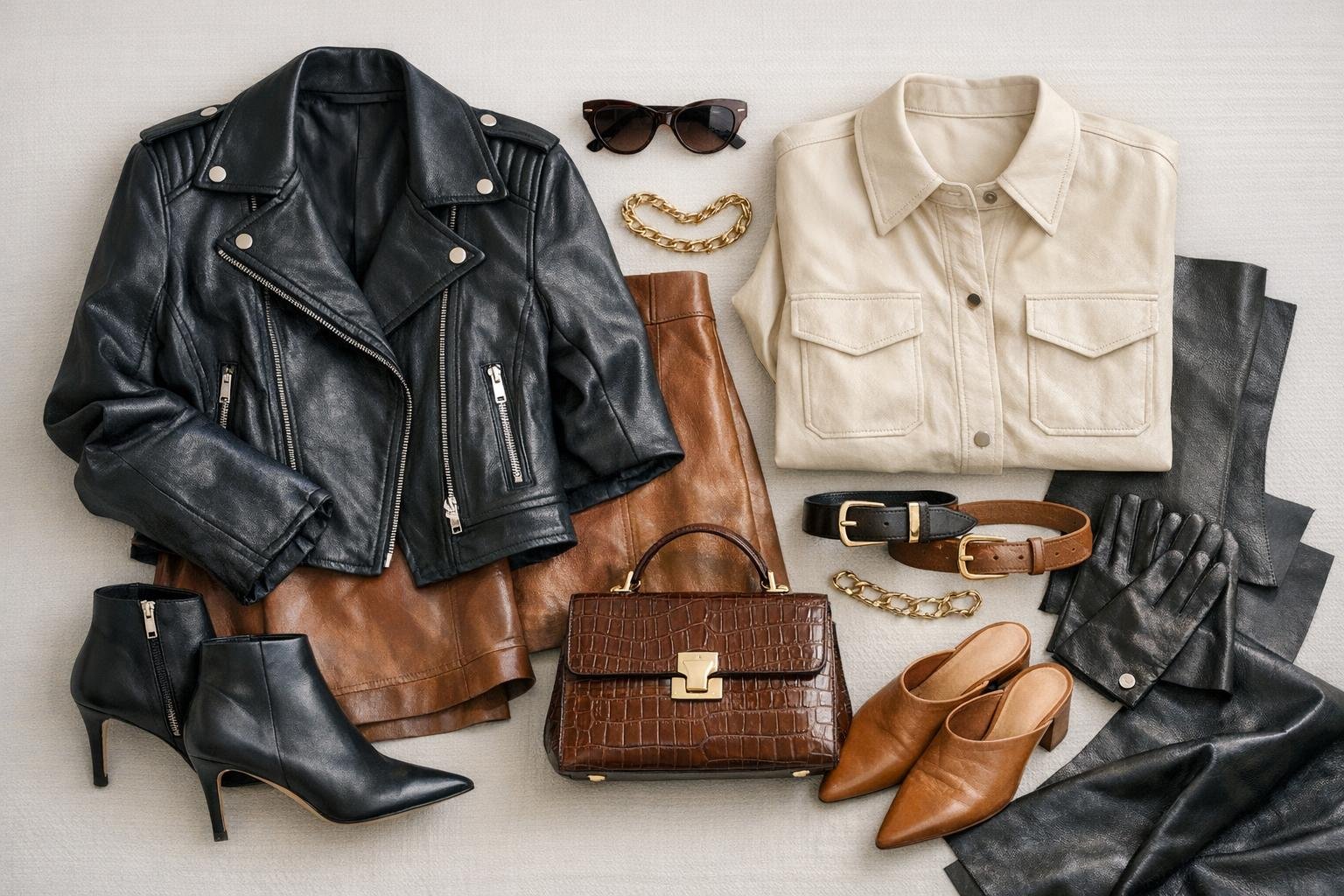
The Evolution of Leather Fashion Design
Leather fashion design sits at the intersection of heritage craftsmanship, innovation, and contemporary style. From ancient armor to runway-ready silhouettes, leather has continually evolved, adapting to cultural shifts, technological advances, and changing values around ethics and sustainability. Today’s leather clothing styles are more diverse than ever, spanning timeless biker jackets to refined tailoring and innovative vegan materials that challenge our understanding of luxury.
A Brief History of Leather in Fashion
Leather is one of humanity’s oldest materials for clothing and protection. Early civilizations used animal hides for warmth and durability, crafting simple tunics, footwear, and protective gear. Over time, tanning techniques improved, and leather began to carry social and symbolic weight, signifying strength, status, and craftsmanship.
In the Middle Ages, leather became essential for armor, belts, and boots, associated primarily with utility rather than ornament. By the Renaissance, artisans were producing more intricate designs, integrating embossing, dyeing, and cutwork. The Industrial Revolution then transformed leather manufacturing, making it more accessible and consistent in quality—paving the way for its widespread use in everyday attire.
The 20th century cemented leather’s fashion identity. The leather jacket emerged as a cultural icon: military aviators in the 1920s, rebellious motorcyclists in the 1950s, and rock musicians in the 1970s each reshaped its image. Subcultures—from punk to goth to high-gloss 1980s power dressing—appropriated leather to convey defiance, sensuality, or authority. What began as purely functional gradually became a sophisticated vehicle for personal expression.
How Modern Designers Are Redefining Leather Style
Contemporary designers approach leather fashion design with a distinctly modern lens. Traditional ruggedness is being reinterpreted through softer cuts, unexpected colors, and unconventional silhouettes. Tailored leather shirts, fluid leather dresses, and minimalist trench coats demonstrate that leather can be both polished and lightweight, no longer confined to biker jackets and heavy boots.
Technological innovation is driving much of this reinvention. Advances in tanning and finishing have produced buttery-soft skins, stretch leathers, perforated panels, and laser-cut surfaces that behave like fabric. Designers now mix leather with wool, silk, or performance textiles to create hybrid garments with enhanced comfort and mobility.
Equally important is the shift in values. Concerns over animal welfare, climate impact, and waste have pushed the industry to reconsider how leather is sourced and produced. Many labels champion traceable supply chains, vegetable tanning, and by-product sourcing from the food industry to reduce environmental impact. Parallel to this, a new generation of vegan leather alternatives—ranging from plant-based materials to lab-grown innovations—has broadened the definition of “leather style,” enabling modern leather outfits that align with evolving ethical standards.
Types of Leather and Their Uses in Fashion Design
Understanding the main types of leather in fashion is fundamental for designers, buyers, and consumers alike. Material choice influences not only the visual impact of a garment but also its longevity, comfort, and environmental footprint.
Genuine, Vegan, and Faux Leather: Key Differences
Genuine Leather
Genuine leather comes from animal hides, most commonly cow, lamb, goat, and calf. It is valued for its durability, ability to mold to the wearer’s body, and patina that develops over time. Within genuine leather, quality varies significantly:
- Full-grain leather: The highest quality, retaining the natural grain and markings. It is robust, ages beautifully, and is often used for premium bags, belts, and heritage jackets.
- Top-grain leather: Slightly sanded or corrected to remove imperfections, yielding a more uniform surface. Common in mid- to high-end jackets and accessories.
- Split and bonded leather: Lower layers or composite materials that are less durable and typically used in budget-conscious products.
Faux Leather (Synthetic)
Faux leather, often made from polyurethane (PU) or polyvinyl chloride (PVC), aims to mimic the look of real leather at a lower cost and without animal products. It is lightweight, comes in a broad range of colors and textures, and can be easier to clean. However, traditional synthetics are derived from fossil fuels and can be less breathable and less durable over time, raising concerns about microplastic pollution and landfill waste.
Vegan Leather Alternatives (Next-Generation Materials)
Vegan leather alternatives extend beyond conventional synthetics. They include plant-based or bio-fabricated materials designed to offer a more sustainable leather-like experience:
- Pineapple leaf fiber (Piñatex): Uses agricultural waste from pineapple farming, creating a non-woven material suitable for shoes, bags, and light outerwear.
- Mushroom (mycelium) leather: Grown from fungal networks, it can be engineered for specific textures and thicknesses, and potentially produced with a lower environmental footprint.
- Apple, grape, cactus, and other plant-based leathers: Typically combine plant waste with bio-based or synthetic binders to create flexible, leather-like surfaces.
These innovations are central to sustainable leather fashion, offering options that reduce reliance on conventional livestock or petrochemical-based materials.
Choosing the Right Leather for Jackets, Bags, and Shoes
Selecting the right material for each product category is both a design and performance decision. Different leather types behave differently in terms of drape, resilience, and appearance.
Jackets and Outerwear
- For structured biker or moto jackets: Cowhide or buffalo is often preferred due to its sturdiness and protection, ideal for classic leather jacket outfit ideas.
- For tailored blazers and softer silhouettes: Lambskin or goat leather offers suppleness and a refined finish, better for sleek, modern leather outfits.
- For lightweight trench coats or shirt-jackets: Thin, semi-aniline leathers or high-quality faux and vegan leathers can provide comfort without bulk.
Bags and Small Leather Goods
- Everyday handbags and totes: Full-grain or top-grain cowhide ensures durability and shape retention.
- Luxury handbags and clutches: Calfskin, lambskin, or exotic-textured leathers (or their embossed vegan counterparts) create a high-end finish.
- Wallets and belts: Compact items benefit from stiff, resilient leathers or structured plant-based materials that resist stretching.
Shoes and Boots
- Dress shoes and heels: Smooth calf leather or high-grade vegan alternatives balance structure and comfort.
- Boots: Thicker hides, nubuck, or treated synthetic leathers provide abrasion resistance and weather protection.
- Sneakers: Soft leathers, perforated panels, and breathable advanced synthetics cater to flexibility and airflow.
For each category, designers must weigh aesthetics against function, sustainability credentials, and target customer expectations.
How to Style Leather Pieces for Every Occasion
Leather clothing styles have transcended their subcultural roots and now integrate seamlessly into everyday wardrobes. When considering how to style leather, context is everything: the same jacket can appear casual, professional, or evening-ready when combined with the right garments and accessories.
Casual, Workwear, and Evening Leather Outfit Ideas
Casual Leather Looks
- Weekend essentials: Pair a classic black or brown leather biker jacket with a white T-shirt, straight-leg jeans, and understated sneakers. This timeless combination highlights the jacket without appearing overly styled.
- Relaxed sophistication: Swap jeans for tailored chinos or wide-leg trousers and add a lightweight leather bomber. Neutral tones—camel, olive, or navy—soften the edge for a more approachable daytime look.
- Casual skirts and shorts: A leather mini skirt or shorts, worn with a relaxed knit or crisp cotton shirt, balances structure with ease.
Workwear and Office-Appropriate Leather
- Subtle accents: Incorporate leather through belts, shoes, or a structured tote bag rather than statement garments. This approach brings polish without compromising formality.
- Tailored leather pieces: A refined leather pencil skirt or shirt-style dress in a muted color can be office-appropriate when paired with opaque tights, classic pumps, and minimal jewelry.
- Leather blazers: A minimally detailed leather blazer worn over a silk blouse and tailored trousers introduces texture to a traditional workwear silhouette.
Evening and Occasion Leather Outfits
- Modern cocktail attire: A fitted leather dress or sleek leather midi skirt with a satin camisole and heels creates a sophisticated evening ensemble that departs from standard cocktail dresses.
- Elevated leather jacket outfit ideas: Drape a sharply cut leather jacket over a slip dress or tailored jumpsuit to offset softness with structure, ideal for dinners, gallery openings, or night events.
- Statement separates: Leather trousers in deep jewel tones or wet-look finishes, grounded with a simple black knit and refined boots, project confident glamour.
Color, Texture, and Fit: Styling Tips for Leather Clothing
Successful styling hinges on more than the garment type. Color, texture, and fit determine how wearable and versatile a leather piece will be.
Color
- Neutrals: Black, brown, tan, and navy are the most versatile, easily integrated into existing wardrobes and suitable for both work and leisure.
- Earth tones: Olive, rust, and burgundy soften leather’s boldness and work particularly well in jackets, skirts, and boots.
- Statement hues: Red, cobalt, or pastel tones can be powerful but should be balanced with subdued supporting pieces to avoid overwhelming the outfit.
Texture
- Smooth leather: Polished finishes read more formal and minimal, ideal for professional and dressy contexts.
- Matte and suede: Softer, more relaxed textures are perfect for casual wear but require more attentive care.
- Embossed or patent: Croc-embossed, snakeskin effects, and high-shine finishes work best as accent pieces (shoes, bags, small garments) to prevent visual overload.
Fit
- Allow for movement: Leather does mold to the body but should not restrict breathing or arm movement. A well-cut shoulder and sleeve are crucial in jackets.
- Balance proportions: If wearing a voluminous leather piece—such as wide-leg pants or an oversized coat—keep other elements streamlined to maintain a harmonious silhouette.
- Layer strategically: Leather is less forgiving than knitwear. Opt for slim base layers and avoid excessive bulk underneath tailored jackets or fitted dresses.
Deliberate attention to these details enables versatile, modern leather outfits suitable for a wide range of occasions.
Caring for Leather Fashion: Maintenance and Sustainability
Even the most exquisitely designed leather garment will disappoint if poorly maintained. Proper care extends the life of both genuine and alternative leathers, reducing the need for frequent replacement and supporting more sustainable consumption habits.
Cleaning, Conditioning, and Storing Leather Garments
Cleaning
- Regular maintenance: Wipe down leather surfaces with a soft, slightly damp cloth to remove dust and surface grime. For suede or nubuck, use a dedicated brush instead of moisture.
- Spot treatment: Address stains promptly using a specialized leather cleaner. Test on an inconspicuous area first to avoid discoloration or texture changes.
- Professional care: For severe stains or delicate pieces, especially structured jackets and high-end bags, consult a professional leather cleaner rather than attempting aggressive home remedies.
Conditioning
- Prevent drying and cracking: Genuine leather benefits from periodic conditioning with a high-quality leather cream or balm. This maintains suppleness and luster.
- Moderation is key: Over-conditioning can clog pores and alter the finish. Apply sparingly, following manufacturer instructions.
- Know your material: Most vegan and faux leathers do not absorb conditioners in the same way. Instead, they may require only gentle cleaning and occasional polishing.
Storing
- Shape preservation: Hang jackets and coats on wide, padded hangers to support the shoulders. Stuff bags with acid-free tissue paper to maintain structure.
- Environment: Store in a cool, dry place away from direct sunlight, which can fade and dry out leather. Avoid plastic covers; use breathable garment bags instead.
- Ventilation: Allow air circulation around stored items to prevent mildew and odors, especially after exposure to rain or humidity.
Thoughtful care routines ensure that caring for leather garments becomes part of a broader commitment to responsible fashion ownership.
Ethical, Sustainable, and Vegan Leather Fashion Alternatives
As awareness of fashion’s environmental impact grows, designers and consumers are actively seeking more sustainable leather fashion solutions. The conversation extends beyond material selection to production practices, product longevity, and end-of-life considerations.
More Responsible Genuine Leather
- Traceable sourcing: Some brands work with tanneries that can verify the origin of hides, ensuring they are by-products of the food industry rather than driving demand for livestock expansion.
- Lower-impact tanning: Vegetable tanning and chrome-free processes reduce toxic effluents, improving water and soil outcomes.
- Longevity as sustainability: High-quality leather pieces that are repaired, reconditioned, and worn for many years often have a lower overall impact than frequently replaced synthetic items.
Next-Generation Vegan Leather Alternatives
- Plant-based materials: Pineapple, mushroom, cactus, apple, and grape leathers demonstrate the potential to repurpose agricultural waste into desirable fashion materials.
- Bio-fabricated leather: Laboratory-grown materials mimic the structure of leather without the need for raising animals, promising a future with significantly reduced land and water use.
- Improved synthetics: Some newer PU-based materials incorporate bio-content or are engineered for greater durability, helping to offset some of the environmental challenges of earlier faux leathers.
Consumer Practices for Sustainable Choices
- Buy less, choose better: Prioritize timeless designs and quality materials that will integrate with multiple outfits and survive trend cycles.
- Repair and restore: Resoling shoes, re-lining jackets, and recoloring scuffed leather can dramatically extend the life of existing pieces.
- Resale and recycling: Vintage leather garments and accessories not only reduce demand for new production but often provide unique, characterful additions to a wardrobe.
Sustainable leather fashion is not defined by a single material solution. Instead, it is built on informed decision-making that considers durability, ethical sourcing, innovation, and long-term care.
Conclusion
Leather fashion design has undergone a profound transformation—from purely functional hide garments to refined expressions of personal style and craftsmanship. Today’s landscape is rich and complex: traditional leathers coexist with avant-garde vegan leather alternatives, while designers experiment with color, cut, and texture to create modern leather outfits suitable for every facet of contemporary life.
Understanding the different types of leather in fashion, selecting the right material for specific garments, and mastering how to style leather across casual, professional, and evening contexts empowers consumers to build enduring wardrobes. Equally, adopting careful maintenance routines and prioritizing ethical, sustainable options ensures that leather—however it is defined—can remain a responsible and inspiring part of fashion’s future.
Discover More from Didier Lancelot
Amazon Author page: amazon.com/author/didierlancelot
Narmer Store: narmerstore.org
AI and Technology Ebooks
- Creative AI: Animated Drawings, Manga & Illustrations
- Build a Game with AI: The No-Code Guide
- AI Image Generation Made Easy
- Build a Website with AI: The No-Code Guide
- How to Connect AI to Your Blog: The Ultimate Automation Guide
- AI Productivity Habits: Get More Done in Less Time
- AI Avatars Made Easy
- The Book of AI Prompts: 100+ Proven Prompts
- Make Music with AI: Suno, Udio and AI Music Generators
- Click to Cash
- The Automated Edge: Outwork, Outpace, and Outperform with AI
- AI Side Hustle: How to Make Money with ChatGPT and AI Tools
- Work Smarter with AI
Health, Lifestyle and Home Ebooks
- Hidden Superfoods: The World’s Most Powerful Healing Foods
- Spanish Food: The Complete Cookbook for Authentic Home Cooking
- The Science of Happiness Explained
- The Psychology of Success
- The Secret Sauce of Consistency: What the Experts Don’t Tell You About Fitness
- The Complete Home Bartender’s Guide: Link 1 | Link 2
- Natural Beauty, Made Simple: Easy DIY Organic Skincare Recipes
- Garden Made Simple: Easy, Beginner-Friendly Techniques
- The Dog Training Bible