
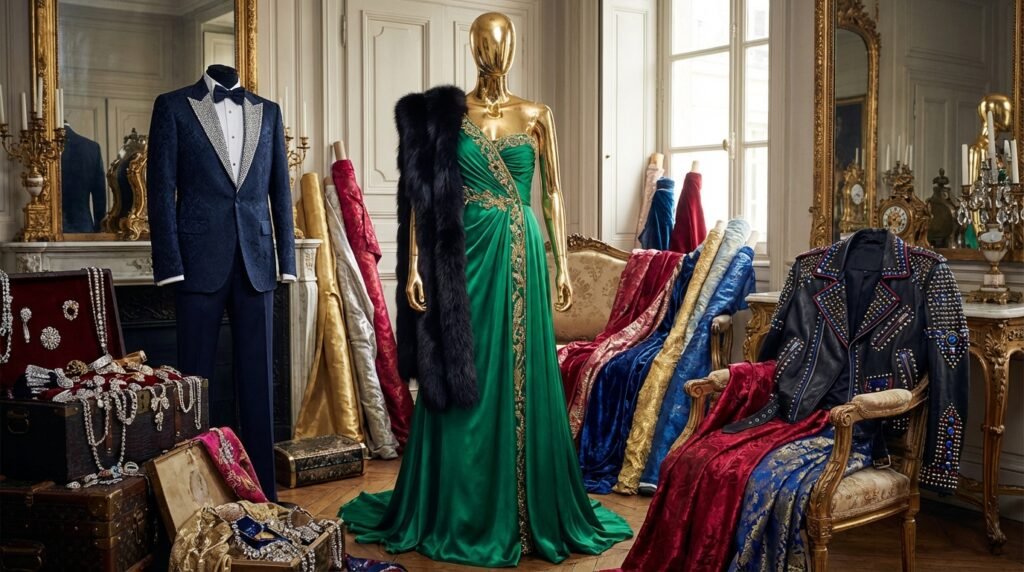
Discover what luxury fashion design is, why it matters, and how to implement it step by step. Learn key benefits, common mistakes, best practices, and advanced strategies to maximize results and stay ahead of the competition.
Luxury fashion design embodies far more than expensive garments and coveted logos. It is the discipline of creating timeless, meticulously crafted pieces that express identity, status, and culture. For brands, designers, and entrepreneurs, understanding how luxury fashion design works—and how to implement it strategically—is essential to competing in an increasingly demanding global market.
This comprehensive luxury fashion design guide explores what the concept truly means, why it matters, and how to build or refine a luxury fashion label, step by step. You will also find best practices, expert tips, and forward-looking strategies to keep your brand relevant and desirable.
Understanding Luxury Fashion Design: What It Is and Why It Matters
What Is Luxury Fashion Design?
Luxury fashion design is the art and business of creating high-end clothing, accessories, and footwear characterized by exceptional quality, refined aesthetics, and a strong brand narrative. Unlike mass-market fashion, it prioritizes craftsmanship, exclusivity, and emotional resonance over volume and speed.
At its core, luxury fashion design integrates several pillars:
- Excellence in materials and construction: Premium fabrics, artisanal techniques, and rigorous quality control underpin every piece.
- Distinctive creative vision: A recognisable design language, silhouettes, and details that differentiate the brand from competitors.
- Heritage and storytelling: A compelling narrative—heritage, craftsmanship, innovation, or cultural roots—that adds meaning beyond the product itself.
- Exclusivity and scarcity: Limited runs, bespoke services, and curated distribution channels that maintain desirability.
- Elevated brand experience: From packaging and boutiques to digital platforms, every touchpoint reinforces the perception of luxury.
When people ask, “What is luxury fashion design?”, they are often referring both to the creative process and the strategic framework behind it. It is a meticulous balance of aesthetics, business, and brand positioning.
Why Luxury Fashion Design Is Important for Designers, Brands, and Entrepreneurs
Luxury fashion design matters because it defines the upper tier of the industry, setting standards that influence trends and consumer expectations across all market segments. For designers and brand owners, mastering the benefits of luxury fashion design and its strategic implications can reshape their trajectory.
Key reasons it is important include:
- Brand differentiation: In a saturated fashion market, a well-defined luxury positioning differentiates a label through quality, storytelling, and prestige rather than price competition.
- Higher margins and profitability: Authentic luxury can command premium prices, enabling healthier margins when backed by genuine value and strong brand equity.
- Global appeal: Luxury brands can reach international audiences more easily, as aspirational products transcend borders and cultures.
- Cultural influence: Luxury fashion shapes aesthetics, societal symbols, and consumer aspirations, positioning brands as tastemakers rather than followers.
- Longevity and legacy: While trends fade, well-executed luxury fashion design supports long-term brand equity and intergenerational relevance.
For anyone interested in how to enter this tier—whether you are an emerging designer, a small atelier, or an established brand repositioning upwards—understanding how to implement luxury fashion design strategically is fundamental.
Key Benefits and Challenges of Luxury Fashion Design
Core Benefits of Implementing Luxury Fashion Design
Implementing a true luxury approach goes beyond aesthetic refinement. It can transform the way a business operates and how it is perceived. The main benefits of luxury fashion design include:
- Enhanced brand prestige: Consistent luxury codes—craftsmanship, coherent collections, and curated experiences—elevate your brand’s status, making it more aspirational.
- Customer loyalty and advocacy: Luxury consumers often develop deep emotional bonds with brands. Exceptional quality and service encourage repeat purchases and word-of-mouth promotion.
- Pricing power: A strong luxury positioning allows brands to sustain premium pricing without relying on heavy discounting, preserving both margins and desirability.
- Greater creative freedom: Luxury customers often seek distinctive, refined pieces rather than purely trend-driven items, giving designers more room to explore unique concepts.
- Strategic partnerships and collaborations: A credible luxury profile attracts collaborators—artists, architects, hotels, and other brands—who want to associate with an elevated image.
These outcomes do not materialise by accident; they result from thoughtful application of luxury fashion design best practices in everything from product development to communication.
Common Mistakes and Challenges to Avoid
Despite its appeal, luxury fashion design presents significant challenges. Missteps can quickly erode credibility and alienate discerning clients. The most frequent pitfalls include:
- Confusing high price with luxury: Pricing alone does not create a luxury brand. Without superior quality, coherence, and experience, elevated prices feel unjustified.
- Inconsistent quality: Using premium materials in one collection and cutting corners in the next undermines trust. Consistency is crucial.
- Overextension and overexposure: Expanding into too many product categories or sales channels dilutes exclusivity and confuses the brand image.
- Weak brand story: Many labels invest in aesthetics but neglect narrative. Without a compelling story, luxury pieces risk being perceived as generic.
- Short-term trend obsession: Chasing every micro-trend jeopardises the timelessness and authority expected from luxury fashion houses.
- Poor customer experience: Slow or inattentive service, uninspired packaging, or generic communication clash with the expectations of a luxury clientele.
Addressing these challenges demands a structured approach. The following luxury fashion design step-by-step guide will help you implement a robust, coherent strategy.
Step-by-Step Guide: How to Implement Luxury Fashion Design Effectively
Preparations and Tools Needed for Luxury Fashion Design
Before sketching your first collection as a luxury brand, you must lay solid foundations. Proper preparation determines the success of every creative and business decision that follows. Key preparatory steps and tools include:
- Brand audit and positioning: Assess your current brand identity, products, and audience. Define your desired position on the fashion spectrum—accessible premium, high luxury, or ultra-luxury.
- Market and competitor research: Study leading luxury houses and niche players. Analyse their design signatures, price architecture, storytelling, and distribution.
- Clear brand DNA: Define your core values, design codes, colour palettes, silhouettes, and key materials. This DNA will guide every collection.
- Materials and supplier network: Identify textile mills, leather tanneries, and ateliers capable of delivering luxury-level quality and consistency.
- Technical tools: Use design software (such as Adobe Illustrator or CLO 3D), tech packs, and product lifecycle management systems to formalise your design processes.
- Operational structure: Set up processes for quality control, sizing standards, sample management, and production oversight.
- Branding toolkit: Develop logos, typography, colour systems, packaging concepts, and visual guidelines aligned with a luxury positioning.
These elements form the backbone of any serious luxury fashion design guide. Without them, implementation tends to be fragmented and inconsistent.
Actionable Steps to Get Started with Luxury Fashion Design
Once you have established your foundation, you can move through a structured process. The following luxury fashion design step-by-step framework outlines how to implement your vision effectively:
- Define your target clientele in detail
Identify not only demographics but psychographics: lifestyle, cultural references, purchasing behaviours, and style preferences. Luxury buyers are discerning; understand what sophistication means to them. - Refine your brand story and creative direction
Articulate why your brand exists and what sets it apart. Is it centred on artisanal heritage, architectural minimalism, bold experimentalism, or sustainable innovation? Translate this into a clear seasonal concept and mood boards. - Design a cohesive, focused collection
Create a tightly edited assortment that honours your brand DNA. Prioritise timeless silhouettes with distinctive details over an excessive number of SKUs. Align fabrics, trims, and finishes with your luxury positioning. - Prototype and iterate meticulously
Develop samples with your chosen ateliers. Fit each piece rigorously on live models, refining cut, drape, and comfort. Address every imperfection; luxury tolerates no shortcuts. - Establish a robust quality framework
Define clear standards for stitching, lining, seams, buttons, zips, and finishing. Implement inspection points at each production stage to ensure consistency across all items. - Develop pricing and assortment architecture
Build a logical price ladder matching perceived value. Anchor pieces (iconic items), seasonal highlights, and entry-level accessories should all feel coherent within your luxury tier. - Craft the luxury brand experience
Design packaging, labels, hang-tags, and shipping materials that exude refinement. Prepare a boutique or showroom concept that mirrors your creative universe, even if you start online. - Curate distribution channels strategically
Luxury thrives on selectivity. Choose a limited number of aligned stockists or platforms. If you sell direct-to-consumer, ensure your e-commerce environment feels immersive and premium. - Develop a communication strategy
Plan content—lookbooks, campaign images, videos, editorials—that reflects your luxury identity. Engage with stylists, editors, and influencers who genuinely align with your brand. - Collect feedback and refine
Listen carefully to early clients, retail partners, and press. Use their insights to refine fits, materials, and service, without compromising your creative integrity.
Following these steps transforms the idea of luxury fashion design into a concrete, structured reality.
Best Practices, Tips, and Advanced Strategies for Luxury Fashion Design
Proven Best Practices to Maximize Results
To build a sustainable and desirable brand, it is essential to integrate tested luxury fashion design best practices into your operations and creative process. The following principles are particularly effective:
- Prioritise timelessness over trend-chasing: Introduce subtle seasonal accents, but ensure your core pieces remain relevant for many years. Luxury clients look for longevity.
- Develop signature elements: Distinctive cuts, hardware, stitching, or colour combinations become your visual signature. Over time, these cues make your designs instantly recognisable.
- Invest in relationships with artisans and suppliers: Long-term partnerships enable better quality, exclusive materials, and more efficient problem-solving.
- Elevate every micro-interaction: From a handwritten note in the packaging to prompt, respectful customer support, minor gestures reinforce a luxury perception.
- Maintain strict control over brand imagery: Ensure campaigns, social media content, and collaborations never dilute your aesthetics or values.
- Document and codify your processes: As your brand grows, internal manuals on quality, design codes, and customer service standards help preserve luxury consistency.
- Measure perception, not only sales: Track brand sentiment, press coverage, and client feedback to gauge whether your positioning is understood and appreciated.
These luxury fashion design tips create a virtuous circle: the more consistent and coherent your brand, the stronger your reputation and client loyalty become.
Advanced Strategies and Future Trends in Luxury Fashion Design
Luxury fashion is evolving rapidly. To remain competitive, brands must anticipate changes rather than reacting belatedly. Incorporating advanced luxury fashion design strategies will help you stay ahead of the curve.
1. Integrating Sustainability as a Core Luxury Value
Sustainability is no longer an optional add-on. Modern luxury clients expect traceability, responsibility, and ethical practices.
- Responsible sourcing: Use certified fabrics, ethically sourced leathers, and transparent supply chains.
- Longevity as sustainability: Design pieces built to last, with repair services or refurbishment programs to extend their lifecycle.
- Clear communication: Present sustainability efforts with precision and honesty, avoiding vague claims.
When executed thoughtfully, sustainability reinforces rather than weakens the perception of luxury.
2. Embracing Technology and Digital Craftsmanship
Technology is reshaping how luxury fashion is designed, presented, and experienced.
- 3D design and virtual prototyping: Reduce waste and accelerate development while fine-tuning silhouettes with high fidelity.
- Digital showrooms and virtual try-ons: Offer immersive experiences to international clients and buyers without compromising exclusivity.
- Blockchain and traceability: Use digital certificates to authenticate products and trace materials, reinforcing trust.
Digital innovation can enhance, not replace, artisanal skills, creating a new form of “augmented craftsmanship.”
3. Hyper-Personalisation and Bespoke Services
As luxury consumers seek individuality, customisation becomes increasingly important.
- Made-to-measure and bespoke pieces: Offer personalised fits, monograms, or design variations that respect your aesthetic codes.
- Private consultations: Provide one-to-one styling advisory, either in-person or via dedicated digital platforms.
- Exclusive capsules for top clients: Release limited micro-collections accessible only to select clients or by invitation.
These strategies deepen emotional engagement and reinforce the sense of privilege associated with luxury fashion.
4. Cross-Disciplinary Collaborations and Cultural Resonance
Collaborations can inject fresh energy into a luxury brand when carefully curated.
- Artistic partnerships: Work with artists, architects, or musicians whose universes resonate with your brand DNA.
- Cultural storytelling: Integrate authentic cultural references and narratives, handled with respect and depth, not superficial appropriation.
- Experiential projects: Create immersive installations, pop-ups, or performances that bring your collections to life in unexpected settings.
Such initiatives transform a brand from a simple label into a cultural actor, extending its influence beyond fashion alone.
Conclusion
Luxury fashion design is a demanding yet rewarding discipline, combining artistic vision, rigorous craftsmanship, and strategic brand management. It is much more than high price tags or glamorous campaigns. At its best, it offers clients pieces that embody excellence, meaning, and enduring beauty.
By understanding what luxury fashion design is, recognising its benefits, and avoiding common pitfalls, you can approach this segment with clarity and ambition. Implementing a thoughtful, structured process—from brand positioning and material sourcing to collection development and customer experience—ensures that every element of your label supports a true luxury narrative.
As the industry evolves, integrating sustainability, digital innovation, personalisation, and cultural relevance will be essential. Use the luxury fashion design guide, strategies, and tips outlined above as a framework, then refine them to reflect your unique identity. With patience, discipline, and unwavering commitment to quality, your brand can earn a legitimate place in the world of luxury fashion.
https://www.teepublic.com/t-shirt/50082230-hedgehog?store_id=2851997
Luxury Fashion Design: The Complete Step-by-Step Industry Guide
Interior Design Secrets Professionals Don’t Always Tell You
The Ultimate Guide to Futuristic Fashion Design
Interior Design Styles Explained: From Classic to Contemporary
Crystal Collector
Combat Protocol
WASD – Move
Mouse – Look around
Left Click – Fire Weapon
R – Reload
Eliminate all hostile units in the sector!
(Works better on computer)