
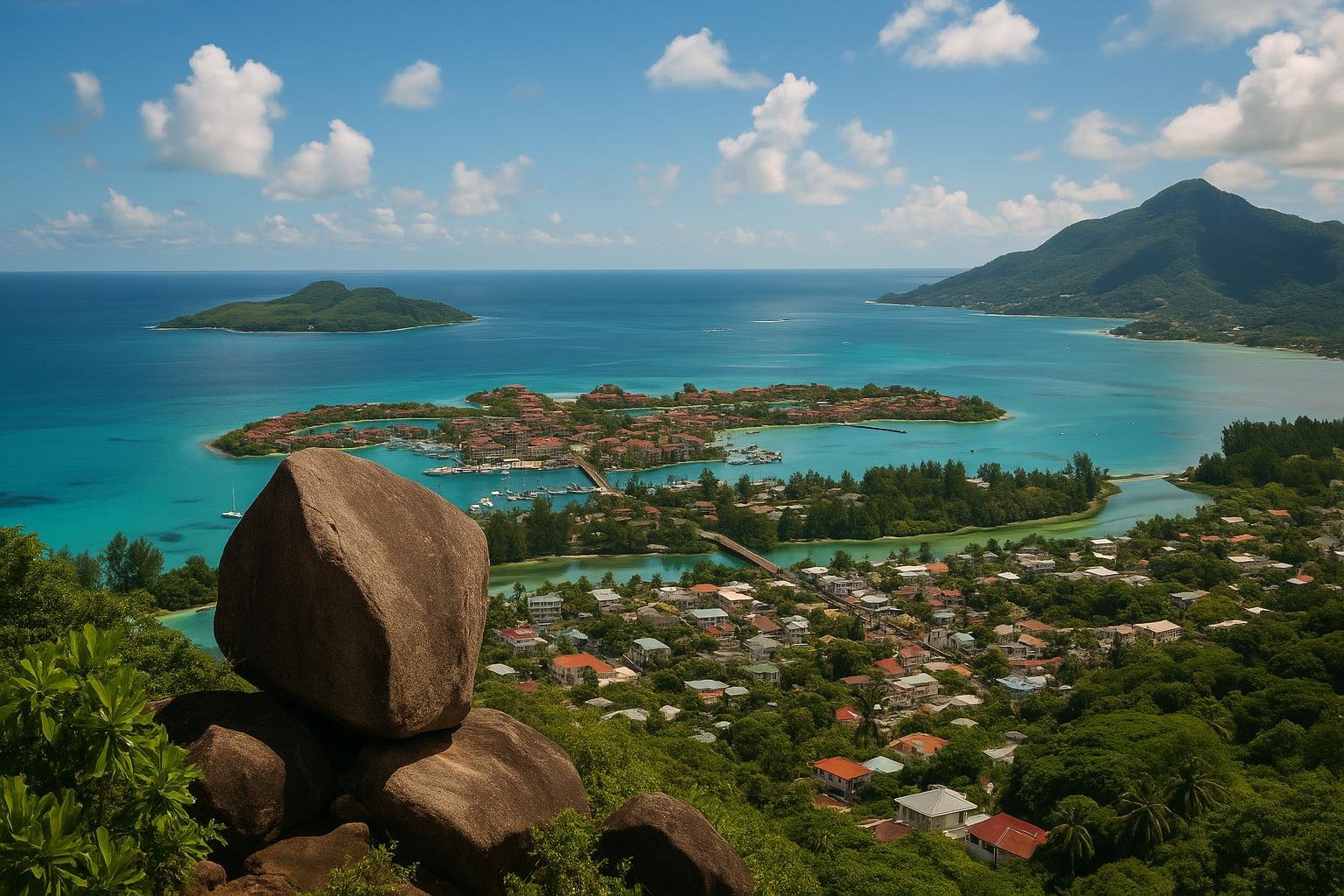
Mahé, the largest island in the Seychelles archipelago, is a place where granite peaks cloaked in rainforest plunge into translucent lagoons and soft, powder-white beaches. It serves as both the nation’s cultural heart and its primary gateway, yet large areas remain astonishingly unspoiled. This guide explores when to visit, what to see, where to stay, and how to savour the island’s distinct Creole flavours, so you can plan a stay that balances relaxation with discovery.
Best Time to Visit Mahé
Weather Conditions Throughout the Year
Mahé enjoys a warm, tropical climate year-round, with temperatures usually between 25°C and 31°C. Rather than pronounced seasons, the island’s weather is shaped by shifting trade winds, each bringing different advantages for visitors.
From May to September, the southeast trade winds usher in slightly cooler, drier conditions. Humidity tends to be lower, skies are frequently clear, and the sea can be a little choppier on exposed coasts. This period suits hikers and those who prefer less humidity and crisp visibility for panoramic views over the coastline.
October and November mark a transition, with calmer seas and warm, gentle breezes. Underwater visibility often improves, making this an excellent window for snorkelling and diving around Mahé’s coral reefs and granite outcrops. Temperatures rise slightly, but trade winds are less intense, and many travellers consider this shoulder season ideal for balanced conditions and fewer crowds.
From December to March, the northwest monsoon brings warmer, more humid weather with periodic showers and short-lived tropical downpours. These bursts of rain are often followed by bright sunshine, and the landscape becomes vividly lush. Sea conditions are generally calmer, particularly on the southeastern shores, favouring swimming, kayaking, and boat excursions.
April is typically hot and still, with glassy seas and exceptional underwater clarity. While humidity can be high, this is arguably the best time for diving, snorkelling, and marine photography around Mahé’s fringing reefs, as well as visiting nearby islands on day trips.
Holiday Seasons and Events
Tourism flows on Mahé fluctuate with global travel patterns as much as with the weather. Peak periods coincide with European school holidays—particularly December to early January, Easter, and July–August—when flights and accommodation book up quickly and prices rise.
Events on Mahé provide compelling reasons to time your visit carefully. In April, the Seychelles National Fishing Tournament draws sport fishing enthusiasts, while the lively Carnaval International de Victoria has historically brought colourful street parades and performances to the capital (dates and format can vary, so it is wise to check the latest schedule).
June is important for Seychellois national identity. Independence Day on June 29 is marked with ceremonies and cultural activities in Victoria and around the island. October often sees the Festival Kreol, a vibrant celebration of Creole heritage with music, dance, gastronomy, and art. Visiting during this period offers deeper insight into the island’s culture, though you should secure lodging well in advance.
Religious holidays, including Easter and Christmas, are widely observed and lend a festive atmosphere to Mahé’s churches and villages. While most services operate as normal, some smaller businesses may adjust opening hours, so planning ahead is helpful.
Top Attractions in Mahé
Must-Visit Beaches
Mahé’s coastline is exquisite and varied, with coves suitable for every mood—from secluded bays framed by granite boulders to long, sweeping crescents of sand lined with palms.
Beau Vallon on the northwest coast is the island’s most famous beach, known for its broad shore, gentle surf, and spectacular sunsets. It is ideal for swimming, stand-up paddleboarding, and beginner-friendly snorkelling close to the rocks. The area also offers water sports centres, cafés, and a relaxed evening scene, making it a convenient base for first-time visitors.
On the southwest coast, Anse Intendance is a stunning arc of white sand backed by forested hills. The surf can be powerful at times, which suits confident swimmers and those who appreciate wild, dramatic seascapes. Its relative isolation adds to the sense of escape, especially outside peak season.
Anse Royale, stretching along the east coast, is more sheltered thanks to an offshore reef. The lagoon here is shallow, calm, and excellent for snorkelling over coral patches teeming with tropical fish. With local eateries and guesthouses nearby, it offers an appealing blend of authentic village life and easy beach access.
For a more secluded ambience, Port Launay on the northwest is a marine national park with tranquil waters and abundant marine life. The bay is protected, making it perfect for families and novice snorkellers. On the opposite side of the island, those willing to explore farther will find serene coves such as Anse Takamaka and smaller unnamed inlets, often almost deserted outside weekends.
National Parks and Nature Reserves
Mahé’s interior is dominated by granite ridges and emerald rainforest, much of it safeguarded within protected areas. Hiking these trails offers a striking counterpoint to days spent at the beach and reveals the island’s remarkable biodiversity.
Morne Seychellois National Park covers roughly one-fifth of Mahé and encompasses its highest peak, Morne Seychellois at 905 metres. Trails range from short, well-marked walks to more demanding treks along ridgelines and into cloud forest. From viewpoints such as Morne Blanc, sweeping vistas extend over the west coast, offshore islands, and the deep blue of the Indian Ocean.
Botany enthusiasts should not miss the Copolia Trail. This moderately challenging hike leads through lush forest before emerging onto a granite plateau. Here, endemic pitcher plants cling to the rock and views over Victoria, the east coast, and the Sainte Anne Marine National Park are outstanding in clear weather.
The Sainte Anne Marine National Park, reached by boat from Mahé, protects coral reefs, seagrass meadows, and small granitic islands. Snorkelling excursions typically include stops at shallow reefs where you can see colourful fish, rays, and occasionally sea turtles. Glass-bottom boat tours offer an alternative for those who prefer to stay dry.
Closer to Victoria, the Seychelles National Botanical Gardens combine landscaped grounds with native and exotic plants, including towering palms and spice trees. Aldabra giant tortoises roam dedicated enclosures, providing an accessible introduction to one of the archipelago’s iconic species, particularly for families.
Where to Stay in Mahé
Recommended Hotels and Resorts
Accommodation on Mahé ranges from ultra-luxury retreats to intimate boutique properties. Choosing the right area is as important as the hotel itself, depending on whether you prioritise seclusion, dining options, or easy access to excursions.
On the northwest coast, the area around Beau Vallon offers a diverse concentration of resorts. Larger beachfront properties provide spacious pools, on-site dive centres, and child-friendly facilities, making this a practical base for families and couples who want convenience and a variety of restaurants within walking distance.
For an exclusive atmosphere, the northwest and southwest coasts feature several high-end resorts in sheltered coves and around marine parks. These typically offer private villas with plunge pools, refined Creole and international cuisine, and full-service spas. They are well suited to honeymooners and travellers seeking privacy and high standards of service.
The east and south coasts attract those looking for quieter surroundings. Upscale guesthouses and boutique hotels near Anse Royale or in more rural enclaves often provide direct beach access or elevated ocean views, combined with a more personal style of hospitality. These areas work well for travellers who prefer a slower pace, scenic drives, and easy access to local life.
Budget-Friendly Accommodation Options
Mahé is not a classic budget destination, but careful planning makes it accessible. Self-catering options and guesthouses are the most economical ways to stay on the island without sacrificing comfort.
Guesthouses and small inns are scattered across Mahé, particularly around Anse Royale, Beau Vallon, and residential neighbourhoods near Victoria. Rooms are usually simple but well maintained, with air conditioning, Wi-Fi, and occasionally sea views at a fraction of resort prices. Hosts often assist with arranging excursions, car hire, and local recommendations.
Self-catering apartments and villas suit couples, families, and groups who want flexibility and the ability to prepare some meals. Many come with fully equipped kitchens and outdoor terraces. Shopping at local markets and grocers for fresh fish, fruit, and spices not only reduces costs but also offers a more immersive experience of daily Seychellois life.
A few small lodges and eco-friendly properties in inland villages offer budget-conscious travellers a different perspective on Mahé. Though not always on the beach, they can provide verdant surroundings, cooler evening temperatures, and quick access to hiking trails, with the coast just a short drive away.
Local Cuisine and Dining in Mahé
Traditional Seychellois Dishes to Try
Seychellois Creole cuisine is a reflection of the islands’ cultural mosaic, blending African, French, Indian, and Chinese influences. On Mahé, meals are fragrant, colourful, and driven by the freshest possible ingredients from sea and land.
Grilled fish, often snapper, jobfish, or tuna, is a staple. Typically marinated in garlic, ginger, chilli, and lime, then cooked over charcoal, it is commonly served with rice, salads, and spicy condiments. Ordering the catch of the day is usually a reliable choice in coastal eateries.
Curry dishes hold an honoured place at the table. Unlike some fiery Indian curries, Seychellois versions tend to be aromatic rather than overwhelmingly hot. Coconut milk is used generously, and ingredients range from octopus and fish to chicken and vegetables, often accompanied by chutneys and pickled relishes.
Pumpkin chutney (satini rezend) and ladob showcase the islands’ affinity for root vegetables and fruit. Savoury ladob features breadfruit or plantain simmered in coconut milk with spices, while sweet versions add sugar and vanilla. Both are worth sampling at least once for a taste of homestyle cooking.
For a quick snack, street stalls and small cafés may sell samosas, gateaux piment (chilli fritters), and coconut-based sweets. Using these as light bites between activities is a convenient way to explore local flavours without committing to a full meal.
Popular Restaurants and Eateries
Dining on Mahé ranges from refined resort venues to humble takeaway counters, and exploring this spectrum is part of the island’s appeal.
In and around Beau Vallon, visitors will find a concentration of beachside restaurants offering grilled seafood, Creole buffets, and international dishes. Evening food stalls on certain days of the week serve barbecued fish, curries, and snacks in a convivial setting. This area is especially convenient for those who like to try different places without travelling far at night.
Victoria and its environs host a number of local cafés and casual restaurants where office workers and residents eat lunch. Menus often feature curries, rice dishes, and fresh juices at reasonable prices. Eating where locals dine provides a more grounded sense of everyday Seychelles.
Along the east and south coasts, small family-run eateries and guesthouse restaurants serve home-style Creole cuisine in understated surroundings. Dining here often feels more personal, with owners happy to explain dishes and sometimes adjust spice levels to taste. In more secluded coastal stretches, resort restaurants may be the primary option, offering higher-end presentations of regional ingredients together with international flavours.
Many hotels on Mahé also host weekly Creole nights with buffets or set menus accompanied by music or cultural performances. While designed for visitors, these evenings provide an efficient way to sample a wide range of dishes in a single sitting.
Conclusion
Mahé is more than an entry point to the Seychelles; it is a richly layered island where beach life, mountain trails, and vibrant Creole culture all coexist within easy reach. Understanding its seasonal nuances helps you decide whether to prioritise hiking, diving, or cultural festivals, while an informed choice of coastline and accommodation shapes the rhythm of your stay.
Whether you spend your days snorkelling in marine parks, wandering market stalls in Victoria, or lingering over a curry in a small seaside restaurant, Mahé offers a balanced combination of relaxation and discovery. With thoughtful planning, the island reveals itself not just as a postcard-perfect destination, but as a place with its own character and stories, rewarding those who take the time to look beyond the shoreline.
Discover More from Didier Lancelot
Amazon Author page: amazon.com/author/didierlancelot
Narmer Store: narmerstore.org
AI and Technology Ebooks
- Creative AI: Animated Drawings, Manga & Illustrations
- Build a Game with AI: The No-Code Guide
- AI Image Generation Made Easy
- Build a Website with AI: The No-Code Guide
- How to Connect AI to Your Blog: The Ultimate Automation Guide
- AI Productivity Habits: Get More Done in Less Time
- AI Avatars Made Easy
- The Book of AI Prompts: 100+ Proven Prompts
- Make Music with AI: Suno, Udio and AI Music Generators
- Click to Cash
- The Automated Edge: Outwork, Outpace, and Outperform with AI
- AI Side Hustle: How to Make Money with ChatGPT and AI Tools
- Work Smarter with AI
Health, Lifestyle and Home Ebooks
- Hidden Superfoods: The World’s Most Powerful Healing Foods
- Spanish Food: The Complete Cookbook for Authentic Home Cooking
- The Science of Happiness Explained
- The Psychology of Success
- The Secret Sauce of Consistency: What the Experts Don’t Tell You About Fitness
- The Complete Home Bartender’s Guide: Link 1 | Link 2
- Natural Beauty, Made Simple: Easy DIY Organic Skincare Recipes
- Garden Made Simple: Easy, Beginner-Friendly Techniques
- The Dog Training Bible