
Monaco Travel Guide: Monte Carlo, Royal Palace & Luxury on the French Riviera
Monaco, a shimmering enclave on the French Riviera, encapsulates glamour, history, and Mediterranean charm within just a few square kilometers. Despite its modest size, this principality offers an extraordinary concentration of cultural experiences, architectural treasures, and luxurious amenities. Whether you are drawn by the allure of its legendary casino, the elegance of its harbor, or the magnetism of its cultural scene, Monaco promises a memorable and refined escape.
Discovering Monaco: A Jewel on the French Riviera
The History of Monaco
The history of Monaco is as remarkable as its dramatic clifftop setting. Its roots date back to ancient times, when the Ligurians and, later, the Romans recognized the strategic value of the rocky promontory now known as “Le Rocher.” Over the centuries, its position overlooking the Mediterranean transformed it into a coveted stronghold for maritime powers.
The modern story of Monaco begins in 1297, when François Grimaldi seized the fortress under the guise of a monk, establishing the Grimaldi dynasty that still reigns today. This event laid the foundation for Monaco’s status as a sovereign principality and shaped its political identity. Through the turbulent centuries that followed, Monaco often found itself navigating between powerful neighbors, particularly France and the Kingdom of Sardinia.
The 19th century brought a pivotal turning point. Facing economic difficulties after losing much of its territory, Monaco sought new revenue sources. The creation of a casino and the development of Monte Carlo in the 1860s transformed the principality into a haven for affluent travelers. The construction of luxury hotels, gardens, and cultural venues helped forge Monaco’s image as a sophisticated seaside resort.
In the 20th century, the reign of Prince Rainier III and his marriage to Grace Kelly further thrust Monaco into the global spotlight. Their influence modernized the country, expanded its infrastructure, and consolidated its reputation for glamour, culture, and high-profile events. Today, Monaco maintains a delicate balance between tradition and innovation, preserving its heritage while embracing modern luxury and sustainability.
Geographical Significance and Climate
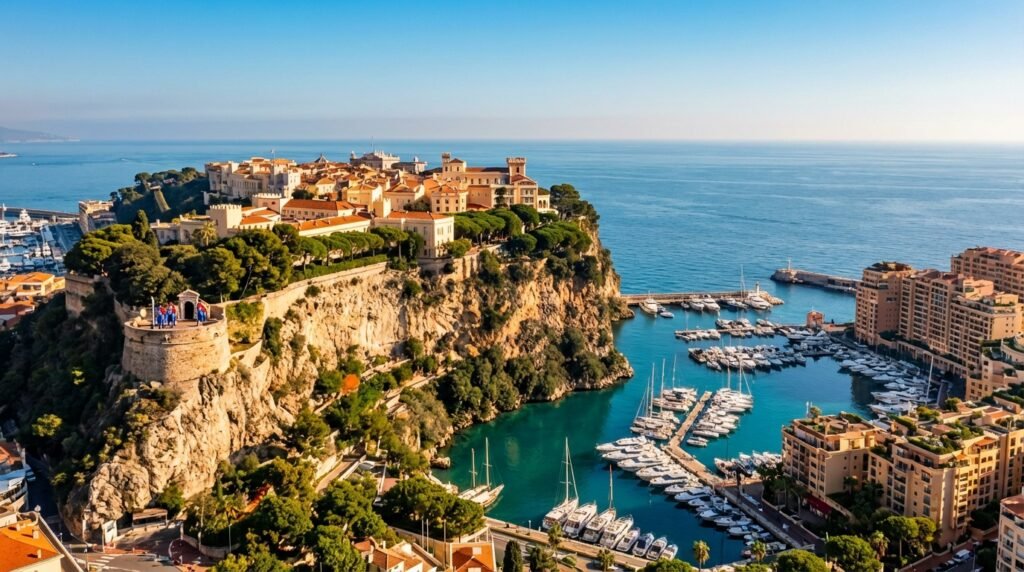
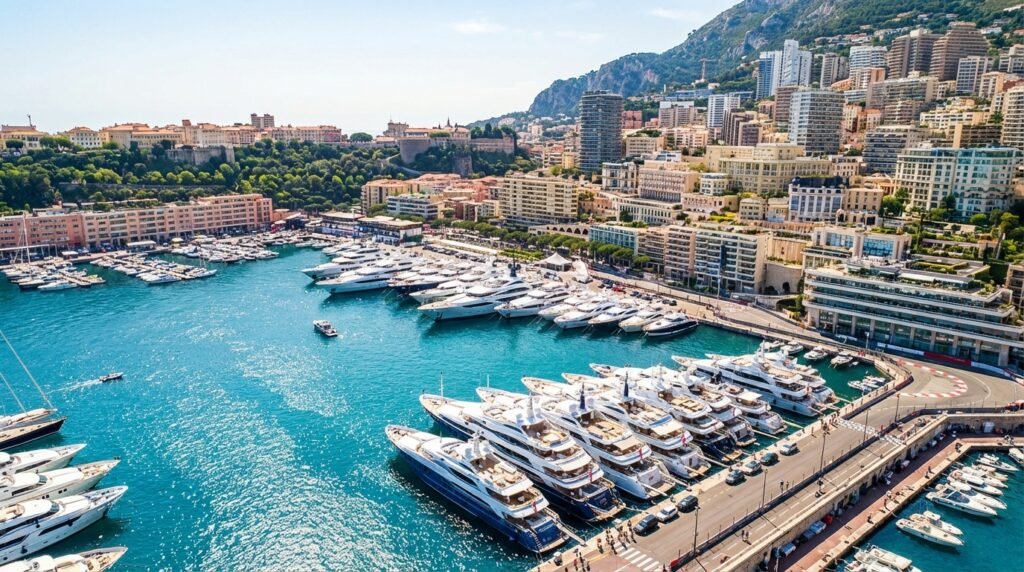
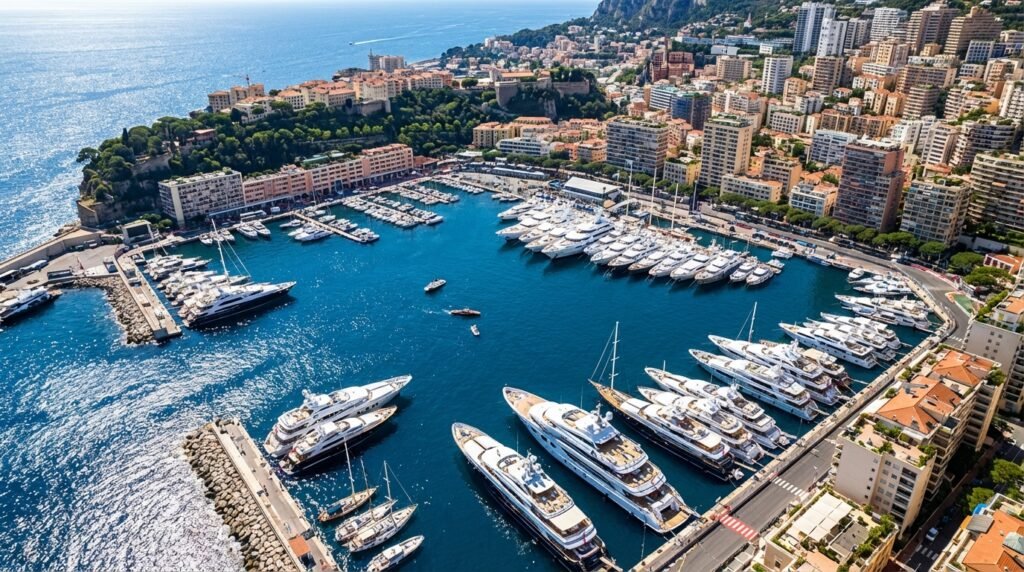
Monaco occupies a unique geographical position on the Mediterranean coast, bordered by France on three sides and the sea on the fourth. Perched on cliffs and terraces that plunge into the azure waters, it enjoys panoramic vistas that have long captivated artists, writers, and discerning travelers. Despite its small footprint, the principality is composed of distinct districts, including Monaco-Ville, Monte Carlo, La Condamine, and Fontvieille, each offering a particular atmosphere and set of attractions.
The climate in Monaco is typically Mediterranean, characterized by mild winters and warm, sunny summers. With more than 300 days of sunshine per year, the principality provides an ideal environment for outdoor pursuits—from strolling along the harbor promenades to exploring its meticulously landscaped gardens. Winters are generally temperate, with rare frosts, making it a comfortable destination throughout the year.
Monaco’s coastal location and steep topography also lend it a remarkable scenic diversity within a compact space. Visitors can admire dramatic sea views from the old town, enjoy the manicured greenery of the Exotic Garden, or gaze up at elegant high-rises that form a striking urban silhouette against the mountains. This geographical complexity, combined with its enviable climate, contributes greatly to Monaco’s enduring appeal as a luxury travel destination.
Top Attractions in Monaco
The Iconic Monte Carlo Casino
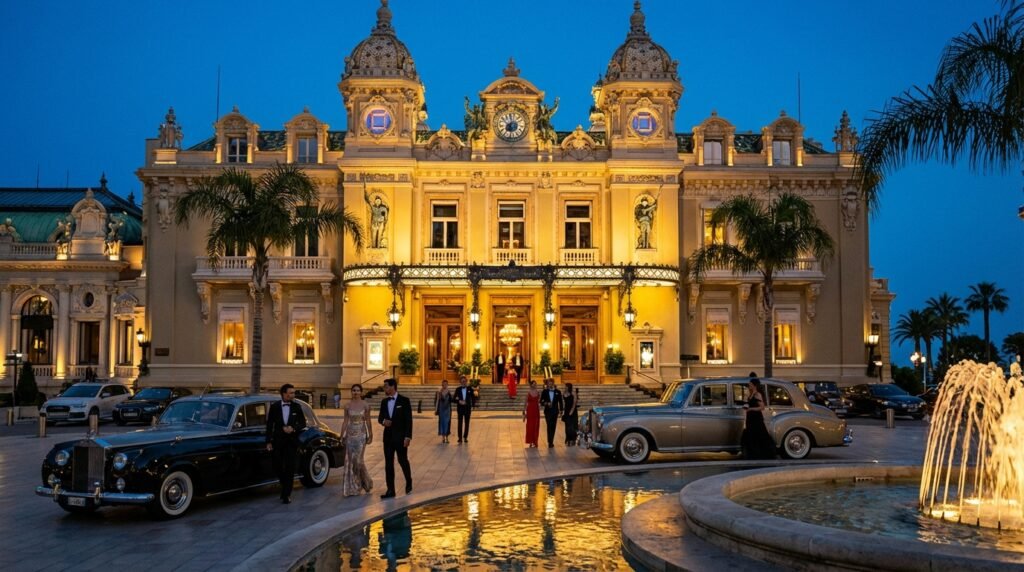
The Monte Carlo Casino is arguably Monaco’s most emblematic landmark. Designed by the renowned architect Charles Garnier in the late 19th century, this Belle Époque masterpiece embodies opulence and theatrical grandeur. Its ornate façade, marble columns, and gilded interiors offer an immersive experience that extends well beyond gaming.
Visitors may explore the casino’s lavish gaming rooms, adorned with frescoes, chandeliers, and intricate woodwork. Even those uninterested in gambling often choose to enter simply to admire the building’s architecture and atmosphere. The surrounding Place du Casino is equally captivating, flanked by luxury hotels, refined cafés, and meticulously arranged flowerbeds, making it one of the most photogenic squares in Europe.
In addition to traditional table games and slot machines, the Monte Carlo Casino hosts exclusive events and high-profile tournaments. The dress code and entry requirements preserve a sense of refinement, reinforcing the casino’s reputation as a sanctuary of sophistication. Whether you intend to try your luck or simply soak up the ambiance, an evening visit to Monte Carlo remains an indispensable element of any stay in Monaco.
The Opulent Prince’s Palace of Monaco
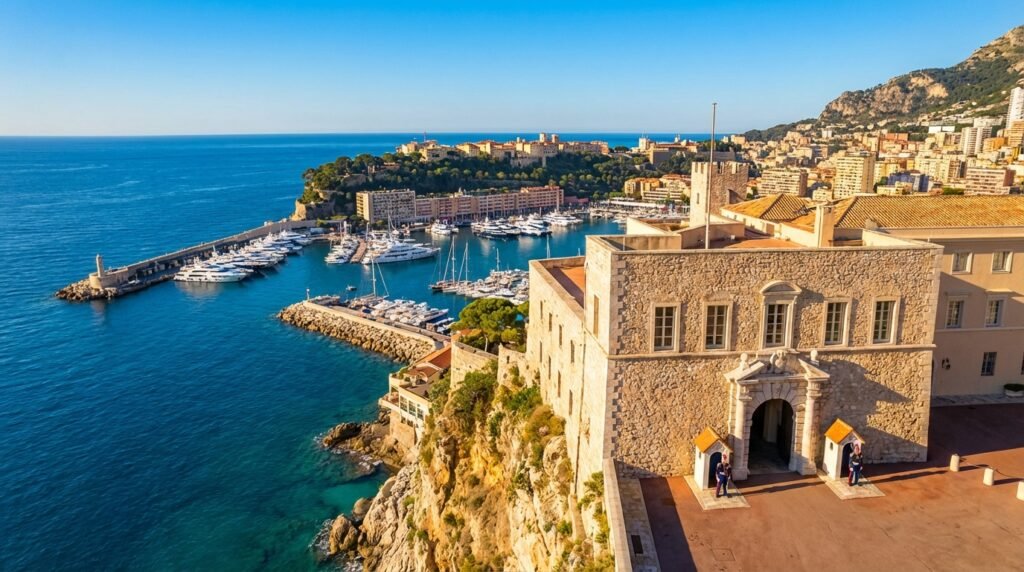
The Prince’s Palace of Monaco, perched atop the rocky outcrop of Monaco-Ville, serves as both the official residence of the reigning sovereign and a remarkable historical monument. Originally a Genoese fortress dating back to the 13th century, it has undergone numerous transformations, evolving into a refined palace that reflects various architectural influences.
During designated periods of the year, parts of the palace are open to the public. Visitors can explore the State Apartments, whose sumptuous interiors feature frescoes, period furniture, and an impressive collection of artworks. Highlights often include the Mirror Gallery, the Blue Room, and the Throne Room, each illustrating the grandeur and continuity of the Grimaldi dynasty.
Outside, the palace’s forecourt offers sweeping views over the harbor and the city below. Many visitors time their visit to watch the ceremonial changing of the guard, which takes place late in the morning and provides a glimpse into Monaco’s ceremonial traditions. The surrounding old town, with its narrow alleys, pastel-colored houses, and small squares, enhances the experience and invites leisurely exploration after touring the palace.
Experiencing Monaco’s Culture and Lifestyle
Traditional Festivals and Events
Monaco’s cultural calendar is impressively rich for such a compact territory. The principality hosts world-renowned events that shape its identity and attract visitors from every continent. The Monaco Grand Prix, held annually in late May, transforms the streets of Monte Carlo and La Condamine into one of the most demanding Formula 1 circuits. The spectacle of high-performance cars racing past yachts and historic buildings is unparalleled in the world of motorsport.
Beyond racing, Monaco is deeply committed to the arts. The Monte-Carlo Opera, housed in the Salle Garnier within the casino complex, presents prestigious opera and ballet performances. The Monte-Carlo Philharmonic Orchestra, along with the renowned Ballets de Monte-Carlo, upholds a long-standing tradition of artistic excellence. Seasonal festivals, such as the Printemps des Arts de Monte-Carlo, showcase classical music and contemporary compositions, enriching the cultural landscape.
Traditional celebrations, including the National Day of Monaco on 19 November, reflect the principality’s heritage and sense of community. On this occasion, official ceremonies, parades, and cultural activities pay tribute to the sovereignty and history of the Grimaldi family. Religious and maritime festivities, such as the blessing of the sea, emphasize Monaco’s enduring connection to the Mediterranean and its seafaring roots.
Upscale Shopping and Dining Options
Monaco has established itself as a premier destination for luxury shopping. The Carré d’Or district, just steps from the Monte Carlo Casino, concentrates many of the world’s most prestigious fashion houses and jewelry brands. Elegant boutiques line the streets and galleries, offering haute couture, fine timepieces, and bespoke accessories that cater to an international clientele.
For a more contemporary retail experience, the Métropole Shopping Center and the commercial areas in Fontvieille present a blend of high-end labels and more accessible brands. The overall ambiance remains refined, with polished interiors, curated window displays, and attentive service. Even casual browsing becomes a pleasurable activity thanks to the stylish surroundings.
Gastronomy holds a central place in Monaco’s lifestyle. The principality boasts an impressive concentration of Michelin-starred restaurants, where celebrated chefs reinterpret Mediterranean flavors with creativity and precision. Fresh seafood, seasonal produce, and regional influences from Provence and Liguria converge on the plate. At the same time, numerous brasseries, cafés, and wine bars offer relaxed yet elegant venues for enjoying local specialties, from socca and barbagiuan to delicate pastries.
Many establishments offer terraces with sea views or overlook bustling squares, allowing visitors to fully appreciate Monaco’s atmosphere while savoring a refined meal or an aperitif at sunset. Combined, the shopping and dining scenes contribute significantly to the principality’s image as a sanctuary of cultivated indulgence.
Planning Your Trip to Monaco
Best Times to Visit Monaco
Choosing the right time to visit Monaco depends on your priorities. The peak season extends from late spring to early autumn, when the weather is reliably warm and the social calendar is at its most vibrant. May is particularly dynamic due to the Monaco Grand Prix and other prestigious events, but it is also one of the busiest—and most expensive—periods of the year.
For travelers seeking a balance between pleasant weather and fewer crowds, the shoulder seasons of April–early June and September–October are ideal. During these months, temperatures remain comfortable for outdoor sightseeing and seaside relaxation, while hotel availability tends to be more favorable. The sea is often warm enough for swimming in early autumn, adding to the appeal.
Winter in Monaco is generally mild, with cooler evenings but frequent sunshine. This quieter period may suit visitors who prioritize museums, cultural performances, and tranquil walks over beach activities. Festive decorations and events around the end-of-year holidays introduce a different kind of charm, with illuminated streets and seasonal markets creating a refined yet celebratory ambiance.
Travel Tips and Transportation Options
Monaco is easily accessible despite its small size. The nearest international gateway is Nice Côte d’Azur Airport, located approximately 30 kilometers away on the French Riviera. From the airport, travelers can reach Monaco by train, private transfer, taxi, or helicopter. The helicopter service provides a particularly scenic and efficient option, offering breathtaking views along the coastline and a flight of just a few minutes.
Rail connections link Monaco to major cities in France and beyond, making it convenient to integrate the principality into a broader European itinerary. The central railway station, Monaco–Monte-Carlo, is well connected to public elevators and escalators that help overcome the significant changes in elevation within the city. Buses, taxis, and rideshare services supplement the public transport network, though many visitors prefer to explore on foot, as distances are relatively short.
When planning accommodations, it is advisable to book well in advance during major events and peak seasons. Monaco offers a spectrum of high-quality lodging, from legendary palace hotels to contemporary boutique establishments. Given the principality’s focus on safety and cleanliness, visitors generally find it straightforward to navigate and feel at ease.
Practical considerations include familiarizing yourself with local customs and dress codes, particularly when visiting religious sites, attending cultural performances, or entering the casino. While Monaco uses the euro and French is the official language, English and Italian are widely spoken, facilitating communication for international travelers. Thoughtful planning will allow you to make the most of your stay and fully experience Monaco’s distinctive blend of refinement, culture, and coastal beauty.
In conclusion, Monaco stands as a singular destination where history, luxury, and natural splendor converge. Its storied palace, iconic casino, and vibrant cultural life coexist harmoniously with Mediterranean landscapes and a cosmopolitan atmosphere. Whether you come for a short excursion or a longer retreat, the principality offers a rich array of experiences that far exceed its compact dimensions. With careful planning and an appreciation for its unique character, a visit to Monaco can become one of the most memorable chapters in your travels along the French Riviera.
https://www.teepublic.com/t-shirt/50088650-classic-car?store_id=2851997
How Interior Design Influences Mood and Productivity
Cannes Travel Guide: Top Attractions and Best Time to Visit
Interior Design Secrets Professionals Don’t Always Tell You
My Puzzle