
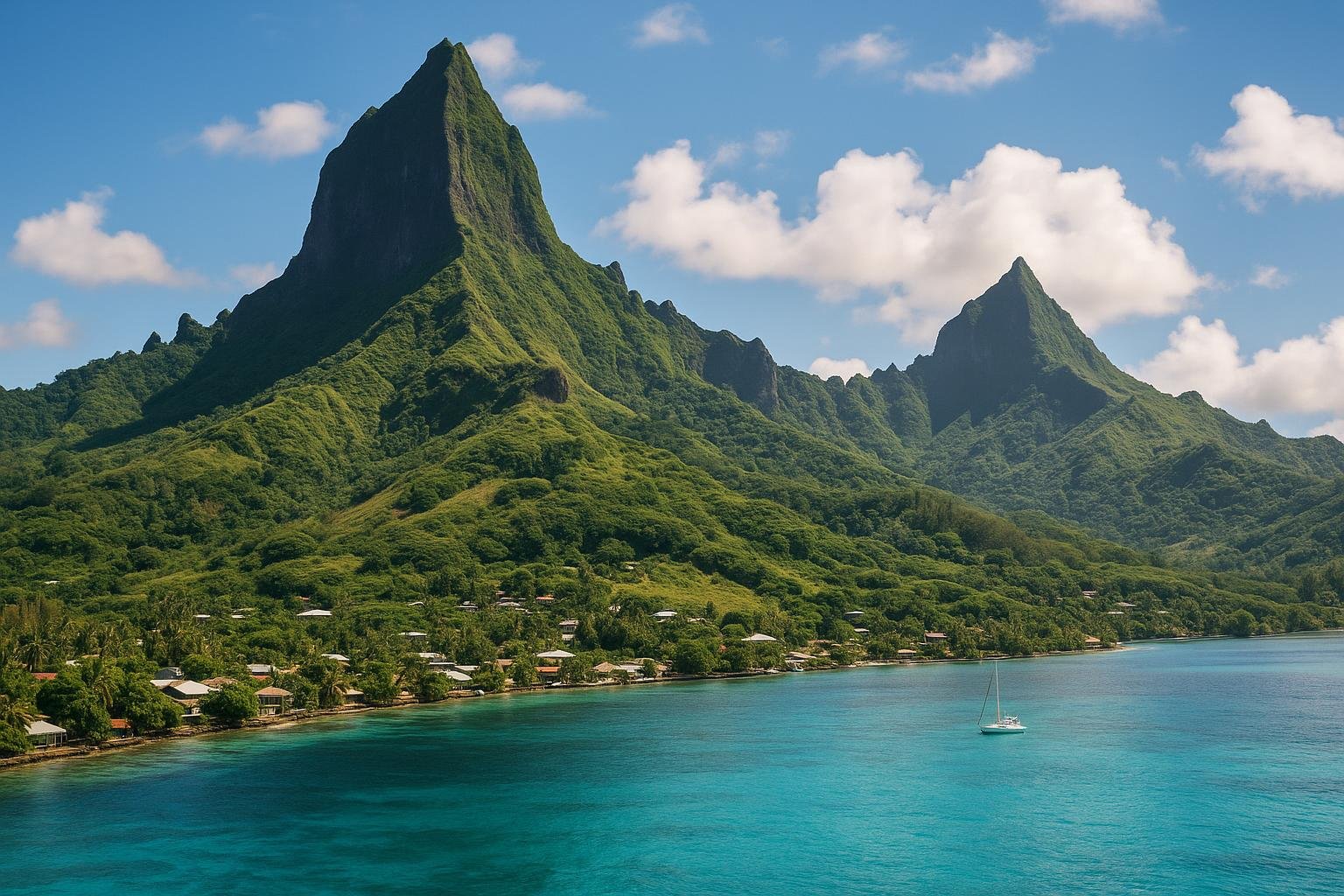
Moorea rises from the South Pacific like a dreamscape: jagged emerald peaks, crystalline lagoons in shades of turquoise and cobalt, and a pace of life that invites you to slow down and breathe. Just a short ferry ride from Tahiti, this island combines wild volcanic scenery with refined resorts, authentic Polynesian culture, and world-class marine life. Whether you are planning a romantic escape, a family holiday, or an active adventure, Moorea offers a remarkably complete island experience in a compact, easily explored setting.
Best Time to Visit Moorea
Weather Overview
Moorea enjoys a warm, tropical climate year-round, with temperatures generally hovering between 24°C and 30°C (75°F to 86°F). The island’s seasons are defined less by temperature and more by rainfall and humidity.
The drier season runs roughly from May to October. During these months, trade winds bring slightly cooler air, lower humidity, and clearer skies. Sea conditions tend to be calmer, visibility for snorkeling and diving is excellent, and afternoon showers are usually brief.
The wetter season stretches from November to April. Expect warmer, more humid days, with heavier, more frequent showers, often in the late afternoon or at night. Rainfall typically comes in bursts rather than all-day storms, and landscapes are at their most lush and vibrant. Cyclones are uncommon but possible between December and March, which is worth considering if you prefer very stable weather.
Seasonal Highlights
From May to June and in September and October, Moorea strikes its most appealing balance. These shoulder months combine pleasant weather, good water visibility, and fewer crowds than peak holiday periods. They are often ideal for outdoor exploration and enjoying the lagoon without feeling rushed or crowded.
July and August coincide with the Southern Hemisphere winter holidays. This is high season, with the most visitors, especially from Europe and North America. Accommodation prices peak, and popular tours book out early. However, the atmosphere is lively, and conditions for hiking, biking, and water-based excursions are typically superb.
Between November and April, the island feels quieter, and you may find more attractive rates on flights and hotels. This period is particularly appealing for travelers who prioritize a serene atmosphere and do not mind occasional heavy rainfall. The ocean is warmer, which many swimmers and snorkelers appreciate, and the island’s gardens, waterfalls, and valleys flourish under the regular rains.
Top Attractions in Moorea
Must-See Natural Wonders
Moorea’s geography is its greatest attraction. A ring of velvet-green peaks protects a broad lagoon, fringed by white-sand beaches and coral gardens. Even short excursions reveal dramatic scenery.
- Cook’s Bay and Opunohu Bay: These twin bays cut deep into the island’s north coast, flanked by steep volcanic cliffs. A drive along the waterfront roads offers continual viewpoints, but the best perspectives come from boat tours that glide beneath towering peaks. The light at sunrise and late afternoon is particularly photogenic.
- Belvedere Lookout: One of the island’s iconic vantage points, Belvedere Lookout reveals a vast amphitheater of mountains with both Cook’s Bay and Opunohu Bay spread below. On clear days you can see the jagged summit of Mount Rotui and the fertile Opunohu Valley. Well-marked trails nearby invite short hikes through forests of mape (Tahitian chestnut) and ancient archaeological sites.
- Lagoon and Coral Gardens: Moorea’s lagoon is shallow, sheltered, and exceptionally clear. Offshore motu (small islets) host coral gardens alive with butterflyfish, parrotfish, and rays. Guided snorkeling tours often combine coral exploration with gentle interactions with blacktip reef sharks and stingrays in shallow sandbanks.
- Mount Rotui and the Interior Valleys: Serious hikers gravitate to paths beneath Mount Rotui and around the island’s rugged interior. While summit routes are suited to experienced trekkers, there are moderate trails that cross pineapple plantations, streams, and forested slopes, revealing another, quieter side of Moorea.
Cultural Experiences and Activities
Beyond its natural beauty, Moorea offers insight into Polynesian heritage, daily island life, and a growing creative scene. Engaging with local culture deepens the experience and supports the community.
- Traditional Polynesian Shows: Many resorts and cultural centers host evening performances of ‘ori Tahiti (Tahitian dance) accompanied by live drumming and chanting. These shows often include explanations of legends, costumes, and instruments, allowing visitors to understand the stories behind the choreography rather than merely watching a spectacle.
- Tahitian Villages and Marae: Visiting restored marae (sacred stone platforms) around Opunohu Valley reveals the island’s pre-colonial past. Informative plaques or guided tours explain how these sites once served as ceremonial and political centers. Some excursions also include stops in small villages, where you can observe daily routines and local crafts.
- Local Markets and Handicrafts: Moorea’s markets, often held near the main village of Maharepa, showcase fresh tropical produce, hand-dyed pareos, carved wooden tiki figures, and delicate mother-of-pearl jewelry. Interacting with artisans offers insight into traditional techniques and provides meaningful souvenirs.
- Agricultural and Culinary Tours: The island is renowned for its sweet pineapples and vanilla plantations. Tours of farms and agricultural estates allow visitors to walk through the fields, learn about cultivation methods, and sample fresh fruit, jams, and local liqueurs.
- Water-Based Excursions: Cultural discovery extends onto the water. Lagoon cruises led by local skippers often incorporate storytelling, music, and explanations of navigation traditions and reef ecology alongside swimming and snorkeling.
Where to Stay in Moorea
Best Hotels and Resorts
Accommodation on Moorea spans intimate guesthouses to sophisticated resorts with overwater bungalows. Selecting the right area is as important as choosing a property type, as distances can be longer than they appear on a map.
- North Coast Resorts (Cook’s Bay & Opunohu Bay): Many high-end resorts cluster along the island’s north shore, taking advantage of calm lagoons and views toward Tahiti. Here you will find iconic overwater villas, wide beachfronts, and full-service facilities including spas, dive centers, and multiple dining options. This area suits travelers seeking convenience, amenities, and easy access to organized excursions.
- East and West Coast Beach Retreats: Smaller boutique hotels and refined beach lodges are scattered along the east and west coasts. These properties often emphasize privacy, personalized service, and a more tranquil ambiance. They are well suited to honeymooners and couples who prioritize seclusion and direct beach access.
- Family-Friendly Resorts: Several larger properties offer spacious garden bungalows, kids’ clubs, and shallow beachfronts ideal for young swimmers. On-site activities such as paddleboarding, kayaking, and introductory snorkeling make it easier for families to enjoy the lagoon without extensive planning.
- Eco-Chic and Hillside Lodges: For travelers drawn to greener surroundings, hillside bungalows tucked into the interior provide panoramic views over the lagoon and mountains. Many of these lodges incorporate sustainable practices and cultivate gardens, offering a more immersive, nature-oriented experience.
Budget-Friendly Accommodations
Moorea can be explored comfortably without a luxury budget. The island offers a range of modest yet well-maintained accommodations that retain a strong sense of place.
- Pensions and Family-Run Guesthouses: Locally owned pensions, often with a handful of bungalows in a garden setting, deliver excellent value. Stays typically include breakfast and the possibility of home-cooked dinners. These guesthouses foster interaction with hosts, who frequently share recommendations, stories, and insights that you will not find in guidebooks.
- Self-Catering Bungalows and Apartments: Renting a small house or bungalow with a kitchen can significantly reduce meal costs. Many properties are within walking distance of small grocery stores or snack bars. This option suits independent travelers and families comfortable arranging their own activities and car rentals.
- Budget Hotels and Surf-Style Lodges: A few simple hotels and lodges around the island cater to backpackers and minimalist travelers. Rooms may be basic but clean, sometimes with shared facilities. These properties often attract a social, outdoors-oriented crowd, making it easier to join others for hikes, dives, or surf sessions.
Regardless of budget, booking early is advisable, especially during the dry season and holiday periods. Moorea’s accommodation inventory is limited, and the most desirable rooms and bungalows often sell out months in advance.
Food and Dining in Moorea
Traditional Polynesian Cuisine
Moorea’s culinary identity blends Polynesian traditions with French influence and an abundance of fresh seafood and tropical produce. Meals are often simple in preparation but rich in flavor and texture.
The signature dish is poisson cru à la tahitienne: raw tuna marinated briefly in lime juice, then mixed with coconut milk, cucumber, tomatoes, and occasionally grated carrots. The result is fresh, creamy, and subtly tangy, perfectly suited to the island’s climate.
Other classic dishes include taro, breadfruit, and sweet potatoes baked in coconut cream; grilled lagoon fish served with vanilla sauce; and uru (breadfruit) cooked over an open fire. At traditional feasts known as ahimaa, food is slow-cooked for hours in an earth oven lined with hot stones, producing meltingly tender pork, chicken, and root vegetables infused with smoky sweetness.
French influence appears in crusty baguettes, pastries, and refined desserts. Many menus combine local ingredients with European techniques, resulting in creative dishes such as tuna tartare with vanilla, coconut crème brûlée, and tropical fruit tarts.
Recommendations for Restaurants and Cafés
Dining in Moorea ranges from high-end restaurants with lagoon views to modest roadside “snacks” serving generous plates at reasonable prices. Reservations are recommended for popular venues, especially in peak season.
- Lagoonfront Fine Dining: Several resort restaurants and independent establishments overlook the water, offering candlelit dinners with panoramic sunset views. Menus here typically showcase fresh fish, imported meats, and carefully curated wine lists. These settings are ideal for special occasions and romantic evenings.
- Casual Beach Cafés and Snack Bars: Around Maharepa and along the main coastal road, you will find relaxed cafes serving burgers, grilled fish, salads, and Polynesian-style plates. Portions are often generous, and many spots allow you to dine with your feet in the sand. These establishments are excellent for lunch after a morning of snorkeling or exploring.
- Local Roulottes (Food Trucks): In the evenings, food trucks set up near village centers and popular gathering spots. They serve everything from chow mein and steak-frites to poisson cru and crêpes. Roulottes are particularly good for travelers seeking an affordable, informal meal while mingling with residents.
- Bakeries and Coffee Spots: Small bakeries open early, selling warm baguettes, croissants, and coconut-filled pastries. Pair them with strong coffee or a café au lait for a simple, satisfying breakfast before setting out for the day.
- Farm-to-Table Experiences: Some agricultural estates and guesthouses host farm-to-table dinners, featuring produce grown on-site and fish sourced directly from local fishermen. These meals offer a deeper connection to Moorea’s land and sea, alongside thoughtful explanations of ingredients and preparation methods.
While exploring the island, it is wise to carry some cash, as smaller establishments may not accept cards. Opening hours can vary, so checking in advance or asking your accommodation for current recommendations will help you plan meals smoothly.
Conclusion
Moorea combines dramatic natural scenery, translucent lagoons, and authentic Polynesian culture in a compact, accessible island. The climate remains inviting throughout the year, with each season offering its own advantages—from clear, breezy winter months ideal for outdoor adventure to quieter, more introspective summer weeks when the island glows under tropical rains.
Whether you are gazing over Cook’s Bay from Belvedere Lookout, drifting above coral gardens in the lagoon, savoring freshly prepared poisson cru, or listening to drums under a star-filled sky, Moorea’s appeal lies in its balance: wild yet welcoming, refined yet unpretentious. With thoughtful planning around timing, accommodation, and dining, you can craft a journey that reveals the island’s many layers and leaves you with enduring memories of French Polynesia’s luminous heart.
Discover More from Didier Lancelot
Amazon Author page: amazon.com/author/didierlancelot
Narmer Store: narmerstore.org
AI and Technology Ebooks
- Creative AI: Animated Drawings, Manga & Illustrations
- Build a Game with AI: The No-Code Guide
- AI Image Generation Made Easy
- Build a Website with AI: The No-Code Guide
- How to Connect AI to Your Blog: The Ultimate Automation Guide
- AI Productivity Habits: Get More Done in Less Time
- AI Avatars Made Easy
- The Book of AI Prompts: 100+ Proven Prompts
- Make Music with AI: Suno, Udio and AI Music Generators
- Click to Cash
- The Automated Edge: Outwork, Outpace, and Outperform with AI
- AI Side Hustle: How to Make Money with ChatGPT and AI Tools
- Work Smarter with AI
Health, Lifestyle and Home Ebooks
- Hidden Superfoods: The World’s Most Powerful Healing Foods
- Spanish Food: The Complete Cookbook for Authentic Home Cooking
- The Science of Happiness Explained
- The Psychology of Success
- The Secret Sauce of Consistency: What the Experts Don’t Tell You About Fitness
- The Complete Home Bartender’s Guide: Link 1 | Link 2
- Natural Beauty, Made Simple: Easy DIY Organic Skincare Recipes
- Garden Made Simple: Easy, Beginner-Friendly Techniques
- The Dog Training Bible