
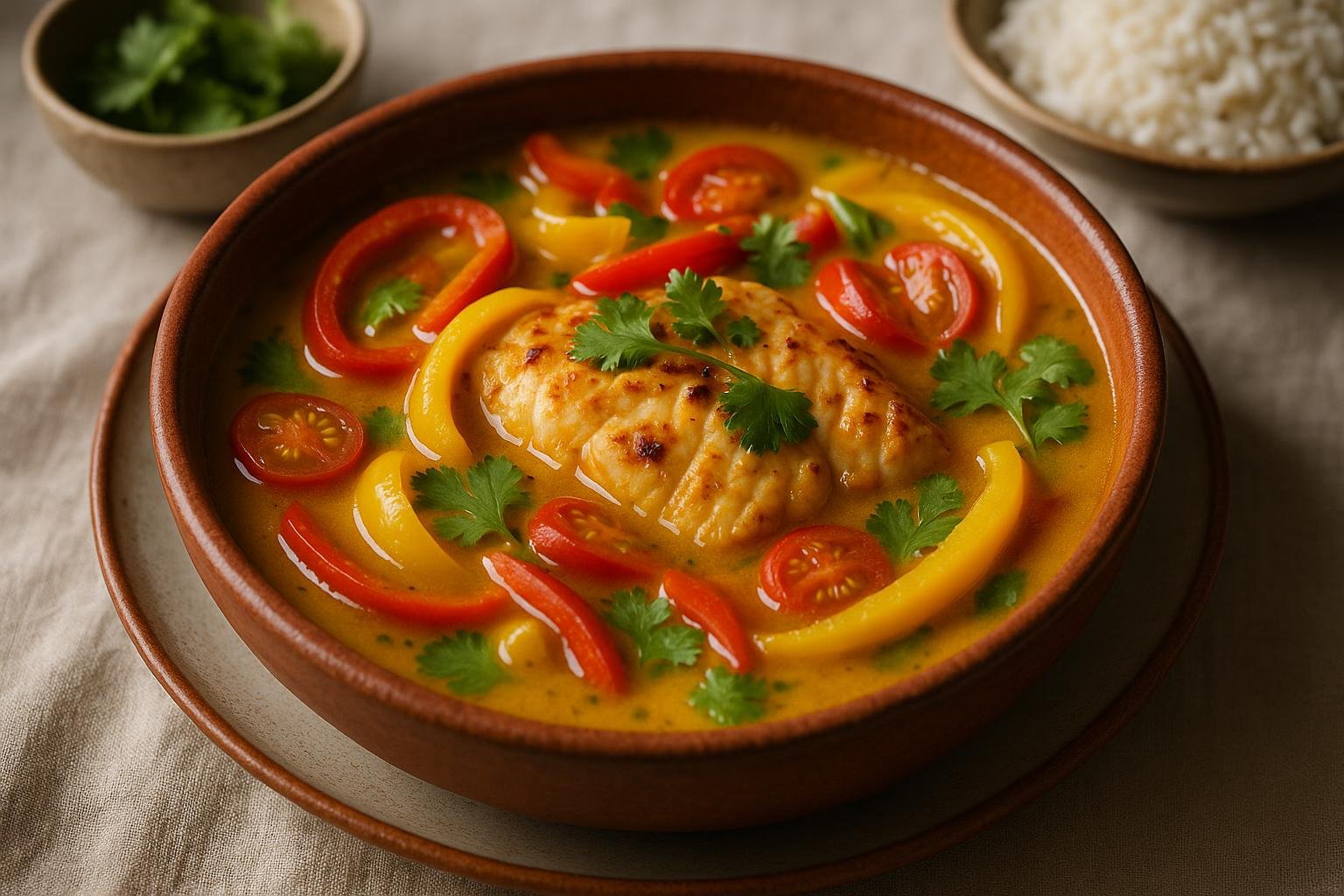
Among the many treasures of Brazilian cuisine, few dishes capture the country’s coastal soul as vividly as moqueca. This aromatic seafood stew is a celebration of fresh ingredients, slow cooking, and cultural fusion, bringing together Indigenous, African, and Portuguese influences in one vibrant pot. Whether you are discovering moqueca for the first time or refining a beloved family recipe, understanding its history, ingredients, and techniques will transform the way you cook and enjoy it.
What is Moqueca?
Origin and History of Moqueca
Moqueca is a traditional Brazilian seafood stew, slowly simmered with fish, shellfish, tomatoes, onions, peppers, and herbs. Its origins trace back centuries, rooted in Indigenous cooking methods that involved gently stewing fish in clay pots over low heat. The word “moqueca” likely stems from an Indigenous term related to “moquear,” meaning to cook slowly or smoke.
Over time, this ancestral preparation evolved as African and Portuguese influences reached Brazil’s shores. Enslaved Africans brought dende oil (red palm oil) and coconut-based techniques, especially to the northeastern state of Bahia. Portuguese settlers contributed new ingredients such as onions and bell peppers, as well as the habit of combining olive oil and wine with seafood. The result is a dish that is at once rustic and refined, simple in structure yet layered in flavor.
Two primary regional styles dominate the moqueca landscape today. Moqueca Baiana, from Bahia, is perhaps the most internationally known version, made with coconut milk, dende oil, and generous cilantro, yielding a golden, aromatic broth. Moqueca Capixaba, from Espírito Santo, omits coconut milk and palm oil, using olive oil, annatto (urucum), and fresh herbs for a lighter, more delicate stew. Both are considered traditional Brazilian moqueca, and each reflects the terroir and history of its region.
Key Ingredients and Variations
At its core, moqueca is defined by its balance of fresh seafood, aromatics, and a rich yet gentle broth. While there are countless moqueca variations across Brazil, several ingredients remain central:
- Fish and seafood: Firm white fish such as snapper, cod, halibut, or haddock are ideal. Shrimp, mussels, squid, and clams are frequent additions, depending on availability.
- Aromatics: Onions, garlic, tomatoes, and bell peppers form the flavor base, typically sliced rather than diced to maintain texture.
- Fresh herbs: Cilantro is traditional, often combined with parsley and green onions for brightness.
- Acidity: Lime or lemon juice is used to marinate the fish, adding freshness and tenderizing the flesh.
- Fats and color: Coconut milk and dende oil (in Bahian moqueca) or olive oil and annatto (in Capixaba moqueca) provide richness, color, and aroma.
- Seasonings: Salt, black pepper, and sometimes mild chili peppers or red pepper flakes for gentle heat.
Common moqueca ingredients vary by region and household. Some cooks add cassava flour (farinha) at the table for body, while others enrich the stew with additional vegetables such as okra or plantains. For those who do not eat seafood, there are creative adaptations: vegetable-based moqueca with hearts of palm, pumpkin, or tofu can offer similar depth, making moqueca an excellent model for healthy stew options beyond fish alone.
How to Make Authentic Moqueca at Home
Step-by-step Cooking Instructions
Preparing moqueca at home is less complicated than its complex flavors might suggest. The key is thoughtful layering and unhurried cooking. The procedure below outlines a Bahian-style moqueca recipe; quantities can be adjusted to match the number of servings.
- 1. Select and prepare the seafood
Choose 700–900 g (1.5–2 lb) of firm white fish fillets, skinless and boneless, cut into large chunks. Optionally, add 200–300 g (7–10 oz) of peeled shrimp or a mix of shellfish. Rinse gently, pat dry, and place in a bowl. - 2. Marinate the fish
Season the seafood with salt, black pepper, minced garlic, and the juice of 1–2 limes. Add a small handful of chopped cilantro and mix carefully to avoid breaking the fish. Cover and refrigerate for 20–30 minutes while you prepare the remaining ingredients. - 3. Prepare the aromatics
Slice 1 large onion, 2–3 tomatoes, and 1–2 bell peppers (use a mix of colors for visual appeal) into thin rounds. Reserve some extra chopped cilantro and green onions for finishing. - 4. Build the base in the pot
In a heavy-bottomed pot or, ideally, a clay pot, drizzle olive oil or a small amount of dende oil. Lay a portion of the sliced onions, tomatoes, and peppers at the bottom. This protects the fish from direct heat and forms a flavor bed. - 5. Layer the stew
Arrange some of the marinated fish and shrimp over the vegetables. Add another layer of onions, tomatoes, and peppers, then more seafood. Continue layering until all ingredients are used. Sprinkle with more cilantro and a pinch of salt if needed. - 6. Add liquids
Pour over one can of coconut milk and, if desired, a splash of fish or vegetable broth. Drizzle with a spoonful or two of dende oil for color and aroma. The liquid should almost cover the layers but not drown them completely. - 7. Cook gently
Bring the pot to a gentle simmer over medium heat. Once it begins to bubble, reduce to low heat, cover, and cook for about 15–20 minutes. Avoid stirring vigorously; instead, tilt and rotate the pot occasionally so the liquid circulates without breaking the fish. - 8. Adjust seasoning and finish
Taste the broth and adjust salt, pepper, or lime to your preference. Add a final handful of cilantro and green onions just before turning off the heat. The fish should be opaque and flaky, and the broth thickened slightly. - 9. Rest and serve
Allow the moqueca to rest for 5 minutes off the heat. Serve hot with white rice, farofa, or other Brazilian food pairings that complement its rich, fragrant sauce.
Tips for Perfecting Your Moqueca
Several subtle techniques elevate moqueca from a simple seafood stew to a memorable centerpiece:
- Use very fresh seafood: Because the dish is relatively simple, the quality of the fish and shellfish is crucial. If possible, buy from a trusted fishmonger and cook the same day.
- Do not over-marinate: Acidic marinades can toughen fish if left too long. Limit marinating to 20–30 minutes to keep the texture delicate.
- Layer, do not stir: Traditional moqueca relies on layering rather than constant stirring. Excess agitation breaks the fish into small fragments and clouds the broth.
- Balance richness and acidity: Coconut milk and dende oil are rich; lime juice and tomatoes provide the counterpoint. Taste near the end of cooking and adjust with a little extra lime if the stew feels heavy.
- Control the heat: Gentle simmering allows flavors to meld without overcooking the seafood. Rapid boiling can make fish rubbery and cause the sauce to split.
- Respect regional styles: If you prefer a lighter profile, try a Capixaba-style preparation: omit coconut milk and palm oil, use olive oil, annatto, and perhaps a splash of white wine instead.
- Adapt, but keep the soul: For those exploring how to make moqueca in different contexts—such as dairy-free, low-fat, or vegetarian—retain the key elements: layered aromatics, fresh herbs, and slow, gentle cooking.
Health Benefits and Nutritional Information
Nutrient Breakdown of Moqueca
Moqueca is not only flavorful but also nutritionally robust. Its composition of lean protein, healthy fats, and vegetables makes it a smart choice for those seeking nutrient-dense meals.
While exact values depend on the specific moqueca recipe and portion size, a typical serving based on fish, shrimp, vegetables, and coconut milk offers:
- High-quality protein: Fish and shellfish provide complete proteins essential for muscle maintenance and tissue repair.
- Beneficial fats: Seafood contributes omega-3 fatty acids (EPA and DHA), linked to cardiovascular and brain health. Coconut milk adds saturated fats, including lauric acid, which may support immune function when consumed in moderation.
- Vitamins and minerals: Fish is a valuable source of vitamin D, B vitamins (especially B12), iodine, selenium, and phosphorus. Shellfish can add zinc and iron. Vegetables supply vitamin C, vitamin A precursors (beta-carotene), folate, and potassium.
- Phytonutrients and antioxidants: Tomatoes, peppers, onions, cilantro, and garlic offer diverse plant compounds with antioxidant and anti-inflammatory properties.
- Moderate carbohydrates: The stew itself is relatively low in carbohydrates; the overall meal’s carbohydrate content depends mainly on the sides, such as rice or cassava flour.
Why Moqueca is a Healthy Meal Option
When evaluating healthy stew options, moqueca stands out for combining satiety, variety, and balance. The dish emphasizes whole, minimally processed ingredients and relies on slow cooking rather than high-heat frying, which preserves nutrients and reduces the formation of undesirable compounds.
The predominance of lean protein and vegetables supports stable energy levels and can help with appetite control. Compared with cream-heavy Western stews, moqueca uses coconut milk or moderate amounts of oil to create richness without excessive reliance on dairy or refined thickeners. For those mindful of heart health, choosing fish rich in omega-3s (such as salmon, if used as a variation) and limiting dende oil to modest quantities may further enhance its nutritional profile.
Moqueca can also be adapted to different dietary needs. It can be made gluten-free, naturally dairy-free, and adjustable in fat content by altering the proportion of coconut milk or selecting a lighter regional style. With thoughtful pairings—such as brown rice or quinoa and generous vegetable side dishes—it supports a balanced, nutrient-dense meal pattern suitable for regular consumption.
Pairing Suggestions and Serving Ideas
Best Side Dishes for Moqueca
The accompaniments you choose will shape the overall character of the meal. Traditional Brazilian food pairings enhance moqueca’s flavors without overshadowing them:
- White rice: Plain, fluffy rice is the classic companion, absorbing the fragrant sauce and providing a neutral counterpoint to the rich broth.
- Farofa: Toasted cassava flour sautéed with a little butter or oil, onions, and sometimes small bits of bacon or herbs. Its dry, crumbly texture adds contrast to the silky stew.
- Pirão: A creamy paste made by whisking cassava flour into some of the hot moqueca broth. It concentrates the stew’s flavors and offers a comforting, spoonable side.
- Simple salads: A crisp green salad with lettuce, cucumber, and radishes, dressed lightly with lime and olive oil, brings freshness and crunch.
- Grilled or steamed vegetables: Okra, green beans, or lightly charred zucchini complement the stew without competing with it.
For a lighter meal, serve a smaller portion of moqueca over a bed of cauliflower rice or alongside a hearty vegetable salad. For a more festive spread, combine several of the sides above and allow guests to compose their own plates.
Beverage Choices to Complement Moqueca
Beverage pairings can either underline moqueca’s tropical, coastal character or provide a refreshing counterbalance to its richness. Several options pair particularly well with this seafood stew:
- White wines: Crisp, medium-bodied whites with good acidity, such as Sauvignon Blanc, Albariño, or a dry Riesling, cut through the coconut and palm oil richness while harmonizing with citrus and herbs.
- Rosé wines: Dry rosés with bright fruit and moderate acidity pair beautifully, especially with versions that include shrimp or shellfish.
- Light beers: Pilsners, wheat beers, or light lagers provide a clean, refreshing contrast and do not overpower the delicate seafood flavors.
- Caipirinhas and citrus-based cocktails: Brazil’s iconic caipirinha, made with cachaça, lime, and sugar, echoes the lime notes in the stew. Variations with passion fruit or other tropical fruits also work well.
- Non-alcoholic options: Sparkling water with lime, iced herbal teas, or lightly sweetened passion fruit juice offer refreshing alternatives that still elevate the dining experience.
When deciding how to make moqueca the focal point of a gathering, consider balancing its warmth and depth with drinks that emphasize freshness and acidity. This approach ensures the palate remains lively from the first bite to the last.
Moqueca embodies the essence of Brazilian cuisine: a convergence of cultures, ingredients, and traditions expressed through generous, convivial cooking. By understanding its origins, selecting quality moqueca ingredients, and mastering a few key techniques, you can recreate this iconic seafood stew at home with confidence. Whether served as a simple family meal or as the centerpiece of a festive table with thoughtful pairings, moqueca offers both nourishment and a sensory journey along Brazil’s vibrant coastline.
Discover More from Didier Lancelot
Amazon Author page: amazon.com/author/didierlancelot
Narmer Store: narmerstore.org
AI and Technology Ebooks
- Creative AI: Animated Drawings, Manga & Illustrations
- Build a Game with AI: The No-Code Guide
- AI Image Generation Made Easy
- Build a Website with AI: The No-Code Guide
- How to Connect AI to Your Blog: The Ultimate Automation Guide
- AI Productivity Habits: Get More Done in Less Time
- AI Avatars Made Easy
- The Book of AI Prompts: 100+ Proven Prompts
- Make Music with AI: Suno, Udio and AI Music Generators
- Click to Cash
- The Automated Edge: Outwork, Outpace, and Outperform with AI
- AI Side Hustle: How to Make Money with ChatGPT and AI Tools
- Work Smarter with AI
Health, Lifestyle and Home Ebooks
- Hidden Superfoods: The World’s Most Powerful Healing Foods
- Spanish Food: The Complete Cookbook for Authentic Home Cooking
- The Science of Happiness Explained
- The Psychology of Success
- The Secret Sauce of Consistency: What the Experts Don’t Tell You About Fitness
- The Complete Home Bartender’s Guide: Link 1 | Link 2
- Natural Beauty, Made Simple: Easy DIY Organic Skincare Recipes
- Garden Made Simple: Easy, Beginner-Friendly Techniques
- The Dog Training Bible