
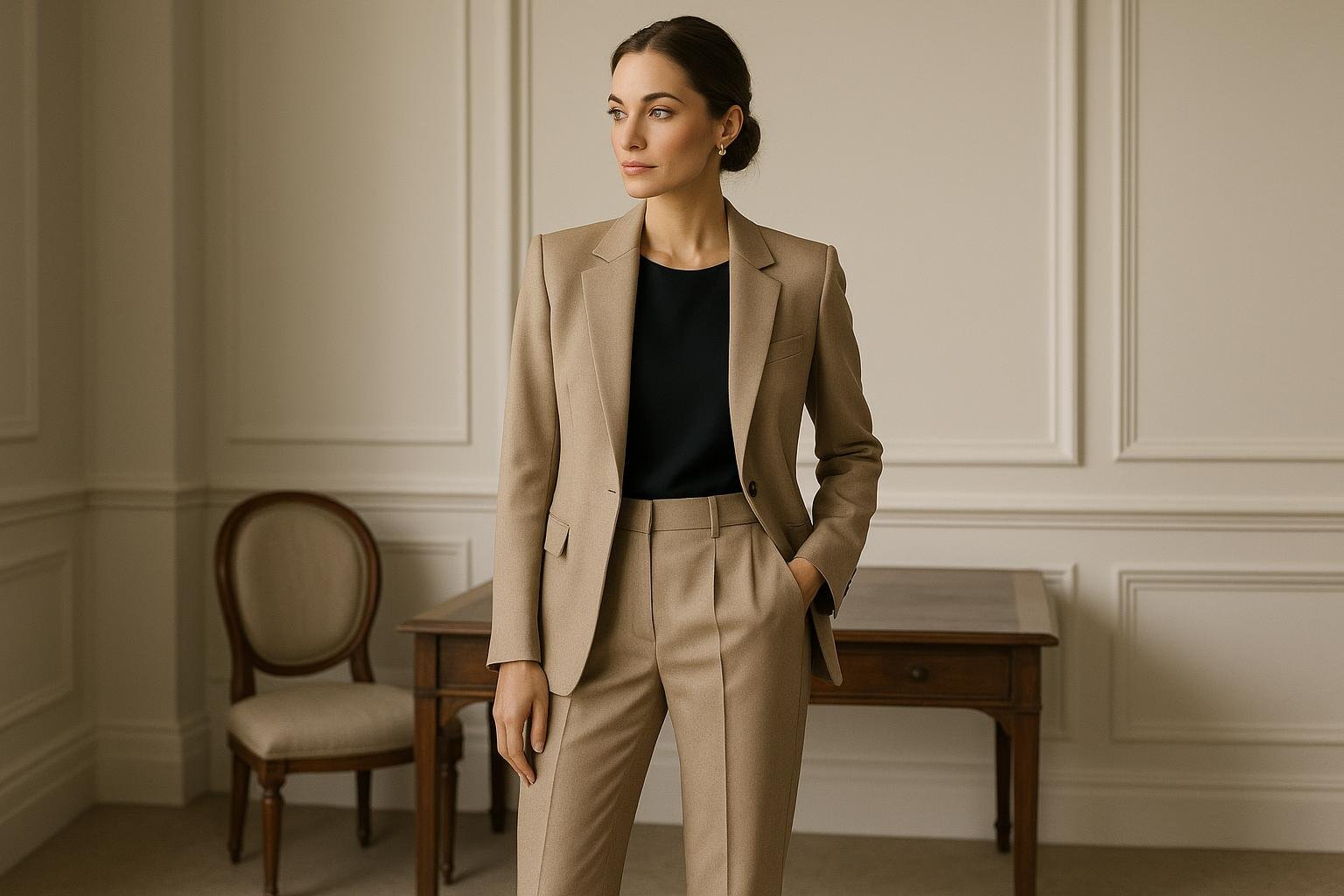
Decoding Office Wear Fashion: Modern Rules for Workplace Style
Office wear fashion has evolved far beyond stiff suits and identical white shirts. Today’s workplaces are more diverse, more visual, and often more relaxed, yet expectations around professionalism remain high. The challenge is finding the balance: looking polished and credible without sacrificing comfort or personal style.
This guide breaks down modern office wear outfits, from traditional corporate attire to contemporary business casual looks. You will find essential wardrobe staples for women’s office wear and men’s office wear, styling strategies for different body types, and seasonal ideas to help you dress with confidence all year round.
What Is Office Wear Fashion Today?
Modern office wear fashion is defined by three principles: professionalism, comfort, and authenticity. While older dress codes focused almost solely on formality, today’s workwear fashion allows more room for individuality, provided you respect your company culture and client expectations.
Key features of contemporary professional office attire include:
- Versatility: Pieces that move seamlessly from in-person meetings to remote calls or after-work events.
- Polished comfort: Tailored silhouettes in stretch fabrics, breathable materials, and ergonomic footwear.
- Subtle personality: Thoughtful use of color, texture, and accessories within a refined framework.
- Inclusivity: Cuts, fits, and styles that accommodate different body types, genders, and cultural norms.
In short, office wear is no longer a uniform. It is a curated expression of your professional identity, communicated through clothes that support how you work.
Office Dress Codes Explained (Formal, Business Casual, Smart Casual)
Understanding dress codes is the foundation of building appropriate office wear outfits. Most workplaces fall into three broad categories, with some variation across industries.
-
Formal / Corporate:
Common in law firms, finance, consulting, and executive roles. The corporate office style is structured, conservative, and intentionally understated.
- Women: Tailored suits (skirt or trousers), sheath dresses with blazers, shirts or silk blouses, closed-toe heels or polished flats, minimal jewelry.
- Men: Two-piece or three-piece suits in navy, charcoal, or black; long-sleeve shirts; ties; leather dress shoes; classic belts and watches.
-
Business Casual:
Now the most common dress code across many industries. It is relaxed compared to formal wear but remains clearly professional.
- Women: Tailored trousers, midi skirts, structured knitwear, dresses, blazers, low to mid heels, elevated loafers or flats.
- Men: Chinos or dress trousers, button-down shirts, fine-gauge sweaters, unstructured blazers, leather loafers or brogues.
-
Smart Casual:
Common in creative industries and tech companies. Smart casual blends professional pieces with more relaxed items, with a strong emphasis on fit and quality.
- Women: Dark, clean denim; tailored joggers; refined tops; blazers or cardigans; boots, loafers, or minimalist sneakers where acceptable.
- Men: Dark jeans or slim chinos; polo shirts or casual shirts; lightweight jackets; quality sneakers or leather boots.
If in doubt, aim one step more formal than you think the environment requires and adjust over time. Observing what respected colleagues and leaders wear is often more revealing than any written policy.
Essential Office Wear Wardrobe Staples for Women and Men
Must-Have Pieces for a Professional Women’s Office Wardrobe
A thoughtful women’s office wear wardrobe focuses on versatility, fit, and quality over volume. These core items create countless office wear ideas with minimal effort.
-
Tailored trousers:
Invest in one or two pairs in neutral shades (black, navy, charcoal, camel). Aim for cuts that flatter your shape—straight-leg, cigarette, or gently flared. A mid-rise or high-rise waist usually offers the most polished line.
-
Structured blazers:
A well-fitted blazer instantly elevates any outfit to professional office attire. Choose classic colors first, then add a textured or softly colored option for variety.
-
Office-ready dresses:
Sheath, wrap, and A-line dresses hitting around the knee create an elegant one-piece solution for busy mornings. Look for breathable fabrics and sleeves that respect your workplace’s level of formality.
-
Shirts and blouses:
White, pale blue, and soft neutrals are timeless. Incorporate silk or satin blouses for more refined business casual outfits. Make sure fabrics are thick enough to avoid transparency under office lighting.
-
Skirts with structure:
Pencil skirts and softly flared midi skirts work well with both shirts and knits. Ensure the waistband sits smoothly and the fabric does not cling.
-
Fine-gauge knitwear:
Lightweight sweaters and cardigans in merino, cotton, or blends layer elegantly over shirts and dresses. They soften a sharp suit without compromising professionalism.
-
Office-appropriate shoes:
Closed-toe pumps, block heels, loafers, ballet flats, and sleek ankle boots form the foundation of women’s work footwear. Prioritise comfort and stability to maintain a composed posture throughout the day.
-
Quality outerwear:
A tailored coat or trench in a neutral shade completes your office wear fashion in colder months and still looks refined over a meeting-ready outfit.
Must-Have Pieces for a Professional Men’s Office Wardrobe
A modern men’s office wear wardrobe should be streamlined, interchangeable, and impeccably fitted. A small number of high-quality pieces can support a full week of work outfits.
-
Well-cut suits:
Start with one navy and one charcoal suit in a midweight wool or blend. Have them adjusted by a tailor for shoulder fit, sleeve and trouser length. These anchor any corporate office style.
-
Dress shirts:
White, pale blue, and fine stripes cover most professional scenarios. Opt for breathable fabrics, such as cotton poplin or twill. Semi-spread or classic collars suit both ties and open-neck looks.
-
Business casual trousers:
Chinos or tailored wool trousers in navy, grey, and beige work seamlessly with shirts and knitwear. A tapered leg that is not overly tight creates a contemporary yet professional line.
-
Blazers and sport coats:
Unstructured jackets in navy, grey, or subtle checks are essential for business casual outfits. They instantly sharpen a shirt-and-trousers combination.
-
Fine knitwear:
V-neck or crew neck sweaters in merino or cotton are ideal layering pieces over shirts. Choose restrained colours—navy, charcoal, camel—to blend easily.
-
Dress shoes:
At minimum, own one pair of black Oxfords and one pair of brown derbies or brogues. For less formal offices, add leather loafers or clean minimal sneakers (if acceptable in your environment).
-
Belts and small leather goods:
Match belt and shoe colours where possible. A discreet leather briefcase or slim backpack finishes a polished men’s office wear look.
-
Outerwear:
A classic wool overcoat or trench that covers your blazer is essential in colder climates and preserves the structure of your suit.
Styling Tips to Elevate Your Office Outfits
How to Mix and Match Office Wear for a Capsule Work Wardrobe
A capsule work wardrobe simplifies daily decisions and ensures consistent style. The goal is to assemble a limited number of high-performing pieces that combine easily into multiple office wear outfits.
-
Define a colour palette:
Start with two or three base colours (navy, black, grey, beige) and add two accent tones (burgundy, forest green, soft blue, blush). Restricting your palette makes mixing and matching effortless.
-
Prioritise interchangeable silhouettes:
Ensure that each top works with at least two bottoms and vice versa. For example, a white shirt should pair equally well with a navy suit, grey trousers, or a pencil skirt.
-
Balance structure and softness:
Combine structured pieces (blazers, tailored trousers) with softer elements (knitwear, fluid blouses) to create visual interest without compromising professionalism.
-
Use layering strategically:
Layer shirts with sweaters, dresses with blazers, and tops with vests to adjust to different office temperatures while refreshing your overall look.
-
Limit standout prints:
One printed piece per outfit—such as a patterned shirt or checked skirt—keeps the ensemble grounded and easy to coordinate.
By curating your capsule in this way, you can maintain a consistent corporate office style or business casual wardrobe with far fewer pieces than you might expect.
Office Wear Styling Tips for Different Body Types and Personal Styles
Workwear fashion is most effective when it respects both your physique and your personality. Thoughtful choices can highlight your strengths and ensure you feel confident all day.
-
For curvier figures:
Choose fabrics with structure and a bit of stretch to support and smooth. Wrap dresses, high-waisted trousers, and blazers that nip in at the waist create a balanced silhouette. Avoid excessively clingy materials in the office.
-
For straighter body types:
Add shape with belted dresses, peplum tops, or pleated skirts. For men, sport coats with some structure at the shoulder and tapered trousers create more definition.
-
For petite frames:
Opt for cropped trousers, shorter hemlines (around the knee), and fitted blazers to avoid being overwhelmed by fabric. Monochromatic outfits elongate the body and look particularly refined.
-
For taller builds:
Break up height with contrasting separates and layered textures. Longer-line blazers and midi lengths often look particularly elegant in women’s office wear, while men benefit from balanced proportions between jacket and trouser lengths.
-
Expressing personal style:
Within the boundaries of professional office attire, reflect your taste through colour accents, accessories, and subtle details—perhaps a signature watch, a particular shade of blouse, or distinctive yet discreet eyewear.
Always prioritise fit. Alterations are often more impactful than buying new pieces, and a well-fitted garment instantly communicates competence.
Seasonal Office Wear Fashion: Dressing Smart All Year Round
Office Wear Fashion Ideas for Summer, Winter, and Transitional Seasons
Adapting your office wear fashion to the seasons ensures comfort while preserving a polished appearance. Strategically rotating fabrics and layers helps you stay prepared for both weather and air-conditioned offices.
-
Summer office wear:
Choose lightweight, breathable fabrics such as cotton, linen blends, and fine wool. For women, sleeved dresses, airy blouses, and unlined blazers keep the look professional yet cool. For men, unstructured jackets, light-coloured trousers, and open-neck shirts (where the dress code allows) offer relief without appearing casual.
-
Winter office wear:
Embrace layering. Women can pair fine turtlenecks with sleeveless dresses, add tights, and rely on structured coats. Men might layer an undershirt beneath a dress shirt, add a thin sweater, and top with a wool overcoat. Darker, richer tones feel seasonally appropriate and align well with formal settings.
-
Transitional seasons (spring and autumn):
In these in-between months, flexible layers are essential. Trench coats, mid-weight blazers, cardigans, and light scarves accommodate fluctuating temperatures. Use this period to introduce slightly brighter colours or softer neutrals to refresh your office wear outfits.
Regardless of season, maintain consistency in overall polish: ironed garments, intact hems, and clean shoes are non-negotiable aspects of a professional image.
Accessories, Shoes, and Bags That Complete Your Office Look
Accessories are the final layer that transforms simple clothing into a complete, considered office ensemble. They also allow subtle variation without rebuilding your wardrobe each season.
-
Jewellery and watches:
Favor discreet, well-chosen pieces: stud or small hoop earrings, delicate necklaces, simple bracelets, and classic watches. These add refinement without distracting from your work.
-
Belts and small accents:
A sleek leather belt, a refined tie, or a pocket square can quietly elevate an outfit. Keep patterns restrained and colours within your established palette.
-
Shoes:
Footwear has a major impact on both style and posture. For women, mid-height block heels, polished flats, and structured ankle boots combine elegance with practicality. For men, ensure shoes are consistently clean and conditioned; even the best suit suffers if paired with neglected footwear.
-
Bags:
A structured tote, satchel, or briefcase in leather or a high-quality alternative brings cohesion to your corporate office style. Choose a size that fits your laptop and essentials without appearing bulky.
-
Subtle statements:
For workplaces with more relaxed dress codes, you can introduce personality through textures (suede, woven leather), muted prints on scarves or ties, or distinctive yet professional frames for glasses.
Thoughtful accessory choices enable you to transition the same core garments from formal to business casual environments, simply by adjusting shoes, bags, and finishing touches.
Conclusion
Office wear fashion today is less about strict uniformity and more about intelligent curation. By understanding your workplace dress code, investing in high-performing basics, and refining how you mix and match garments, you can create office wear outfits that project credibility and confidence every day.
Whether you lean towards traditional corporate office style or modern business casual outfits, the core principles remain the same: precise fit, appropriate formality, and a measured expression of personal style. With these foundations in place, your professional office attire will support not just how you look, but how effectively you perform in your role.
Discover More from Didier Lancelot
Amazon Author page: amazon.com/author/didierlancelot
Narmer Store: narmerstore.org
AI and Technology Ebooks
- Creative AI: Animated Drawings, Manga & Illustrations
- Build a Game with AI: The No-Code Guide
- AI Image Generation Made Easy
- Build a Website with AI: The No-Code Guide
- How to Connect AI to Your Blog: The Ultimate Automation Guide
- AI Productivity Habits: Get More Done in Less Time
- AI Avatars Made Easy
- The Book of AI Prompts: 100+ Proven Prompts
- Make Music with AI: Suno, Udio and AI Music Generators
- Click to Cash
- The Automated Edge: Outwork, Outpace, and Outperform with AI
- AI Side Hustle: How to Make Money with ChatGPT and AI Tools
- Work Smarter with AI
Health, Lifestyle and Home Ebooks
- Hidden Superfoods: The World’s Most Powerful Healing Foods
- Spanish Food: The Complete Cookbook for Authentic Home Cooking
- The Science of Happiness Explained
- The Psychology of Success
- The Secret Sauce of Consistency: What the Experts Don’t Tell You About Fitness
- The Complete Home Bartender’s Guide: Link 1 | Link 2
- Natural Beauty, Made Simple: Easy DIY Organic Skincare Recipes
- Garden Made Simple: Easy, Beginner-Friendly Techniques
- The Dog Training Bible