
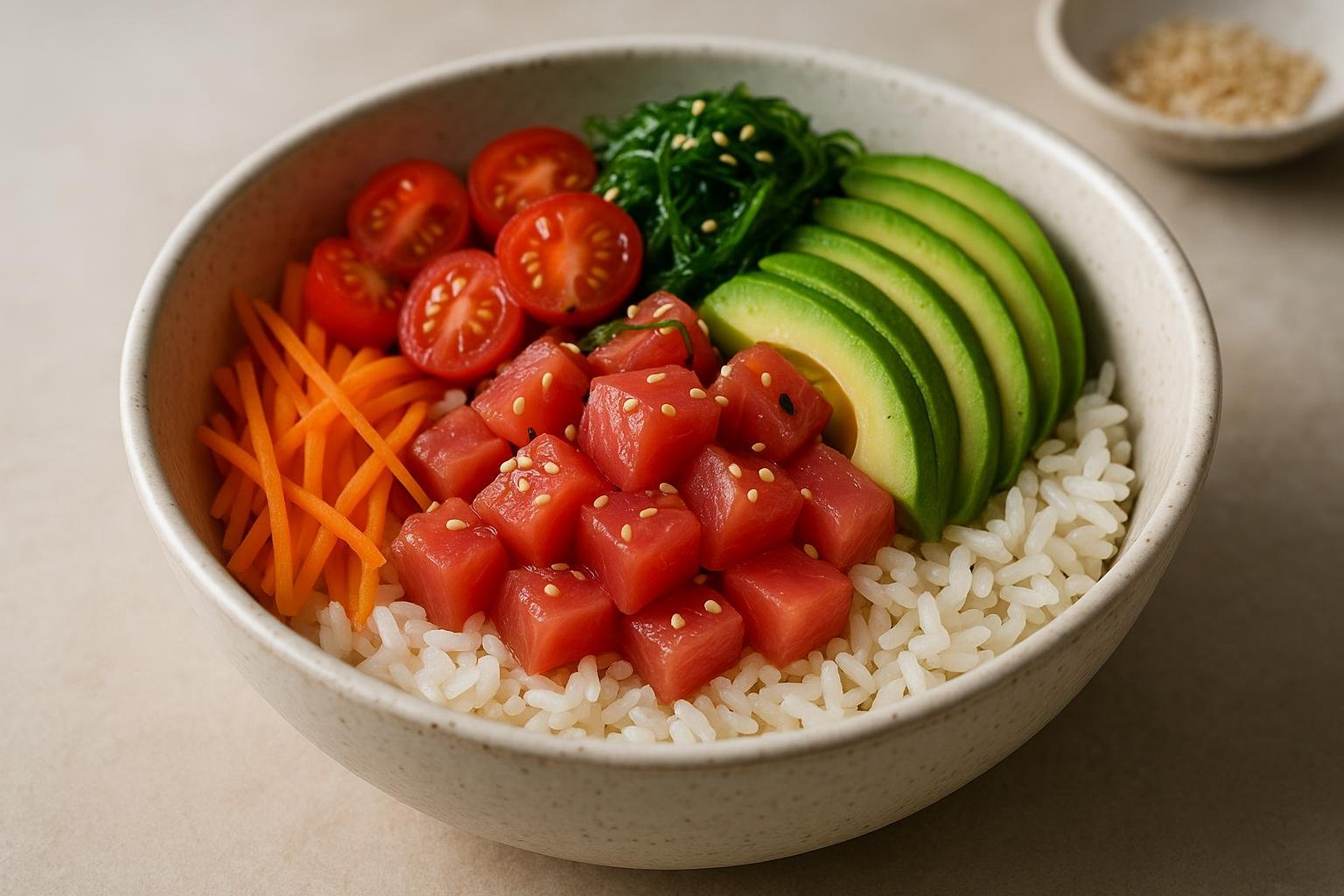
Poke bowls have evolved from a humble Hawaiian dish into a global culinary phenomenon. Prized for their fresh ingredients, vibrant colors, and customizable nature, they offer an elegant balance between indulgence and nutrition. Whether you are curious about the origins of poke, seeking its health benefits, or looking for a refined poke bowl recipe to prepare at home, this guide will walk you through everything you need to know.
What is a Poke Bowl?
A poke bowl is a composed dish typically built around marinated raw fish served over a base of rice, accompanied by an array of vegetables, seasonings, and garnishes. The word “poke” (pronounced poh-kay) means “to cut” or “to slice” in Hawaiian, referring to the small, neat cubes of fish that form the centerpiece of a traditional poke bowl.
Modern interpretations span a wide spectrum. Some feature classic ahi tuna with minimal additions; others embrace fusion ingredients like quinoa, kimchi, or spicy mayo. At its core, however, poke remains a celebration of fresh seafood, clean flavors, and simple preparation.
Origins and History of Poke Bowls
The origins of poke reach back to Native Hawaiian fishermen who would season the cut-offs of their daily catch with sea salt, seaweed, and crushed kukui nuts. This rudimentary preparation served as a restorative snack, emphasizing freshness over complexity.
Over time, the dish absorbed influences from various immigrant communities in Hawaii, especially Japanese and other Asian cuisines. Soy sauce, sesame oil, and onions began to appear in everyday preparations, gradually shaping what we recognize as a traditional poke bowl.
In the late 20th and early 21st centuries, poke moved beyond Hawaii. First, it became popular on the U.S. West Coast, then spread across the mainland United States, Europe, and beyond. As it traveled, chefs adapted it to local tastes, experimenting with new bases (such as brown rice or leafy greens), diverse proteins (including salmon, tofu, or even cooked shrimp), and creative sauces. Despite this evolution, the essence of poke—freshly cut ingredients and straightforward seasoning—remains intact.
Key Ingredients in a Traditional Poke Bowl
A classic poke bowl centers on a concise group of ingredients designed to highlight the natural flavor of the fish while providing contrast in texture and taste.
- Fresh raw fish: Typically sashimi-grade ahi tuna or salmon, cut into uniform cubes. Quality is paramount, as the fish is served raw and largely unmasked by heavy sauces.
- Base: Traditionally, warm short-grain white rice or sushi rice, providing a neutral, slightly sticky foundation. Contemporary variations may use brown rice or mixed grains.
- Seasonings: Soy sauce or shoyu, sesame oil, sea salt, and sometimes rice vinegar form the basic flavor profile, striking a balance of salty, nutty, and tangy notes.
- Aromatics and add-ins: Sweet Maui onions or red onions, scallions, and fresh chili peppers offer bite and freshness. Seaweeds such as limu or ogo impart a briny complexity.
- Garnishes: Sesame seeds, furikake (a Japanese seasoning blend), nori strips, and pickled ginger add fragrance, crunch, and visual appeal.
While many contemporary bowls feature elaborate toppings and sauces, the traditional poke bowl remains relatively restrained. Its elegance lies in allowing pristine fish and simple seasonings to take center stage.
Health Benefits of Eating Poke Bowls
Beyond their culinary appeal, poke bowls can be an exceptionally nutritious choice when thoughtfully composed. The combination of lean protein, complex carbohydrates, healthy fats, and fresh produce aligns well with modern recommendations for a balanced diet.
Nutritional Value of Common Ingredients
The nutritional value of poke depends largely on the specific components you select. Many of the typical ingredients contribute to a nutrient-dense meal.
- Fish (tuna, salmon, etc.): These are high-quality sources of complete protein and rich in omega-3 fatty acids, which support cardiovascular health, brain function, and inflammation management. They also provide B vitamins, selenium, and other essential minerals.
- Rice or grain base: White rice offers easily digestible carbohydrates, ideal for quick energy. Brown rice, quinoa, or mixed grains add dietary fiber, magnesium, and a broader range of micronutrients.
- Vegetables and greens: Cucumber, seaweed, avocado, edamame, radish, and leafy greens contribute fiber, vitamins A, C, and K, folate, and antioxidants. These promote digestive health, support the immune system, and help protect cells from oxidative stress.
- Seaweed: Sea vegetables such as nori, ogo, or wakame are particularly rich in iodine and trace minerals, which are important for thyroid function and metabolic regulation.
- Healthy fats: Avocado and sesame oil provide monounsaturated and polyunsaturated fats that aid in nutrient absorption, satiety, and heart health.
- Sauces and toppings: Light use of soy sauce, rice vinegar, and sesame oil can deliver flavor without excessive calories. However, creamy or sugary sauces and large amounts of fried toppings can significantly increase sodium and fat, so moderation is key.
When constructed with fresh, minimally processed components, a poke bowl can offer a favorable balance of macronutrients and a broad spectrum of vitamins, minerals, and beneficial phytochemicals.
Why Poke Bowls Are Perfect for a Balanced Diet
Poke bowls are inherently modular, which makes them remarkably adaptable to different dietary needs and preferences. This structure supports balanced eating in several ways.
- Controlled portions: You can easily adjust the ratio of rice, protein, and vegetables to suit your energy needs, focusing on satiety without overconsumption.
- Macro balance: A typical bowl naturally incorporates lean protein, complex carbohydrates, and healthy fats. With thoughtful choices, it can align with a variety of nutritional frameworks, from high-protein diets to more plant-forward approaches.
- Abundance of produce: Including a generous portion of raw or lightly pickled vegetables increases fiber intake and supports digestive and metabolic health.
- Customization for restrictions: By swapping ingredients, poke can be made gluten-free, dairy-free, or tailored for pescatarians and vegetarians. Even those who avoid raw fish can enjoy versions featuring cooked shrimp, tofu, or legumes.
- Emphasis on freshness: The focus on fresh, raw, and minimally processed foods aligns closely with evidence-based guidance for long-term health and disease prevention.
When compared with many fast-casual options, the health benefits of poke are often superior, particularly if you keep sauces light and prioritize whole, unprocessed ingredients.
How to Make the Perfect Poke Bowl at Home
Preparing homemade poke bowls allows you to control ingredient quality, flavor profiles, and nutritional composition. With a few simple techniques and a reliable poke bowl recipe, you can replicate restaurant-quality results in your own kitchen.
Step-by-Step Recipe Guide
The following guide outlines a classic, tuna-based bowl that you can adapt to your taste.
- Serves: 2
- Preparation time: 25–30 minutes (excluding rice cooking, if needed)
Ingredients:
- 250–300 g sashimi-grade ahi tuna, cut into 1–1.5 cm cubes
- 2 cups cooked and cooled sushi rice or short-grain white rice
- 2–3 tbsp low-sodium soy sauce or tamari
- 1–2 tsp toasted sesame oil
- 1 tsp rice vinegar (optional, for brightness)
- 1–2 tsp finely chopped fresh chili or a pinch of red pepper flakes (optional)
- 2 tbsp finely sliced spring onions (green parts)
- 2 tbsp finely diced sweet onion or red onion
- 1/4 cup seaweed salad or rehydrated wakame (optional)
- 1/2 cucumber, thinly sliced or cut into half-moons
- 1 ripe avocado, sliced or cubed
- 1/2 cup shelled edamame (cooked and cooled)
- Toasted sesame seeds and/or furikake for garnish
- Pickled ginger and nori strips (optional)
Method:
- 1. Prepare the rice base. Cook the rice according to package instructions. For a more traditional texture, rinse until the water runs clear before cooking. Once done, allow it to cool slightly so it is warm but not hot when served.
- 2. Make the marinade. In a mixing bowl, whisk together soy sauce, sesame oil, and rice vinegar. Add chili if you prefer a subtle heat. Taste and adjust the balance of saltiness and acidity.
- 3. Marinate the tuna. Gently fold the tuna cubes into the marinade, ensuring each piece is coated. Add the sliced spring onions and sweet onion. Cover and refrigerate for 10–15 minutes; this brief marination infuses flavor without compromising texture.
- 4. Prepare toppings. While the fish marinates, arrange the cucumber, avocado, edamame, and seaweed salad. Keep everything chilled and ready for assembly.
- 5. Assemble the bowls. Divide the rice between two bowls. Spoon the marinated tuna and onions over the rice, reserving excess marinade if the bowl begins to look too saucy. Artfully arrange cucumber, avocado, edamame, and seaweed around the fish.
- 6. Finish with garnishes. Sprinkle with sesame seeds or furikake, add nori strips, and serve with pickled ginger on the side. If desired, drizzle a small amount of remaining marinade or a touch more sesame oil on top.
Serve immediately to preserve the delicate texture of the fish and the freshness of the vegetables.
Tips for Customizing Your Poke Bowl
One of the greatest strengths of this dish is how easy it is to customize your poke bowl to suit individual tastes, dietary requirements, or seasonal availability.
- Adjust the base: Replace white rice with brown rice, black rice, quinoa, or a bed of mixed greens to alter the carbohydrate profile or increase fiber content.
- Vary the protein: Substitute tuna with salmon, yellowtail, scallops, tofu, or cooked shrimp. For those apprehensive about raw fish, lightly seared or fully cooked seafood offers a reassuring alternative.
- Play with textures: Add crunchy elements like radish, shredded carrot, cabbage, or roasted seaweed snacks. A small portion of nuts or seeds can introduce an additional textural layer.
- Experiment with sauces: Beyond the classic shoyu-sesame combination, consider ponzu, yuzu dressing, or a light chili-lime sauce. For a richer style, use spicy mayo sparingly to avoid overwhelming the nutritional value of poke with excess fat.
- Accommodate dietary needs: For gluten-free versions, use tamari instead of soy sauce and confirm that any added seasonings (such as furikake) are certified gluten-free. Vegetarians can combine marinated tofu with edamame, chickpeas, or tempeh for adequate protein.
- Control sodium and sugar: Prepare sauces at home, diluting soy sauce with water or vinegar and avoiding ready-made dressings high in sugar. This allows you to maintain a flavorful yet health-conscious bowl.
Through thoughtful customization, homemade poke bowls become a versatile staple that can be adapted to virtually any taste or nutritional strategy.
Where to Find the Best Poke Bowls
For those who prefer to dine out, high-quality poke bowl restaurants can provide an excellent benchmark for flavor, technique, and ingredient combinations. Exploring reputable establishments also offers inspiration to refine your own creations at home.
Top Poke Bowl Restaurants in [Your City/Region]
Since every city and region has its own evolving food scene, it is essential to investigate local options rather than rely solely on broad recommendations. Consider using the following approach to identify standout venues in your area:
- Browse recent reviews on reputable platforms and pay particular attention to comments about fish freshness, consistency, and food safety.
- Search for restaurants that specialize primarily in poke rather than treating it as a secondary menu item, as dedicated venues often focus more on quality and authenticity.
- Ask local food enthusiasts, colleagues, or community groups for personal recommendations; word-of-mouth remains one of the most reliable indicators of excellence.
- Look for establishments that highlight sustainable sourcing or direct relationships with fish suppliers, especially if you live in a coastal region with access to fresh seafood.
By combining online research with local insight, you can compile a personal shortlist of places that consistently deliver superior bowls.
How to Choose a Quality Poke Bowl Spot
Not all poke bowl spots uphold the same standards. To ensure you are receiving a safe, flavorful, and nutritionally balanced meal, evaluate potential restaurants on several key criteria.
- Freshness and handling of fish: The fish should appear bright, moist, and neatly cut, with a clean, oceanic aroma rather than a strong “fishy” smell. Observe whether the restaurant stores fish chilled, covered, and properly labeled.
- Ingredient variety and integrity: A strong menu offers both classic options and thoughtful variations, with vegetables that are crisp, vibrant, and replenished frequently rather than wilted or drying out in trays.
- Transparency about sourcing: Quality venues often share information about where their seafood comes from and may emphasize sustainable or line-caught suppliers.
- Hygiene and food safety: The counter area, utensils, and staff uniforms should look clean and well maintained. Staff should follow clear protocols for cross-contamination, especially between raw fish and other ingredients.
- Customization and clarity: Look for clear labeling of allergens and ingredients, and the ability to adjust components according to your dietary needs. This is particularly important for those managing allergies, intolerances, or specific health conditions.
- Balanced composition: A quality establishment encourages balance in the bowl, offering plenty of vegetable choices and not relying solely on heavy sauces or fried toppings to provide flavor.
By applying these criteria, you can identify poke bowl restaurants that not only deliver on taste and variety but also respect the integrity and health benefits of the dish.
Conclusion
Poke bowls occupy a unique place in contemporary cuisine, merging deep-rooted Hawaiian traditions with global influences and modern nutritional sensibilities. From their origins among island fishermen to their current status as an international favorite, they have retained a focus on freshness, simplicity, and vibrant flavor.
When constructed thoughtfully, poke offers a compelling mix of high-quality protein, beneficial fats, and abundant produce, making it a strong candidate for those seeking both pleasure and health from their meals. Whether you perfect a homemade poke bowl in your own kitchen or explore the best local establishments, understanding the origins of poke, its nutritional value, and the many ways you can customize it will enhance your appreciation of this versatile dish.
With a discerning eye for ingredient quality and a willingness to experiment, you can transform every bowl into a balanced, satisfying, and deeply enjoyable expression of this enduring culinary tradition.
Discover More from Didier Lancelot
Amazon Author page: amazon.com/author/didierlancelot
Narmer Store: narmerstore.org
AI and Technology Ebooks
- Creative AI: Animated Drawings, Manga & Illustrations
- Build a Game with AI: The No-Code Guide
- AI Image Generation Made Easy
- Build a Website with AI: The No-Code Guide
- How to Connect AI to Your Blog: The Ultimate Automation Guide
- AI Productivity Habits: Get More Done in Less Time
- AI Avatars Made Easy
- The Book of AI Prompts: 100+ Proven Prompts
- Make Music with AI: Suno, Udio and AI Music Generators
- Click to Cash
- The Automated Edge: Outwork, Outpace, and Outperform with AI
- AI Side Hustle: How to Make Money with ChatGPT and AI Tools
- Work Smarter with AI
Health, Lifestyle and Home Ebooks
- Hidden Superfoods: The World’s Most Powerful Healing Foods
- Spanish Food: The Complete Cookbook for Authentic Home Cooking
- The Science of Happiness Explained
- The Psychology of Success
- The Secret Sauce of Consistency: What the Experts Don’t Tell You About Fitness
- The Complete Home Bartender’s Guide: Link 1 | Link 2
- Natural Beauty, Made Simple: Easy DIY Organic Skincare Recipes
- Garden Made Simple: Easy, Beginner-Friendly Techniques
- The Dog Training Bible