
Introduction
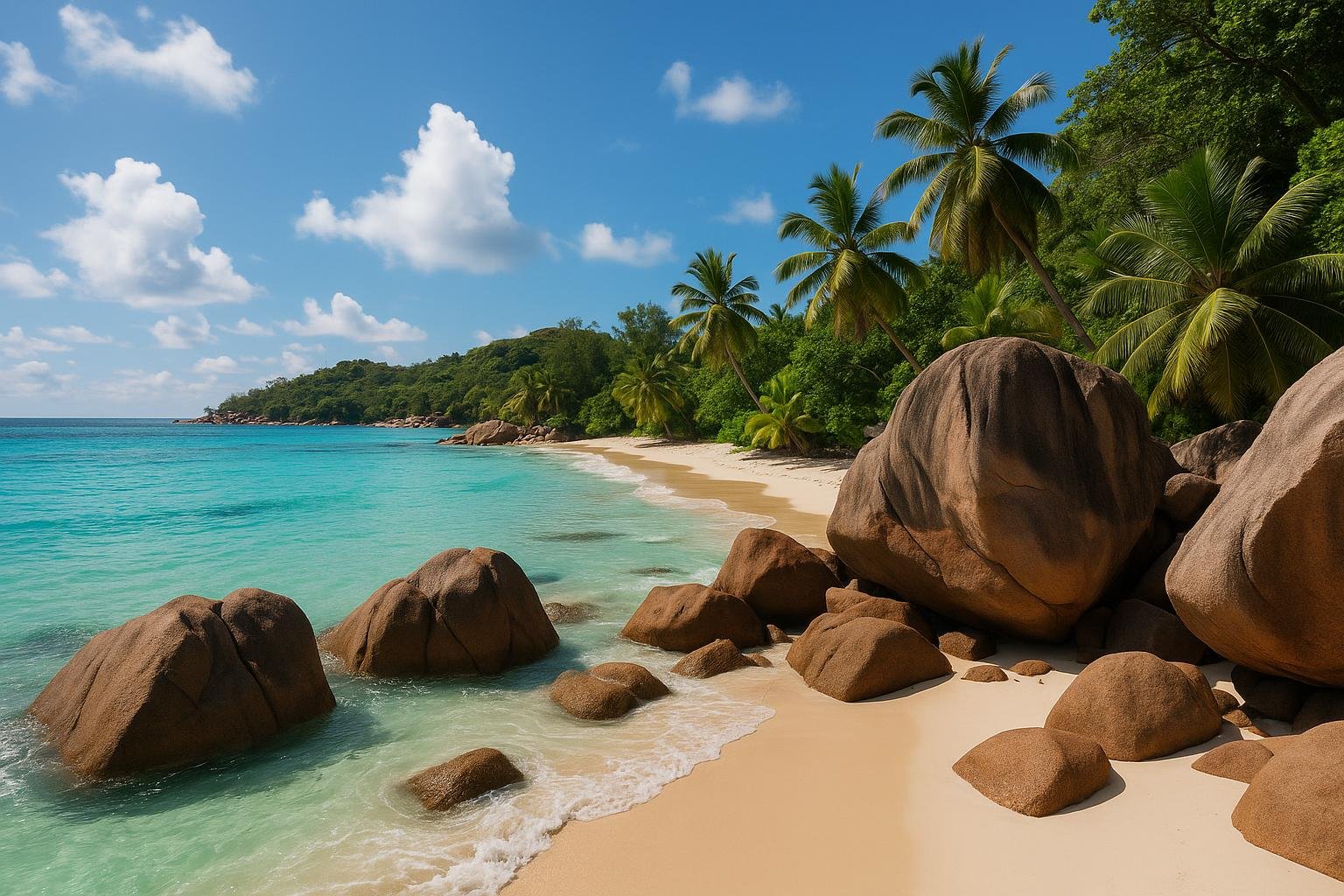
Praslin, the second-largest island in the Seychelles archipelago, offers a rare blend of unspoiled beaches, primeval forests, and laid-back island life. Less developed than Mahé yet more accessible than remote outer islands, it strikes a perfect balance for travelers seeking comfort without losing that castaway feel. From the legendary Anse Lazio to the UNESCO-listed Vallée de Mai, Praslin rewards slow exploration, keen observation, and a willingness to wander beyond the resort gates.
This guide explains when to visit, what to see, where to stay, and how to manage your budget, so you can plan a seamless escape to one of the Indian Ocean’s most seductive islands.
Best Time to Visit Praslin
Weather Overview and Climate
Praslin enjoys a warm, tropical climate year-round, with temperatures typically hovering between 24°C and 31°C (75°F–88°F). Humidity is high but tempered by sea breezes, especially along the coast. Rather than four distinct seasons, the island is shaped by two main trade winds:
- Northwest trade winds (November to March): Warmer, more humid, and generally calmer seas on the northwest-facing beaches. Short, intense showers are common, often clearing quickly into sunshine.
- Southeast trade winds (May to September): Slightly cooler and drier, with stronger winds and livelier seas, especially along southeast-facing shores. This period often brings clearer skies and lower humidity.
April and October are transitional months. Winds are lighter, the sea is typically glassy and clear, and underwater visibility is excellent for snorkeling and diving. Rain can fall in any month, but prolonged grey spells are rare. Instead, expect passing showers that freshen the air and keep Praslin’s forests lush.
Peak vs. Off-Peak Seasons
Praslin does not have a harsh “off-season,” but there are clear peaks in visitor numbers and prices:
- Peak season: December–January, Easter, and July–August. These periods coincide with European school holidays. Flights, ferries, and top beachfront resorts book out early, and nightly rates are at their highest.
- Shoulder season: April, May, June, September, and October. Often the best balance of price, weather, and availability. Sea conditions are generally favorable, especially in April and October, and crowds are manageable.
- Quieter months: February, March, and November. Humidity and rainfall can be higher, but the island is peaceful and you’ll have prime beaches and viewpoints with fewer people.
If your priority is crystal-clear water for snorkelling, scenic boat trips, and photography, aim for April or October. For a more budget-friendly experience with still-pleasant conditions, consider the quieter shoulder months of May to early June or late September.
Top Attractions in Praslin
Anse Lazio Beach
Anse Lazio is often cited among the world’s most beautiful beaches, and it lives up to the accolade. A wide arc of powder-fine sand is framed by dramatic granite boulders and a backdrop of coconut palms and takamaka trees. The water is a surreal shade of turquoise, usually calm enough for relaxed swimming and snorkelling close to shore.
Arrive in the early morning or late afternoon for softer light and fewer visitors. Midday brings stronger sun and more day-trippers from Mahé and La Digue. There are a couple of beachside restaurants and bars, plus basic facilities, but development remains thankfully restrained.
- Swimming and snorkelling: Conditions are generally excellent near the shore, though the sea can be rough during the southeast trade wind season. Always heed local advice regarding currents.
- Photography: For iconic shots, wander towards the granite boulders at either end of the bay. The northern side is especially photogenic at sunset.
- Access: Anse Lazio is reachable by car, taxi, or bus, followed by a short walk from the parking area. Parking is limited in high season, so arrive early if you’re self-driving.
Vallée de Mai Nature Reserve
The Vallée de Mai Nature Reserve, a UNESCO World Heritage Site, protects one of the world’s last remaining primeval palm forests. This ancient valley is famed for the coco de mer, a rare palm species with the largest and heaviest seed on earth, endemic only to Praslin and a few nearby islets.
Walking the well-marked trails feels like stepping into a prehistoric world. Towering palm fronds filter shafts of light, while the calls of endemic birds echo through the canopy. With a bit of patience, you may spot the Seychelles black parrot, blue pigeon, or sunbirds flitting between branches.
- Trails: Several circular routes of varying lengths are available, from easy 1-hour loops to more comprehensive circuits. Wear sturdy footwear—paths can be damp and uneven.
- Guided visits: On-site guides or pre-booked tours add depth, explaining the unique ecology, folklore surrounding the coco de mer, and efforts to conserve this fragile habitat.
- Timing: Visit early to avoid the heat and midday tour groups. The forest is especially atmospheric in the morning, with mist and birdsong heightening the sense of remoteness.
Where to Stay in Praslin
Luxury Resorts
Praslin is home to several high-end resorts that harness the island’s natural beauty while delivering sophisticated comfort. Most are located on prime stretches of beach and offer spacious villas, fine dining, and extensive leisure facilities.
- Beachfront escapes: Many five-star properties sit on sheltered coves, with direct access to calm water ideal for swimming, kayaking, and paddleboarding. Private villas often come with plunge pools and outdoor showers.
- Resort facilities: Expect infinity pools, spas, yoga pavilions, and complimentary non-motorised watersports. Golf courses and curated excursions—such as guided hikes or private boat trips—are common at the top tier.
- Service and privacy: High staff-to-guest ratios ensure personalised service, from bespoke dining experiences to tailored island tours. Some properties cater especially well to honeymooners seeking seclusion.
If you are planning to travel in peak season, book your luxury stay several months in advance, particularly for ocean-view suites and villas, which are often the first categories to sell out.
Budget Accommodation Options
Despite its upscale reputation, Praslin offers a range of mid-range and budget-friendly places to stay, especially if you look beyond the largest beaches. Family-run guesthouses, self-catering apartments, and small boutique hotels provide excellent value while still keeping you close to the island’s highlights.
- Guesthouses and B&Bs: These typically offer simple, clean rooms with air conditioning and breakfast included. Many are located within walking distance of beaches like Cote d’Or or Grand Anse.
- Self-catering apartments: An economical choice for longer stays or families. Kitchenettes enable you to cook some meals, significantly reducing overall costs.
- Location tips: Cote d’Or is ideal if you want easy beach access and a few restaurants nearby. Grand Anse tends to be more affordable and less busy, with wide sandy shores and sunset views.
To secure the best value, compare direct booking offers with major reservation platforms, and check whether airport or jetty transfers are included in the rate.
Food and Dining in Praslin
Local Cuisine to Try
Seychellois cuisine on Praslin is a vibrant fusion of Creole, African, French, and Indian influences, anchored by exceptionally fresh seafood and tropical produce. Menus are varied, but several dishes and ingredients are particularly emblematic of the islands.
- Creole curries: Mildly spiced coconut curries made with fish, octopus, or chicken, often infused with cinnamon, cloves, and local herbs. They are typically served with rice, chutneys, and lentils.
- Grilled fish: Red snapper, jobfish, and tuna are commonly grilled over charcoal and served simply with lime, chili, and a side of salad or breadfruit chips.
- Octopus dishes: Look for octopus curry or octopus in garlic butter. When cooked well, it is tender and deeply flavorful.
- Traditional sides: Breadfruit, cassava, and plantain often appear as roasted or fried accompaniments. Palm heart salad, when ethically sourced, is a delicate island specialty.
- Sweets and drinks: Finish with coconut-based desserts, banana fritters, or tropical fruits. Locally produced rum and fresh fruit juices complement the cuisine perfectly.
Recommended Restaurants and Cafes
Dining on Praslin ranges from refined hotel restaurants to informal beach shacks. While names and ownerships can change, several types of establishments consistently deliver an enjoyable experience:
- Beachfront Creole restaurants: Found mainly along Cote d’Or and around Anse Lazio, these places are ideal for sunset dinners with grilled fish, curries, and seafood platters served just steps from the sand.
- Resort restaurants: Even if you are not a guest, many upscale resorts accept external diners on reservation. These venues offer more elaborate menus, wine lists, and tasting menus, ideal for a special evening.
- Local takeaways and snack bars: For a budget-friendly lunch, try small takeaway counters serving packed Creole dishes, samosas, and roti. They are popular with residents and an excellent way to sample everyday island flavors.
- Cafes and bakeries: Around Baie Sainte Anne and Cote d’Or, you’ll find bakeries offering pastries, sandwiches, and decent coffee—useful for breakfast on the go or a light afternoon break.
As opening hours can be irregular, especially in quieter months, it is wise to confirm times in advance or ask your accommodation to check and reserve a table, particularly for dinner on weekends and holidays.
Budgeting for Your Trip to Praslin
Average Daily Costs
Praslin is not a low-cost destination, but careful planning can keep expenses under control. The following rough estimates are per person, per day, excluding international flights:
- Budget traveler: €70–€120
Staying in guesthouses or self-catering apartments, using public buses, eating at local takeaways or cooking some meals, and joining a limited number of paid excursions. - Mid-range traveler: €150–€250
Comfortable hotels or well-located apartments, mixed dining between local restaurants and occasional resort meals, a few guided tours, and occasional taxi use. - Luxury traveler: €300+
High-end resorts, fine dining, spa treatments, private boat trips, and frequent taxi or private transfer use.
Entrance fees to key attractions such as Vallée de Mai and guided boat excursions to nearby islands (like Curieuse or St Pierre) can add significantly to daily costs, so factor these into your planning from the outset.
Tips for Saving Money
Thoughtful choices in accommodation, transport, and dining can make Praslin more affordable without diminishing the experience.
- Travel in shoulder season: Accommodation prices drop outside peak months, and you’ll have greater flexibility to find offers or last-minute deals.
- Choose self-catering stays: Buying groceries and cooking simple meals—especially breakfast and some dinners—reduces your reliance on restaurant pricing.
- Use public transport: Buses are extremely inexpensive and cover most main routes, dramatically cutting transport costs compared to taxis.
- Prioritise paid activities: Focus on a few standout experiences—such as Vallée de Mai and one quality boat trip—rather than booking every available excursion.
- Carry refillable water bottles: Tap water is often potable for brushing teeth and sometimes for drinking (confirm locally), but even when you buy water, larger bottles shared between travelers are more economical.
Getting Around Praslin
Transportation Options
Praslin is compact, roughly 12 km long and 5 km wide, but its hilly interior and dispersed settlements make transport decisions important.
- Public buses: The most economical option, connecting Baie Sainte Anne, Grand Anse, Cote d’Or, and smaller villages. They run reasonably frequently during the day but reduce service in the evenings and on Sundays.
- Rental cars: Ideal for flexibility and exploring lesser-visited corners at your own pace. Roads are narrow and winding, but distances are short. Reserve in advance during high season, and check insurance coverage carefully.
- Taxis: Comfortable but expensive for frequent use. Best used for airport or jetty transfers and occasional evening outings when buses are less practical.
- Bicycles: While popular on relatively flat La Digue, cycling on Praslin is more challenging due to hills and limited shoulders on roads. It can still be enjoyable for short distances along the flatter coastal stretches.
Best Ways to Explore the Island
How you explore Praslin depends largely on your interests and travel style.
- Scenic drives: A rental car allows you to link Anse Lazio, Cote d’Or, Grand Anse, and viewpoints in a single day. Stop often to take in bays, forested slopes, and small local villages.
- Beach hopping: Use buses or a hire car to move between beaches, spending a few hours at each. Combine well-known spots like Anse Lazio with smaller coves for contrast.
- Hiking and nature walks: Beyond Vallée de Mai, there are lesser-known trails leading to viewpoints and secluded bays. Ask your hotel for current trail conditions and consider a guide if routes are unmarked.
- Boat excursions: Day trips from Praslin to nearby islands such as Curieuse, Cousin, or St Pierre are among the highlights of a stay. These excursions often include snorkelling, barbecues, and guided nature walks.
Travel Tips for Praslin
Safety Tips
Praslin is generally safe, with low levels of violent crime, but routine precautions are still advisable.
- Beach and petty theft: Do not leave valuables unattended on the sand or in unlocked vehicles. Use hotel safes for passports, excess cash, and electronics when not needed.
- Sea conditions: Always check local advice before swimming or snorkelling, especially during the southeast trade wind season. Be cautious of currents and swim within your ability.
- Sun and heat: The equatorial sun is intense. Use high-factor sunscreen, a hat, and lightweight long sleeves when out for extended periods. Hydrate regularly, especially on hikes.
- Wildlife: Insects such as mosquitoes are present. Bring repellent, especially for evenings and forest walks. Marine life is generally harmless if respected—avoid touching coral or reef creatures.
Cultural Etiquette and Local Customs
Seychelles has a relaxed and welcoming culture, but observance of a few basic customs will ensure positive interactions with residents.
- Greetings and politeness: A simple “hello” or “good morning” when entering shops, boarding small boats, or dealing with staff is appreciated. Courtesy goes a long way.
- Dress code: Beachwear is appropriate on the sand and at poolside, but cover up with a shirt or dress when in villages, shops, and public transport. Topless sunbathing is not customary and may cause offense.
- Photography: Always ask permission before photographing individuals, private homes, or religious sites. Respect any signage that restricts photography in certain areas.
- Environmental respect: Do not collect shells, coral, or plant material, and never disturb turtle nesting sites. Use reef-safe sunscreen where possible to help protect delicate marine ecosystems.
- Tipping: A service charge is sometimes included in bills, but small additional tips for excellent service in restaurants, taxis, or on tours are appreciated rather than expected.
Conclusion
Praslin encapsulates much of what makes the Seychelles so compelling: sublime beaches, endemic wildlife, and an unhurried island rhythm. Whether you spend your days drifting between coves, wandering the ancient palm forests of Vallée de Mai, or sailing to nearby islands, the sense of space and serenity is palpable.
By choosing the right season, aligning your accommodation with your budget, and moving around thoughtfully, you can unlock a side of Praslin that feels both exclusive and authentic. Plan well, travel respectfully, and the island will reward you with some of the most memorable seascapes and sunsets you are likely to encounter anywhere in the Indian Ocean.
Discover More from Didier Lancelot
Amazon Author page: amazon.com/author/didierlancelot
Narmer Store: narmerstore.org
AI and Technology Ebooks
- Creative AI: Animated Drawings, Manga & Illustrations
- Build a Game with AI: The No-Code Guide
- AI Image Generation Made Easy
- Build a Website with AI: The No-Code Guide
- How to Connect AI to Your Blog: The Ultimate Automation Guide
- AI Productivity Habits: Get More Done in Less Time
- AI Avatars Made Easy
- The Book of AI Prompts: 100+ Proven Prompts
- Make Music with AI: Suno, Udio and AI Music Generators
- Click to Cash
- The Automated Edge: Outwork, Outpace, and Outperform with AI
- AI Side Hustle: How to Make Money with ChatGPT and AI Tools
- Work Smarter with AI
Health, Lifestyle and Home Ebooks
- Hidden Superfoods: The World’s Most Powerful Healing Foods
- Spanish Food: The Complete Cookbook for Authentic Home Cooking
- The Science of Happiness Explained
- The Psychology of Success
- The Secret Sauce of Consistency: What the Experts Don’t Tell You About Fitness
- The Complete Home Bartender’s Guide: Link 1 | Link 2
- Natural Beauty, Made Simple: Easy DIY Organic Skincare Recipes
- Garden Made Simple: Easy, Beginner-Friendly Techniques
- The Dog Training Bible