
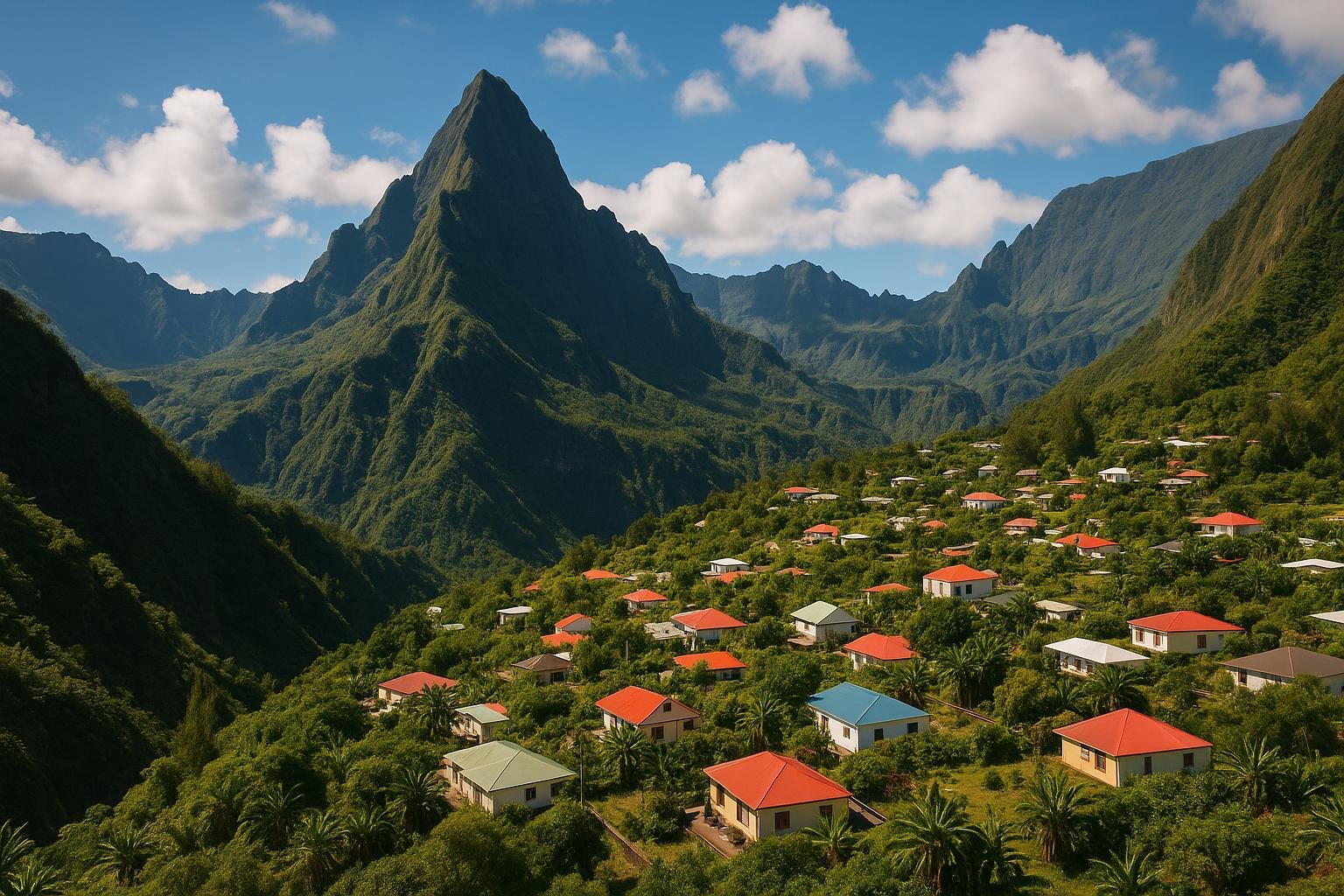
Set in the Indian Ocean east of Madagascar, Réunion is a French overseas department where volcanic drama meets lush tropical landscapes and Creole culture. It combines European standards of infrastructure with an unmistakably Indian Ocean identity, making it one of the most rewarding islands for hikers, road-trippers, and travelers seeking something more authentic than resort-lined beaches. This guide explores when to visit, what to see, where to stay, and how to savor the island’s remarkable cuisine.
Best Time to Visit Réunion
Climate Overview
Réunion lies in the Southern Hemisphere tropics, with a warm, humid climate shaped by altitude and trade winds. The island has two main seasons:
- Austral summer (November to April): Hot, humid, and wetter, with daytime coastal temperatures often between 28–32°C. This is when rainfall is at its peak, especially on the windward east coast, and when tropical cyclones may brush or hit the island.
- Austal winter (May to October): Drier, cooler, and generally more stable. Coastal temperatures usually range from 22–26°C, while the highlands and cirques can be considerably cooler, particularly at night.
The island’s mountainous interior creates pronounced microclimates. The east receives heavy rainfall all year, feeding waterfalls and rainforests. The west leeward coast, where most beaches and seaside towns sit, is sunnier and drier, making it ideal for swimming, snorkeling, and relaxed coastal stays. Higher elevations in Cilaos, Salazie, and Mafate can be misty and cool even during summer.
Seasonal Highlights
The best time to visit Réunion generally falls between May and November, when humidity and rainfall lessen, hiking trails are more accessible, and sea conditions are calmer on the west coast. Within this window, each period has its distinct appeal:
- May–June: Ideal for trekking. The weather is clearer, waterfalls are still full from summer rains, and the landscape remains intensely green. It is an excellent time for multi-day hikes in the cirques and to explore viewpoints such as Notre-Dame-de-la-Paix.
- July–August: Peak hiking season and a superb time for whale watching along the west coast near Saint-Gilles-les-Bains and Saint-Leu. Cooler nights in the highlands call for warmer layers, but conditions for outdoor activities are generally excellent.
- September–October: Perhaps the most balanced period, with long sunny days and fewer crowds than mid-winter. This is also a pleasant time for canyoning, road trips along the Route des Laves, and exploring Creole villages.
Travelers can visit in November–April for a more tropical, lush atmosphere, but should be prepared for high humidity, heavier rains, and the possibility of cyclones, typically between January and March. On the plus side, the warm waters, vibrant foliage, and fewer visitors can make summer a rewarding time for those willing to adapt plans around the weather.
Top Attractions in Réunion
Natural Wonders: Piton de la Fournaise and Cirque de Mafate
Réunion’s landscapes are dominated by two volcanoes: the dormant Piton des Neiges and the active Piton de la Fournaise. The latter ranks among the most monitored and accessible volcanoes in the world, and it is the island’s signature natural attraction.
Piton de la Fournaise rises on the southeast of the island within the UNESCO-listed Réunion National Park. Visitors typically reach the viewpoint at Plaine des Sables via a surreal lunar-like road before continuing to the Pas de Bellecombe-Jacob vantage point, which overlooks the main caldera. From here, well-marked trails lead across the crater floor towards various eruption sites, though access may be restricted during periods of volcanic activity for safety reasons.
Hiking Piton de la Fournaise is an unforgettable experience: vast expanses of hardened lava, dramatic cliffs, and, on clear days, views stretching to the ocean. Eruptions, when they occur and are safely observable, can often be admired from designated viewpoints after dark, an extraordinary spectacle that draws both locals and visitors.
To the northwest lies the remote Cirque de Mafate, another highlight of Réunion’s geography and one of the island’s most distinctive destinations. Formed by erosion of the Piton des Neiges massif, Mafate is a natural amphitheater of jagged peaks, deep ravines, and terraced hamlets scattered across the slopes.
What makes Cirque de Mafate unique is its isolation: there are no roads into the cirque. Every village is accessible only on foot or by helicopter. Travelers typically start from access points such as Col des Bœufs, Deux Bras, or Rivière des Galets, and follow well-established hiking paths to enter this world apart. Overnight stays in simple gîtes (mountain guesthouses) allow immersion in the tranquility and small-scale rural life of the cirque.
Beyond these icons, Réunion offers other remarkable natural sites: the verdant Cirque de Salazie with its countless waterfalls; the rugged peaks of Cilaos; the coastal lava fields of the Route des Laves; and tidal pools and lagoons along the west coast. Together they create one of the most varied islandscapes in the Indian Ocean.
Cultural Experiences: Local Markets and Festivals
Réunion’s culture blends African, Malagasy, Indian, Chinese, and European influences, all under a French administrative framework. This mix is perhaps most visible in its markets and festivals, which are central to everyday life.
In Saint-Denis, the island’s capital, the Grand Marché and surrounding streets teem with stalls selling vanilla, spices, artisanal rum, woven baskets, and local crafts. The atmosphere is both lively and relaxed, offering a first introduction to Réunionese Creole culture and flavors.
On the west coast, the Saint-Paul market, usually held on Fridays and Saturdays along the seafront, is one of the island’s finest. Here, vendors sell fresh tropical fruit, vegetables, smoked fish, samoussas, and traditional snacks like bonbons piment. Aside from groceries, you will find handmade textiles, wood carvings, and locally produced jams and honeys. It is an excellent place to stock up for a self-catering stay or to assemble a picnic before heading into the cirques.
Réunion also hosts a rich calendar of festivals reflecting its diverse heritage. Hindu temples mark the calendar with vibrant processions and rituals such as Thaipusam Cavadee, featuring colorful offerings and intense acts of devotion. Catholic and Creole celebrations, including All Saints’ Day and local saints’ festivals, punctuate the year with processions, music, and gatherings in village squares.
Cultural life on the island is strongly linked to music and dance. Events showcasing maloya and séga—two emblematic musical styles—often take place in community centers, open-air venues, and during official festivals. Maloya, of African and Malagasy origin and recognized by UNESCO as Intangible Cultural Heritage, is especially powerful, blending percussion, call-and-response singing, and politically charged lyrics.
For a more structured cultural immersion, travelers can visit the Musée de Villèle near Saint-Gilles to learn about the island’s colonial and slavery-era history, or the Cité des Arts in Saint-Denis, which hosts exhibitions, performances, and artist residencies that capture contemporary Réunionese creativity.
Where to Stay in Réunion
Best Areas for Tourists
Where you choose to stay in Réunion will shape your experience, as each part of the island offers a different ambiance and set of activities. Distances may appear short on a map, but winding mountain roads mean travel times can be longer than expected. Many visitors split their stay between the west coast and the interior.
- West Coast (Saint-Gilles-les-Bains, La Saline, L’Ermitage): This is the main seaside region, with lagoon-protected beaches, a broad range of hotels and guesthouses, and numerous restaurants. It is ideal for travelers seeking a coastal base with easy access to boat trips, whale watching, and snorkeling.
- Saint-Pierre and the South: Saint-Pierre is a vibrant coastal town with a pleasant waterfront and good access to the Sud Sauvage, the island’s wilder southern coastline. Staying here suits travelers interested in exploring the Route des Laves, visiting Piton de la Fournaise at sunrise, and experiencing a more local atmosphere.
- Cilaos: Nestled in the Cirque de Cilaos and reached by a road of numerous hairpin bends, this mountain town is perfect for hikers and travelers who prioritize scenery and outdoor activities. Expect stunning views, cool evenings, and trailheads right at your doorstep.
- Salazie and Hell-Bourg: The Cirque de Salazie is lush and misty, and the village of Hell-Bourg is considered one of the most picturesque on the island, with beautifully restored Creole houses. This area is excellent for serene walks, waterfalls, and cultural heritage.
- Saint-Denis: The capital is more urban and functional than resort-oriented, but it is convenient for short stays, business travel, or for those who enjoy museums, galleries, and nightlife before or after an exploration of the island.
Many travelers choose one base on the west coast for coastal relaxation and another in the highlands for two or three nights of hiking and village exploration, allowing them to experience the full diversity of the island without excessive daily driving.
Recommended Accommodation Options
Accommodation in Réunion ranges from seaside resorts and boutique hotels to rustic gîtes and self-catering villas. Standards generally align with European expectations, and booking ahead is advisable in peak seasons and during school holidays.
- Beachfront hotels and resorts: Around Saint-Gilles-les-Bains and L’Ermitage, you will find established beachfront properties with direct access to the lagoon, swimming pools, and on-site restaurants. These are well suited to couples and families who value comfort and convenient amenities.
- Boutique guesthouses and chambres d’hôtes: Across the island, particularly in the cirques and historic villages, characterful guesthouses offer a more intimate experience. Many are set in restored Creole homes, with verandas, gardens, and communal dinners where hosts serve local specialties.
- Mountain gîtes: For treks in Mafate, Cilaos, and Salazie, traditional gîtes d’étape provide simple yet welcoming accommodation, often in dormitory or basic private-room format. Facilities are modest, but the atmosphere is convivial and authentic. Reservations are essential, especially in Mafate, where options are limited and access is by foot only.
- Self-catering apartments and villas: Ideal for families or travelers planning longer stays, these options are plentiful along the west and south coasts. Having a kitchen allows you to make the most of the island’s markets, and a private terrace or small pool enhances the feeling of a home base between excursions.
Wherever you stay, renting a car is highly recommended, as public transport does not efficiently cover many natural attractions and mountain roads. Most accommodations offer secure parking and can provide local advice on routes, hikes, and safety conditions.
Food and Dining in Réunion
Must-Try Local Dishes
Réunion’s cuisine mirrors its multicultural heritage. It is generous, aromatic, and deeply influenced by French, Indian, Chinese, and Malagasy traditions. Dining here is a central aspect of the travel experience, from simple roadside snacks to elaborate Creole feasts.
- Caris (curries): The cornerstone of local cuisine, caris are stews typically prepared with chicken, fish, octopus (carry zourite), or shrimp. They are cooked with tomatoes, onions, garlic, ginger, turmeric, and sometimes local herbs, then served with white rice, grains (lentils or beans), and spicy rougails.
- Rougail saucisse: One of the island’s most beloved comfort dishes, featuring smoked or fresh sausages simmered in a rich tomato and chili sauce. It is often mildly spicy, with extra heat provided by optional rougail piment on the side.
- Samoussas and bouchons: Popular street snacks and appetizers, samoussas are triangular pastries filled with spiced meat, fish, or vegetables, while bouchons are small steamed dumplings of Chinese origin, frequently enjoyed with chili sauce.
- Chouchou and palmiste: Chouchou (chayote) is ubiquitous and appears in gratins, salads, and caris. Palmiste, or heart of palm, is considered a delicacy, especially in salads or tender stews.
- Desserts and sweets: Tropical fruits such as mango, lychee, pineapple, and passion fruit feature prominently, often served fresh or in jams. Traditional sweets include bonbons miel (honey fritters) and gâteaux patate made from sweet potato.
No meal is complete without tasting the island’s arranged rums—rum infused with local fruits, spices, and botanicals. Flavors range from vanilla and cinnamon to ginger and citrus, and many guesthouses produce their own blends.
Top Restaurants and Cafés
From casual seaside eateries to refined establishments showcasing modern Creole gastronomy, Réunion’s dining scene caters to a wide range of tastes and budgets. While specific venues change over time, several types of places are particularly worth seeking out:
- Creole table d’hôtes: Many guesthouses and family-run restaurants, especially in the cirques and inland villages, offer set menus featuring home-style dishes. These shared meals are an excellent way to sample authentic recipes and engage with local hosts.
- Coastal restaurants in Saint-Gilles and Saint-Leu: Along the west coast, numerous beachfront venues serve grilled fish, seafood platters, and Creole specialties, often paired with sunset views over the lagoon. Look for places that highlight local catch of the day and seasonal produce.
- Bistros and brasseries in Saint-Denis: The capital offers a more urban dining scene, with brasseries and contemporary restaurants blending French techniques with island ingredients. This is also where you will find cafés ideal for breakfast, pastries, and coffee before exploring the city’s cultural sites.
- Snack bars and food trucks: On main roads and near markets, small snack outlets serve samoussas, bouchons, sandwiches, and simple caris at very reasonable prices. These are perfect for quick lunches while on the move or between hikes.
Wherever you choose to eat, consider making reservations for dinner on weekends and during school holidays, particularly at popular coastal addresses and small mountain guesthouses. As in mainland France, dining times are relatively structured, with many restaurants closing between lunch and dinner service.
Conclusion
Réunion stands out in the Indian Ocean for its combination of dramatic volcanic landscapes, intricate hiking networks, vibrant multicultural heritage, and refined yet deeply rooted cuisine. From the summit of Piton de la Fournaise to the isolated hamlets of Mafate, from bustling markets in Saint-Paul to Creole houses in Hell-Bourg, the island offers a sense of exploration that goes far beyond its size.
Planning a journey here means considering the seasons, choosing bases that match your interests, and leaving ample time for both adventure and quiet appreciation of the scenery. In return, Réunion rewards travelers with experiences that feel both exotic and reassuringly accessible, making it a compelling destination for those seeking an island escape rich in character, depth, and natural beauty.
Discover More from Didier Lancelot
Amazon Author page: amazon.com/author/didierlancelot
Narmer Store: narmerstore.org
AI and Technology Ebooks
- Creative AI: Animated Drawings, Manga & Illustrations
- Build a Game with AI: The No-Code Guide
- AI Image Generation Made Easy
- Build a Website with AI: The No-Code Guide
- How to Connect AI to Your Blog: The Ultimate Automation Guide
- AI Productivity Habits: Get More Done in Less Time
- AI Avatars Made Easy
- The Book of AI Prompts: 100+ Proven Prompts
- Make Music with AI: Suno, Udio and AI Music Generators
- Click to Cash
- The Automated Edge: Outwork, Outpace, and Outperform with AI
- AI Side Hustle: How to Make Money with ChatGPT and AI Tools
- Work Smarter with AI
Health, Lifestyle and Home Ebooks
- Hidden Superfoods: The World’s Most Powerful Healing Foods
- Spanish Food: The Complete Cookbook for Authentic Home Cooking
- The Science of Happiness Explained
- The Psychology of Success
- The Secret Sauce of Consistency: What the Experts Don’t Tell You About Fitness
- The Complete Home Bartender’s Guide: Link 1 | Link 2
- Natural Beauty, Made Simple: Easy DIY Organic Skincare Recipes
- Garden Made Simple: Easy, Beginner-Friendly Techniques
- The Dog Training Bible