
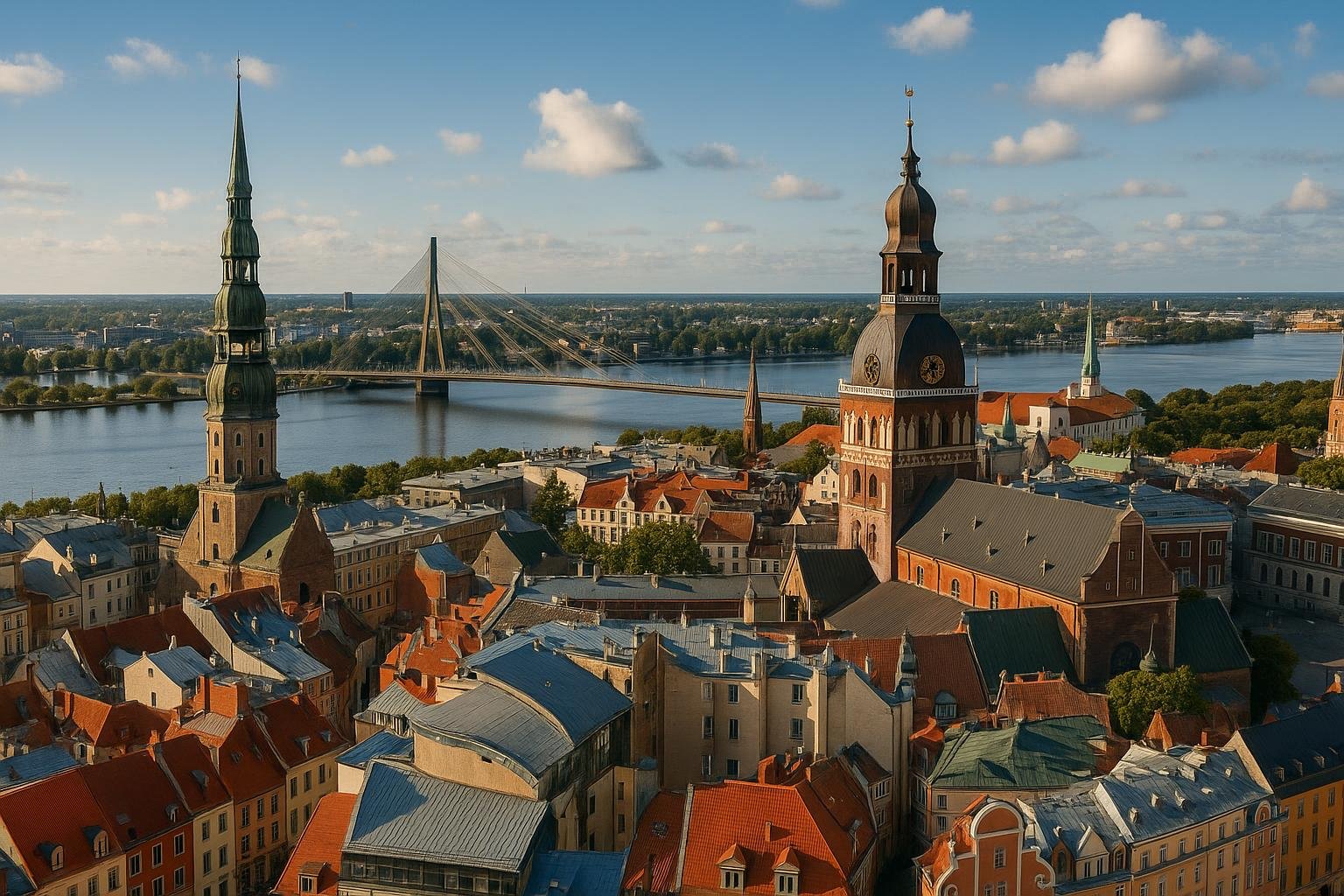
Riga, the cosmopolitan capital of Latvia, is a city where Gothic spires, Art Nouveau façades, and a thriving creative scene coexist along the banks of the Daugava River. More than just a pretty Old Town, Riga offers an intriguing blend of Baltic heritage, contemporary culture, and excellent value for travelers. This guide explores when to go, what to see, where to stay, and what to eat, so you can plan a refined and memorable city break.
Best Time to Visit Riga
Weather Overview
Riga has a temperate climate with four distinct seasons, each shaping a different travel experience. Winters (December to February) are cold and often snowy, with temperatures hovering between -5°C and 0°C. Days are short but atmospheric, especially when the historic center is dusted in snow and markets glow under festive lights.
Spring (March to May) is transitional. March remains chilly and grey, but by late April parks start to bloom, temperatures rise into the low teens (°C), and outdoor cafés cautiously reappear. It is a quieter, more contemplative time to see the city wake from winter.
Summer (June to August) is warm rather than hot, typically ranging from 18–25°C. Long daylight hours are a defining feature; in June, evenings stretch late into the night, perfect for riverside strolls and open-air events. While occasional showers are possible, summer is generally the most pleasant period for sightseeing.
Autumn (September to November) begins with mellow, golden days around 10–18°C. By late October, cooler weather and mist over the river contribute to a moody, photogenic atmosphere. November tends to be the rainiest month, with more overcast skies.
Seasonal Highlights
Summer: This is the prime season for first-time visitors. Terraces spill onto cobbled streets, music festivals fill public squares, and canal boats glide through Riga’s green belt. The city’s beaches, particularly those in nearby Jūrmala, are at their best, making it easy to combine urban exploration with seaside relaxation.
Late Spring and Early Autumn: May, early June, and September are ideal if you prefer milder temperatures and fewer crowds. Flower-filled parks, comfortable walking conditions, and more availability in hotels make these shoulder seasons particularly appealing for culture-focused travelers.
Winter: From December through early January, Riga feels especially magical. Christmas markets set up in Town Hall Square and Cathedral Square, serving mulled wine and traditional seasonal treats. If you enjoy festive lights, classical concerts, and the prospect of snow against medieval architecture, this period can be remarkably atmospheric, albeit cold.
When to avoid: Late November and early March can be less rewarding, with slushy streets, frequent drizzle, and limited daylight. However, prices are low and landmarks are virtually empty, appealing to budget travelers and photographers who value solitude over sun.
Top Attractions in Riga
Iconic Landmarks
Riga Old Town (Vecrīga): The UNESCO-listed historic center is the natural starting point for any itinerary. Its labyrinth of narrow lanes, colorful merchant houses, and lively squares encapsulates centuries of Hanseatic trading history. Key sites are within walking distance, making it ideal for leisurely exploration.
Riga Cathedral: Dominating Cathedral Square, this vast brick cathedral fuses Romanesque, Gothic, Baroque, and Art Nouveau elements. Its famous organ, one of the largest in Europe, makes attending an organ recital a memorable cultural experience and a chance to appreciate the building’s remarkable acoustics.
House of the Black Heads: This ornate guild house on Town Hall Square is one of Riga’s most photographed buildings. Originally a meeting place for unmarried merchants, it was meticulously rebuilt after World War II and now functions as both a museum and an event space. Its elaborate façade captures the city’s affluent trading past.
St. Peter’s Church Tower: For panoramic views over Riga’s skyline and the Daugava, ascend the tower of St. Peter’s Church. The elevator ride leads to a viewing platform where you can admire the juxtaposition of red-tiled roofs, church spires, and modern bridges spanning the river.
Freedom Monument: Erected in 1935, this tall granite and copper monument honors Latvian independence and serves as a powerful national symbol. Located between the Old Town and the city’s central district, it is a natural reference point and often the backdrop for public ceremonies and commemorations.
Art Nouveau District (Alberta iela and surrounding streets): Riga has one of the world’s richest concentrations of Art Nouveau architecture. Strolling along Alberta, Elizabetes, and Strēlnieku streets reveals elaborate façades adorned with masks, floral motifs, and sculpted figures. The Art Nouveau Museum, set in a carefully restored apartment, offers fascinating insight into early 20th-century bourgeois life.
Hidden Gems
Kuldīga Courtyard and Backstreets of Vecrīga: Beyond the main thoroughfares, the Old Town hides tranquil courtyards and small artisan shops. Wander without a fixed route; you will encounter secluded corners, tiny galleries, and quiet cafés that reveal a more intimate side of central Riga.
Kalnciema Quarter: On the left bank of the Daugava, this restored cluster of 19th-century wooden buildings hosts weekend markets, design shops, and cultural events. It is an excellent place to experience contemporary Latvian craftsmanship, sample local produce, and see how historic wooden architecture has been repurposed for modern urban life.
Miera iela (Peace Street) District: North of the center, Miera iela has evolved into a creative neighborhood known for its bohemian atmosphere. Here you will find independent cafés, small concept stores, and the Laima Chocolate Museum. The pace is slower than in the Old Town, making it a pleasant area for an afternoon wander.
Riga Central Market: Although not exactly secret, many visitors underestimate its scale and character. Housed in repurposed Zeppelin hangars, this enormous market is one of Europe’s largest. Each pavilion focuses on specific products: fish, meat, dairy, produce, and household goods. Exploring the market offers a vivid introduction to Latvian daily life and seasonal ingredients.
Island of Ķīpsala: Just across the river from the Old Town, Ķīpsala combines restored wooden homes, riverfront promenades, and views back toward Riga’s skyline. It is a tranquil retreat from the busy center and an appealing area for a reflective walk at sunset.
Wooden Architecture in Āgenskalns: South of the river, Āgenskalns showcases Riga’s lesser-known heritage: colorful wooden houses, leafy streets, and a newly renovated market hall. Few tourists venture here, making it a rewarding detour for travelers interested in local neighborhoods rather than just postcard views.
Where to Stay in Riga
Recommended Neighborhoods
Old Town (Vecrīga): Staying within the medieval center places you at the heart of Riga’s historic sights, restaurants, and nightlife. It is the most atmospheric area, especially in the evening when façades are illuminated and musicians perform in the squares. However, cobbled streets and occasional late-night noise should be considered if you prefer absolute quiet.
Centrs (City Center): Just outside the Old Town’s boundaries, the central district offers a more local feel, elegant 19th‑century avenues, and many of the city’s finest Art Nouveau buildings. It is ideal for travelers who want to be close to major attractions while benefitting from slightly lower prices and a wider range of accommodation styles.
Quiet Centre / Art Nouveau Quarter: Around Alberta iela and Elizabetes iela, the so‑called Quiet Centre offers leafy streets, embassy buildings, and upscale residential blocks. It suits visitors seeking a refined, tranquil base with easy access to parks, museums, and sophisticated dining.
Āgenskalns and Pārdaugava (Left Bank): On the opposite side of the Daugava, these neighborhoods provide a more residential, authentic atmosphere. They appeal to repeat visitors, digital nomads, or anyone desiring a slower pace, yet the Old Town remains only a short tram ride away.
Miera iela / Brasa Area: This creative district suits travelers who value independent cafés, galleries, and a bohemian vibe over proximity to major landmarks. Accommodation options are more limited but often characterful, including boutique guesthouses and stylish apartments.
Hotels and Accommodations
Riga’s accommodation scene is diverse, ranging from design-led boutique hotels to budget-friendly guesthouses and well-equipped apartments. Prices are generally lower than in many other European capitals, making it possible to stay centrally without excessive cost.
- Luxury and Boutique Hotels: In and around the Old Town and Quiet Centre, you will find elegantly restored heritage properties, some housed in former merchant residences or Art Nouveau townhouses. Expect polished interiors, attentive service, and amenities such as spa facilities and high-end restaurants.
- Mid-Range Hotels: The Centrs district is rich in comfortable, well-managed hotels that balance price and quality. These typically offer generous breakfasts, modern rooms, and easy access to public transport, suiting couples, families, and business travelers.
- Budget Hotels and Hostels: For cost-conscious travelers, Riga offers several hostels and simple hotels near the central station and across the river. Shared kitchens and social spaces are common, making these a good choice for solo travelers or groups.
- Serviced Apartments and Short-Term Rentals: Apartments are an excellent option for longer stays or those who prefer self-catering. Many are located in renovated historic buildings and come with fully equipped kitchens and washing facilities, particularly attractive to remote workers or families.
When choosing where to stay, consider not only proximity to the Old Town but also transport links, noise levels, and your interest in local neighborhoods. Riga’s compact size and extensive tram, trolleybus, and bus network make it easy to move between districts.
Local Cuisine and Dining Options
Must-Try Dishes
Latvian cuisine is grounded in seasonal, locally sourced ingredients, reflecting the country’s forests, fields, and coastline. In Riga, traditional recipes are increasingly reinterpreted by contemporary chefs, creating a vibrant dining scene that respects heritage while embracing modern techniques.
- Grey Peas with Speck (Pelēkie zirņi ar speķi): A quintessential Latvian dish, especially in winter and around Christmas. Grey peas are slowly cooked and served with crispy smoked pork and onions, resulting in a hearty, comforting plate.
- Rye Bread (Rupjmaize): Dense, dark rye bread is a staple at almost every meal. It appears in many forms: as slices accompanying soup, as a base for open sandwiches, or even transformed into a sweet dessert with cream and berries.
- Sklandrauši: Traditional carrot and potato pies from western Latvia, these small pastries combine a rye flour crust with a subtly sweet vegetable filling. They are an excellent introduction to the region’s rustic baking traditions.
- Cold Beet Soup (Aukstā zupa): In summer, this vivid pink soup made with kefir, beets, cucumbers, and herbs is both refreshing and visually striking. It is often served with boiled potatoes on the side.
- Smoked and Pickled Fish: With the Baltic Sea nearby, fish plays an important role in the local diet. Smoked sprats, herring, and salmon appear on many menus, often accompanied by potatoes, rye bread, and fresh dill.
- Riga Black Balsam: This traditional herbal liqueur is a symbol of the city. Typically sipped neat or in cocktails, it has a complex, slightly bitter profile. Sampling it in a historic bar or café is almost a rite of passage for visitors.
Best Restaurants and Cafés
Riga’s dining landscape ranges from refined tasting menus to convivial market stalls. Whether you are seeking a gourmet experience or a simple but authentic meal, the city offers numerous options.
Modern Latvian Restaurants: Several establishments focus on seasonal tasting menus built around local produce: wild mushrooms, forest berries, freshwater fish, and organic vegetables. Chefs often reinterpret classic dishes with contemporary presentation, making these venues ideal for special occasions or culinary-focused trips.
Traditional Taverns and Beer Halls: Rustic-style eateries in and around the Old Town serve hearty Latvian fare in atmospheric, often vaulted interiors. Expect generous portions, wooden benches, and a substantial selection of local beers. These are excellent places to sample grey peas, pork dishes, sauerkraut, and home-baked rye bread.
Casual Bistros and Cafés: Throughout the Centrs district and along streets like Miera iela, you will find relaxed bistros offering lunch menus at attractive prices. Many combine Baltic ingredients with international influences, serving dishes such as seasonal salads, soups, and pastries alongside quality coffee.
Coffee Culture and Dessert Spots: Riga has a cultivated coffee scene, particularly in creative districts and around the university areas. Third-wave cafés roast their own beans and pair them with refined desserts, including cakes featuring local berries and variations on rye bread pudding.
Riga Central Market Stalls: For an informal, immersive food experience, browse the market’s prepared-food counters. Here you can sample smoked fish, pickled vegetables, fresh pastries, and regional cheeses at modest prices. It is also the best place to observe how locals shop and eat on a daily basis.
Vegetarian and Vegan Options: While traditional cuisine leans heavily on meat and dairy, Riga’s newer restaurants increasingly cater to plant-based diets. Creative vegetable dishes, grain bowls, and vegan interpretations of local classics are becoming easier to find, especially in the city center and creative quarters.
Conclusion
Riga rewards travelers who look beyond surface impressions. Its medieval lanes, Art Nouveau boulevards, wooden quarters, and riverside paths collectively tell a story of a city in constant dialogue with its past while confidently embracing the present. From seasonal festivals and panoramic viewpoints to inventive cuisine and characterful neighborhoods, the Latvian capital offers depth, variety, and a strong sense of place.
Whether you visit during luminous summer evenings or under winter’s soft snowfall, Riga invites you to explore at a human scale: on foot, by tram, and through conversations in its cafés and markets. With thoughtful planning around the best time to go, carefully chosen accommodation, and an openness to both iconic sites and subtle local experiences, your journey to Riga can become one of the most rewarding urban escapes in Northern Europe.
Discover More from Didier Lancelot
Amazon Author page: amazon.com/author/didierlancelot
Narmer Store: narmerstore.org
AI and Technology Ebooks
- Creative AI: Animated Drawings, Manga & Illustrations
- Build a Game with AI: The No-Code Guide
- AI Image Generation Made Easy
- Build a Website with AI: The No-Code Guide
- How to Connect AI to Your Blog: The Ultimate Automation Guide
- AI Productivity Habits: Get More Done in Less Time
- AI Avatars Made Easy
- The Book of AI Prompts: 100+ Proven Prompts
- Make Music with AI: Suno, Udio and AI Music Generators
- Click to Cash
- The Automated Edge: Outwork, Outpace, and Outperform with AI
- AI Side Hustle: How to Make Money with ChatGPT and AI Tools
- Work Smarter with AI
Health, Lifestyle and Home Ebooks
- Hidden Superfoods: The World’s Most Powerful Healing Foods
- Spanish Food: The Complete Cookbook for Authentic Home Cooking
- The Science of Happiness Explained
- The Psychology of Success
- The Secret Sauce of Consistency: What the Experts Don’t Tell You About Fitness
- The Complete Home Bartender’s Guide: Link 1 | Link 2
- Natural Beauty, Made Simple: Easy DIY Organic Skincare Recipes
- Garden Made Simple: Easy, Beginner-Friendly Techniques
- The Dog Training Bible