
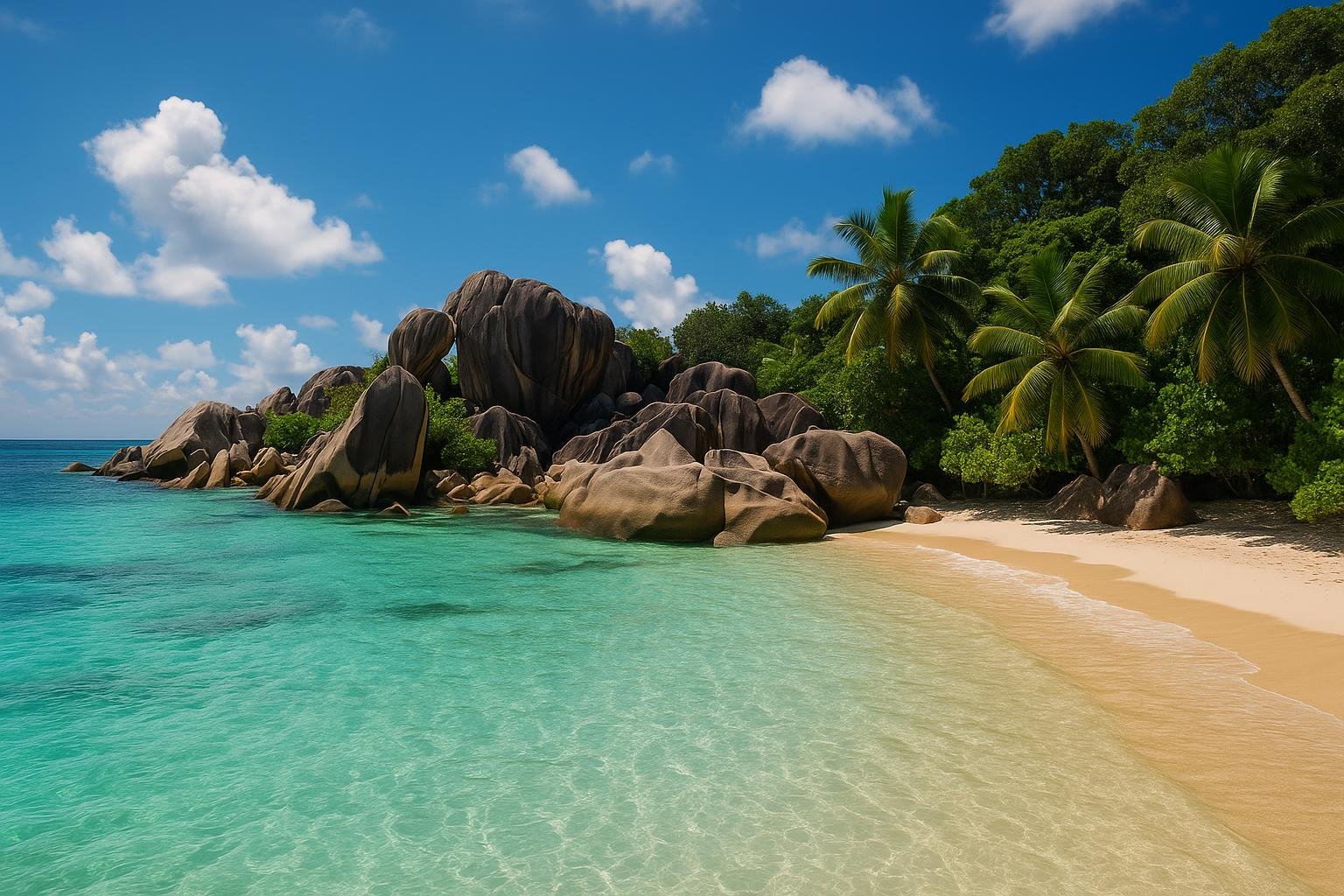
The Seychelles archipelago, scattered like emeralds across the Indian Ocean, is the kind of place that feels almost unreal: powdery white beaches, granite boulders polished by the tides, and jungle-clad hills plunging into translucent water. Beyond the postcard scenes, however, lies a fascinating Creole culture, a distinctive island cuisine, and a surprisingly varied range of travel experiences—whether you are planning a honeymoon, a diving holiday, or a family escape. This guide brings together the essential information you need to plan a rewarding, well-timed, and well-budgeted trip to Seychelles.
Best Time to Visit Seychelles
Seasonal Weather Overview
Seychelles enjoys a warm, humid, and fairly consistent tropical climate year-round, but subtle seasonal shifts can significantly influence your experience. Temperatures typically range between 24°C and 31°C (75°F–88°F), with no extreme heat or cold. Instead, the prevailing trade winds and levels of humidity define the seasons.
From May to September, the southeast trade winds bring slightly cooler, drier conditions. Skies tend to be clear, the air less humid, and the sea a little choppier, especially on the southeastern coasts of the larger islands. This period is excellent for hiking, sightseeing, and generally active itineraries, with less risk of heavy rain disrupting plans.
From October to April, the northwest monsoon ushers in warmer, more humid weather and calmer seas. Rainfall is more frequent, particularly between December and February, often in the form of intense but short-lived tropical showers. These months are superb for swimming, snorkeling, and diving, as the water tends to be glassy and visibility is at its best outside the heaviest rains.
For visitors focused on underwater visibility and beach time, the shoulder seasons—April to early June and late September to November—strike a fine balance: light winds, relatively calm seas, and plenty of sunshine. These windows are widely considered the optimum time to visit Seychelles for both land and sea activities.
Key Events and Festivals
While Seychelles is primarily seen as a nature and relaxation destination, its cultural calendar offers a compelling reason to time your trip around specific events.
- Seychelles International Carnival of Victoria (dates vary, often in April): A vibrant, multi-day spectacle in the capital, Victoria, with parades, music, and performances from international and local troupes. Streets transform into a festival of color, and the atmosphere is electric.
- Festival Kreol (usually October): The islands’ signature cultural celebration, dedicated to Creole heritage. Expect traditional music (moutya and sega), dance, storytelling, art exhibitions, and food fairs. It is a superb way to experience Seychellois culture beyond the beaches.
- SUBIOS – Seychelles Festival of the Sea (dates vary): Focused on marine life and conservation, SUBIOS features underwater film screenings, photography competitions, and educational activities. Ideal for divers, snorkelers, and eco-conscious travelers.
- Independence Day (June 29): Marked with parades, concerts, and public events, mostly on Mahé. It offers a patriotic, community-centered glimpse of Seychelles beyond the resorts.
Event dates can shift annually, so confirm the timetable when finalizing your travel dates, especially if you wish to synchronize your trip with a particular festival.
Top Attractions in Seychelles
Praslin Island Highlights
Praslin, often described as Mahé’s more laid-back sibling, combines world-class beaches with rare endemic flora, making it a key stop on any Seychelles itinerary.
- Vallée de Mai Nature Reserve: A UNESCO World Heritage site and one of the last refuges of the legendary coco de mer palm. The reserve’s primeval forest, with its giant fronds and dappled light, offers well-maintained trails and rewarding birdwatching opportunities—keep an eye out for the Seychelles black parrot.
- Anse Lazio: Frequently cited among the world’s most beautiful beaches, Anse Lazio showcases fine white sand, smooth granite boulders, and luminous turquoise water. It is ideal for swimming and snorkeling, especially near the rocky headlands where marine life congregates.
- Anse Georgette: A more secluded, postcard-perfect bay accessible either via the Constance Lemuria resort (with prior arrangement) or a scenic hike. The relative remoteness keeps crowds in check and enhances the sense of escape.
- Constance Lemuria Golf Course and Viewpoints: Even non-golfers should consider a visit for the sweeping views over Praslin’s coastline. Sunset from the elevated tees and ridges can be spectacular.
Praslin also serves as a hub for island-hopping, with easy boat connections to smaller isles such as Curieuse (famous for its free-roaming giant tortoises) and St. Pierre (a popular snorkeling spot).
La Digue Island Must-Sees
La Digue, with its charming ox-carts, bicycles, and absence of large-scale development, evokes a slower, more traditional island rhythm. It is compact yet packed with scenery.
- Anse Source d’Argent: Perhaps the most photographed beach in Seychelles, renowned for its otherworldly granite formations, shallow lagoons, and rosy-hued sand at sunset. Located within the L’Union Estate, it is easily accessible by bicycle and best enjoyed early in the morning or late afternoon to avoid the mid-day crowds.
- L’Union Estate: A historical plantation estate featuring a traditional copra mill, vanilla plantations, and a colonial-era house. Roaming giant tortoises and coastal paths add further interest, making it more than simply a gateway to the beach.
- Grand Anse, Petit Anse & Anse Cocos: A trio of dramatic, surf-battered beaches reached via scenic trails. The ocean here can be rough with strong currents, so swimming often requires caution. The reward is wild beauty and comparatively few visitors.
- Nid d’Aigle (Eagle’s Nest): The highest point on La Digue, offering sweeping panoramas over the island and its surrounding turquoise waters. The hike, while steep in places, is manageable for reasonably fit travelers and particularly rewarding at sunrise or late afternoon.
La Digue’s small size and bicycle-friendly paths encourage slow exploration—stopping at hidden coves, local snack stalls, and tiny Creole eateries as you go.
Where to Stay in Seychelles
Luxury Resorts and Hotels
Seychelles is synonymous with luxury, and its high-end accommodations set a benchmark for tropical indulgence. Most upscale properties prioritize privacy, space, and direct access to pristine nature.
- Mahé: The main island hosts a concentration of five-star resorts along its western and southern coasts. Expect expansive ocean-view villas, private pools, on-site spas, fine-dining restaurants, and curated activities such as guided hikes, yoga, and sunset cruises.
- Praslin: Boutique resorts and luxury hotels blend into hillside forests or fringe immaculate bays. Many offer golf courses, high-end spa facilities, and direct access to beaches like Anse Georgette and Anse Lazio.
- Private Islands: Ultra-exclusive properties on islands such as North Island, Félicité, or Frégate cater to travelers seeking complete seclusion, personalized butler service, and bespoke experiences. These stays come at a premium but deliver extraordinary privacy.
Luxury resorts in Seychelles often incorporate sustainability initiatives—marine conservation programs, reef restoration, and reduced plastic usage—adding ethical depth to the indulgence.
Budget-Friendly Accommodations
Although Seychelles has a reputation for being expensive, budget-conscious travelers can find good value, especially if they plan ahead and travel outside peak holiday periods.
- Guesthouses and Self-Catering Apartments: On Mahé, Praslin, and La Digue, charming family-run guesthouses offer en-suite rooms, basic amenities, and genuine local hospitality. Self-catering options (with kitchenettes) are ideal for managing food costs by shopping at local markets.
- Small Hotels: Modest hotels and lodges provide comfortable rooms, air-conditioning, Wi-Fi, and sometimes breakfast at comparatively reasonable prices. Locations near public bus routes can further reduce transport expenses.
- Advance Booking: Budget-friendly properties are limited and popular, especially during European school holidays and festival periods. Booking several months in advance often secures better rates and availability.
While there is no true backpacker hostel culture, travelers willing to forgo resort amenities can still enjoy Seychelles’ natural beauty without overspending.
Food and Dining in Seychelles
Traditional Seychellois Cuisine
Seychellois cuisine is a nuanced Creole blend, shaped by African, French, Indian, and Asian influences. It emphasizes fresh seafood, aromatic spices, and locally grown produce.
- Curries: Fish, octopus, chicken, and vegetable curries are ubiquitous. They are typically milder than many Indian curries, featuring coconut milk, cinnamon, cloves, and coriander rather than searing heat.
- Grilled Fish: Red snapper, jobfish, tuna, and trevally appear frequently on menus, often marinated in garlic, ginger, lime, and chili before being grilled over open flames.
- Creole Staples: Dishes like “pwason fri” (fried fish), “ladob” (breadfruit or bananas slowly cooked in coconut milk and sugar), and “rougaille” (a tomato-based sauce served with fish or sausages) provide a taste of everyday island food.
- Accompaniments: Rice is the staple, but you will also find breadfruit, cassava, and plantains. Salads using local ingredients—papaya, mango, heart of palm—offer refreshing contrasts.
- Street Snacks: Fried samosas, fish cakes, cassava chips, and coconut-based sweets are widely sold at markets and small kiosks, offering an inexpensive way to sample local flavors.
Vegetarians will find a modest but growing range of options, including lentil stews, vegetable curries, and salads. Vegan choices are more limited but can be managed at mid-range and upscale restaurants with advance communication.
Popular Restaurants and Eateries
Dining experiences in Seychelles span rustic beach shacks to refined, white-tablecloth restaurants with expansive ocean views.
- Mahé: Victoria’s market area and surrounding streets host casual eateries serving Creole plates at relatively affordable prices. Beachside restaurants along Beau Vallon and the west coast specialize in seafood barbecues and sunset cocktails. Upscale hotel restaurants offer tasting menus featuring locally sourced ingredients.
- Praslin: Small, family-run restaurants dot the coast near Cote d’Or and Grand Anse, serving grilled fish, Creole curries, and pizzas. Some offer set menus or daily specials based on the morning’s catch.
- La Digue: Food here leans relaxed and informal. Beach bars and compact restaurants serve grilled fish, burgers, and Creole dishes, often with toes-in-the-sand seating. Pre-booking is advisable in high season due to limited capacity.
For a more immersive experience, look for “takeaway” stalls frequented by locals. They serve generous portions of rice, curry, and grilled fish at a fraction of sit-down restaurant prices, making them invaluable for travelers seeking both authenticity and value.
Budgeting for Your Trip
Estimated Daily Costs
Costs in Seychelles vary depending on travel style, season, and island, but the following broad estimates (per person, per day, excluding international flights) offer a planning baseline:
- Budget traveler: Approximately €70–€120
- Guesthouse or simple self-catering accommodation
- Public buses on Mahé and some ferries between islands
- Takeaway meals, market shopping, occasional restaurant meal
- Low-cost activities such as hiking and beach days
- Mid-range traveler: Approximately €150–€250
- Comfortable hotels or mid-range guesthouses
- Mix of taxis, car rental (on Mahé/Praslin), and ferries
- Regular restaurant dining and some guided excursions
- Luxury traveler: €350 and above
- High-end resorts or private islands
- Private transfers, domestic flights, and excursions
- Fine dining, spa treatments, and personalized experiences
Activities like diving, boat charters, or helicopter tours can significantly increase daily expenses, so factor these in separately if they are central to your plans.
Money-Saving Tips
Traveling smart in Seychelles can meaningfully stretch your budget without compromising the essence of the experience.
- Choose Shoulder Seasons: Visiting in April–June or September–November can reduce accommodation costs and offer more competitive rates on tours and activities.
- Use Self-Catering Facilities: Book apartments or guesthouses with kitchens. Buying local produce, fresh fish, and staples from markets and supermarkets can substantially cut food costs.
- Rely on Public Transport: On Mahé (and to a lesser extent Praslin), buses are inexpensive and cover major routes. Combining bus travel with occasional taxis is cost-efficient.
- Plan Island-Hopping Carefully: Inter-island ferries and domestic flights add up. Base yourself on one or two islands rather than trying to visit too many, and book transfers in advance for better fares.
- Prioritize Low-Cost Activities: Many of Seychelles’ greatest pleasures—beach-hopping, snorkeling from shore, and hiking—are either free or low cost. Reserve your budget for a smaller number of standout paid excursions.
Getting Around in Seychelles
Transportation Options
The Seychelles archipelago is spread across a vast area, but the main visitor islands—Mahé, Praslin, and La Digue—are relatively close and well-connected.
- Domestic Flights: A short flight between Mahé and Praslin offers swift transfers and scenic aerial views. Seats are limited, so advance booking is essential in peak periods.
- Inter-Island Ferries: Regular high-speed catamarans link Mahé, Praslin, and La Digue, providing a cost-effective and scenic option. Sea conditions can be choppy; motion sickness tablets may be advisable for sensitive travelers.
- Public Buses (Mahé & Praslin): On Mahé, the bus network is extensive and very affordable, connecting major towns, beaches, and some viewpoints. Praslin’s network is more limited but still useful for core routes.
- Car Rental: Renting a car on Mahé or Praslin provides flexibility for exploring beaches, viewpoints, and inland trails at your own pace. Roads are narrow and winding, and driving is on the left.
- Taxis: Widely available at airports, ferry quays, and hotels. They are convenient for point-to-point travel but can be expensive for long distances, so confirm fares beforehand.
- Bicycles & Ox-Carts (La Digue): Bicycles are the primary mode of transport for visitors on La Digue. Many guesthouses offer rentals. Traditional ox-carts are mostly symbolic and occasionally used for short transfers.
Tips for Navigating the Islands
A bit of logistical planning will ensure smooth movement between and within islands.
- Book Transfers in Advance: Inter-island ferries and domestic flights can sell out in busy seasons. Secure tickets early, especially if you have onward international connections.
- Allow Buffer Time: Weather and sea conditions can disrupt schedules. Build in time between ferries and flights to avoid stressful connections.
- Use Offline Maps: Mobile coverage is generally good on major islands, but downloading offline maps allows you to navigate even without data, especially when driving in more remote areas.
- Respect Local Driving Conditions: Roads can be steep, narrow, and bordered by deep drains. Drive cautiously, especially at night, and consider whether you are comfortable with such conditions before renting a car.
Travel Tips for Visiting Seychelles
Health and Safety Precautions
Seychelles is one of the safer island destinations, with low rates of violent crime and a generally relaxed atmosphere. Nonetheless, sensible precautions enhance wellbeing and minimize disruptions.
- Sun Protection: The equatorial sun is intense. Use reef-safe sunscreen, wear a wide-brimmed hat, and seek shade during midday hours to avoid sunburn and heat exhaustion.
- Hydration: High humidity increases fluid loss. Carry water, especially on hikes or long beach days. Bottled water is widely available, and many accommodations provide filtered water.
- Insect Protection: Mosquitoes are present, particularly in more vegetated areas and at dusk. Use insect repellent, wear light, long-sleeved clothing in the evenings, and choose accommodations with screens or nets where possible.
- Swimming Safety: Not all beaches are safe for swimming. Strong currents and powerful shore breaks can pose risks, especially during trade wind seasons. Heed local advice and signage; if in doubt, stay in shallower, sheltered areas.
- Medical Facilities & Insurance: Mahé has the main hospital and several clinics; facilities on other islands are more basic. Comprehensive travel insurance that covers medical evacuation is strongly recommended.
Cultural Etiquette and Customs
Seychelles’ culture is a harmonious blend of African, European, and Asian influences, with a relaxed but respectful social code. Observing a few basic customs will help you interact positively with residents.
- Greetings and Politeness: A simple “bonjour” or “good morning” when entering small shops or addressing locals goes a long way. Courteous behavior is appreciated, and taking time for pleasantries is part of island life.
- Modest Dress in Towns: Beachwear is appropriate at the beach, but in towns, villages, and places of worship, opt for more modest attire—shirts or cover-ups, and longer shorts or skirts.
- Photography: Always ask permission before photographing individuals, especially in markets or rural areas. Some cultural events and religious sites may have restrictions on photography.
- Environmental Respect: Locals take pride in the islands’ natural beauty. Do not collect shells, corals, or plants; avoid touching or standing on coral while snorkeling; and dispose of litter responsibly.
- Tipping Practices: Service charges are often included in hotel and restaurant bills, but small additional tips for excellent service are welcomed. For local guides or drivers, a modest gratuity is customary.
English, French, and Seychellois Creole are widely spoken, making communication straightforward. Learning a few Creole phrases—such as “Mersi” (thank you)—is appreciated and often sparks a warmer exchange.
Conclusion
Seychelles is far more than a honeymoon cliché. Its islands offer a surprisingly diverse mix of experiences: hiking through primeval palm forests on Praslin, pedaling along quiet lanes on La Digue, snorkeling over coral gardens, and sharing Creole meals at family-run guesthouses. With thoughtful timing, realistic budgeting, and an appreciation for local culture and ecology, you can craft a journey that balances indulgence with authenticity.
Whether you are drawn by the world-famous beaches, rare endemic wildlife, or the gentle rhythm of island life, Seychelles rewards those who linger, explore beyond the obvious, and treat its fragile ecosystems with care. Plan well, travel respectfully, and these Indian Ocean islands will more than live up to their dreamlike reputation.
Discover More from Didier Lancelot
Amazon Author page: amazon.com/author/didierlancelot
Narmer Store: narmerstore.org
AI and Technology Ebooks
- Creative AI: Animated Drawings, Manga & Illustrations
- Build a Game with AI: The No-Code Guide
- AI Image Generation Made Easy
- Build a Website with AI: The No-Code Guide
- How to Connect AI to Your Blog: The Ultimate Automation Guide
- AI Productivity Habits: Get More Done in Less Time
- AI Avatars Made Easy
- The Book of AI Prompts: 100+ Proven Prompts
- Make Music with AI: Suno, Udio and AI Music Generators
- Click to Cash
- The Automated Edge: Outwork, Outpace, and Outperform with AI
- AI Side Hustle: How to Make Money with ChatGPT and AI Tools
- Work Smarter with AI
Health, Lifestyle and Home Ebooks
- Hidden Superfoods: The World’s Most Powerful Healing Foods
- Spanish Food: The Complete Cookbook for Authentic Home Cooking
- The Science of Happiness Explained
- The Psychology of Success
- The Secret Sauce of Consistency: What the Experts Don’t Tell You About Fitness
- The Complete Home Bartender’s Guide: Link 1 | Link 2
- Natural Beauty, Made Simple: Easy DIY Organic Skincare Recipes
- Garden Made Simple: Easy, Beginner-Friendly Techniques
- The Dog Training Bible