
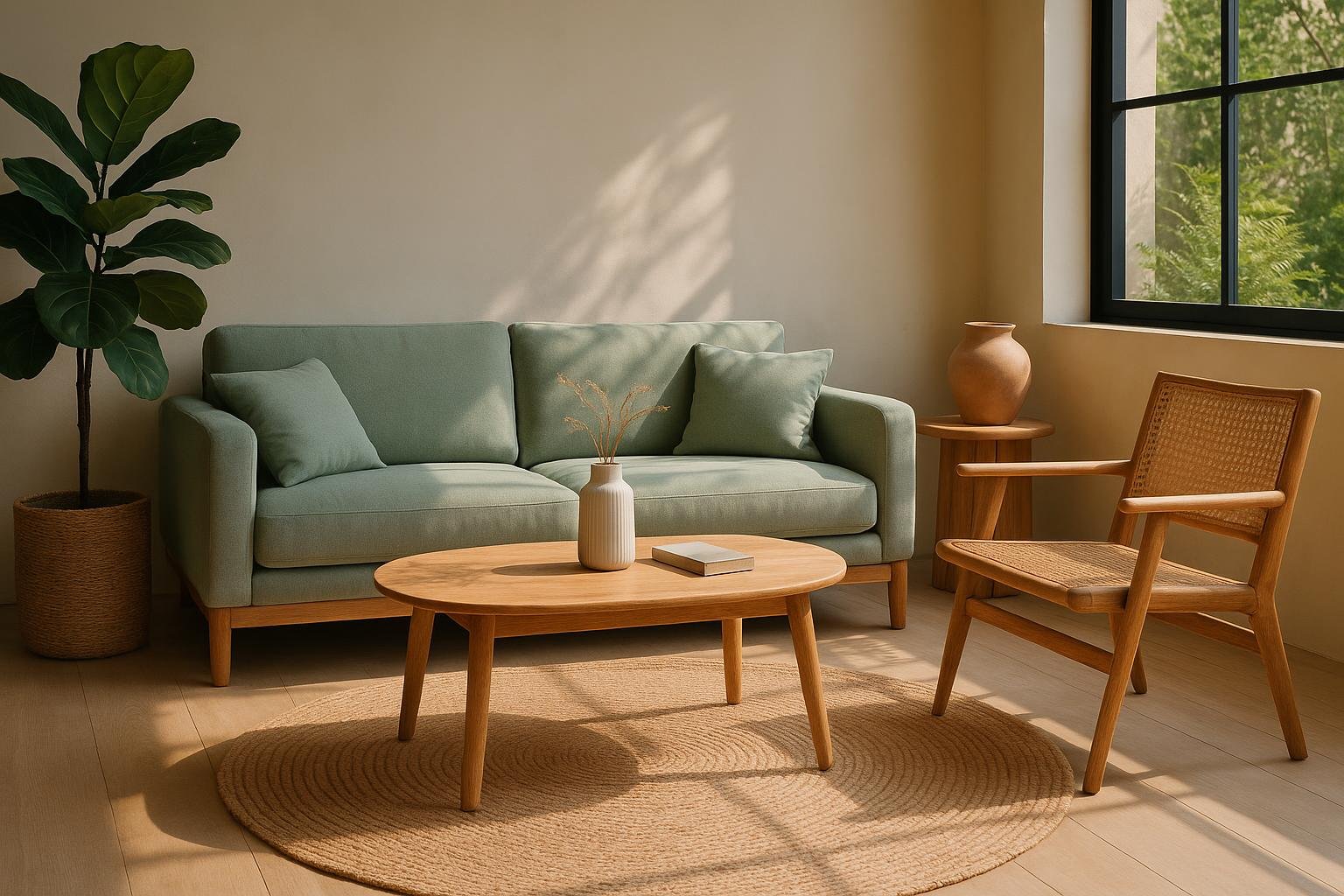
Sustainable Furniture Choices for Modern Interior Design
Sustainable furniture is not a style trend; it’s a whole-life choice. It’s about how pieces are made, how they perform in your home, and what happens to them when you no longer need them. In a modern interior, where clean lines and intentional spaces matter, sustainable choices can actually sharpen your aesthetic rather than limit it.
This guide walks through how to choose furniture that looks contemporary, functions beautifully, and respects both your health and the environment.
Start With the Most Sustainable Option: Reuse
The most sustainable furniture piece is usually the one that already exists. Before browsing new collections, ask whether a second-hand or vintage find could meet your needs.
Why second-hand makes sense
- Extends product life: Every reused piece postpones the energy and materials needed to make something new.
- Reduces waste: Buying pre-owned keeps furniture out of landfill and cuts demand for fast, disposable items.
- Adds character to modern spaces: A sleek new sofa paired with a mid-century sideboard or vintage armchair can elevate a minimalist room and prevent it from feeling cold.
Look for consignment stores, online marketplaces, estate sales, and local refurbishers. A quality frame with tired upholstery is often an opportunity: re-covering an old chair or sofa can give you a unique, modern look with far less environmental cost than buying new.
When you buy new, buy as if it’s forever
If second-hand won’t work, treat new purchases as long-term commitments:
- Prioritize timeless forms: Simple silhouettes and neutral base colors age better than hyper-trendy shapes or finishes.
- Choose solid construction: Check joints, weight, and stability. A well-built dining table or bed frame should feel solid and creak-free.
- Ask how it can be repaired: Look for replaceable covers, cushions, hardware, and modular parts.
This approach ensures your core pieces can stay with you across homes and changing tastes, forming the backbone of a sustainable modern interior.
Choose Materials With Their Full Story in Mind
Material choice is central to sustainable furniture design, but labels like “eco,” “green,” or even “natural” don’t tell the whole story. How a material is sourced and processed is just as important as what it is called.
Responsible wood and wood alternatives
- Reclaimed wood: Furniture made from salvaged beams, flooring, or old furniture gives existing timber a second life and often has rich character. It pairs beautifully with modern, minimal lines.
- Certified timber: Look for FSC (Forest Stewardship Council) or PEFC (Programme for the Endorsement of Forest Certification) labels, which indicate that forests are managed responsibly.
- Bamboo and cork: These are rapidly renewable resources. Bamboo works well for sleek contemporary pieces; cork offers warmth and texture for stools, side tables, and wall panels.
If the product uses engineered woods (like MDF or particleboard), check whether the brand discloses the type of resin or adhesive used, as this affects indoor air quality and recyclability.
Metals and recycled content
- Recycled steel or aluminum: These can significantly cut the environmental footprint of metal frames, table bases, and shelving.
- Powder-coated finishes: These tend to be durable and can contribute to a long product life, especially in high-use areas.
Modern interiors often feature metal detailing. Choosing recycled metal is one of the easiest ways to align that aesthetic with sustainability.
Fabrics that respect both planet and people
- Natural fibers: Organic cotton, linen, and hemp are breathable and typically lower in chemical inputs when properly certified.
- Recycled fibers: Fabrics made from recycled polyester or blends can give a second life to plastic waste, especially in high-performance upholstery.
Look for certifications such as GOTS (Global Organic Textile Standard) for organic textiles and OEKO-TEX Standard 100 for fabrics tested against a list of harmful substances.
Look Beyond the Frame: Upholstery, Fillings, and Finishes
Sustainable furniture doesn’t stop at the visible structure. What’s inside your sofa or under the finish on your table can impact indoor air quality and long-term performance.
Finishes and coatings
- Low-VOC or water-based finishes: These can significantly reduce volatile organic compounds (VOCs) off-gassing into your home.
- Natural oils and waxes: For wood, options like hardwax oil can be easier to maintain and spot-repair over time, extending the life of the piece.
Look for specific mentions of low-VOC or certified finishes rather than vague claims like “eco-friendly coating.”
Cushions, foams, and fillings
- Foam transparency: Check if the brand details foam type, flame-retardant use, and certifications.
- Alternative fillings: Natural latex, wool, or down (ethically sourced) can be options in some products, though they come with their own sourcing considerations.
- Removable and washable covers: These extend the usable life of cushions and help you maintain good indoor air quality by keeping textiles cleaner.
If a product claims to be low-emission, look for third-party labels such as GREENGUARD or GREENGUARD Gold, which focus on chemical emissions from finished products.
Design for Long Use, Not Fast Replacement
Modern interior design works best when spaces feel calm and considered. Longevity-focused furniture supports that calm by reducing the churn of constant replacement.
Construction and repairability
- Sturdy joinery: Mortise and tenon, dovetail, or solid bolted frames will generally outlast glue-only or flimsy fasteners.
- Accessible hardware: Screws and bolts you can reach and replace make repairs practical.
- Spare parts support: Check whether the brand offers replacement legs, cushions, covers, or components.
Modular and multifunctional design
- Modular sofas and storage: Pieces that can be reconfigured adapt as you move or replan your layout.
- Multifunctional items: Think storage benches, extendable dining tables, desks that double as consoles. These reduce the total number of pieces you need.
- Adaptable aesthetics: Neutral bases (like a simple oak table or charcoal sofa) can be refreshed with changing accessories instead of replacement.
Well-chosen modular or multifunctional furniture allows a space to evolve over a decade or more, not just through a single style phase.
Production, Delivery, and the People Behind Your Furniture
Sustainable furniture also involves how pieces are made, where they’re produced, and who makes them.
Local and regional sourcing
- Reduced transport impacts: Furniture made closer to home typically involves less shipping-related carbon emissions.
- Support for local makers: Commissioning from local craftspeople can yield higher quality, customizable pieces that you can maintain and repair over time.
- Easier end-of-life solutions: Local workshops might offer refurbishment, resale, or take-back programs.
Ethical manufacturing
- Ask about working conditions: Reputable brands are usually transparent about where factories are located and how workers are treated.
- Look for detailed brand stories: Companies that invest in sustainability often share specifics rather than broad claims—such as factory certifications, material traceability, or take-back schemes.
Ethical, transparent production is part of what makes a piece truly sustainable over its lifetime, not just at the point of purchase.
How to Check Sustainability Claims
The furniture industry uses a wide range of terms and labels. Focus on certifications and data that are clear and independently verified.
Common certifications to know
- FSC / PEFC: Responsible sourcing of wood and paper products.
- GREENGUARD / GREENGUARD Gold: Limits on chemical emissions from finished products, relevant for indoor air quality.
- GOTS: Standards for organic textiles, covering environmental and social criteria.
- OEKO-TEX Standard 100: Textile testing against a list of harmful substances.
If a product mentions a certification, you can usually verify it via the certifier’s website or database. When in doubt, ask the retailer or manufacturer to provide documentation.
A Practical Checklist for Buying Sustainable Furniture
Before you click “buy now” or place an order in a showroom, run through these questions:
- Can a second-hand or refurbished piece meet this need?
Explore vintage, marketplace, or local options first. - What are the materials and where do they come from?
Check for FSC or PEFC for wood, reclaimed or recycled content, and credible fabric certifications like GOTS or OEKO-TEX. - Is the product built for repair and longevity?
Look for solid construction, modular elements, replaceable parts, and accessible hardware. - Have finishes, foams, and adhesives been addressed?
Seek information on low-VOC or water-based finishes and independent emission certifications such as GREENGUARD. - Does the brand explain manufacturing and end-of-life options?
Check for transparency around factory locations, worker conditions, take-back or refurbishment programs, and detailed sustainability reports.
Using this checklist helps you move beyond marketing language toward a whole-life assessment of each piece you bring into your home.
Designing a Modern, Sustainable Interior in Practice
Sustainability and modern design are highly compatible. The key is to balance a few enduring foundation pieces with flexible accents and smart storage.
Build around long-lasting anchors
- Invest in core pieces: A well-built sofa, a solid wood dining table, and a comfortable, ergonomic chair for your workspace can anchor your rooms for years.
- Keep them visually quiet: Choose clean lines, restrained colors, and natural materials that work with different styles over time.
Layer in reused and character pieces
- Vintage accent chairs, side tables, or cabinets: These bring depth and story to a modern space.
- Second-hand storage: Sideboards, bookshelves, and chests can be easily refreshed with refinishing or updated hardware.
Use natural textures and flexible storage
- Natural fibers: Jute rugs, linen cushions, and wool throws soften minimal layouts while staying in line with sustainable material choices.
- Modular storage: Systems that can be reconfigured as your needs change reduce future consumption and help keep spaces streamlined.
By centering your design decisions on longevity, adaptability, and thoughtful sourcing, you can create a modern interior that feels both current and enduring.
Conclusion: Rethinking “New” in Modern Interiors
Sustainable furniture choices are less about buying a completely “eco” home and more about slowing down the cycle of consumption. A modern interior does not require replacing everything at once; in fact, the most sustainable move is often to keep what you have, repair what’s worn, and introduce new pieces only when they truly add value.
Start with reuse, choose materials and finishes with transparent sourcing, design for long-term use, and pay attention to how and where items are made. When you make each furniture decision with its whole life in mind, your home becomes more resilient, healthier to live in, and more authentically modern—because it reflects conscious choices, not just passing trends.
Discover More from Didier Lancelot
Amazon Author page: amazon.com/author/didierlancelot
Narmer Store: narmerstore.org
AI and Technology Ebooks
- Creative AI: Animated Drawings, Manga & Illustrations
- Build a Game with AI: The No-Code Guide
- AI Image Generation Made Easy
- Build a Website with AI: The No-Code Guide
- How to Connect AI to Your Blog: The Ultimate Automation Guide
- AI Productivity Habits: Get More Done in Less Time
- AI Avatars Made Easy
- The Book of AI Prompts: 100+ Proven Prompts
- Make Music with AI: Suno, Udio and AI Music Generators
- Click to Cash
- The Automated Edge: Outwork, Outpace, and Outperform with AI
- AI Side Hustle: How to Make Money with ChatGPT and AI Tools
- Work Smarter with AI
Health, Lifestyle and Home Ebooks
- Hidden Superfoods: The World’s Most Powerful Healing Foods
- Spanish Food: The Complete Cookbook for Authentic Home Cooking
- The Science of Happiness Explained
- The Psychology of Success
- The Secret Sauce of Consistency: What the Experts Don’t Tell You About Fitness
- The Complete Home Bartender’s Guide: Link 1 | Link 2
- Natural Beauty, Made Simple: Easy DIY Organic Skincare Recipes
- Garden Made Simple: Easy, Beginner-Friendly Techniques
- The Dog Training Bible