
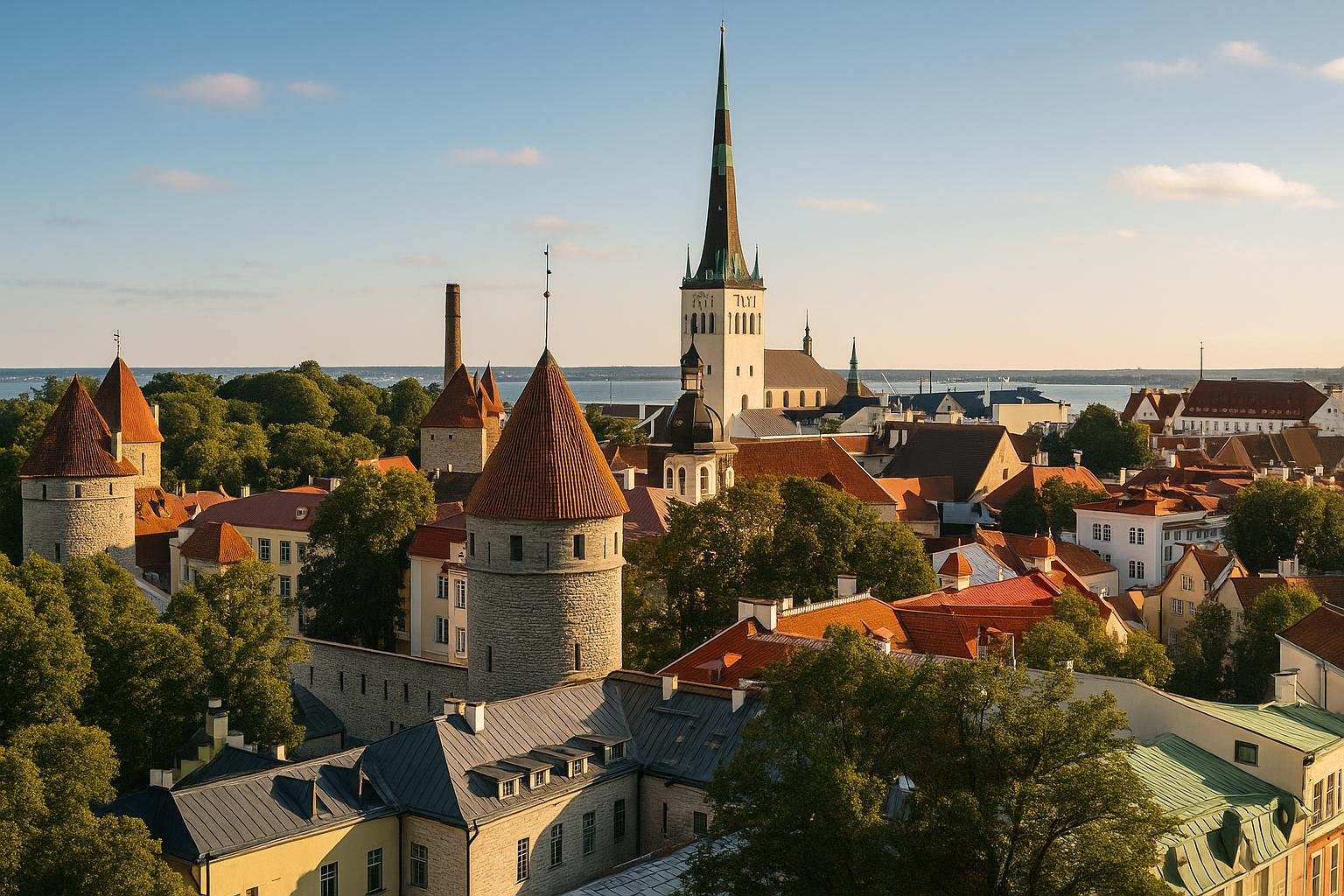
Tallinn is one of Europe’s most atmospheric small capitals: compact, walkable, and layered with history. Cobbled lanes wind between medieval merchant houses, church spires rise above red-tiled roofs, and just beyond the Old Town walls you find creative districts, modern gastronomy, and a vibrant Baltic waterfront. This guide explores when to visit, what to see, where to stay, and how to taste the best of Estonia’s capital.
Best Time to Visit Tallinn
Weather and Climate Overview
Tallinn has a distinctly northern climate, with pronounced seasons that shape the city’s character throughout the year.
Spring (April–May) brings gradually milder temperatures, typically between 5–15°C. Snow melts, outdoor cafés start to reappear, and parks like Kadriorg and Šnelli Park turn green. It is an excellent time for sightseeing with fewer crowds and lower hotel rates, though you should pack layers and a waterproof jacket.
Summer (June–August) is the most popular season. Daytime temperatures usually range from 18–25°C, and the long “white nights” mean extended daylight for exploring the Old Town and seafront promenades. This is prime time for outdoor dining, rooftop bars, and open-air events, but also when accommodation should be booked well in advance.
Autumn (September–October) offers crisp air and vivid foliage. Temperatures cool to around 5–15°C. The mood shifts from summer bustle to a calmer, more local rhythm. Museums, galleries, and cafés become particularly appealing, and you will find a good balance of manageable visitor numbers and atmospheric cityscapes.
Winter (November–March) is cold and frequently snowy, with temperatures often hovering around or below freezing. Yet Tallinn in winter is strikingly beautiful. The medieval architecture under fresh snow and the glow of lanterns and Christmas lights create a fairy-tale feel. Pack serious winter clothing—insulated boots, hat, gloves, and layers are essential.
Seasonal Events and Festivals
Tallinn’s cultural calendar is rich for such a small city, and timing your visit with a major event can significantly enhance the experience.
- Tallinn Old Town Days (May/June) – A long-running celebration of the medieval heart of the city. Expect street performances, concerts in historic courtyards, artisan markets, and costumed parades. It is an ideal moment to see local traditions animated within the Old Town’s UNESCO-listed streets.
- Jaanipäev – Midsummer (around 23–24 June) – While much of the bonfire-focused celebration happens in the countryside and on islands, Tallinn hosts concerts and public gatherings. It is a fascinating glimpse into Estonian folk customs and the importance of light during the northern summer.
- Tallinn Maritime Days (July/August) – Centered around the harbor and seafront, this festival features regattas, historic ships, outdoor concerts, and family activities. It is an excellent occasion to discover Tallinn’s maritime heritage beyond the Old Town walls.
- Black Nights Film Festival (PÖFF, November) – One of Northern Europe’s leading film festivals, attracting cinema professionals and enthusiasts from around the world. Screenings, premieres, and industry events give Tallinn a cosmopolitan, creative energy as winter begins.
- Tallinn Christmas Market (late November–early January) – The Town Hall Square transforms into a charming market with wooden stalls, handicrafts, seasonal food, and an impressive Christmas tree. The festive atmosphere, especially when it snows, is a major draw for winter visitors.
Top Attractions in Tallinn
Must-Visit Historical Sites
The core of Tallinn’s appeal lies in its remarkably preserved medieval Old Town, a UNESCO World Heritage Site where centuries of Baltic history unfold at every corner.
- Town Hall Square (Raekoja plats) – The heart of the Old Town. Tallinn’s Gothic Town Hall dominates the square, surrounded by colorful merchants’ houses and lively cafés. In summer it hosts outdoor terraces; in winter it becomes the stage for the Christmas market.
- Toompea Hill – This limestone outcrop overlooks the Lower Town and offers some of Tallinn’s finest viewpoints. Here you will find Alexander Nevsky Cathedral, a striking Russian Orthodox church with onion domes, as well as the Estonian Parliament and sections of the medieval castle.
- St. Olaf’s Church (Oleviste kirik) – Once believed to be the tallest building in the world in the 16th century. In warmer months, climbing its tower rewards you with panoramic views over the red rooftops, the port, and the Gulf of Finland.
- City Walls and Towers – Portions of the defensive walls still encircle the Old Town. Walking along sections such as Kiek in de Kök and the connecting bastion passages offers insight into medieval fortifications and sweeping vistas along the ramparts.
- St. Catherine’s Passage (Katariina käik) – A narrow, atmospheric alley where stone arches, artisan workshops, and remnants of old tombstones create a distinctly medieval ambiance. It is an excellent place to find handmade ceramics, textiles, and glassware.
Popular Museums and Cultural Institutions
Tallinn’s museums are both accessible and diverse, blending national history with contemporary culture and design.
- Estonian History Museum – Spread across sites including the Great Guild Hall in the Old Town, this museum traces Estonia’s journey from prehistoric times through the Hanseatic era, occupations, and eventual independence. Exhibits are well-curated and engaging, providing vital context for what you see on the streets.
- Estonian Open Air Museum – Located a short drive from the center, this expansive forested site showcases traditional rural architecture: farmhouses, windmills, chapels, and village buildings relocated from across the country. Costumed staff and seasonal events bring Estonia’s folk heritage to life.
- Kumu Art Museum – Part of the Art Museum of Estonia in the Kadriorg district, Kumu focuses on Estonian art from the 18th century to contemporary works. The building itself is architecturally striking, and exhibitions illuminate the country’s cultural identity and modern creative scene.
- Seaplane Harbour (Lennusadam) – A maritime museum in a unique seaplane hangar. Highlights include a historic submarine, interactive naval displays, and engaging exhibits on Baltic seafaring. It is particularly appealing for families and maritime enthusiasts.
- Vabamu Museum of Occupations and Freedom – A powerful, modern museum that explores Estonia’s 20th-century history under Soviet and Nazi occupation and its path back to independence. Audio guides and multimedia installations create an immersive, thought-provoking experience.
Where to Stay in Tallinn
Best Neighborhoods for Tourists
Tallinn’s compact scale means most central districts are within easy reach, but each area offers a distinct atmosphere. Choosing the right neighborhood shapes your experience.
- Old Town (Vanalinn) – Ideal for first-time visitors who want to stay amidst the medieval core. You will be steps from major landmarks, restaurants, and cafés. Evenings are remarkably quiet once day-trippers leave, though cobblestones and stairs may be challenging for those with mobility issues.
- City Center (Kesklinn) – Just beyond the Old Town walls, this area offers modern hotels, shopping centers, and very convenient tram and bus connections. It is a practical base if you want a balance between historic charm and contemporary comfort, often at slightly lower rates than inside the Old Town.
- Rotermann Quarter – A rejuvenated industrial district between the Old Town and the harbor. It features striking architecture blending old brick warehouses with bold modern design, as well as upscale restaurants, boutiques, and stylish apartments. Excellent for design-conscious travelers.
- Telliskivi and Kalamaja – North-west of the Old Town, this creative cluster is known for street art, studio spaces, and casual, hip cafés. Accommodation options include boutique hotels and apartments. It suits visitors who prioritize local culture, nightlife, and a more bohemian atmosphere.
- Kadriorg – A leafy, elegant district centered around Kadriorg Park and its baroque palace. Quieter and more residential, it appeals to travelers seeking a tranquil stay with easy tram access to the Old Town and proximity to major art museums.
Recommended Hotels and Accommodation Types
Tallinn offers a wide spectrum of accommodation, from historic boutique hotels to modern waterfront apartments. Consider your priorities—character, price, amenities—when selecting a place to stay.
- Boutique hotels in the Old Town – Several properties occupy centuries-old merchant houses and guild buildings. Rooms often feature exposed beams, thick stone walls, and period details combined with contemporary comforts. This type of lodging suits couples, history enthusiasts, and anyone seeking a romantic base directly in the medieval center.
- Modern design hotels in Rotermann and the City Center – Sleek, architecturally interesting hotels here tend to offer larger rooms, fitness facilities, and excellent breakfast buffets. They are well-suited for business travelers, families needing space, or visitors who appreciate clean, minimalist aesthetics with quick access to transport hubs and the harbor.
- Guesthouses and smaller inns – Scattered throughout the Old Town, Kalamaja, and Kadriorg, guesthouses can provide a more intimate, residential feel. Expect personalized recommendations from hosts and a quieter atmosphere, often at competitive prices.
- Serviced apartments and short-term rentals – Particularly common in the City Center, Rotermann, and Kalamaja. Apartments offer kitchen facilities and more living space, ideal for families, slow travelers, or those planning to explore the wider region and self-cater part of the time.
- Budget hostels and hybrid hotels – Tallinn’s hostels range from simple dorms to modern “poshtels” with private rooms and social common areas. Many are located near the Old Town and Telliskivi, popular with solo travelers and backpackers seeking affordability without sacrificing location.
Food and Local Cuisine
Traditional Estonian Dishes to Try
Estonian cuisine reflects the country’s northern climate, forested landscapes, and long Baltic coastline. It is rooted in hearty farm and sea fare, elevated today by contemporary chefs who reinterpret classic recipes with seasonal produce.
- Rye bread (leib) – Dark, dense rye bread is a cornerstone of the Estonian table. Often baked with seeds and a subtle sourness, it accompanies most meals. Many restaurants serve house-baked loaves that are worth savoring on their own with local butter.
- Herring and Baltic fish – Marinated herring, sprats, and other Baltic fish appear in salads, open sandwiches, and cold starters. Preparations can include vinegar marinades, dill, onions, and sour cream, offering a distinctly Nordic flavor profile.
- Mulgi kapsad – A traditional dish of stewed sauerkraut with barley and pork, originating from the Mulgimaa region. It is robust, comforting, and particularly satisfying in the cold months.
- Blood sausage (verivorst) – Common during the winter and especially around Christmas. Typically served with lingonberry jam and sauerkraut, it encapsulates the rustic, seasonal side of Estonian cooking.
- Estonian dairy and cheeses – Sour cream, fresh curd cheese, and farm cheeses are widely used. Look for local cheeses on restaurant menus or as part of breakfast buffets and snack platters.
- Kama – A uniquely Estonian mixture of roasted barley, rye, oat, and pea flour. Often served as a dessert or breakfast when mixed with yogurt or kefir and topped with berries. Its nutty, slightly sweet taste is distinct and memorable.
- Local craft beers and liqueurs – Estonia has an energetic craft beer scene, particularly evident in Tallinn’s bars and brewpubs. Traditional herbal liqueurs and berry-infused spirits also feature in many cocktail menus and make interesting souvenirs.
Popular Restaurants and Cafes in Tallinn
The dining scene in Tallinn has advanced rapidly, combining Nordic and Baltic influences with a strong emphasis on local ingredients. From fine dining to casual bistros, you will find options to match most tastes and budgets.
- Modern Estonian fine dining – Several acclaimed restaurants reinterpret national dishes through a contemporary lens, using seasonal produce from forests, farms, and the Baltic Sea. Tasting menus often highlight foraged herbs, wild mushrooms, and local fish. Reservations are essential, especially on weekends and in high season.
- Old Town restaurants in historic buildings – Many establishments in the medieval center occupy vaulted cellars or merchant houses, providing a distinctive setting for traditional Estonian cuisine with modern touches. These are ideal for experiencing local flavors in an atmospheric context, particularly for an evening meal.
- Cafés and bakeries – Tallinn excels at café culture. Throughout the Old Town, Rotermann, and Telliskivi, you will find cozy spots serving excellent coffee, pastries, and light lunches. Look for cinnamon rolls, berry cakes, and seasonal specialties alongside lighter, health-conscious options.
- Telliskivi Creative City eateries – In the Telliskivi and Kalamaja areas, former industrial buildings house an array of relaxed restaurants and street-food-style kitchens. Menus often blend Estonian ingredients with international influences, making this district a strong choice for casual dinners and social evenings.
- Seaside and harbor-front dining – Near the Seaplane Harbour and along the waterfront, several restaurants focus on seafood and modern Baltic cuisine, often with views over the harbor. These locations are particularly appealing on long summer evenings.
Conclusion
Tallinn combines the romance of a perfectly preserved medieval city with the energy of a modern northern European capital. Each season offers a different lens: white nights and festivals in summer, golden parks in autumn, snow-dusted spires and Christmas markets in winter, and quiet, blossoming streets in spring. Whether you come for history, culture, food, or a short Baltic city break, Tallinn rewards unhurried exploration. Allow time to wander beyond the Old Town walls, sample local flavors, and experience the city’s evolving creative districts—you will discover a destination that is both steeped in the past and confidently looking forward.
Discover More from Didier Lancelot
Amazon Author page: amazon.com/author/didierlancelot
Narmer Store: narmerstore.org
AI and Technology Ebooks
- Creative AI: Animated Drawings, Manga & Illustrations
- Build a Game with AI: The No-Code Guide
- AI Image Generation Made Easy
- Build a Website with AI: The No-Code Guide
- How to Connect AI to Your Blog: The Ultimate Automation Guide
- AI Productivity Habits: Get More Done in Less Time
- AI Avatars Made Easy
- The Book of AI Prompts: 100+ Proven Prompts
- Make Music with AI: Suno, Udio and AI Music Generators
- Click to Cash
- The Automated Edge: Outwork, Outpace, and Outperform with AI
- AI Side Hustle: How to Make Money with ChatGPT and AI Tools
- Work Smarter with AI
Health, Lifestyle and Home Ebooks
- Hidden Superfoods: The World’s Most Powerful Healing Foods
- Spanish Food: The Complete Cookbook for Authentic Home Cooking
- The Science of Happiness Explained
- The Psychology of Success
- The Secret Sauce of Consistency: What the Experts Don’t Tell You About Fitness
- The Complete Home Bartender’s Guide: Link 1 | Link 2
- Natural Beauty, Made Simple: Easy DIY Organic Skincare Recipes
- Garden Made Simple: Easy, Beginner-Friendly Techniques
- The Dog Training Bible