
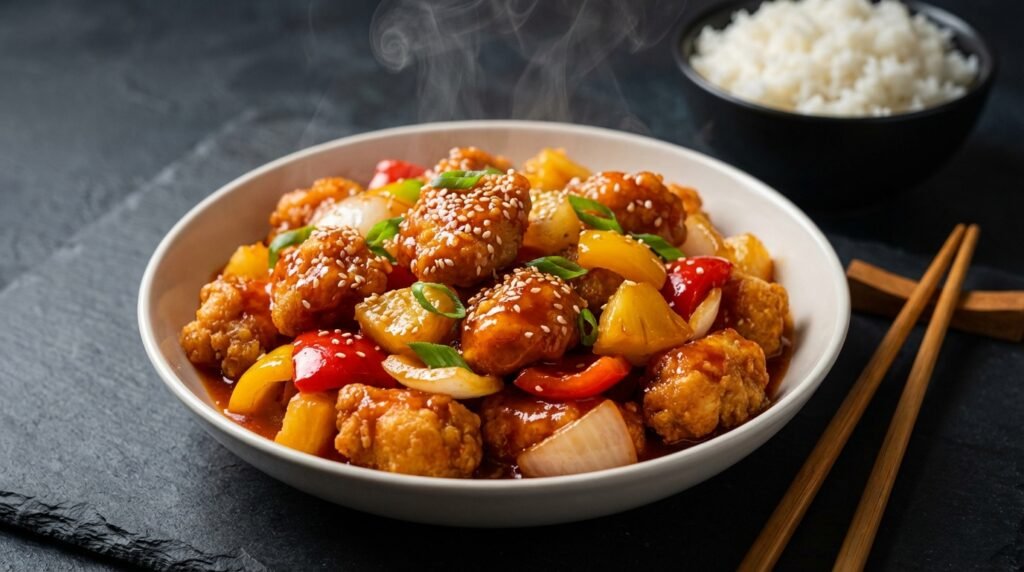
Discover the authentic taste of homemade sweet and sour chicken with our easy-to-follow recipe. Learn about its history, gather the right ingredients, and cook the perfect dish for your next meal.
Introduction to Sweet and Sour Chicken
Sweet and sour chicken is one of those rare dishes that effortlessly bridges cultures and palates. Its striking combination of tangy brightness and gentle sweetness, wrapped around crisp pieces of chicken, has made it a staple in Chinese restaurants and home kitchens worldwide. Whether you are looking for an easy weeknight meal or a centerpiece for a family gathering, a well-crafted sweet and sour chicken recipe delivers both comfort and sophistication.
History and Origin
The roots of authentic sweet and sour chicken can be traced back to traditional Chinese cooking, particularly from regions such as Canton (Guangdong) and Sichuan, where the interplay of sweetness and acidity has long been prized. Early versions of “sweet and sour” dishes used ingredients like rice vinegar and rock sugar to balance flavors. Over time, these preparations evolved, and cooks began pairing the sauce with pork, fish, and later, chicken.
As Chinese communities migrated abroad, especially to North America and Europe, sweet and sour dishes adapted to local tastes. Pineapple, bell peppers, and ketchup entered the culinary picture, giving birth to the bright red, glossy sauce many people now associate with easy sweet and sour chicken. While the modern, restaurant-style version differs from its more understated Chinese counterparts, it still maintains the essence of that original sweet-tart harmony.
Why It’s a Beloved Dish
Sweet and sour chicken is beloved for its balance. The crisp exterior of the chicken contrasts with the tender interior, while the sauce delivers both punch and comfort. The dish appeals to those who enjoy vibrant flavors but prefer moderate heat over intense spices. It is also highly adaptable: it can be made with or without batter, stir-fried quickly for a lighter version, or deep-fried for a more indulgent result.
Another reason homemade sweet and sour chicken is so popular is its versatility at the table. It pairs easily with rice or noodles, integrates well into family-style meals, and pleases both children and adults. When executed correctly, the dish feels both familiar and exciting: familiar because of its widely recognized flavor profile, exciting because each cook can adjust the nuances to suit their own preferences.
Ingredients Needed for Sweet and Sour Chicken
Essential Ingredients
To prepare the best sweet and sour chicken at home, it is important to assemble a balanced set of ingredients. Below is a classic list for a restaurant-style version:
- Chicken: Boneless, skinless breast or thigh meat, cut into bite-sized pieces.
- For the chicken coating (if frying):
- All-purpose flour
- Cornstarch (for extra crispness)
- Salt and white or black pepper
- Eggs (for binding)
- Neutral oil for frying (such as sunflower, canola, or peanut oil)
- Vegetables and additions:
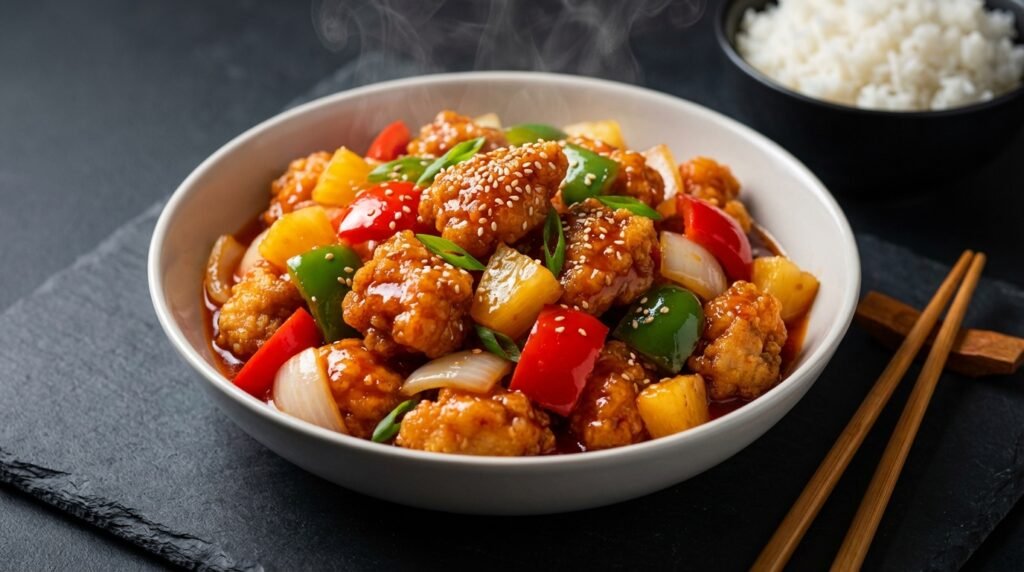
- Red and green bell peppers, cut into chunks
- Onion, preferably white or yellow, sliced or cut into wedges
- Fresh or canned pineapple chunks (in juice, not syrup, for better balance)
- Garlic and ginger, finely chopped or grated
- Sweet and sour chicken sauce base:
- Rice vinegar (or white vinegar if unavailable)
- Ketchup (for color, tang, and mild sweetness)
- Soy sauce
- Brown sugar or white sugar
- Pineapple juice (from the canned pineapple, if using)
- Cornstarch (to thicken the sauce)
- Water or low-sodium chicken stock
These sweet and sour chicken ingredients form a flexible blueprint. You can adjust the sugar and vinegar to tailor the final flavor, or add chili flakes for a subtle kick. The key is maintaining a clear, bright balance rather than overwhelming sweetness.
Selecting the Right Chicken
The choice of chicken profoundly affects the texture of the final dish. For classic, restaurant-style sweet and sour chicken, boneless thigh meat is often preferred. It has slightly higher fat content and remains succulent even after frying. Thighs are particularly forgiving for those new to cooking sweet and sour chicken, as they are less prone to drying out.
Chicken breast, on the other hand, yields a leaner and slightly firmer result. If you choose breast meat, be meticulous about not overcooking it. Cut the pieces uniformly so they cook at the same rate, and avoid excessively small cubes, which can become tough. Whether you opt for thighs or breasts, fresh chicken with good color and a clean smell is essential for achieving a truly perfect sweet and sour chicken.
Step-by-Step Cooking Instructions
Preparing the Chicken
Begin by preparing the chicken pieces so they are ready to cook efficiently and evenly:
- Cut the chicken: Trim excess fat and cut the meat into evenly sized chunks, roughly 2–3 cm (about 1 inch). Pat them dry with paper towels to help the coating adhere and crisp properly.
- Season: Lightly season the chicken with salt and pepper. You may add a small amount of soy sauce and minced garlic for additional depth, but avoid too much liquid, which can soften the coating.
- Prepare the coating: In a bowl, whisk eggs with a pinch of salt. In a separate bowl, combine flour and cornstarch in equal parts, then season with a little more salt and pepper. This blend ensures a light, crisp surface.
- Coat the chicken: Dip each piece of chicken in the egg, then dredge in the flour-cornstarch mixture, shaking off any excess. Place the coated pieces on a plate or tray, ensuring they do not stick together.
- Fry the chicken: Heat the oil in a deep pan or wok to around 175–180°C (350–360°F). Fry the chicken in batches to avoid overcrowding. Cook until golden and crisp, about 4–6 minutes depending on the size of the pieces. Remove with a slotted spoon and drain on a rack or paper towels.
- Optional double-fry: For exceptionally crisp, restaurant-quality homemade sweet and sour chicken, briefly fry the chicken a second time at slightly higher temperature (around 190°C / 375°F) for 1–2 minutes. This step helps the coating stay crunchy when combined with the sauce.
If you prefer a lighter easy sweet and sour chicken, you may skip the batter and instead stir-fry marinated chicken pieces with a small amount of oil until just cooked through. The sauce will cling differently, but the flavors remain compelling.
https://www.teepublic.com/t-shirt/51544755-tennis-sport?store_id=2851997
Making the Sauce
The sauce is the defining element of authentic sweet and sour chicken. It must be vibrant, balanced, and glossy.
- Combine the liquids: In a mixing bowl or measuring jug, combine rice vinegar, pineapple juice, water or chicken stock, soy sauce, and ketchup. Adjust quantities to taste, starting with equal parts vinegar and sugar, then refining the balance.
- Add the sweetness: Stir in sugar, ensuring it dissolves fully. Brown sugar adds a subtle caramel note, while white sugar creates a cleaner, sharper profile.
- Thicken with cornstarch: In a small separate bowl, mix cornstarch with a little cold water to form a smooth slurry. This prevents lumps when added to the hot sauce later.
- Sauté aromatics and vegetables: In a clean wok or large skillet, heat a tablespoon or two of oil. Add minced garlic and ginger and stir-fry briefly until fragrant but not browned. Then add the onions and bell peppers, cooking for a few minutes until just tender-crisp. Finally, add the pineapple chunks and toss together.
- Cook the sauce: Pour the prepared liquid mixture into the wok with the vegetables. Bring to a gentle simmer. Stir the cornstarch slurry again, then drizzle it into the simmering liquid while stirring constantly. The sweet and sour chicken sauce will thicken and become glossy within a minute or two.
- Adjust seasoning: Taste the sauce and fine-tune the balance. If it is too sharp, add a touch more sugar. If too sweet, incorporate a little additional vinegar. The ideal result is bright, tangy, and pleasantly sweet without cloying heaviness.
- Combine with the chicken: Add the fried chicken pieces to the wok and toss swiftly to coat them evenly in the sauce. Work over medium heat and avoid prolonged cooking, which can soften the crisp coating.
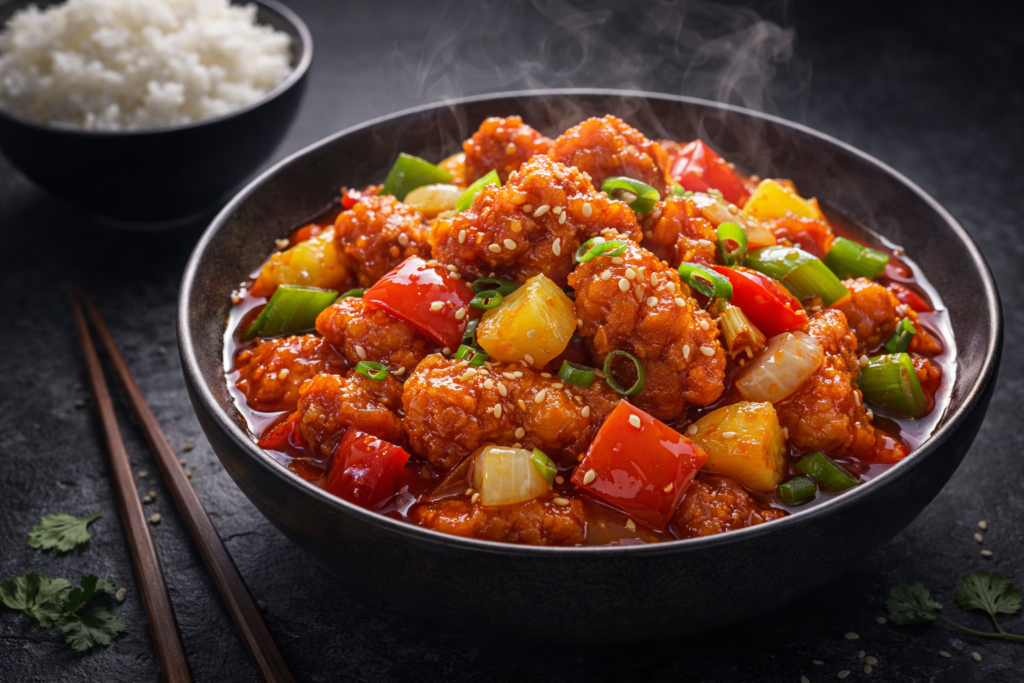
At this stage, the dish should look vibrant and glossy, with each piece of chicken enveloped in sauce and intermingled with colorful vegetables. This is the point at which cooking sweet and sour chicken becomes more art than recipe, as you adjust flavors and textures to reach your own definition of the best sweet and sour chicken.
https://www.teepublic.com/t-shirt/51544749-basket?store_id=2851997
Tips for Perfect Sweet and Sour Chicken
Serving Suggestions
For a balanced meal, serve your sweet and sour chicken immediately, while the coating retains its texture and the sauce remains bright and aromatic. Some serving ideas include:
- Steamed jasmine or basmati rice: The neutral flavor of rice allows the sauce to shine and captures every drop of the glossy glaze.
- Fried rice or egg-fried rice: For a more substantial meal, pair the dish with fried rice, complementing the tangy chicken with savory rice and vegetables.
- Noodles: Lightly seasoned stir-fried noodles or plain egg noodles also work well, especially when you want a varied texture on the plate.
- Accompaniments: Add a simple stir-fried green vegetable such as bok choy, Chinese broccoli, or green beans to provide contrast and freshness.
- Garnishes: Top with thinly sliced spring onions or toasted sesame seeds for additional aroma and visual appeal.
When presenting the dish for guests, use a wide, shallow serving platter to showcase the colors and prevent the chicken from steaming in excess sauce. This small detail helps maintain the ideal texture.
Common Mistakes to Avoid
Even a seemingly straightforward easy sweet and sour chicken can suffer if a few critical points are overlooked. The following are frequent pitfalls and how to avoid them:
- Overcrowding the pan when frying: Frying too many pieces at once lowers the oil temperature, leading to soggy, greasy chicken. Fry in batches and allow the oil to return to temperature between rounds.
- Unevenly cut chicken: Inconsistent sizes cook at different rates, resulting in some pieces that are dry and others undercooked. Strive for uniformity when cutting.
- Excessively thick or thin sauce: Too much cornstarch creates a heavy, gelatinous sauce, while too little yields a watery coating. Add cornstarch slurry gradually and stop as soon as the sauce clings nicely to a spoon and to the chicken.
- Unbalanced flavor profile: A common flaw in homemade sweet and sour chicken is sauce that is either overly sweet or excessively acidic. Always taste and adjust. Aim for a clear, refreshing tang that lifts the palate rather than overwhelming it.
- Letting the chicken sit in the sauce too long: While the chicken must be thoroughly coated, prolonged resting in hot sauce softens the crisp exterior. Combine chicken and sauce shortly before serving for a superior texture.
- Using low-quality oil or reusing oil too many times: Stale or heavily used oil imparts unpleasant flavors. For the clean, bright taste characteristic of authentic sweet and sour chicken, start with fresh, neutral oil.
By avoiding these missteps and respecting each stage of the process—from ingredient selection to final assembly—you significantly increase your chances of producing truly perfect sweet and sour chicken at home.
Conclusion
Sweet and sour chicken endures because it harmonizes contrasting elements: crisp and tender, sweet and tangy, comforting and vibrant. Understanding its origins offers context, but mastering the craft at home is what transforms a familiar restaurant dish into a personal signature. By carefully choosing the right chicken, balancing the sauce, and paying attention to texture, you can create an authentic sweet and sour chicken that rivals or surpasses what you find in most takeaways.
Whether you are preparing an easy sweet and sour chicken for a quick weekday dinner or refining your technique to impress guests, the principles remain the same: quality ingredients, thoughtful preparation, and respect for balance. With these guidelines, you are well equipped to produce a consistently excellent dish—one that will earn its place as a cherished favorite at your table.
Crystal Collector
Combat Protocol
WASD – Move
Mouse – Look around
Left Click – Fire Weapon
R – Reload
Eliminate all hostile units in the sector!
(Works better on computer)
#SweetAndSourChicken, #ChineseCuisine, #HomeCooking, #EasyRecipes, #DinnerInspiration, #AuthenticFlavors, #CrispyChicken, #WeeknightMeals, #Foodie, #CookingAtHome, #AsianFood, #ComfortFood, #RecipeShare, #FoodPhotography, #StirFry