
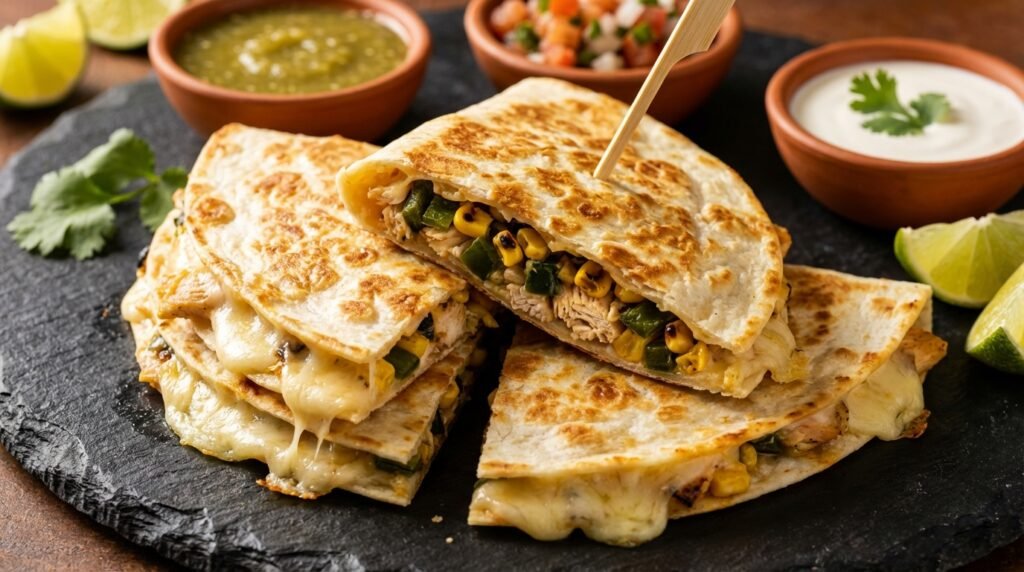
Quesadillas are a cornerstone of Mexican cuisine—deceptively simple yet endlessly versatile. With just a few well-chosen ingredients and proper technique, you can transform this classic dish into a weeknight staple or an elegant appetizer. This guide will walk you through quesadilla history, essential ingredients, a detailed quesadilla recipe, creative variations, and refined serving suggestions so you can perfect your approach at home.
What Are Quesadillas?
At their core, quesadillas are tortillas folded around a savory filling, most notably cheese, then cooked until crisp on the outside and molten within. While they have been reimagined in countless ways around the world, authentic quesadillas remain rooted in Mexican tradition, technique, and regional ingredients.
Origin and History of Quesadillas
The history of quesadillas begins in central and southern Mexico, where corn tortillas—made from nixtamalized maize—formed the basis of the daily diet long before European contact. The concept of filling and folding tortillas likely predates the introduction of dairy, with early versions using beans, squash, and chilies as the primary stuffing.
Cheese arrived with the Spanish in the 16th century and gradually became integrated into local cooking. The word “quesadilla” derives from “queso” (cheese) and the diminutive suffix “-illa,” roughly translating to “little cheesy thing.” Over time, cheese-filled tortillas cooked on a comal became an accessible, portable meal popular among workers, travelers, and families alike.
Regional variations soon developed. In central Mexico, corn tortillas traditionally dominate, while northern states, influenced by wheat cultivation, favor flour tortillas. Street vendors helped spread quesadillas across cities, pairing them with salsas, grilled meats, and fresh vegetables. Today, they range from humble street food to sophisticated restaurant fare, embodying centuries of culinary evolution in a single, comforting dish.
Essential Ingredients for Authentic Quesadillas
While contemporary quesadilla recipes can be elaborate, authentic quesadillas rely on a short list of carefully selected components.
- Tortillas:
- Corn tortillas offer a toasty, aromatic flavor and slightly chewy texture. They are traditional in many regions and ideal for smaller, snack-sized quesadillas.
- Flour tortillas are more pliable and well-suited to larger, restaurant-style quesadillas. They become beautifully golden and crisp when grilled or pan-seared.
- Cheese: The heart of authentic quesadillas is a cheese that melts smoothly without becoming greasy or gummy.
- Queso Oaxaca: Mild, stretchy, and perfect for that classic pull-apart texture.
- Queso Chihuahua or Asadero: Rich, creamy, and excellent for griddling.
- High-quality Monterey Jack or a mild mozzarella can be good substitutes when regional cheeses are unavailable.
- Fat for Cooking:
- Neutral oil (such as canola or grapeseed) ensures even browning and a clean flavor.
- Butter introduces a subtle richness but can burn more easily.
- Lard is traditional in some regions, lending a profound depth of flavor.
- Seasonings and Additions: Even a simple quesadilla benefits from balance.
- Salt and pepper for basic seasoning.
- Sautéed onions, roasted chilies, or fresh herbs to add aromatic complexity.
- Optional proteins like shredded chicken, carne asada, or chorizo for heartier versions.
Starting with these foundational quesadilla ingredients ensures that even the most straightforward preparation delivers robust flavor and the ideal balance of crispness and creaminess.
How to Make the Perfect Quesadilla
Mastering how to make quesadillas hinges on heat control, proper layering, and restraint. The goal is a golden, crisp exterior and a fully melted interior without burnt spots or soggy patches.
Step-by-Step Guide to Cooking Quesadillas
The following method yields consistently excellent results and can be adapted to almost any quesadilla variation.
- Prepare Your Ingredients
- Grate or finely shred your cheese to encourage even melting.
- Pre-cook any fillings (such as vegetables or meat) and remove excess moisture. This prevents the tortilla from steaming and turning limp.
- Season fillings lightly with salt, pepper, and any desired spices.
- Heat the Pan or Griddle
- Use a heavy skillet, cast-iron pan, or flat griddle for even heat distribution.
- Set over medium to medium-low heat. Too high and the tortilla will char before the cheese melts.
- Add a thin layer of oil, butter, or lard, ensuring the surface is lightly coated.
- Warm the Tortilla
- Place a tortilla in the pan for 15–20 seconds per side to soften it slightly.
- This preheating step improves flexibility and helps prevent cracking when folded.
- Assemble in the Pan
- With the tortilla lying flat, sprinkle an even layer of cheese over half the surface, leaving a small border at the edge.
- Add a modest amount of filling on top of the cheese. Avoid overstuffing so the tortilla can fold and seal properly.
- Fold the empty half over the filling to create a half-moon shape, gently pressing with a spatula.
- Cook Slowly and Evenly
- Cook for 2–4 minutes on the first side, pressing lightly with the spatula to ensure full contact with the pan.
- Flip carefully and cook another 2–4 minutes until both sides are golden brown and crisp.
- If the exterior browns too quickly, lower the heat to allow the cheese to melt without burning the tortilla.
- Rest and Slice
- Transfer the quesadilla to a cutting board and let it rest for 1 minute. This helps the cheese set slightly, preventing it from spilling out.
- Slice into wedges using a sharp knife or pizza wheel.
This straightforward approach is a reliable answer to anyone asking how to make quesadillas that are crisp, evenly cooked, and neatly layered.
Common Mistakes to Avoid
Even with a solid technique, a few missteps can compromise the final result. The following are among the best quesadilla tips for preventing common errors.
https://www.teepublic.com/t-shirt/53632903-florart?store_id=2851997
- Overfilling the Tortilla: Excessive cheese or fillings may seem appealing but often leads to uneven cooking, tearing, and spillage. Aim for a modest, even layer.
- Using High Heat: Very high heat scorches the exterior while leaving the cheese partially unmelted. Moderate heat yields better texture and flavor.
- Skipping Pre-Cooking for Moist Fillings: Raw vegetables with high water content (such as mushrooms or spinach) should be sautéed and drained first. Otherwise, they release moisture and create a soggy interior.
- Neglecting Seasoning: Even when using flavorful cheese, a pinch of salt and complementary spices significantly elevates the overall taste.
- Using Thick or Stale Tortillas: Old or overly thick tortillas are prone to cracking and will not crisp evenly. Fresh, pliable tortillas are essential for a well-structured quesadilla.
Avoiding these pitfalls dramatically improves consistency and ensures that your quesadillas are as satisfying as they are simple.
Delicious Quesadilla Variations
Once you master the fundamentals, you can explore an array of quesadilla variations to suit different palates, dietary needs, and occasions. From hearty meat-filled options to vibrant plant-based creations, the format is highly adaptable.
Vegetarian and Vegan Options
A well-crafted vegetarian quesadilla can be as satisfying as any meat-based version, especially when texture and seasoning are thoughtfully considered.
- Roasted Vegetable Quesadilla: Combine roasted bell peppers, zucchini, red onion, and a mild cheese. Add a touch of smoked paprika or chipotle for depth.
- Black Bean and Corn Quesadilla: Use seasoned black beans, charred corn, a sprinkle of cotija or Monterey Jack, and fresh cilantro. This pairing offers protein, fiber, and a pleasing contrast of textures.
- Mushroom and Spinach Quesadilla: Sauté mushrooms until deeply browned, then add spinach just until wilted. Pair with a melty cheese and a hint of garlic.
For vegan diets, dairy-based cheese can be replaced while preserving the structure and indulgence of the dish.
- Vegan Cheese Alternatives: Opt for high-quality plant-based cheeses that melt well, such as those made from cashews or coconut oil. Look for varieties specifically labeled as “melty” or “for pizza.”
- Bean-Forward Fillings: Hearty spreads like refried beans, lentil taco filling, or mashed chickpeas provide richness without dairy.
- Avocado or Cashew Cream: Thin layers of mashed avocado or cashew cream can mimic some of the creaminess of cheese while adding healthy fats.
These plant-based approaches demonstrate how flexible a quesadilla recipe can be while remaining satisfying and nutritionally balanced.
Tips for Adding Unique Flavors
Elevating quesadillas from basic to exceptional often comes down to strategic layering of flavors. Subtle adjustments can completely transform the final result.
- Use Flavored Oils and Fats:
- Brush tortillas lightly with garlic-infused oil or chili oil before cooking.
- Finish with a small pat of herb butter as the quesadilla comes off the pan for aromatic richness.
- Introduce Fresh Herbs and Greens:
- Fold in chopped cilantro, epazote, or green onions right before closing the tortilla.
- Add a handful of arugula or finely shredded cabbage for a peppery, fresh element.
- Experiment with Regional Cheeses:
- Blend different cheeses—such as Oaxaca with a small amount of aged cheddar—for complexity and tang.
- Use a smoked cheese sparingly to impart a subtle barbecue note.
- Play with Sweet and Savory Combinations:
- Pair mild cheese with thinly sliced apple or pear and a drizzle of honey for a dessert-inspired twist.
- Use caramelized onions with sharp cheese and a touch of balsamic reduction.
- Incorporate Global Influences:
- Add a spoonful of pesto, harissa, or chimichurri for a cross-cultural flavor profile.
- Use spiced ground lamb with feta and herbs for a Mediterranean-style quesadilla.
Thoughtful experimentation allows you to develop signature quesadilla flavors while respecting the simple structure that defines this dish.
Serving and Pairing Suggestions
How you present and accompany quesadillas significantly affects the dining experience. Beyond the basic wedge on a plate, consider context, temperature, and complementary flavors when serving quesadillas.
Best Sides to Serve with Quesadillas
Balanced side dishes turn quesadillas into a complete meal, providing contrast in texture and freshness while preventing the plate from feeling overly rich.
- Fresh Salads:
- A simple mixed green salad with lime vinaigrette cuts through the cheesiness.
- Cabbage slaw with cilantro, radish, and a light crema or yogurt dressing offers crunch and brightness.
- Beans and Rice:
- Refried beans or whole black beans seasoned with garlic and cumin add protein and fiber.
- Mexican-style rice with tomato, onion, and broth provides a comforting, aromatic counterpart.
- Grilled or Roasted Vegetables:
- Charred peppers, onions, and squash echo the flavors inside the quesadilla while adding visual appeal.
- Street-style corn (elotes or esquites) with lime, chili powder, and cheese is a festive partner.
- Simple Garnishes:
- Lime wedges, sliced radishes, and chopped cilantro allow diners to customize each bite.
- Pickled jalapeños or quick-pickled onions introduce acidity and a gentle bite.
Choosing sides that offer freshness and acidity helps counterbalance the richness of the cheese, resulting in a more nuanced meal.
Drinks and Dips to Enhance Your Meal
Appropriate beverages and condiments elevate the overall experience, framing quesadillas as the centerpiece of a well-curated spread.
Dips and Sauces
- Salsa Roja: A classic tomato-based salsa, whether raw or roasted, brings a vibrant acidity and moderate heat.
- Salsa Verde: Made from tomatillos, this bright, tangy sauce pairs especially well with chicken or vegetable quesadillas.
- Guacamole: Creamy avocados mashed with lime, cilantro, jalapeño, and onion provide richness and a cool contrast to hot quesadillas.
- Mexican Crema or Sour Cream: A small dollop tempers heat and adds a gentle tang. Mix with lime juice and herbs for a more complex drizzle.
- Pico de Gallo: Fresh tomato salsa with onion, cilantro, and lime offers crisp texture and refreshing juiciness.
Beverage Pairings
- Non-Alcoholic Options:
- Agua frescas such as hibiscus (jamaica), tamarind, or lime complement the flavors without overwhelming them.
- Lightly sparkling water with a squeeze of lime keeps the palate refreshed between bites.
- Beer Pairings:
- Crisp lagers and light pilsners cut through the richness of cheese-based quesadillas.
- For spicier fillings, a slightly hoppier pale ale can stand up to bold flavors.
- Wine and Cocktails:
- A dry Riesling or Sauvignon Blanc plays well with spice, acidity, and herbs.
- Classic margaritas, palomas, or tequila highballs echo the citrus notes often present in salsas and guacamole.
By pairing your quesadillas with thoughtful dips and drinks, you turn a simple dish into a cohesive, memorable experience suited to everyday dinners or special gatherings.
Conclusion
Quesadillas embody the essence of great cooking: simple techniques, quality ingredients, and room for creativity. Understanding their origins, selecting authentic components, and applying careful heat control allows you to produce consistently excellent results. From traditional cheese-filled versions to inventive vegetarian and vegan creations, the possibilities are extensive yet accessible.
By following the methods outlined here—paying attention to texture, balance, and thoughtful pairings—you can refine your own quesadilla recipe and adapt it to any occasion. Whether you are preparing a quick lunch, a family-friendly dinner, or an impressive appetizer for guests, well-crafted quesadillas provide both comfort and culinary sophistication on a single plate.
CrystalCollector
Combat Protocol
WASD – Move
Mouse – Look around
Left Click – Fire Weapon
R – Reload
Eliminate all hostile units in the sector!
(Works better on computer)
My Puzzle