
Athleisure Wear Guide: Definition, Benefits, and Implementation Steps
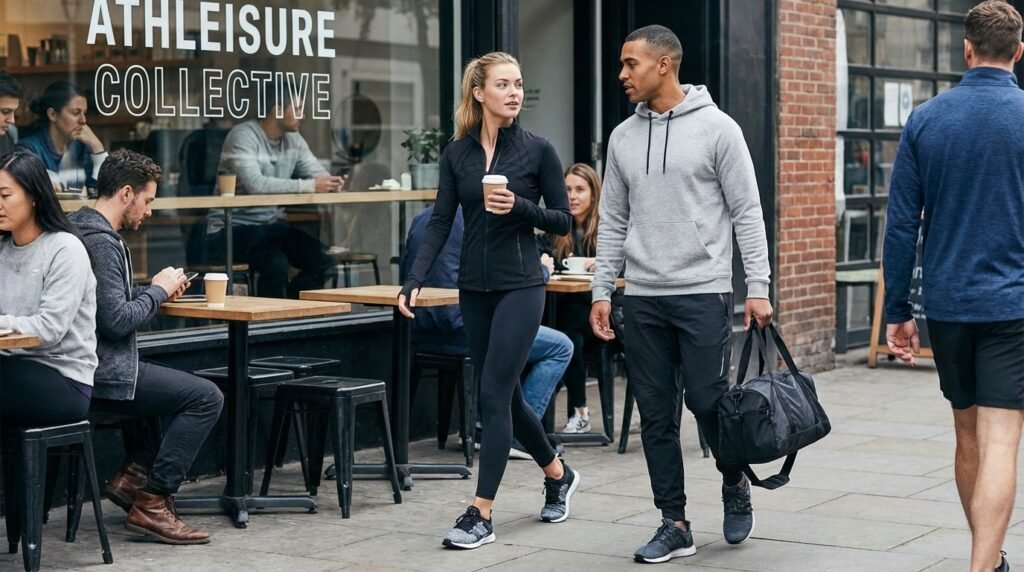
Discover what athleisure wear is and why it’s a modern wardrobe essential. Learn how to choose fabrics, avoid common mistakes, and implement a versatile athleisure strategy for personal style or brand growth.
Athleisure wear has moved far beyond a passing trend. It has become a dominant force in modern wardrobes, reshaping how we think about comfort, performance, and style in everyday life. If you are seeking a clear, authoritative athleisure wear guide that explains what it is, why it matters, and how to integrate it into your lifestyle or brand strategy, this article provides a structured, practical overview.
Whether you are a consumer refining your wardrobe, a beginner exploring athleisure for the first time, or a business looking to capitalize on this fast-growing segment, understanding the fundamentals and best practices of athleisure wear is essential.
Understanding Athleisure Wear: What It Is and Why It Matters
What Is Athleisure Wear?
Athleisure wear is a style of clothing that merges athletic performance features with leisure-oriented design. It is designed to be worn in multiple contexts: during workouts, at the office, on errands, or in social settings. The core idea is versatility: garments that look polished yet feel as comfortable and functional as sportswear.
Typical athleisure pieces include:
- Leggings and yoga pants with moisture-wicking, stretch fabrics
- Technical joggers and track pants with tailored silhouettes
- Performance T-shirts, tanks, and long-sleeve tops that regulate temperature
- Sports bras and crop tops designed for both support and style
- Hoodies, sweatshirts, and zip-ups in premium, breathable materials
- Sneakers that bridge performance and lifestyle aesthetics
Unlike purely athletic gear, athleisure wear emphasizes aesthetics as much as function. Clean lines, neutral palettes, minimalist branding, and elevated fabrics allow these garments to be styled with blazers, denim, or even tailored outerwear. In many ways, athleisure is the intersection of sportswear, streetwear, and casual luxury.
Why Athleisure Wear Is Important for Modern Consumers
Athleisure has become central to how people dress and live, and understanding it is important for several reasons:
- Lifestyle alignment: Remote work, flexible schedules, and wellness-focused living have blurred the boundaries between “gym clothes” and “daywear.” Athleisure wear is tailored to this fluid, dynamic lifestyle.
- Comfort without compromise: Traditionally, comfort often meant sacrificing style. Athleisure allows people to maintain a polished appearance while enjoying the comfort of performance fabrics and ergonomic cuts.
- Health and wellness mindset: Wearing athleisure can subtly reinforce active habits. When your clothing is always “ready” for movement, spontaneous physical activity becomes easier to integrate into your day.
- Market opportunity: For brands and retailers, athleisure represents a robust, growing segment. Understanding what athleisure wear is, what consumers expect, and how to differentiate products is critical for sustained growth.
For individuals, this athleisure wear guide can help you build a wardrobe that supports your lifestyle. For businesses, it offers a foundation to develop collections, marketing campaigns, and long-term strategies that resonate with contemporary expectations.
https://www.teepublic.com/t-shirt/50124444-sumo?store_id=2851997
Key Benefits and Challenges of Athleisure Wear
Core Benefits of Implementing Athleisure Wear
Integrating athleisure wear into your life or product offering brings numerous advantages. Below are some of the most significant benefits of athleisure wear for both consumers and brands.
1. Versatility Across Occasions
Athleisure garments can transition seamlessly from one setting to another. A pair of structured joggers can be worn to a casual meeting, a co-working space, and then straight to a fitness class. This versatility simplifies outfit planning and reduces the need for multiple wardrobe changes throughout the day.
2. Enhanced Comfort and Performance
High-quality athleisure is engineered for movement and comfort. Features often include:
- Moisture-wicking and quick-dry fabrics
- Four-way stretch materials for freedom of movement
- Flat seams or seamless construction to reduce chafing
- Breathable, temperature-regulating textiles
This fusion of style and performance allows you to feel at ease during long workdays, travel, or light exercise without appearing underdressed.
3. Streamlined Wardrobes
A functional athleisure capsule wardrobe can reduce decision fatigue. When most pieces mix and match effortlessly, you need fewer items overall. This approach supports minimalist living and can even align with more sustainable consumption habits.
4. Strong Market Demand for Businesses
For brands, the benefits of athleisure wear include:
- Access to a rapidly expanding demographic that values wellness, convenience, and aesthetics
- Opportunities to innovate in materials, design, and sustainability
- Potential for premium pricing when products deliver clear functional and stylistic value
When developed strategically, athleisure collections can become core revenue drivers and anchor a brand’s identity in a crowded marketplace.
Common Mistakes and Challenges to Avoid
Despite its advantages, athleisure wear comes with challenges. Understanding these obstacles is crucial if you want to adopt or offer athleisure effectively.
1. Confusing Athleisure with Basic Loungewear
One of the most frequent mistakes is treating athleisure as simple sweatpants and old T-shirts. True athleisure requires attention to fit, fabric, and styling. When garments look too casual or worn, they lose the versatility that defines this category.
2. Poor Fabric Choices
Low-quality materials undermine performance and appearance. Common issues include:
- Fabrics that pill, fade, or stretch out quickly
- Insufficient opacity in leggings or tights
- Non-breathable textiles that trap heat or odor
For consumers, this results in discomfort and short-lived garments. For brands, it erodes trust and leads to weak reviews.
3. Imbalanced Design: Too Sporty or Too Formal
Athleisure must strike a careful balance. Pieces that look overly athletic can feel out of place in professional or social settings. Conversely, items that lean too formal and lack performance features fail to deliver the functional promise of athleisure.
4. Neglecting Fit and Size Inclusivity
Athleisure wear should support a broad range of body types. Limited size ranges, inconsistent grading, and poor pattern design alienate potential customers and reduce the practical comfort of the garments.
5. Overlooking Sustainability
Consumers increasingly question the environmental impact of synthetic performance fabrics. Brands that ignore sustainable materials, ethical manufacturing, and transparency risk losing market relevance as awareness continues to grow.
Step-by-Step Guide to Getting Started with Athleisure Wear
Essential Tools and Resources You Need
Knowing how to start with athleisure wear involves understanding both what to buy and how to evaluate quality. Below are key tools and resources for beginners and more seasoned shoppers alike.
1. Foundational Garments
Begin with a small, cohesive set of essentials:
- Performance leggings or joggers: Choose a pair in a neutral color (black, charcoal, navy) with high-stretch, opaque fabric.
- Technical tops: Acquire one or two moisture-wicking T-shirts or long-sleeves suited to your climate.
- Supportive base layers: Sports bras, undershirts, or performance underwear designed for comfort and breathability.
- Layering pieces: A sleek hoodie, zip-up, or bomber jacket that can work with denim or chinos.
- Versatile sneakers: Footwear that looks refined enough for daily wear but offers real support.
2. Fabric and Construction Knowledge
To make sound decisions, familiarize yourself with key textile terms:
- Polyester blends: Durable and quick-drying, often used in performance garments.
- Nylon: Strong, smooth, and abrasion-resistant; ideal for leggings and outerwear.
- Elastane/Spandex: Provides stretch and recovery; essential for form-fitting pieces.
- Technical cotton blends: Combine natural comfort with moisture management and durability.
Inspect garments for flatlock seams, gussets for mobility, reinforced stress points, and quality zippers or drawstrings.
3. Reliable Brands and Marketplaces
Consult reputable sportswear, outdoor, and lifestyle brands that clearly explain fabric technology and care instructions. User reviews, independent product tests, and detailed size guides are valuable resources, especially for athleisure wear beginners.
Actionable Steps to Implement Athleisure Wear Effectively
This step-by-step athleisure wear guide outlines a simple process to build a functional, stylish wardrobe or collection.
Step 1: Define Your Primary Use Cases
Clarify where and how you intend to wear athleisure:
- Home and remote work
- Casual office environments
- Travel and commuting
- Light workouts, yoga, or walking
Your use cases will influence fabric choices, silhouettes, and the balance between sporty and refined aesthetics.
Step 2: Start with a Neutral Color Palette
Begin with neutral tones—black, grey, navy, beige, olive. These shades are easier to mix and match and appear more polished in semi-professional settings. Once you have a solid base, you can introduce accent colors and bolder patterns.
Step 3: Prioritize Fit and Comfort
Try pieces in multiple sizes and pay attention to:
- Waistband comfort and stay-put design
- Stretch without transparency or distortion
- Freedom of movement at knees, hips, and shoulders
- Length appropriate for your height and proportions
Comfort is central to the benefits of athleisure wear. Do not compromise fit simply for aesthetics.
Step 4: Combine Athleisure with Existing Wardrobe Staples
To fully leverage athleisure strategies, pair athletic-inspired pieces with more traditional garments:
- Leggings with a longline blazer and structured handbag
- Technical joggers with a crisp button-down shirt
- Performance sneakers with dark denim and a wool coat
This hybrid styling unlocks the versatility that defines athleisure.
Step 5: Establish a Care Routine
Performance fabrics require appropriate care:
- Wash in cold water with gentle detergents
- Avoid fabric softeners that can clog technical fibers
- Air-dry whenever possible to extend garment life
Proper care preserves fit, elasticity, and color, maximizing the value of your investment.
Step 6: Refine Over Time
As you gain experience, evaluate which items you wear most frequently and in which settings they perform best. Gradually phase out redundant pieces and refine your athleisure wardrobe toward quality, cohesion, and personal expression.
Best Practices and Advanced Strategies for Athleisure Wear
Proven Best Practices for Long-Term Success
To ensure lasting satisfaction and strong performance, consider the following athleisure best practices.
1. Invest in Fewer, Higher-Quality Pieces
Instead of accumulating many low-quality items, select a smaller number of well-constructed garments. They will fit better, last longer, and maintain their appearance. This approach aligns with both sustainability and long-term cost efficiency.
2. Balance Trend-Driven Styles with Timeless Silhouettes
Trends in athleisure—such as bold color blocking, logo-heavy branding, or specific fits—come and go. Anchor your wardrobe with timeless cuts and muted colors, then layer on a few trend-led items to keep your look current without constant overhaul.
3. Consider Climate and Seasonality
Tailor your athleisure strategy to your environment:
- Warm climates benefit from lightweight, breathable, UV-protective fabrics.
- Colder regions require insulating layers, wind-resistant shells, and thermal leggings.
This ensures year-round practicality while maintaining a consistent style identity.
4. Maintain a Cohesive Aesthetic
Decide on an overarching aesthetic—minimalist, sporty-luxe, streetwear-inspired, or eco-conscious—and select items that align with it. A cohesive visual language makes mixing and matching effortless and gives your wardrobe or brand a clear personality.
Advanced Tips, Examples, and Optimization Strategies
Once you have mastered the basics, these advanced athleisure tips and strategies can help you elevate your approach, whether you are refining a personal style or developing a brand offering.
1. Use Layering to Transition Across Contexts
Layering is a powerful way to optimize athleisure wear throughout the day:
- Office-ready example: Wear tailored black joggers, a performance T-shirt, and a structured blazer. Remove the blazer for a lunchtime walk or quick workout.
- Travel example: Combine compression leggings, a longline hoodie, and a lightweight technical trench. You remain comfortable on flights while looking presentable upon arrival.
Strategic layering allows for rapid adaptation to temperature changes and dress codes.
2. Highlight One Performance Feature per Outfit
To avoid an overly athletic appearance, select one or two visibly sporty elements per look, such as:
- Technical sneakers
- A performance-fabric top
- High-stretch bottoms
Pair these with more classic pieces—like wool coats, denim jackets, or structured knitwear—to maintain equilibrium.
3. Integrate Sustainable and Innovative Materials
For both consumers and brands, exploring next-generation materials is a compelling strategy:
- Recycled polyester or nylon derived from post-consumer waste
- Plant-based fibers blended with technical yarns
- Biodegradable or low-impact dyes and finishes
This not only reduces environmental impact but can also serve as a strong differentiator in a crowded market.
4. Apply Data and Feedback for Optimization (For Brands)
Businesses developing athleisure collections should leverage data-driven strategies:
- Analyze customer reviews to identify recurring fit or durability issues.
- Track sell-through rates by size, color, and fabrication to refine future lines.
- Run small test batches of new silhouettes or materials before full-scale production.
These athleisure wear strategies help optimize product offerings, align stock with real demand, and minimize waste.
5. Personalize Athleisure for Specific Activities
As you become more familiar with athleisure wear, consider tailoring certain outfits to particular activities:
- Work-focused sets: Slim joggers, monochrome tops, and minimalist sneakers for a polished, comfortable workday uniform.
- Active commuting: Weather-resistant outerwear, reflective details, and breathable layers for cycling or walking to work.
- Weekend leisure: Relaxed fits, soft brushed fabrics, and subtle prints that balance comfort with style.
This targeted approach ensures you always have an appropriate outfit ready, eliminating guesswork.
Conclusion
Athleisure wear is more than a fashion movement; it is a response to evolving lifestyles that prioritize flexibility, health, and comfort without compromising aesthetics. Understanding what athleisure wear is, its core benefits, and the challenges it presents enables you to adopt it intentionally rather than by accident.
By starting with a focused set of essential garments, paying attention to fabrics and fit, and following proven best practices, you can build a refined athleisure wardrobe that serves you across work, fitness, and leisure. For brands, a strategic approach—centered on quality, sustainability, and clear positioning—can transform athleisure from a trend into a durable growth pillar.
Use this athleisure wear guide as a framework. Refine it according to your needs, draw on the examples and tips provided, and continue exploring new materials and styling techniques. Over time, you will develop an athleisure strategy that aligns seamlessly with your daily routines, aesthetic preferences, and long-term goals.
Luxury Fashion Design: The Complete Step-by-Step Industry Guide
How Interior Design Influences Mood and Productivity
Interior Design Styles Explained: From Classic to Contemporary
The Ultimate Guide to Futuristic Fashion Design
Crystal Collector
Combat Protocol
WASD – Move
Mouse – Look around
Left Click – Fire Weapon
R – Reload
Eliminate all hostile units in the sector!
(Works better on computer)