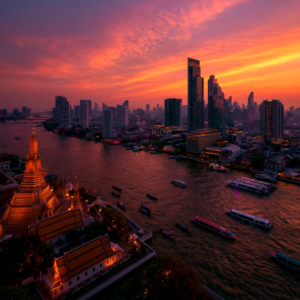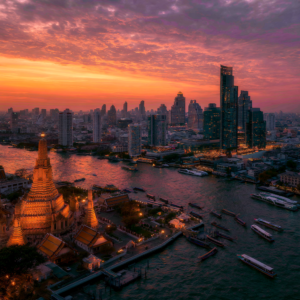
Uncover the dazzling duality of Bangkok with our expert look into historic landmarks, legendary culinary scenes, and practical travel advice.
Bangkok captivates visitors with its dazzling contrasts. Towering glass skyscrapers rise above centuries-old temples, while luxury malls stand steps away from labyrinthine street markets. The Thai capital offers a sensory overload of sounds, colors, and flavors, yet beneath the surface lies a remarkably coherent and welcoming city. This guide explores Bangkok’s character, its most compelling attractions, its vibrant food scene, and practical advice to help you experience the city with confidence.
Discovering Bangkok: A City of Contrasts
The Blend of Tradition and Modernity
Bangkok is often described as a place where the past and present coexist in constant dialogue. Ornate Buddhist temples and royal palaces preserve centuries of history, standing in sharp contrast to bold, futuristic architecture and neon-lit entertainment districts. This juxtaposition is not accidental; it reflects how Bangkok has grown from a trading post along the Chao Phraya River into a major global metropolis while maintaining a deep respect for Thai culture.
In many neighborhoods, you can witness this duality within a single city block. A tranquil shrine may share a street with a contemporary art gallery, while traditional wooden houses sit in the shadow of sleek condominiums. Amid rapid development, customs such as daily offerings to spirit houses, intricate wai greetings, and temple fairs remain integral to everyday life. For visitors, this creates a dynamic environment where cultural immersion and modern convenience are always within reach.
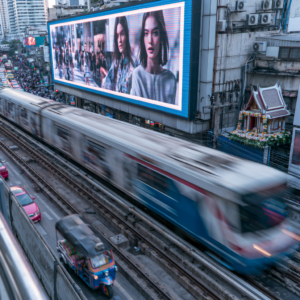
Bangkok’s lifestyle also reflects this blend. Residents commute on elevated trains and hail app-based taxis, yet pause for evening prayers or join family meals at humble street-side food stalls. Trendy rooftop bars overlook neighborhoods where local markets still dictate the rhythm of the day. The result is a city that feels both forward-looking and deeply rooted, cosmopolitan yet unmistakably Thai.
https://www.teepublic.com/t-shirt/63596713-sport-kid?store_id=2851997
A Geographic Overview of Bangkok
Understanding Bangkok’s layout helps transform what can feel like a sprawling maze into an accessible urban landscape. The city spreads out on either side of the Chao Phraya River, which serves as a natural reference point for navigation. Historic sites and many of the most famous temples cluster near the riverbanks, particularly in the Rattanakosin and Thonburi areas.
Rattanakosin, often referred to as the Old City, houses the Grand Palace, Wat Pho, and the National Museum. Its narrow streets and low-rise architecture contrast sharply with the business districts of Sathorn and Silom, where high-rise offices, international hotels, and embassies dominate the skyline. To the east, Sukhumvit stretches for kilometers, lined with shopping complexes, residential towers, and a wide variety of dining and nightlife options.
Further north, the Victory Monument area and Chatuchak are key transportation and commercial hubs, with the vast Chatuchak Weekend Market drawing locals and tourists alike. On the western bank of the river, Thonburi offers a quieter, more residential feel, dotted with canals and less-touristed temples. While traffic can be heavy throughout the city, the combination of river boats, skytrain (BTS), and subway (MRT) makes it feasible to explore Bangkok’s diverse districts with planning and patience.
Top Attractions in Bangkok
Iconic Temples to Visit
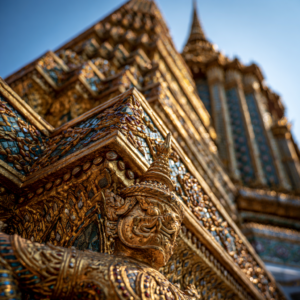
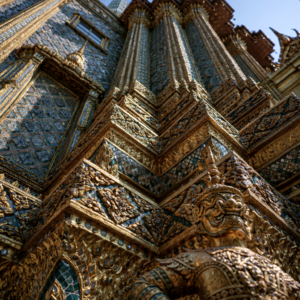
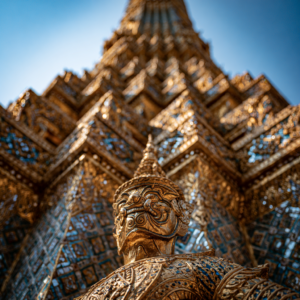
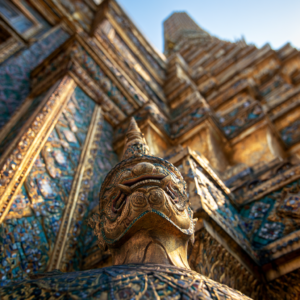
Bangkok’s temples are not only architectural masterpieces but also active places of worship that offer insight into Thai spirituality and aesthetics. Any first-time visit should include the Grand Palace and Wat Phra Kaew, home to the revered Emerald Buddha. The complex’s gilded stupas, intricate murals, and manicured courtyards showcase the pinnacle of royal craftsmanship and religious art in Thailand.
Just a short walk away, Wat Pho is renowned for its monumental Reclining Buddha, a 46-meter-long statue adorned with mother-of-pearl inlays on its feet. The temple grounds host dozens of chedis and a traditional massage school, making it an ideal place to experience both religious heritage and classic Thai massage. Early morning visits offer a calmer atmosphere and softer light for photography.
Across the river, Wat Arun stands as one of the city’s most iconic silhouettes. Its central prang (tower) is decorated with porcelain fragments and seashells, which catch the sunlight in ever-changing patterns. Climbing the steep steps rewards visitors with sweeping views over the Chao Phraya and the Old City. Further afield, Wat Saket (the Golden Mount) offers a more contemplative experience; a gentle ascent up its circular staircase leads to a hilltop shrine and panoramic vistas of Bangkok’s low-rise neighborhoods.
Navigating Bangkok’s Markets
Markets are integral to Bangkok’s identity, providing a window into local tastes, daily routines, and commerce. Each market has its own personality, and exploring a variety of them reveals the city’s many layers. The Chatuchak Weekend Market, one of the largest in the world, is a sprawling labyrinth of more than 10,000 stalls selling everything from antiques and handicrafts to fashion, plants, and street food. A map or a clear sense of priority is helpful to avoid becoming overwhelmed.
For a more traditional atmosphere, consider visiting one of the city’s floating markets located on the outskirts, such as Damnoen Saduak or Amphawa. Although some have become tourist-oriented, they still offer a glimpse into the canal-based commerce that once defined the region. Vendors sell fresh fruit, coconut desserts, and noodle dishes directly from wooden boats, and nearby temples and villages add depth to the excursion.
Within the city center, night markets and walking streets complement the daytime offerings. Asiatique combines a riverside promenade with open-air shopping and dining, appealing to those who prefer a more structured, family-friendly environment. Chinatown’s markets, on the other hand, are dense and animated, filled with gold shops, herbal pharmacies, street food stalls, and wholesale goods. Wherever you go, bargaining is expected in most traditional markets, and a polite, patient approach typically yields better prices and more pleasant interactions.
Culinary Experiences in Bangkok
Street Food Delights
Bangkok’s street food culture is legendary, and for many travelers it becomes a highlight of their stay. Stalls and informal eateries line sidewalks, providing quick, flavorful meals at almost any hour. From dawn to late night, vendors specialize in dishes perfected over generations, demonstrating a deep understanding of balance between sweet, sour, salty, and spicy flavors.
Popular options include pad thai cooked to order in smoking woks, grilled pork skewers seasoned with lemongrass, aromatic bowls of tom yum, and silky boat noodles enriched with herbs and spices. Som tam (green papaya salad) showcases the interplay of texture and heat, while mango sticky rice remains a beloved dessert that captures the essence of Thai tropical produce. Each neighborhood has its own celebrated stalls, making exploration part of the enjoyment.
Ultimate Hvar Island Travel Guide: In Croatia
Areas such as Yaowarat (Chinatown), Victory Monument, and the side streets off Sukhumvit are especially renowned for their variety. While hygiene standards for street food in Bangkok are generally reliable, choosing busy stalls with high turnover, observing how food is handled, and opting for freshly cooked dishes can further reduce risk. Sampling street food is not only economical; it is one of the most direct ways to engage with local life and culinary heritage.
Fine Dining in the City
Beyond street stalls and casual eateries, Bangkok has firmly established itself as a destination for sophisticated dining. An increasing number of restaurants in the city are regularly recognized by international guides and rankings, offering innovative interpretations of Thai cuisine as well as exceptional global fare. Many chefs draw inspiration from traditional recipes and local ingredients, presenting them in contemporary formats that appeal to discerning diners.
High-end Thai restaurants often emphasize regional diversity, featuring dishes from the north, northeast, and southern provinces, each with distinct flavor profiles. Menus may highlight seasonal produce, artisanal fish sauces, and heirloom rice varieties, paired with curated wine lists or inventive cocktails. For visitors, this provides an opportunity to experience Thai food with a new level of refinement while still respecting its foundations.
In parallel, Bangkok excels in international gastronomy. Italian trattorias, Japanese omakase counters, modern French bistros, and plant-based fine dining options coexist in business districts and upscale residential areas. Rooftop venues on Sathorn or along Sukhumvit Road combine elevated cuisine with panoramic vistas of the skyline. Reservations are recommended for popular restaurants, and smart-casual attire is typically expected in most fine dining establishments.
Tips for Traveling in Bangkok
Best Time to Visit Bangkok
Bangkok’s tropical climate means it is warm year-round, but certain periods are more comfortable than others. The coolest and driest months generally extend from November to February, when temperatures are comparatively mild and humidity is lower. This season aligns with peak tourist travel, resulting in higher accommodation rates and more crowded attractions, yet it offers the most pleasant conditions for walking tours and outdoor exploration.
From March to May, temperatures climb significantly, and midday heat can be intense. Travelers who do not mind the warmth may benefit from fewer crowds at some sites, provided they schedule outdoor activities for early mornings or late afternoons and stay well hydrated. Air-conditioned malls, museums, and cafes become valuable retreats during the hottest hours of the day.
The rainy season typically spans June to October, with short but heavy showers in the afternoon or evening. While downpours can disrupt plans and exacerbate traffic congestion, they rarely last all day. Those visiting during this period often enjoy lower prices and a more relaxed atmosphere. Packing lightweight rain gear, quick-drying clothing, and waterproof bags for electronics helps mitigate the inconvenience of sudden storms.
Transportation Options Within the City
Navigating Bangkok efficiently involves understanding the strengths of each transportation mode and combining them strategically. The BTS Skytrain and MRT subway form the backbone of public transit for visitors. These systems are clean, air-conditioned, and relatively easy to use, connecting major commercial districts, shopping centers, and some key tourist areas. Purchasing a stored-value card can simplify repeated journeys and reduce time spent in ticket queues.
Where rail networks do not reach, taxis and ride-hailing services become practical alternatives. Taxis are abundant, but it is advisable to insist on using the meter to avoid inflated fares. Ride-hailing apps offer transparent pricing and the convenience of cashless payment, though demand can spike during peak hours. For shorter distances in congested zones, motorcycle taxis provide a faster, albeit more exposed, option best suited to those comfortable with this mode of travel and with appropriate safety considerations.
The Chao Phraya Express Boat and various ferries present a scenic and often efficient way to move between riverside attractions. Boat stops near the Grand Palace, Wat Arun, and several markets allow travelers to bypass road traffic while enjoying views of traditional houses, warehouses, and modern developments along the riverbanks. Tuk-tuks, while emblematic of Bangkok, are best approached as a cultural experience rather than a primary transport solution; agreeing on a fare beforehand and using them for short trips can make them a pleasant part of the journey.
Ultimate Kotor, Montenegro Travel Guide
Given Bangkok’s size and traffic, planning routes in advance, checking travel times, and allowing buffers in schedules helps avoid frustration. Combining public transit, river transport, and selected taxi or ride-hailing journeys enables visitors to experience the city’s diversity without being overwhelmed by its complexity.
Bangkok rewards curiosity and open-mindedness. Its intricate blend of historic temples, bustling markets, cutting-edge dining, and modern infrastructure creates an urban landscape that is both challenging and deeply rewarding to explore. By understanding its geography, embracing its culinary variety, and approaching transportation and timing with foresight, travelers can navigate the city with ease and appreciation. Whether you are drawn by cultural heritage, contemporary lifestyle, or the promise of unforgettable flavors, Bangkok offers a rich, multilayered experience that lingers long after the journey ends.
CrystalCollector
Combat Protocol
WASD – Move
Mouse – Look around
Left Click – Fire Weapon
R – Reload
Eliminate all hostile units in the sector!
(Works better on computer)