
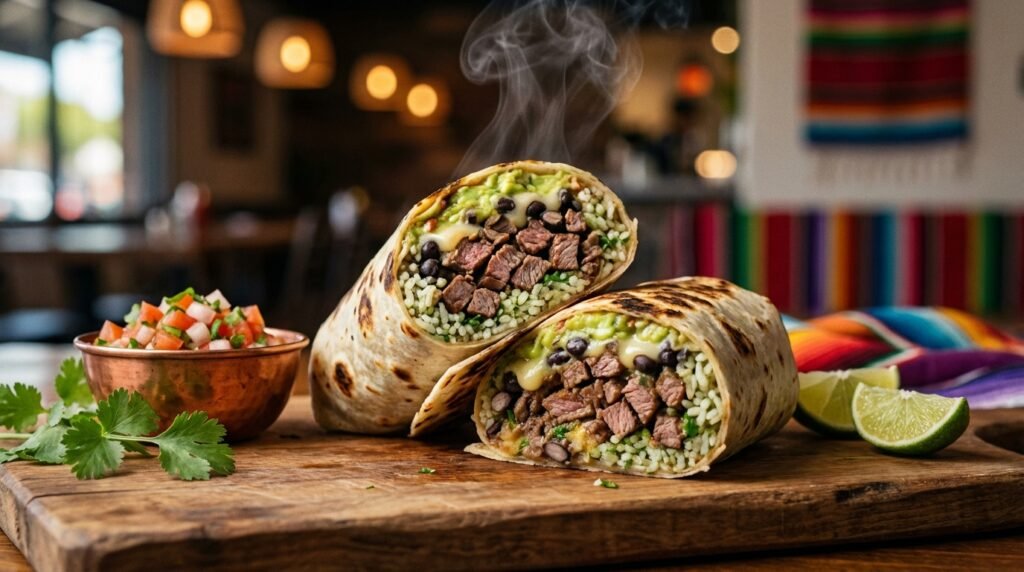
Discover the world of burritos with our guide to history, types, making at home, top U.S. spots, and nutritional benefits. Perfect for any burrito lover!
Burritos have become a staple of modern dining, from quick lunches to indulgent late-night meals. More than just a convenient handheld dish, they represent a fascinating fusion of tradition, regional variation, and culinary creativity. Whether you are searching for authentic burritos, experimenting with new burrito recipes, or simply trying to understand burrito nutrition facts, this guide offers a structured overview of everything you need to know.
What Are Burritos?
At their core, burritos are flour tortillas wrapped around a flavorful filling. Unlike tacos, which are usually smaller and open-faced, burritos are tightly rolled and often larger, designed to contain a full meal in a single package. They can be simple and rustic, or lavishly stuffed and smothered, making them one of the most versatile dishes in Mexican and Mexican-American cuisine.
History and Origins
The history of burritos is closely tied to the evolution of Mexican cuisine in northern Mexico and the border regions. While some legends trace their origins back to the Mexican Revolution, with street vendors wrapping food in tortillas for portability, historical records suggest that burritos emerged more concretely in the early 20th century in border states such as Chihuahua and Sonora.
The term “burrito,” literally meaning “little donkey” in Spanish, is believed to reference either the pack rolls carried by donkeys or the idea of a “burden” of ingredients wrapped inside a tortilla. Early burritos were modest, often filled with simple combinations like beans, meat, and chili. These early versions prioritized practicality: food that was easy to carry, stayed warm, and could be eaten without plates or utensils.
As Mexican migrants and restaurateurs brought their culinary traditions into the United States, especially into California and Texas, the burrito gradually transformed. Larger flour tortillas became the norm, and fillings diversified to include rice, cheese, sour cream, and a variety of meats. This evolution gave rise to many of the burrito styles popular today, blending Mexican burrito history with local American tastes and ingredients.
Popular Types of Burritos
Burritos vary significantly by region and culinary tradition. Understanding the main styles helps you appreciate the range of authentic burritos as well as more contemporary interpretations.
- Traditional Northern Mexican Burrito: Typically smaller and simpler than its U.S. counterpart. Common fillings include stewed meats, refried beans, and chiles. Rice is not always included, and the focus is on a few high-quality components.
- Mission-Style Burrito (San Francisco): Famous for its large size and abundant fillings. A Mission burrito usually includes rice, beans, meat, cheese, salsa, sour cream, and guacamole, all wrapped in a sizeable flour tortilla and often foil-wrapped. This is the style most commonly reproduced in modern burrito chains.
- California Burrito (San Diego): A regional favorite that traditionally contains carne asada, French fries, cheese, and salsa, sometimes with guacamole or sour cream. Rice and beans are optional or omitted, placing emphasis on meat and potatoes.
- Breakfast Burrito: Typically filled with scrambled eggs, potatoes, cheese, and sometimes bacon, sausage, or chorizo. Often served with salsa or hot sauce, breakfast burritos have become a popular morning option across the U.S.
- Wet or Smothered Burrito: After being rolled, the burrito is covered in a sauce—such as red enchilada sauce or green tomatillo salsa—and topped with melted cheese. This style is usually eaten with a knife and fork.
- Vegetarian and Vegan Burritos: Centered on ingredients like black beans, pinto beans, grilled vegetables, rice, tofu, or plant-based meat substitutes. These versions offer healthy burrito options without sacrificing flavor.
Each of these styles embodies a different approach to burrito recipes, demonstrating how a single concept can yield countless interpretations.
How to Make the Perfect Burrito at Home
Homemade burritos allow you to control quality, customize flavors, and fine-tune burrito ingredients to suit your preferences and dietary needs. Producing a truly satisfying burrito at home depends on selecting good components and mastering the technique of assembly and rolling.
Essential Ingredients
While fillings can be endlessly adapted, certain elements tend to define well-constructed homemade burritos:
- Tortillas: Use large, pliable flour tortillas (10–12 inches). Look for tortillas that are soft, fresh, and sturdy enough to hold generous fillings without tearing.
- Protein: Common proteins include grilled chicken, carne asada (grilled marinated steak), carnitas (slow-cooked pork), barbacoa (braised beef), chorizo, or sautéed vegetables for a vegetarian base. Proper seasoning—often with cumin, garlic, chili powder, and lime—is crucial.
- Beans: Pinto or black beans, either whole or refried, add body and fiber. Seasoned beans make a considerable difference in overall flavor, so do not neglect salt, aromatics, and spices.
- Rice: Mexican-style rice or cilantro-lime rice helps balance moisture and adds substance. Ensure the rice is fluffy rather than sticky to avoid a heavy, dense burrito.
- Cheese: Shredded cheddar, Monterey Jack, or a Mexican cheese blend melts well. For a more authentic note, consider adding queso fresco or Oaxaca cheese.
- Salsa and Sauces: Pico de gallo, salsa roja, salsa verde, or a smoky chipotle salsa introduce acidity and brightness. A small amount of sour cream or plain yogurt can add creaminess.
- Fresh Elements: Ingredients such as shredded lettuce, diced tomato, onion, cilantro, and avocado or guacamole contribute texture and contrast.
- Seasonings and Extras: Lime wedges, hot sauce, and pickled jalapeños allow each diner to intensify flavor to taste.
Balancing these ingredients is central to achieving not only excellent flavor but also favorable burrito nutrition facts, especially if you are interested in lighter or healthier burrito alternatives.
Step-by-Step Guide
Making burritos at home is straightforward if you follow a clear sequence. Below is a step-by-step process to help you produce consistent results.
- Prepare the Components:
- Cook your chosen protein, ensuring it is well seasoned and tender. Slice or shred it into bite-sized pieces.
- Prepare rice, preferably slightly al dente, and lightly season it with salt, lime juice, or herbs.
- Heat and season beans with aromatics such as garlic, onion, cumin, or chili powder.
- Chop fresh vegetables and prepare any salsas in advance to streamline assembly.
- Warm the Tortillas:
Briefly heat tortillas on a dry skillet or directly over a low gas flame for a few seconds on each side. They should be warm and flexible, not crispy. Warm tortillas are far less likely to crack or tear when rolled.
- Layer the Filling:
Place the tortilla on a flat surface. Add a modest line of rice slightly off-center, followed by beans, protein, cheese, and any additional fillings. Keep ingredients aligned in a log shape. Avoid overstuffing; a balanced burrito is easier to roll and eat.
- Add Salsas and Creamy Elements:
Spoon salsa, guacamole, and a small amount of sour cream or yogurt over the main fillings. Distribute evenly but sparingly to prevent sogginess.
- Fold and Roll:
- Fold the sides of the tortilla inward over the edges of the filling.
- Grip the edge closest to you, tuck it over the filling, and roll tightly away from you, keeping the sides tucked in.
- Continue rolling until the burrito is sealed. A tight roll keeps ingredients compact and prevents leakage.
- Toast the Burrito (Optional but Recommended):
Place the rolled burrito seam-side down on a warm skillet or griddle. Toast for 1–2 minutes per side until lightly browned. This step adds texture and helps seal the seam.
- Serve and Customize:
Slice the burrito in half if desired and serve with extra salsa, lime wedges, and hot sauce on the side. Encourage guests to add condiments according to taste.
With practice, you will refine your own signature homemade burritos, adapting fillings and proportions to create the ideal flavor and texture balance.
Best Places to Buy Burritos in the U.S.
While cooking at home is rewarding, exploring the best burrito restaurants across the United States can introduce you to new styles and techniques. From established burrito chains to neighborhood taquerias, the range of options is extensive.
Top Burrito Chains
Several national and regional burrito chains have popularized the customizable burrito format, making it accessible in many cities.
- Chipotle Mexican Grill: Widely credited with bringing customizable burritos to the mainstream, Chipotle prioritizes identifiable ingredients and a straightforward menu. Customers choose from various proteins, rice, beans, salsas, and toppings to build their own burritos or bowls.
- QDOBA Mexican Eats: Similar in concept to Chipotle, QDOBA offers a wide choice of salsas, queso, and specialty burritos. The brand is known for its generous toppings and the ability to add guacamole or queso without additional charges at many locations.
- Moe’s Southwest Grill: Moe’s differentiates itself with a broader Southwestern approach, serving burritos with creative names and an array of toppings, along with complimentary chips and salsa.
- Del Taco and Taco Bell: Though known primarily for tacos and other fast-food items, both chains feature multiple burrito options, ranging from classic bean and cheese to more elaborate grilled varieties. They may not always represent authentic burritos, but they are convenient and widely available.
These burrito chains provide consistency and accessibility, making them popular choices for quick meals. However, truly memorable burrito experiences often come from smaller, independent establishments.
https://www.teepublic.com/t-shirt/52374105-duck?store_id=2851997
Local Hidden Gems
Across the U.S., local taquerias and family-run restaurants often serve exceptional, authentic burritos that reflect regional Mexican traditions and generations of culinary knowledge. Identifying these hidden gems requires a bit of research and curiosity.
- Regional Mexican Restaurants: In cities with significant Mexican and Latin American communities, seek out neighborhood spots that emphasize traditional preparations. Look for menus featuring regional specialties such as cochinita pibil, birria, or barbacoa, which often translate beautifully into burrito fillings.
- Food Trucks and Pop-Ups: Many innovative burrito recipes emerge from food trucks and small pop-up operations. These businesses frequently experiment with fusion fillings, seasonal ingredients, and inventive sauces while still honoring core burrito principles.
- University and Downtown Districts: Areas near universities and downtown centers often host affordable, high-quality burrito stands or casual eateries catering to students and office workers. Long lines at lunch or late at night can be a useful indicator of quality.
- Community Recommendations: Ask locals, consult community forums, or reference city-specific food blogs focused on Mexican cuisine. These sources are often more reliable than generic ratings when searching for the best burrito restaurants in a particular area.
Exploring a mix of established burrito chains and lesser-known neighborhood venues will deepen your understanding of how diverse and dynamic burrito culture has become in the United States.
The Ultimate Guide to Authentic Tacos: History, Recipes, and Global Culture
Pad Thai: The Ultimate Guide to Thailand’s National Noodle Dish
Health Benefits and Nutritional Information
Burritos can range from relatively light and balanced to extremely indulgent, depending on their size, fillings, and toppings. Understanding burrito nutrition facts allows you to make informed choices that align with your health goals without giving up the pleasure of a well-made burrito.
Nutritional Breakdown
The nutritional profile of a burrito depends on its composition. A typical large burrito may contain a substantial number of calories, primarily due to the tortilla size and dense fillings. However, when constructed thoughtfully, burritos can provide a balanced combination of macronutrients and essential vitamins.
- Carbohydrates: Tortillas, rice, and beans contribute the bulk of the carbohydrates. Whole-grain or whole-wheat tortillas and moderate portions of rice offer sustained energy and dietary fiber.
- Protein: Beans and meats such as chicken, steak, or pork provide significant protein, which supports muscle maintenance and satiety. Vegetarian burritos can achieve ample protein through beans, lentils, tofu, or plant-based meats.
- Fats: Cheese, sour cream, and guacamole add fats, which can range from saturated fats (from dairy and certain meats) to healthier monounsaturated fats (from avocados and some oils). Moderation is key, especially with high-calorie toppings.
- Fiber: Beans, whole grains, and vegetables substantially increase fiber content, aiding digestion and helping stabilize blood sugar levels.
- Micronutrients: Fresh vegetables, salsas, and legumes contribute vitamins A, C, and K, as well as minerals like iron, potassium, and magnesium.
As a broad estimate, a standard restaurant-style burrito can range from 600 to well over 1,000 calories. Those seeking healthy burrito options should pay attention to portion size, frequency of consumption, and the proportion of high-calorie additions such as cheese and sour cream.
Healthier Burrito Alternatives
Adjusting burrito ingredients and preparation methods can transform a heavy meal into a more balanced, nutrient-dense option. Below are strategies to create healthier burrito alternatives at home or when ordering out.
- Choose Smaller Tortillas: Opt for medium-sized or whole-wheat tortillas instead of oversized versions. This simple change can reduce total calories and refined carbohydrates.
- Prioritize Lean Proteins: Select grilled chicken, fish, or lean steak rather than heavily marbled or fried meats. For plant-based eaters, beans, lentils, and tofu offer lower-fat protein sources.
- Use Beans Strategically: Beans provide protein and fiber but can be calorie-dense when refried with lard or added fats. Choose whole black beans or pinto beans cooked with minimal oil for a lighter profile.
- Moderate Rice Portions: Limit rice or replace part of it with extra vegetables. Alternatively, choose brown rice or another whole grain for better fiber content.
- Control High-Fat Toppings: Use smaller amounts of cheese and sour cream, or substitute plain Greek yogurt for sour cream. Rely more on salsa, fresh vegetables, and herbs to deliver flavor.
- Emphasize Vegetables: Add generous portions of grilled peppers, onions, zucchini, corn, or leafy greens. These ingredients increase volume, micronutrients, and fiber while keeping calorie density relatively low.
- Consider Burrito Bowls: When dining out, ordering a burrito bowl instead of a wrapped burrito eliminates the tortilla’s calories and allows for greater emphasis on vegetables and lean proteins.
By incorporating these adjustments, burritos can fit comfortably into a health-conscious diet, especially when prepared at home where you control every ingredient.
In conclusion, burritos represent a remarkable intersection of history, culture, and culinary innovation. From their origins in northern Mexico to their reinterpretation across U.S. cities, they have evolved into a versatile canvas for both traditional and inventive burrito recipes. Whether you pursue truly authentic burritos, design your own homemade burritos with carefully selected ingredients, or explore the best burrito restaurants and burrito chains in your area, this iconic dish offers nearly endless possibilities. With a thoughtful approach to burrito nutrition facts and ingredient choices, burritos can be enjoyed not only as a comfort food classic but also as a satisfying, balanced meal tailored to your personal tastes and nutritional goals.
Zoo-doku
CrystalCollector
Combat Protocol
WASD – Move
Mouse – Look around
Left Click – Fire Weapon
R – Reload
Eliminate all hostile units in the sector!
(Works better on computer)