
Master Casual Everyday Fashion: A Results-Driven Wardrobe Strategy
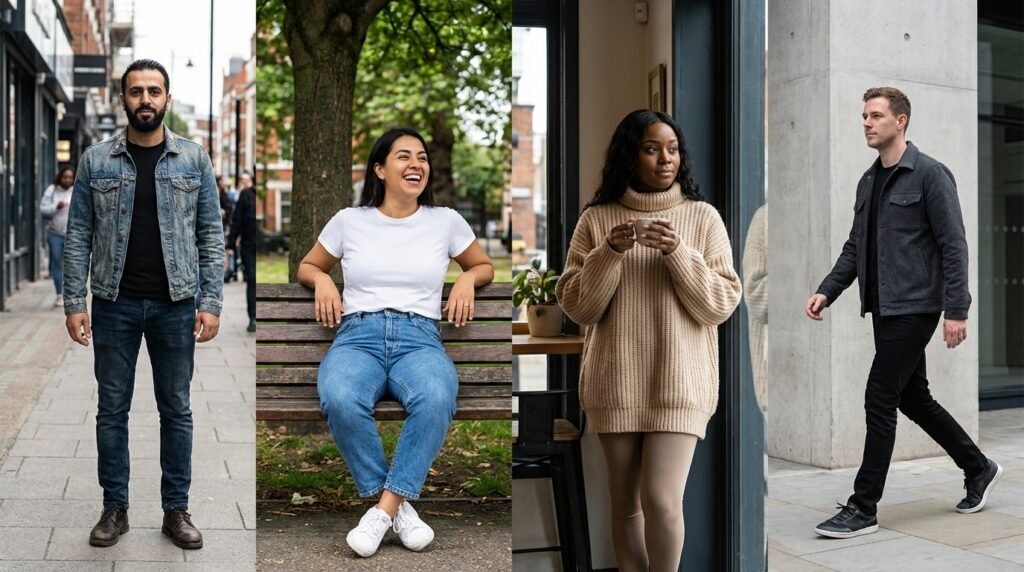
Discover what casual everyday fashion is, why it matters, and how to build a powerful, results-driven strategy for your wardrobe. Learn key components, step-by-step implementation, pro tips, and future trends to maximize your style confidence.
Casual everyday fashion goes far beyond jeans and a T-shirt. It is the deliberate yet effortless way you dress for your day-to-day life, balancing comfort, practicality, and personal expression. When approached with a clear strategy, it can simplify your mornings, sharpen your image, and support your lifestyle rather than complicate it.
This guide explains what casual everyday fashion is, why it matters, how to develop an effective casual everyday fashion strategy, and how to refine and future-proof your wardrobe over time.
What Is Casual Everyday Fashion and Why It Matters
Definition of Casual Everyday Fashion
Casual everyday fashion refers to the clothing and styling choices you rely on for your regular, non-formal activities: working from home, running errands, socializing with friends, casual office environments, or relaxed weekends. It is the practical core of your wardrobe—the outfits you actually wear most of the time.
Unlike occasion wear, which is reserved for special events, casual everyday fashion focuses on:
- Comfort: Fabrics, fits, and silhouettes that feel good for hours.
- Versatility: Pieces that can be mixed, matched, and layered across seasons.
- Authenticity: A visual reflection of your personality and lifestyle.
- Simplicity: Streamlined choices that reduce decision fatigue.
In the context of personal style, having a considered casual everyday fashion strategy means curating a cohesive set of garments, accessories, and shoes that work together, suit your daily routines, and convey a consistent image.
Key Benefits and Real-World Applications
Understanding what casual everyday fashion is—and building a clear approach to it—delivers tangible benefits in daily life.
1. Time and mental energy savings
A structured casual wardrobe reduces the number of decisions you must make each morning. When most items naturally pair well, you spend less time wondering what to wear and more time focusing on work, relationships, or personal goals.
2. Consistent, polished appearance
A thoughtful casual everyday fashion strategy ensures you appear put-together even in relaxed contexts. This enhances first impressions at casual meetings, coffee dates, or spontaneous encounters, and supports your professional image in hybrid work environments.
3. Financial efficiency
Instead of impulse purchases and trend-driven clutter, a strategic approach emphasizes intentional shopping. You invest in versatile pieces, avoid duplicates, and reduce the frequency of regretful purchases that sit unworn in your wardrobe.
4. Greater comfort and confidence
Well-chosen casual clothes allow free movement, adapt to your climate, and feel good against the skin, which in turn promotes confidence. When your clothing aligns with your identity and body type, you experience less self-consciousness and more ease in social and professional scenarios.
5. Sustainability and reduced waste
A defined casual everyday fashion strategy naturally encourages quality over quantity. By focusing on durable fabrics and timeless shapes, you extend the life of garments, reduce waste, and lower your environmental impact.
In practice, these benefits appear in everyday situations: dressing quickly for a video call without looking sloppy, transitioning smoothly from a school run to a client meeting, or packing efficiently for a short trip using a compact set of mix-and-match outfits.
Core Components of an Effective Casual Everyday Fashion Strategy
Essential Elements You Must Include
A strong casual everyday fashion strategy rests on several core components. Treat these as the structural pillars of your daily wardrobe.
1. Clear lifestyle analysis
Start by examining how you spend your week. Identify the percentage of time you devote to work, social activities, exercise, parenting, errands, and leisure. Your casual wardrobe should align with this reality, not an imagined life. For example, if you work from home most days, comfortable yet polished loungewear and smart knitwear should represent a significant portion of your closet.
2. Defined style direction
Choose a general style direction for your casual everyday fashion, such as minimal, sporty, classic, creative, or relaxed chic. This vision helps filter future purchases and ensures coherence. A defined direction does not limit you; it simply gives your style a recognizable identity.
3. A cohesive color palette
A limited, well-chosen color palette makes mixing and matching simple. Include:
- Neutrals (black, navy, grey, beige, white) as the base.
- Accent colors that suit your skin tone and personality.
- Seasonal variations to adjust depth and warmth throughout the year.
With a cohesive palette, most tops pair with most bottoms, and layers work across multiple outfits.
4. Reliable, versatile basics
Core basics form the backbone of casual everyday fashion. Common essentials include:
- Well-fitting jeans or casual trousers in neutral shades.
- High-quality T-shirts and shirts that hold their shape.
- Lightweight knitwear or sweatshirts for layering.
- Comfortable outerwear appropriate for your climate.
- Everyday shoes that balance style and support.
These items do the “heavy lifting” in your wardrobe and should be carefully selected for fit and fabric.
5. Signature details and accessories
Accessories and small design elements personalize your casual outfits. Consider:
- Minimal jewelry or statement pieces that echo your style direction.
- Belts, scarves, or hats that add structure or interest.
- Bags and backpacks that accommodate your daily essentials.
A few well-chosen accessories can elevate even the most basic jeans-and-top combination.
6. Fit and comfort standards
An effective casual everyday fashion strategy includes non-negotiable criteria for fit and comfort. Clothing should allow movement, avoid pinching or pulling, and align with your body proportions. Establishing standards helps eliminate “almost right” pieces that never feel fully comfortable.
Common Mistakes to Avoid
Many people struggle with casual everyday fashion because of avoidable missteps. Recognizing these errors will help you refine your approach.
1. Buying without a plan
Impulse purchases, driven by sales or trends, quickly create a mismatched wardrobe. Without a strategy, you often end up with items that do not coordinate or suit your lifestyle. Always evaluate how a new piece will integrate with your existing clothes.
2. Over-prioritizing trends
Trends can be inspiring, but building your entire casual wardrobe around them leads to rapid obsolescence. Instead, incorporate trends selectively into a timeless base, ensuring your clothes remain relevant beyond a single season.
3. Ignoring fabric quality
Poor-quality fabrics pill, stretch out, or fade quickly, making outfits appear worn and careless. For garments you wear frequently, such as casual tops, jeans, or knitwear, prioritize durable, breathable materials like cotton, linen blends, and quality denim.
4. Neglecting footwear
Footwear significantly influences the overall impression of a casual outfit. Worn-out sneakers or uncomfortable shoes can undermine an otherwise polished look. Invest in a small selection of versatile, well-maintained pairs appropriate for your climate and routine.
5. Overstuffed but underused closets
Having many items does not guarantee more options. A cluttered wardrobe makes it harder to see and style what you own. Regular editing and organization are essential to keep your casual everyday fashion functional.
6. Lack of adaptation to context
Casual does not mean identical for every situation. The relaxed outfit suitable for a weekend at home may not be appropriate for a casual business lunch. An effective strategy accounts for different levels of informality and adjusts details accordingly.
Step-by-Step Guide to Implementing Casual Everyday Fashion
Preparation, Tools, and Initial Setup
Developing a practical casual everyday fashion strategy is a structured process. The following step-by-step guide will help you build a wardrobe that supports your lifestyle.
Step 1: Assess your current wardrobe
- Separate your clothes into categories: daily wear, occasional wear, and rarely worn items.
- Identify pieces you reach for repeatedly and analyze why: fit, comfort, color, or style.
- Note patterns in what you consistently avoid—this reveals what to stop buying.
Step 2: Clarify your lifestyle needs
- List your typical weekly activities and dress codes.
- Estimate how many outfits you need for each context: casual office, home, errands, social events.
- Consider climate and seasonality: layers, outerwear, and fabric weights.
Step 3: Define your style direction and palette
- Collect visual references (lookbooks, online inspiration) that align with your preferences.
- Choose a primary style direction (e.g., “minimal and relaxed,” “sporty chic,” “classic casual”).
- Determine your base neutrals and two to four accent colors that flatter your complexion.
Step 4: Identify wardrobe gaps
- Compare your current items with your lifestyle and style direction.
- List essential missing pieces: for instance, well-fitting dark jeans, a neutral cardigan, quality T-shirts, or casual yet refined sneakers.
- Prioritize items that will unlock multiple outfit combinations.
Step 5: Create a focused shopping list
- Translate your gaps into a structured list with clear criteria for color, fit, and fabric.
- Set a budget and timeline, acknowledging that building an effective casual wardrobe often occurs gradually.
- Avoid adding items not on the list unless they clearly enhance your existing strategy.
Step 6: Organize your wardrobe for visibility
- Group similar items together: jeans, trousers, tops, knitwear, outerwear, and accessories.
- Place everyday pieces at eye level and within easy reach.
- Use matching hangers and simple storage solutions to maintain clarity.
For this implementation phase, basic tools such as a full-length mirror, good lighting, wardrobe organizers, and a notes app or style journal help you track progress and refine your casual everyday fashion strategy over time.
Ongoing Optimization and Performance Tracking
Once the initial structure is in place, continuous optimization ensures your casual wardrobe remains aligned with your life and preferences.
1. Monitor what you actually wear
Track outfits for several weeks, either using photos or brief notes. Identify which combinations feel most natural and which items remain unused. This simple form of “performance tracking” reveals what deserves further investment and what might need replacement or alteration.
2. Adjust fit and tailoring
Minor alterations significantly elevate casual garments. Consider hemming trousers, adjusting waistbands, or refining sleeve lengths to improve proportions. Items that fit precisely invariably look more intentional, even when inherently simple.
3. Rotate seasonally
At the beginning of each season, review your casual everyday fashion setup:
- Store off-season items to reduce visual clutter.
- Inspect garments for wear and repair or replace as needed.
- Reassess your color palette for seasonal depth and brightness.
4. Refine based on comfort and lifestyle shifts
Changes in work patterns, health, or location require adjustments to your wardrobe. If you transition from an office to remote work, for example, shift emphasis toward polished loungewear, breathable knits, and camera-ready tops.
5. Periodically edit and donate
Set a regular schedule—perhaps twice a year—to remove items that no longer serve your casual everyday fashion goals. Donate or responsibly recycle garments that do not fit, feel uncomfortable, or no longer match your style direction.
6. Evaluate new purchases strategically
Before buying something new, ask:
- Does it work with at least three items I already own?
- Does it align with my color palette and style direction?
- Is it comfortable enough for frequent wear?
This ongoing optimization approach functions as a practical, real-world “optimization” process for your wardrobe, refining your casual everyday fashion choices quietly and consistently.
Advanced Tips, Best Practices, and Future Trends in Casual Everyday Fashion
Expert Techniques to Maximize Results
Once you have a functional casual wardrobe, advanced techniques help you move from simply “dressed” to consistently refined.
1. Develop repeatable outfit formulas
Create a few reliable outfit frameworks, such as:
- Structured jeans + quality T-shirt + lightweight blazer + clean sneakers.
- Tailored joggers + knit top + minimal jewelry + sleek trainers.
- Casual dress + denim jacket + ankle boots or flats.
These formulas act as a mental shortcut. You can vary colors and textures while preserving overall balance and proportion.
2. Play with texture and layering
Texture elevates even the most relaxed looks. Combine denim with soft knits, smooth cotton with textured outerwear, or matte fabrics with subtle shine. Layering—a shirt under a sweater, or a longline cardigan over slim trousers—adds depth without sacrificing comfort.
3. Prioritize proportion and silhouette
Consider how garments interact on your body. Balance loose and fitted elements, such as pairing relaxed trousers with a more structured top, or vice versa. This principle keeps casual outfits from appearing shapeless.
4. Establish grooming and care routines
Even an excellent casual everyday fashion strategy can be undermined by neglected garment care. Maintain a simple routine:
- Follow washing instructions to preserve color and shape.
- Use appropriate hangers and folding techniques.
- Repair loose buttons or small tears promptly.
Clothing that is clean, pressed, and well-kept always appears more refined.
5. Introduce subtle focal points
A focal point—a patterned scarf, distinctive watch, or standout pair of shoes—can define an outfit without overwhelming it. Limit yourself to one primary focal element per look to maintain cohesion and elegance.
6. Build a “capsule” within your wardrobe
Create a small, highly curated capsule of casual pieces that can form the basis of most outfits. This internal capsule could include:
- Two or three pairs of versatile trousers or jeans.
- Several tops in complementary shades.
- One or two layering pieces.
- Two pairs of everyday shoes.
This ensures you always have strong options available, even when the rest of your wardrobe is in transition.
Emerging Trends and How to Stay Ahead
The landscape of casual everyday fashion evolves continually. Understanding current and upcoming trends allows you to refresh your style thoughtfully rather than react impulsively.
1. Elevated comfort and “smart casual” hybrids
The merging of work and home life has led to garments that combine structure with comfort: knit blazers, tailored joggers, and polished loungewear. Expect this trend to continue, with fabrics that mimic suiting while feeling as relaxed as sportswear.
2. Sustainable and ethical choices
Growing awareness of environmental impact is shaping everyday fashion. Future trends include increased use of recycled fibers, organic cotton, and transparent supply chains. Staying ahead means favoring brands that prioritize durability, responsible production, and repair services.
3. Versatile, season-agnostic pieces
Climate variability and global lifestyles are encouraging the use of year-round fabrics and modular layering. Lightweight knits, breathable outerwear, and adaptable footwear will continue to dominate casual wardrobes.
4. Minimalist yet expressive design
Casual everyday fashion is gravitating toward cleaner silhouettes with subtle, distinctive details: interesting seams, thoughtful stitching, and refined hardware. This allows individuals to express personality without relying on bold logos or excessive ornamentation.
5. Technology-integrated fabrics and fits
Advances in textile technology are leading to wrinkle-resistant, temperature-regulating, and stretch-enhanced materials suitable for everyday wear. Over time, these features will become standard expectations in casual garments rather than premium additions.
6. Personalized styling guidance
Digital tools, styling apps, and virtual consultations are making it easier to refine personal style and test combinations before purchasing. Leveraging these resources can support ongoing optimization of your casual everyday fashion and help you stay aligned with evolving preferences.
Conclusion
A well-defined casual everyday fashion strategy transforms the way you approach getting dressed. By understanding what casual everyday fashion is, clarifying your lifestyle needs, and building a cohesive set of versatile, comfortable garments, you create a wardrobe that serves you rather than burdens you.
Through deliberate implementation, ongoing optimization, and selective adoption of emerging trends, your daily outfits can be both effortless and considered. The result is a consistent, confident image that aligns with who you are and how you live, making everyday dressing a streamlined and satisfying part of your routine.
casualstyle, wardrobestrategy, everydayfashion, styleguide ,capsulewardrobe, fashiontips, effortlessstyle
https://www.teepublic.com/t-shirt/50086695-old-car-in-the-desert?store_id=2851997

Crystal Collector
Combat Protocol
WASD – Move
Mouse – Look around
Left Click – Fire Weapon
R – Reload
Eliminate all hostile units in the sector!
(Works better on computer)