
Innovation & Trends
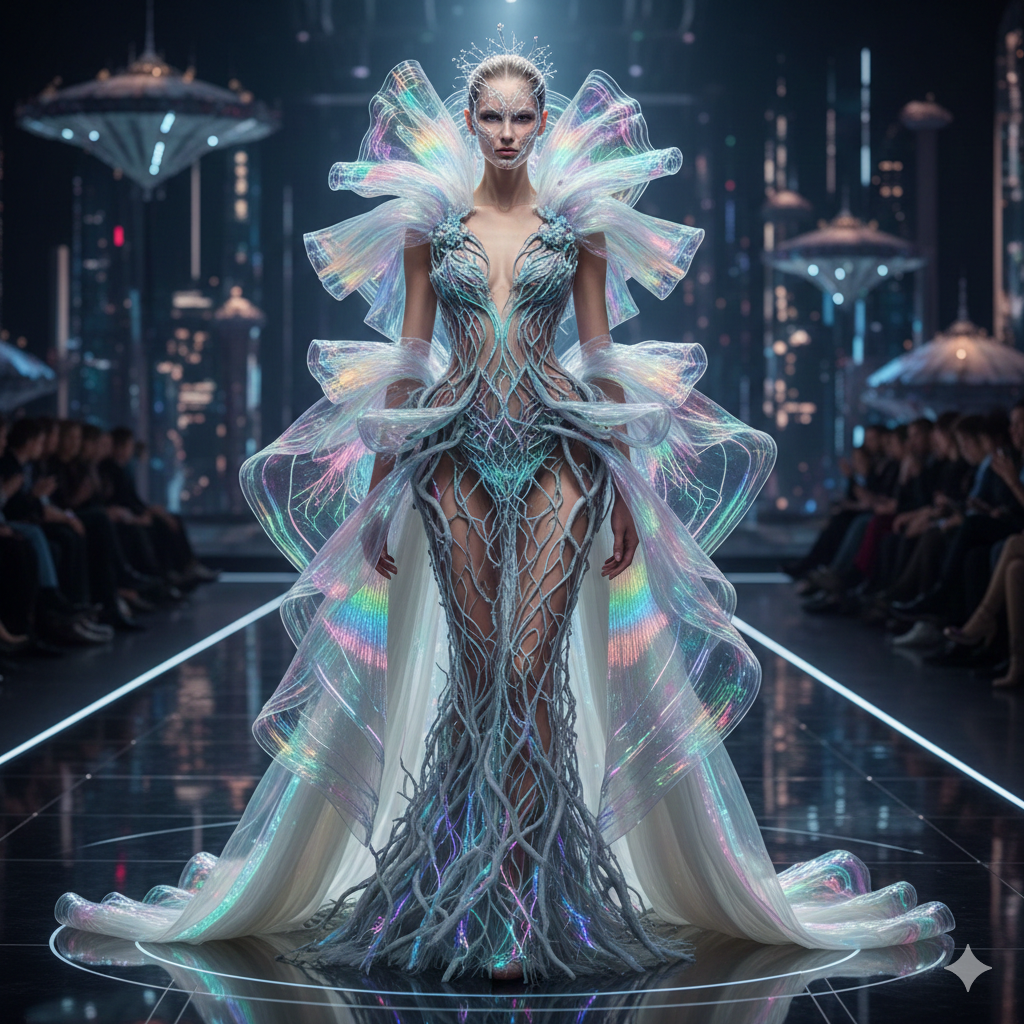
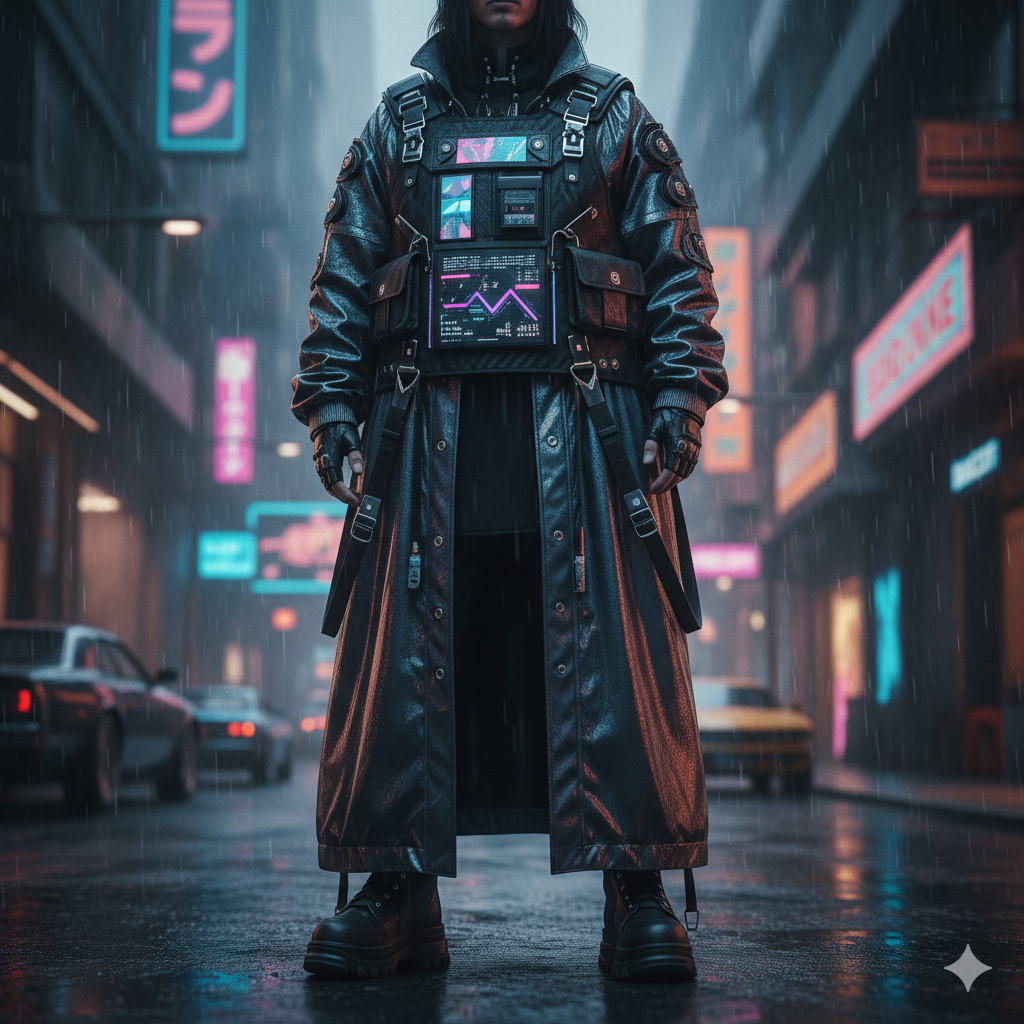
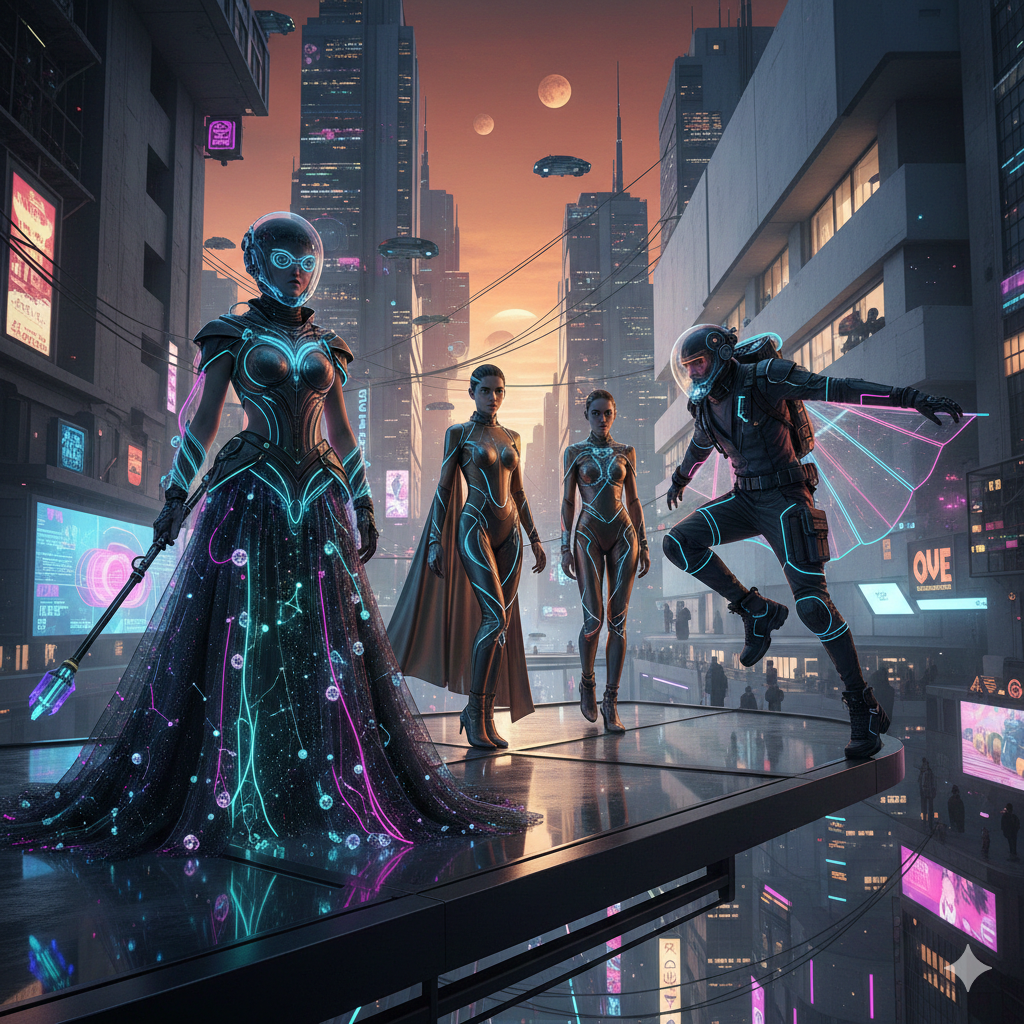
Explore the world of futuristic fashion design. From smart textiles and AI-driven silhouettes to sustainable biotech and digital wearables, learn the core concepts and trends defining the next decade of style.
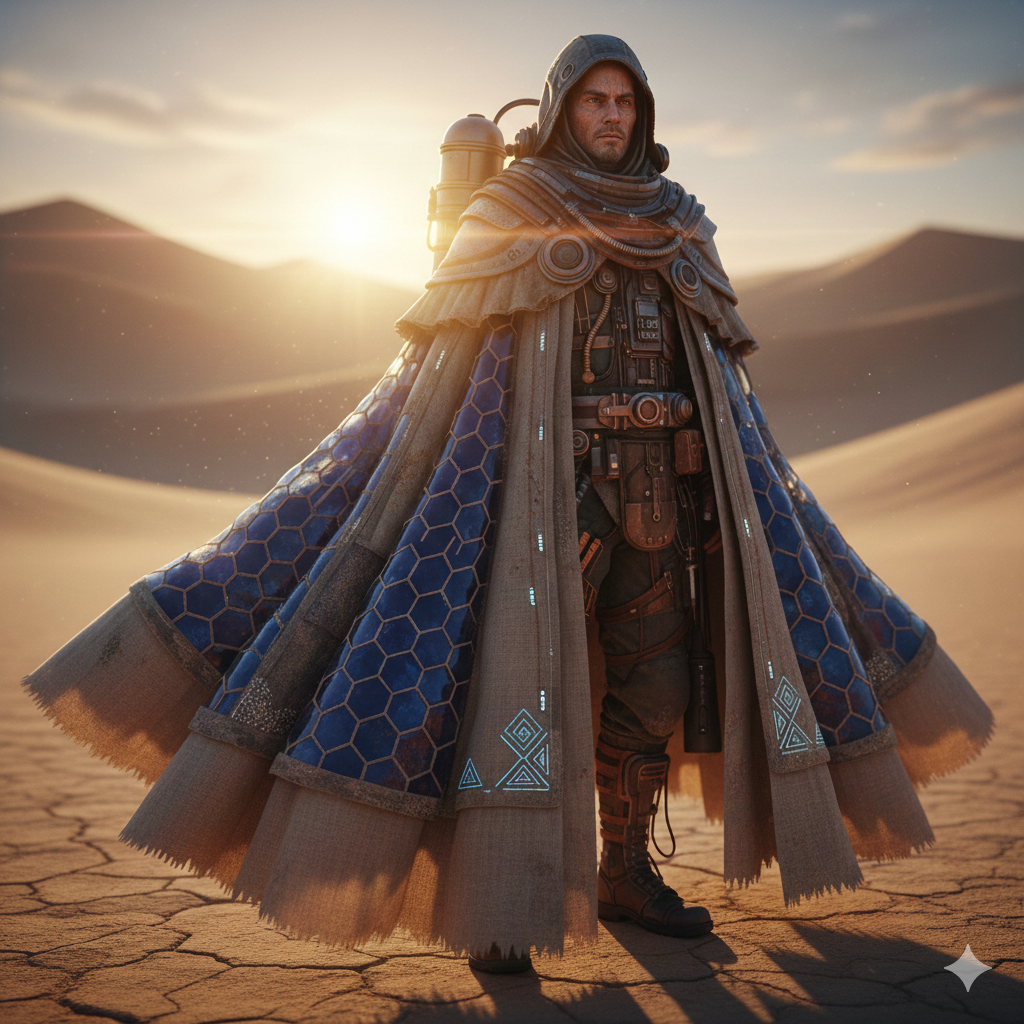
This guide explores the intersection of techwear, biotech, and digital wearables. Learn how futuristic fashion design is moving beyond the runway to reshape identity through:
-
Smart Textiles: Fabrics that react to the environment.
-
Digital Twins: Outfits designed for both the physical world and the metaverse.
-
Sustainability: Mycelium leather and 3D-printed circular fashion.
Futuristic fashion design is no longer confined to sci-fi films or avant-garde runways. It is rapidly becoming a driving force reshaping how we dress, interact with technology, and perceive identity in an increasingly digital world. This complete futuristic fashion design guide explores what it is, how it works in practice, its benefits, best practices, and the key trends that will define the next decade of style and innovation.
Understanding Futuristic Fashion Design: Definition, Importance, and Core Concepts
What Is Futuristic Fashion Design and Why It Matters Today
Futuristic fashion design is a forward-looking approach to clothing and accessories that anticipates future lifestyles, technologies, and social values. It blends innovative materials, advanced manufacturing methods, digital technologies, and speculative concepts to create garments that feel ahead of their time—both aesthetically and functionally.
Unlike traditional fashion, which often looks to the past for inspiration, futuristic fashion design projects into the future. It asks how people will live, move, communicate, and express themselves in a world shaped by artificial intelligence, climate change, space exploration, virtual reality, and hyper-connectivity. Designers then translate these scenarios into tangible garments and experiences.
This design approach matters today for several reasons:
- Technological convergence: Wearable tech, smart textiles, and connected devices demand a new design language that seamlessly integrates hardware and software into clothing.
- Sustainability pressure: The fashion industry faces urgent calls to reduce waste and emissions. Futuristic fashion design explores circular systems, regenerative materials, and low-impact production methods.
- Shifting identities: Fluid identities, virtual avatars, and hybrid physical–digital lives require new ways to express selfhood through style across multiple realities.
- Experiential expectation: Consumers increasingly seek immersive, customizable experiences instead of static products. Futuristic fashion design delivers interactive, adaptive garments that respond to their wearers and environments.
Understanding what futuristic fashion design is provides a foundation for building a consistent strategy—whether you are a designer, brand, technologist, or creative director exploring next-generation aesthetics and functions.
https://www.teepublic.com/t-shirt/50088650-classic-car?store_id=2851997
Key Benefits and Common Misconceptions About Futuristic Fashion Design
The benefits of futuristic fashion design extend far beyond novelty. When implemented thoughtfully, this approach can transform both creative expression and business performance.
Key benefits of futuristic fashion design include:
- Innovation leadership: Early adoption of experimental materials and technologies positions brands as pioneers, attracting media attention and visionary collaborators.
- Enhanced functionality: Smart garments can regulate temperature, track health metrics, improve performance, provide safety features, or adapt fit in real time.
- Deeper engagement: Interactive clothing—such as garments that change color via apps or respond to sound or movement—invites ongoing user engagement and storytelling.
- New revenue streams: Digital fashion, NFTs, and virtual wearables for gaming or metaverse platforms open monetization channels beyond physical products.
- Sustainable transformation: Material innovation (biodegradable textiles, lab-grown leather, on-demand 3D printing) can significantly reduce waste and overproduction.
Despite these advantages, several misconceptions still surround futuristic fashion design:
- Misconception 1: It is only about extreme, unwearable looks.
In reality, many cutting-edge garments are subtle and highly functional, with technology and innovation hidden beneath minimal aesthetics. - Misconception 2: It is purely tech-driven.
Technology is a tool, not the goal. The most impactful futuristic fashion design balances human emotion, cultural context, and narrative with technological integration. - Misconception 3: It is inaccessible and prohibitively expensive.
While early prototypes can be costly, advances in manufacturing, open-source tools, and modular systems are making experimental designs more scalable and affordable. - Misconception 4: It ignores tradition.
Many futuristic collections reinterpret heritage craft through new technologies—laser-cut lace, 3D-printed embroidery, or smart kimonos that marry tradition and innovation.
Dispelling these myths is essential for building a realistic, results-oriented futuristic fashion design strategy that is ambitious yet grounded in practical possibilities.
How Futuristic Fashion Design Works: Step-by-Step Process and Essential Components
Main Elements, Tools, and Techniques Involved in Futuristic Fashion Design
To understand how futuristic fashion design works, it helps to break it down into core components and a repeatable workflow. While every studio’s process is unique, most share a similar architecture.
1. Speculative research and scenario building
- Study emerging technologies (AI, AR/VR, smart textiles, biotech) and societal shifts (urbanization, climate migration, post-work economies).
- Develop future scenarios—near future (2–5 years), mid-term (5–15 years), and long-term (beyond 15 years).
- Translate these scenarios into design questions: How will people protect themselves from extreme weather? How will clothing work in mixed-reality environments?
2. Concept development and narrative
- Create a coherent narrative or world-building framework that guides silhouettes, textures, colors, and functionalities.
- Define the user: astronaut, gig-economy worker, virtual influencer, climate migrant, AI collaborator, etc.
- Determine emotional tone: utopian, dystopian, pragmatic, playful, or speculative.
3. Material innovation and textile selection
- Experiment with smart textiles (conductive fabrics, shape-memory alloys, phase-change materials).
- Explore bio-based materials (mycelium leather, algae-based fibers, lab-grown textiles) and recycled composites.
- Incorporate responsive surfaces (thermochromic inks, photochromic dyes, electroluminescent panels).
4. Digital design and prototyping
- Use 3D fashion design tools (CLO3D, Browzwear, Marvelous Designer) for virtual prototyping, fit simulation, and motion testing.
- Leverage CAD software for pattern engineering and integrating hardware components.
- Create digital twins of garments for virtual trials, AR filters, or metaverse wearables.
5. Hardware and embedded systems integration
- Integrate microcontrollers, sensors, LEDs, flexible batteries, and haptic actuators into garments.
- Prototype with platforms like Arduino, Raspberry Pi, or specialized wearables boards.
- Design discreet channels and pockets within patterns to protect electronics while preserving comfort and drape.
6. Advanced fabrication methods
- Apply 3D printing (on-garment embellishments, fully printed structures, or custom components).
- Use laser cutting, bonding, ultrasonic welding, and seamless knitting to create precise, futuristic finishes.
- Experiment with generative design algorithms for patterns and structural details optimized for performance or aesthetics.
7. Testing, iteration, and user experience refinement
- Conduct wear tests focusing on ergonomics, durability, thermal comfort, and interaction quality.
- Iterate based on feedback and data gathered from sensors or app interactions.
- Refine both physical and digital touchpoints: packaging, companion apps, AR experiences, maintenance instructions.
This process outlines how futuristic fashion design works in a systematic yet creative way. The specific tools and technologies may evolve, but the underlying logic—speculate, prototype, test, refine—remains constant.
Common Challenges and How to Overcome Them Effectively
Even with a clear process, futuristic fashion design involves complex challenges. Addressing them deliberately will strengthen your outcomes and reduce costly missteps.
1. Technical complexity and knowledge gaps
Integrating electronics, software, and new textiles often exceeds the expertise of a traditional fashion team.
- Solution: Form multidisciplinary teams that include fashion designers, engineers, UX designers, and material scientists. Establish shared vocabularies and co-create prototypes rather than working in silos.
2. Durability and washability
Smart garments frequently fail during everyday use, particularly when exposed to moisture, repeated movement, or laundering.
- Solution: Prioritize modular systems and detachable components. Design electronic parts as removable modules that users can unplug before washing. Test to relevant standards (e.g., IP ratings, abrasion tests) early in development.
3. Comfort and wearability
Overly rigid components or poor weight distribution can make futuristic designs uncomfortable or impractical.
- Solution: Conduct ergonomic assessments and user trials from the earliest prototypes. Favor flexible circuits, soft sensors, and distributed placements that respect body movement and posture.
4. Data privacy and ethical concerns
Wearables that track biometrics or location raise serious questions around surveillance and consent.
- Solution: Build privacy by design into your futuristic fashion design strategy. Offer transparent data policies, local data processing where possible, opt-in controls, and clear on-garment cues that indicate when data is being captured.
5. Supply chain and scalability
Prototype-friendly techniques do not always translate to mass production.
- Solution: Engage manufacturing partners early. Pilot small runs to validate processes. Standardize components where possible and design with modularity, repairability, and end-of-life scenarios in mind.
6. Sustainability trade-offs
High-tech components can increase environmental impact if not managed holistically.
- Solution: Combine innovation with lifecycle thinking. Use LCA (Life Cycle Assessment) tools, design garments for disassembly, and clearly label materials to facilitate recycling. Favor energy-efficient components and low-impact materials.
By proactively addressing these obstacles, you can bring ambitious concepts into the real world without sacrificing reliability, ethics, or sustainability.
Best Practices for Implementing Futuristic Fashion Design Successfully
Actionable Strategies, Tips, and Proven Methods
A robust futuristic fashion design strategy is built on deliberate choices and disciplined experimentation. The following best practices will help you structure your approach for meaningful, long-term impact.
1. Start with function, then layer spectacle
- Define the core utility of each concept: protection, performance enhancement, sensory augmentation, emotional expression, or storytelling.
- Once the function is clear, refine the visual language to communicate futurity without compromising usability.
2. Design for both physical and digital realities
- Create garments as part of a broader ecosystem that may include AR filters, digital twins, or metaverse-ready versions.
- Ensure consistency between physical silhouettes and virtual counterparts, so users recognize their style across platforms.
3. Embrace modularity and upgradability
- Design components to be swapped or upgraded—sensors, batteries, decorative modules—extending product life and enabling customization.
- Use standardized connectors and clear labeling to make upgrades intuitive.
4. Co-create with your audience
- Invite early adopters and niche communities (gamers, athletes, performers, cosplayers, tech enthusiasts) into your development process.
- Run beta programs for high-tech pieces and digital wearables to refine features based on real-world usage.
5. Integrate sustainability from the outset
- Prioritize low-impact materials and on-demand production to reduce waste and stock risk.
- Consider rental, repair, and take-back programs for complex pieces, especially those with embedded electronics.
6. Document and communicate clearly
- Provide detailed care instructions, transparency on materials and components, and guidance on responsible disposal or return.
- Use storytelling to explain the purpose of each innovation, not just its technical specifications.
7. Build strategic partnerships
- Collaborate with tech companies, research labs, and cultural institutions to access cutting-edge knowledge and infrastructure.
- Structure partnerships around clear objectives, shared IP frameworks, and aligned ethical standards.
Applying these futuristic fashion design tips consistently will help you develop collections that feel visionary, credible, and commercially viable.
Mistakes to Avoid and Optimization Techniques for Better Results
Knowing what to avoid is as important as knowing what to do. The following pitfalls are common when exploring futuristic fashion design.
Mistake 1: Prioritizing gimmicks over meaningful innovation
Adding LEDs or screens without a clear purpose quickly feels dated.
- Optimization: Evaluate every technological element against a simple question: does this enhance the wearer’s experience, comfort, safety, or expression in a measurable way?
Mistake 2: Ignoring accessibility and inclusivity
Designs that only accommodate able-bodied, sample-size wearers limit impact and relevance.
- Optimization: Consider adaptive closures, adjustable fits, and interface accessibility. Test garments with diverse body types and abilities.
Mistake 3: Overcomplicating user interactions
Complex control schemes or opaque feedback loops discourage use.
- Optimization: Simplify. Use intuitive gestures, minimal buttons, and clear visual or haptic feedback. Offer companion apps, but ensure core functions work without them.
Mistake 4: Underestimating maintenance needs
If users are unsure how to wash, repair, or update a garment, it will remain unworn.
- Optimization: Provide straightforward maintenance guides, video tutorials, and accessible customer support. Offer repair services or certified repair partners.
Mistake 5: Treating futuristic fashion as a one-off stunt
Isolated showpieces can generate buzz but rarely build lasting value.
- Optimization: Develop a roadmap that phases in innovation across multiple seasons. Build a recognizable futuristic design language that evolves rather than starting from zero each time.
Regularly reviewing your process through these lenses will help you optimize your futuristic fashion design best practices and deliver more coherent, impactful collections.
Advanced Strategies and Future Trends in Futuristic Fashion Design
Emerging Trends, Innovations, and Industry Insights
Futuristic fashion design is evolving rapidly, with several powerful trends reshaping the landscape. Understanding these directions will help you anticipate where opportunities lie.
1. Hyper-personalization and AI-driven design
- AI tools are increasingly used to generate design variations, predict style preferences, and optimize fit based on body scans.
- Garments may soon adapt in real time to biometric signals, changing color or pattern according to mood, stress levels, or environmental conditions.
2. Phygital fashion ecosystems
- Collections launch simultaneously in physical and digital formats, with NFT-linked garments unlocking exclusive content, virtual outfits, or experiences.
- Brands create interoperable assets that function across multiple virtual platforms, games, and social spaces.
3. Regenerative and living materials
- Mycelium-based textiles, bacterial dyes, and algae fibers are progressing from experimental to commercially viable.
- Future garments may self-repair minor damage or biodegrade on command, radically shifting end-of-life considerations.
4. Soft robotics and responsive structures
- Soft robotic components integrated into garments can provide adjustable support, posture correction, or dynamic silhouettes.
- Shape-shifting textiles and morphing structures enable garments to transition between styles or functions throughout the day.
5. Spatial computing and mixed reality integration
- As AR glasses and spatial computing platforms mature, clothing will increasingly be designed with digital overlays in mind.
- Invisible patterns may be revealed only through AR, allowing individuals to maintain discretion in physical space while expressing bold identities digitally.
6. Decentralized design communities
- Web3 infrastructure enables community-owned brands and collaborative design processes, where contributors share revenue and governance.
- Open-source patterns, materials libraries, and design files democratize access to futuristic fashion tools.
Monitoring these futuristic fashion design trends will help you identify where to invest, what skills to develop, and how to position your work for long-term relevance.
How to Stay Updated and Continuously Improve Your Futuristic Fashion Design Strategy
Given the pace of transformation, staying current requires a deliberate, ongoing effort. A static approach quickly becomes obsolete. The following methods will support continuous improvement.
1. Create a structured research routine
- Dedicate regular time to explore academic journals, design magazines, tech blogs, and sustainability reports.
- Track innovation from adjacent sectors—automotive, architecture, medical devices, gaming—and translate insights into fashion contexts.
2. Engage with specialized communities and events
- Participate in conferences and festivals focused on wearable tech, digital fashion, and material innovation.
- Join online forums, Discord servers, or professional networks where experimentation and knowledge sharing are encouraged.
3. Build an internal innovation lab or sandbox
- Set aside resources—time, budget, and tools—for exploratory projects without immediate commercial pressure.
- Encourage rapid prototyping, small experiments, and cross-disciplinary collaborations to test high-risk, high-reward ideas.
4. Measure what matters
- Define KPIs for futuristic fashion initiatives: user engagement, longevity of garments, repair rates, digital revenue share, sustainability impact, or press coverage quality.
- Use data from smart garments and digital platforms to refine designs and services over time.
5. Invest in education and skill development
- Offer ongoing training in 3D design software, coding for wearables, material science basics, and circular design principles.
- Invite external experts for workshops or residencies to inject fresh perspectives.
6. Maintain ethical and human-centered grounding
- Regularly review projects through ethical frameworks, considering inclusivity, privacy, labor conditions, and ecological impact.
- Engage stakeholders—including wearers, communities affected by production, and marginalized groups—in feedback loops.
By institutionalizing learning, reflection, and ethical oversight, you ensure your futuristic fashion design strategy remains resilient, adaptive, and responsible.
Conclusion
Futuristic fashion design is not merely a visual trend; it is a comprehensive reimagining of what clothing can be and do in an era defined by technological acceleration and ecological urgency. Understanding what futuristic fashion design is, how it works, and the benefits it can deliver enables designers and brands to move beyond spectacle toward meaningful innovation.
By combining speculative thinking with rigorous process, embracing cross-disciplinary collaboration, and grounding experimentation in human needs, you can develop garments and experiences that anticipate future lifestyles while addressing present challenges. Applying best practices, avoiding common pitfalls, and staying attuned to emerging trends will help you transform bold ideas into coherent collections and sustainable business strategies.
Futuristic fashion design is, ultimately, an invitation: to envision more imaginative, equitable, and intelligent ways of dressing—across both physical and digital realms—and to turn those visions into reality, one carefully considered piece at a time.
Interior Design Trends That Will Define Modern Homes
Contemporary Interior Design: What It Really Means
Classic Interior Design Ideas That Stand the Test of Time
My Puzzle