
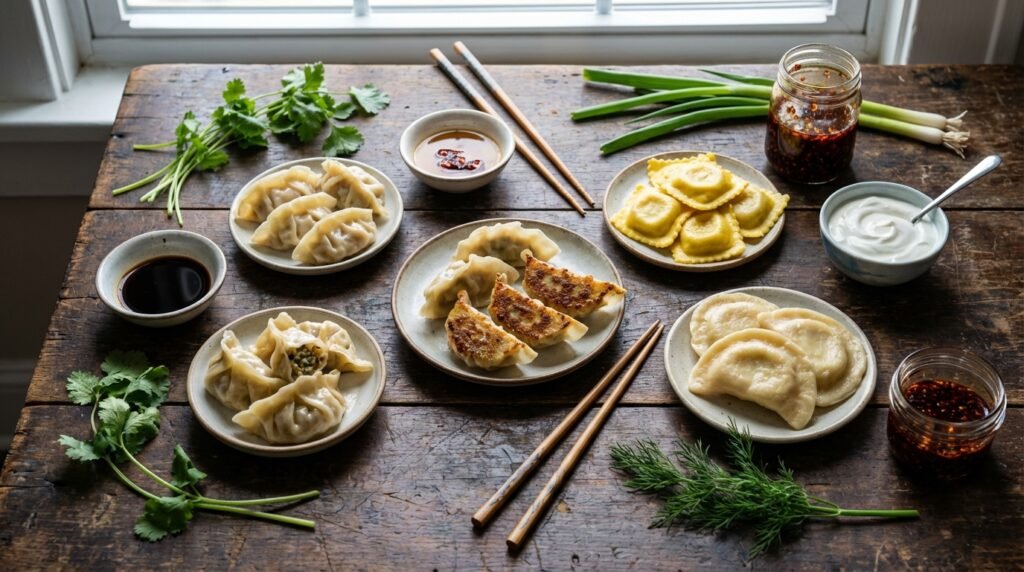
Dumplings Around the World: History, Global Varieties, and How to Make Perfect Homemade Dumplings
Dumplings are among the most beloved comfort foods on the planet. Found in street stalls and fine-dining restaurants alike, they take countless shapes, fillings, and cooking methods. Yet beneath this diversity lies a simple idea: a parcel of dough encasing something delicious. Understanding dumplings means exploring history, geography, and culinary technique. This article traces dumplings’ origins, surveys global dumpling varieties, explains how to make them at home, and examines how they are evolving in modern cuisine, including vegan and gluten-free interpretations.
History and Cultural Significance of Dumplings
Origins and Evolution of Dumplings
The exact origin of dumplings is difficult to pinpoint, because the act of wrapping or enclosing a filling in dough likely emerged independently in several regions. Nonetheless, many food historians associate early dumplings with ancient China, where wheat-based wrappers were developed once milling and dough-making were commonplace. Legends attribute medicinal dumplings to Zhang Zhongjing, a Han dynasty physician who allegedly wrapped meat and herbs in dough to nourish people during harsh winters. While partly myth, this story illustrates how dumplings have long been linked to nourishment and care.
As trade routes expanded across Eurasia, the dumpling concept traveled with merchants and migrants. Along the Silk Road, filled dough pockets adapted to local grains, spices, and cooking techniques. In northern climates where wheat and rye thrived, dough-based dishes became essential sources of calories during cold seasons. Over time, what began as a practical way to stretch meat or vegetables turned into an emblematic dish in many cultures, associated with holidays, rituals, and family gatherings.
Dumplings in Global Cuisines
Across the globe, dumplings carry cultural meanings that go far beyond their ingredients. In China, jiaozi symbolize wealth and good fortune, their shape reminiscent of ancient gold ingots. Families gather on Lunar New Year’s Eve to fold dumplings together, a ritual that reinforces intergenerational bonds. In Eastern Europe, pierogi are inseparable from religious and seasonal festivities, appearing on Christmas Eve tables and at weddings.
In Italy, ravioli and tortellini highlight the ingenuity of turning simple staples—flour, eggs, cheese—into refined dishes that celebrate regional identity. In Latin America, empanadas and similar filled pastries blur the boundary between dumplings and pies, showing how the basic notion of a filling encased in dough can be adapted to local tastes and techniques. Understanding dumplings’ history thus means acknowledging their role as edible symbols of community, migration, and adaptation, not merely as recipes.
Varieties of Dumplings from Around the World
Asian Dumplings: Jiaozi, Gyoza, and More
Asian dumplings encompass an extraordinary range of textures and flavors. Chinese jiaozi are perhaps the best-known. They feature a thin wheat wrapper enveloping minced meat and vegetables, frequently pork, cabbage, garlic, and ginger. Jiaozi can be boiled (shuijiao), steamed (zhengjiao), or pan-fried to form crispy-bottomed guotie, often called potstickers. These variations use the same basic components yet yield dramatically different mouthfeels and aromas.
Japanese gyoza derive from Chinese jiaozi but have evolved distinctive traits. The wrappers are typically thinner, and the dumplings are commonly cooked with a steam-fry technique that creates a delicate, lacy crust. Seasonings often incorporate garlic, chives, and sesame oil, giving a pronounced aroma. In Korea, mandu can be filled with kimchi, tofu, glass noodles, or beef, then served in broth, steamed, or pan-fried. In Central Asia, substantial dumplings like manti and khinkali (the latter native to Georgia) show a heartier style, with larger dough pockets filled with juicy meat mixtures, sometimes seasoned with cumin or coriander.
Beyond wheat-based varieties, there are rice and starch dumplings as well. Chinese tangyuan, glutinous rice dumplings filled with sesame paste or sweet bean paste, are served in syrupy soups during festivals and symbolize family unity. This diversity illustrates why global dumpling varieties are such fertile ground for culinary exploration.
European Dumplings: Pierogi, Ravioli, and Others
European dumplings reveal how a shared concept can produce radically different traditions. In Central and Eastern Europe, pierogi are iconic. These half-moon dumplings typically use an unleavened wheat dough stuffed with potatoes, cheese, sauerkraut, mushrooms, or fruit. They may be boiled and then pan-fried in butter, often served with sour cream or onions. In some regions, sweet pierogi filled with berries or sweetened cheese appear as dessert, underscoring the adaptability of the form.
Italian dumplings include both filled and unfilled types. Ravioli and tortellini are classic filled dumplings, usually stuffed with ricotta, spinach, meat, or seafood, then simmered briefly and served with sauces from simple sage butter to rich ragù. Gnocchi, by contrast, are small, soft dumplings formed from potato, flour, and sometimes egg. Their pillowy texture absorbs sauces beautifully, demonstrating yet another dimension of dumpling versatility.
In the German-speaking world, dumplings such as knödel and spätzle accompany roasts and stews. Bread dumplings transform stale bread into a satisfying side dish, while tiny noodle-like spätzle blur the line between pasta and dumpling. In the British Isles, suet dumplings simmered in stews or fruit-filled dumplings baked or boiled in cloth hark back to a time when dumplings were economical, filling fare. Together, these European examples show how dumplings align with local climates, crops, and cooking techniques while preserving a common culinary idea.
How to Make Perfect Dumplings at Home
Essential Ingredients and Tools
Preparing dumplings at home is rewarding and surprisingly accessible once you understand a few fundamentals. Although specific dumpling ingredients differ by style, several components are almost universal. For wrappers, most recipes call for wheat flour and water, sometimes enriched with egg or oil. High-protein flour yields slightly chewier skins, while all-purpose flour provides a balanced texture suitable for beginners.
Fillings typically combine a protein—such as ground pork, chicken, beef, tofu, or legumes—with vegetables and aromatics. Cabbage, scallions, garlic, ginger, mushrooms, and herbs are common. Seasonings range from soy sauce, sesame oil, and rice wine in Asian dumplings to cheese, black pepper, and nutmeg in European versions. A small amount of liquid, such as broth or water, helps create a juicier interior but should be balanced so the mixture remains cohesive.
The necessary tools are modest: a mixing bowl, a rolling pin, and a sturdy work surface. Store-bought wrappers can simplify the process for those new to dumpling-making. A steamer basket, non-stick pan with a lid, or large pot for boiling covers most cooking methods. A small spoon or scoop helps portion filling consistently, ensuring even cooking.
Step-by-Step Dumpling Recipe
The following basic homemade dumpling recipe focuses on a classic pan-fried style and can be adapted with different fillings and seasonings.
1. Prepare the dough
Combine 2 cups of all-purpose flour with a pinch of salt in a bowl. Gradually pour in about ¾ cup of hot water while stirring, until a shaggy dough forms. Adjust with small amounts of flour or water as needed. Knead for 8–10 minutes until the dough becomes smooth and elastic. Cover with a damp cloth and rest for at least 30 minutes. This resting period allows the gluten to relax, making the dough easier to roll.
2. Make the filling
In a large bowl, combine 300 g of finely minced meat (or crumbled firm tofu for a vegetarian version) with 1 cup of finely chopped vegetables such as cabbage and scallions. Add 1–2 cloves of minced garlic, 1 teaspoon of grated ginger, 1 tablespoon of soy sauce, 1 teaspoon of sesame oil, and a pinch of white pepper. Mix thoroughly until the ingredients are evenly distributed and the mixture feels slightly sticky, which helps the filling hold together during cooking.
3. Shape the wrappers
Divide the rested dough into two logs and cut each into small pieces, roughly 10–12 g each. Roll each piece into a ball, then flatten with your palm. Using a rolling pin, roll from the edges toward the center, rotating the dough frequently to maintain a circular shape. Aim for a thin edge and slightly thicker center, about 8–9 cm in diameter. This shape supports the filling while allowing the edges to seal neatly.
4. Fill and fold
Place a wrapper in your palm and spoon a small amount of filling into the center, leaving enough space at the edges for sealing. Dip a finger in water and moisten the rim, then fold the wrapper in half. Pinch the center to lock it, then create small pleats on one side while pressing firmly to seal. Alternatively, a simple half-moon shape with a tight seal works perfectly well. The key is eliminating gaps so the filling does not leak.
5. Cook the dumplings
For pan-fried dumplings, heat a thin layer of oil in a non-stick pan over medium-high heat. Arrange dumplings flat-side down without crowding. Fry until the bottoms turn golden. Add enough water to cover the base of the pan by a few millimeters, then immediately cover with a lid. Steam until the water evaporates and the dumplings are cooked through, usually 6–8 minutes. Remove the lid and let the bottoms crisp again for a minute or two.
6. Serve
Serve the dumplings hot with a dipping sauce made from soy sauce, rice vinegar, and a touch of chili oil or sesame seeds. This basic homemade dumpling recipe establishes a foundation you can adjust to suit regional styles or personal preferences, demonstrating that a refined dumpling does not require professional equipment.
Dumplings in Modern Culinary Trends
Fusion Dumplings and Innovative Flavors
Contemporary chefs and home cooks alike are reimagining dumplings through a fusion lens. Instead of traditional pork-and-cabbage fillings, one might encounter dumplings stuffed with pulled barbecue, Thai green curry, or even mac and cheese. These inventive combinations respect the underlying dumpling structure while introducing unexpected flavor profiles.
Fusion dumplings also experiment with sauces and accompaniments. Classic black vinegar and soy dips are joined by chimichurri, harissa yogurt, or miso-butter emulsions. In many cities, dedicated dumpling bars highlight global dumpling varieties side by side, encouraging diners to compare jiaozi-inspired bites with ravioli-style creations in a single meal. This approach underscores how dumplings serve as a culinary canvas, easily adapted to local ingredients, diverse spices, and cross-cultural inspirations.
Dumplings in Vegan and Gluten-Free Diets
As plant-based eating gains prominence, vegan dumplings are no longer a niche option. Chefs now craft fillings based on tofu, tempeh, mushrooms, lentils, and seasonal vegetables, layered with umami-rich seasonings such as miso, fermented beans, or smoked paprika. These dumplings showcase that flavor depth does not depend on meat, and that texture contrast—crisp wrappers, tender interiors—remains just as satisfying in plant-based form.
Gluten-free dumplings have also advanced significantly. Instead of relying solely on wheat, cooks turn to rice flour, tapioca starch, potato starch, and buckwheat. Achieving the right elasticity and translucency can be challenging, but careful blends of starches and flours, often combined with psyllium husk or xanthan gum, yield wrappers that rival traditional versions. In many Asian cuisines, certain dumplings have long been naturally gluten-free, such as some rice-based varieties, offering inspiration for modern adaptations.
For home cooks seeking dietary-friendly dumpling options, the key is understanding the role of each component. In vegan dumplings, ingredients like finely chopped mushrooms, nuts, or beans provide body and savoriness. In gluten-free versions, balancing different starches recreates the chewiness of wheat dough. As these approaches evolve, they make dumpling culture accessible to broader audiences without sacrificing authenticity or pleasure.
https://www.teepublic.com/t-shirt/51544745-gold-soccer-ball?store_id=2851997
Dumplings embody both continuity and change. Their ancient roots reveal a practical solution to cooking and preservation, yet their modern expressions span fine dining, street food, and home kitchens worldwide. By learning about dumplings’ history, exploring global dumpling varieties from Asian and European traditions, and mastering a reliable homemade dumpling recipe, anyone can engage with this enduring dish. Today’s innovations, from fusion fillings to vegan and gluten-free adaptations, prove that dumplings remain a dynamic part of the culinary landscape. Whether served at a festive celebration or a quiet meal at home, they continue to connect people through craftsmanship, flavor, and shared heritage.
dumplings-around-the-world-homemade-jiaozi-ravioli-pierogi.jpg
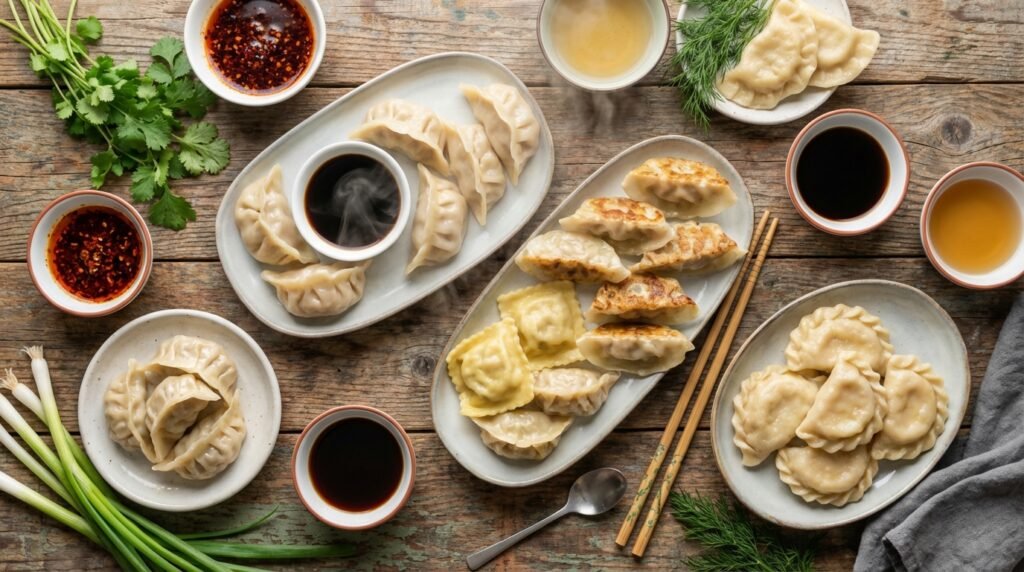
Assorted dumplings from around the world including jiaozi, gyoza, ravioli, and pierogi served with dipping sauces and fresh herbs.
Sashimi vs. Sushi: Everything You Need to Know About Sashimi
The Ultimate Sushi Guide: History, Popular Types, and Recipes
Tom Yum Soup: The Ultimate Hot & Sour Thai Soup Guide
Pad Thai: The Ultimate Guide to Thailand’s National Noodle Dish
Crystal Collector
Combat Protocol
WASD – Move
Mouse – Look around
Left Click – Fire Weapon
R – Reload
Eliminate all hostile units in the sector!
(Works better on computer)