
Everything to Know About Japan’s Iconic Wheat Noodle
Discover everything about Udon noodles in this comprehensive guide — from its history and types to how to cook and where to find the best authentic bowls in Japan and beyond.
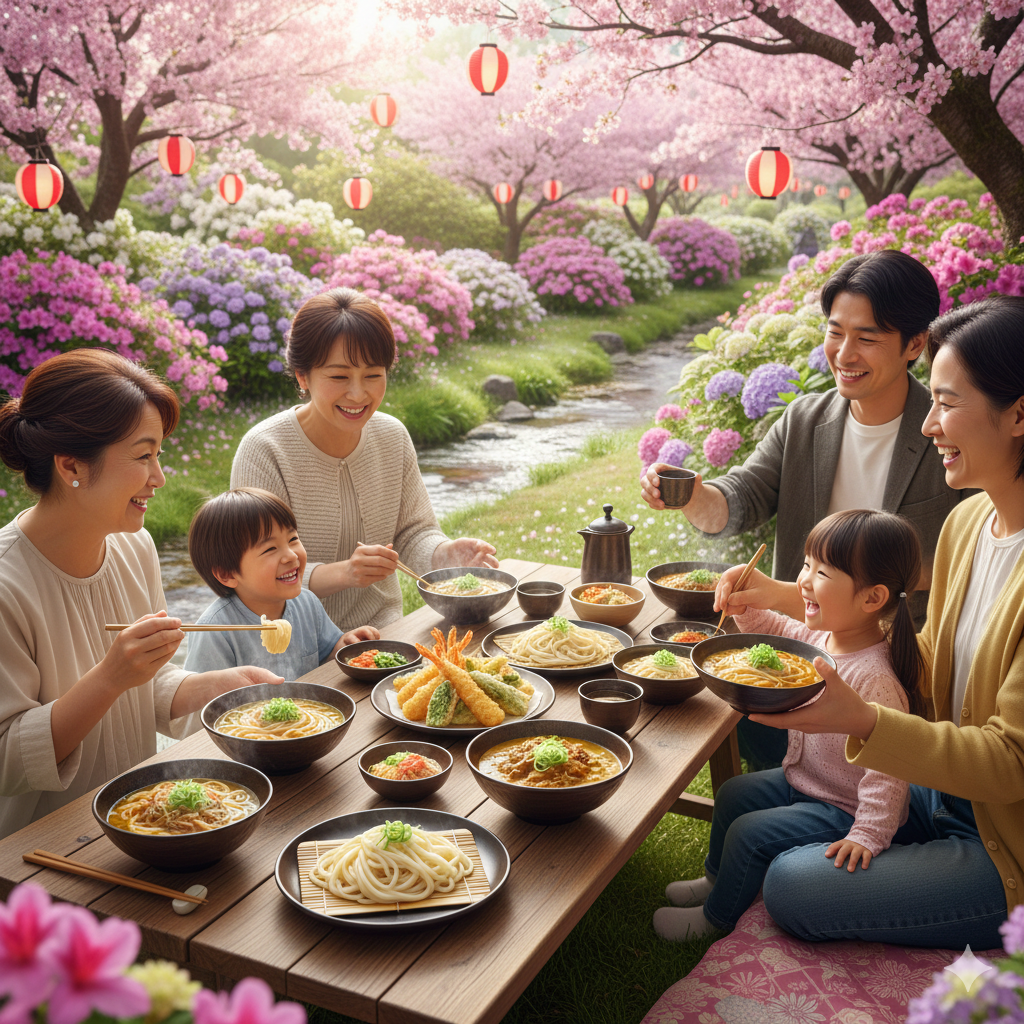
Few dishes embody the comfort and depth of Japanese cuisine as completely as a steaming bowl of udon. Thick, silky noodles submerged in a fragrant broth, finished with simple yet precise toppings, create a meal that is at once humble and deeply satisfying. Whether you encounter it in a bustling Tokyo station, a quiet countryside shop, or your own kitchen, Japanese udon offers a window into regional traditions, craft, and culinary restraint.
This guide explores the history of udon noodles, how they differ from other Japanese noodles, the main types and regional styles, practical advice on how to cook udon at home, and how to seek out truly authentic udon restaurants in Japan and abroad.
What is Udon? A Guide to the Japanese Noodle Staple
Udon is a type of thick, wheat-based noodle central to everyday Japanese eating. Its hallmark is texture: pleasantly chewy, yet tender enough to absorb the surrounding broth. Mild in flavor, the noodles act as a canvas for dashi-based soups, dipping sauces, and a variety of toppings, from tempura to slow-simmered meats.
In Japan, udon is not merely a dish but a category of meals. It can be served hot or cold, in a broth or with a dipping sauce, simply garnished or richly adorned. This flexibility explains why udon noodles are found everywhere from casual standing-only counters to high-end specialty restaurants.
History and Origins of Udon
The history of udon is intertwined with the broader story of wheat and noodle culture in East Asia. While precise origins remain debated, most historical accounts trace udon’s emergence to the introduction of wheat and milling techniques from China to Japan between the 8th and 13th centuries.
Some narratives credit Buddhist monks who traveled to China during the Heian and Kamakura periods with bringing back early forms of noodle making. Initially, wheat preparations were often associated with temples and the elite, later spreading to the general population as agriculture and milling advanced. Over time, these early doughs evolved into more recognizable noodle forms.
By the Edo period (1603–1868), udon had firmly taken root as a popular staple. Regional variations flourished, shaped by local wheat quality, water hardness, and, crucially, the development of distinctive broths made with regional soy sauces, dried fish, seaweed, and other local ingredients. This period also saw the rise of specialized noodle shops, the forerunners of today’s dedicated udon restaurants.
Udon vs. Other Japanese Noodles
To understand Japanese udon fully, it helps to contrast it with other key noodle types, particularly soba and ramen.
- Udon vs soba: Soba noodles are made predominantly from buckwheat (sometimes with added wheat flour) and are significantly thinner than udon. They have a distinct nutty aroma and a firmer, more brittle bite. Udon is thick, smooth, and elastic, with a more neutral flavor that leans on the broth and toppings for character. Culturally, soba is often associated with seasonality and ceremonial occasions (such as New Year’s toshikoshi soba), while udon is more of an everyday comfort food, though both enjoy wide daily use.
- Udon vs ramen: Ramen noodles are made from wheat flour but typically incorporate alkaline salts (kansui), which give them a yellow hue and a distinctive springy texture. Ramen soups are heavier and more complex, often based on long-simmered meat stocks (pork, chicken) and enriched with fats. Udon, by contrast, is usually paired with lighter dashi-based broths made from bonito flakes, kombu, and sometimes small dried fish, offering clarity and umami depth rather than richness.
- Udon vs somen and hiyamugi: Somen and hiyamugi are also wheat noodles but extremely thin, usually served chilled in summer. Udon shares the same basic ingredients but stands apart through its thickness and textural emphasis.
In summary, udon is defined less by its ingredients—common wheat flour, water, and salt—than by its shape, mouthfeel, and the culinary traditions built around it.
Types of Udon Noodles You Should Know
The expression “types of udon” can refer to two main dimensions: the noodles themselves (thickness, shape, processing) and the prepared dishes built around them. Both are worth exploring to understand why one bowl of udon can feel entirely different from another.
At the noodle level, variations arise from flour blends, kneading techniques, resting times, and cutting thickness. Some styles are extremely chewy; others are softer and more delicate. In many regions, the mineral content and softness of the water play an important role in defining the final texture.
Regional Variations of Udon in Japan
Japan’s regions have cultivated distinctive udon traditions, making “udon noodles” a diverse category rather than a single standardized product.
- Sanuki Udon (Kagawa Prefecture)
Perhaps the most famous style, Sanuki udon is characterized by very firm, bouncy noodles with a satisfying chew. The dough is often kneaded with the feet (wrapped in plastic) to achieve the proper elasticity. These noodles are typically served in a simple broth or with a light soy-based dipping sauce, allowing the texture to take center stage. - Inaniwa Udon (Akita Prefecture)
Inaniwa udon noodles are thinner and more delicate than standard udon, made through a labor-intensive hand-stretching and aging process. Their smooth surface and subtle chew make them ideal for both hot and cold preparations. This style is often considered a premium product due to the craftsmanship involved. - Mizusawa Udon (Gunma Prefecture)
Known as one of Japan’s “three great udon” alongside Sanuki and Inaniwa, Mizusawa udon is made with high-quality local wheat and exceptionally pure spring water from the Mizusawa area. The noodles are slightly flat, glossy, and prized for their remarkable smoothness. - Kishimen (Nagoya, Aichi Prefecture)
Kishimen are broad, flat udon-like noodles popular in Nagoya. Their shape creates a different mouthfeel, absorbing broth readily while remaining pleasantly firm. They are usually served in a soy and dashi-based soup, often with simple toppings such as green onions and kamaboko (fish cake). - Goto Udon (Nagasaki Prefecture)
Goto udon uses camellia oil during the stretching process, producing thin yet resilient noodles with a distinctive sheen and smooth texture. Though thinner than typical udon, they are still classified under the udon family due to their production methods and serving styles.
Beyond these well-known varieties, almost every region has its own interpretation, adjusted to local taste, climate, and ingredients.
Popular Udon Dishes and Flavors
The same basic noodle can appear in a wide array of dishes. The following are among the best udon dishes you are likely to encounter in Japan or at specialized restaurants abroad.
- Kake Udon
The most fundamental style: udon served in a clear, hot dashi-based broth seasoned with soy sauce and mirin. Toppings are minimal—typically scallions and perhaps a slice of kamaboko—allowing the quality of the noodles and broth to show. - Kitsune Udon
Udon served in hot broth topped with sweet-simmered aburaage (deep-fried tofu). The tofu’s sweetness contrasts with the savory dashi, producing a comforting and balanced bowl. This dish is especially popular in the Kansai region. - Tempura Udon
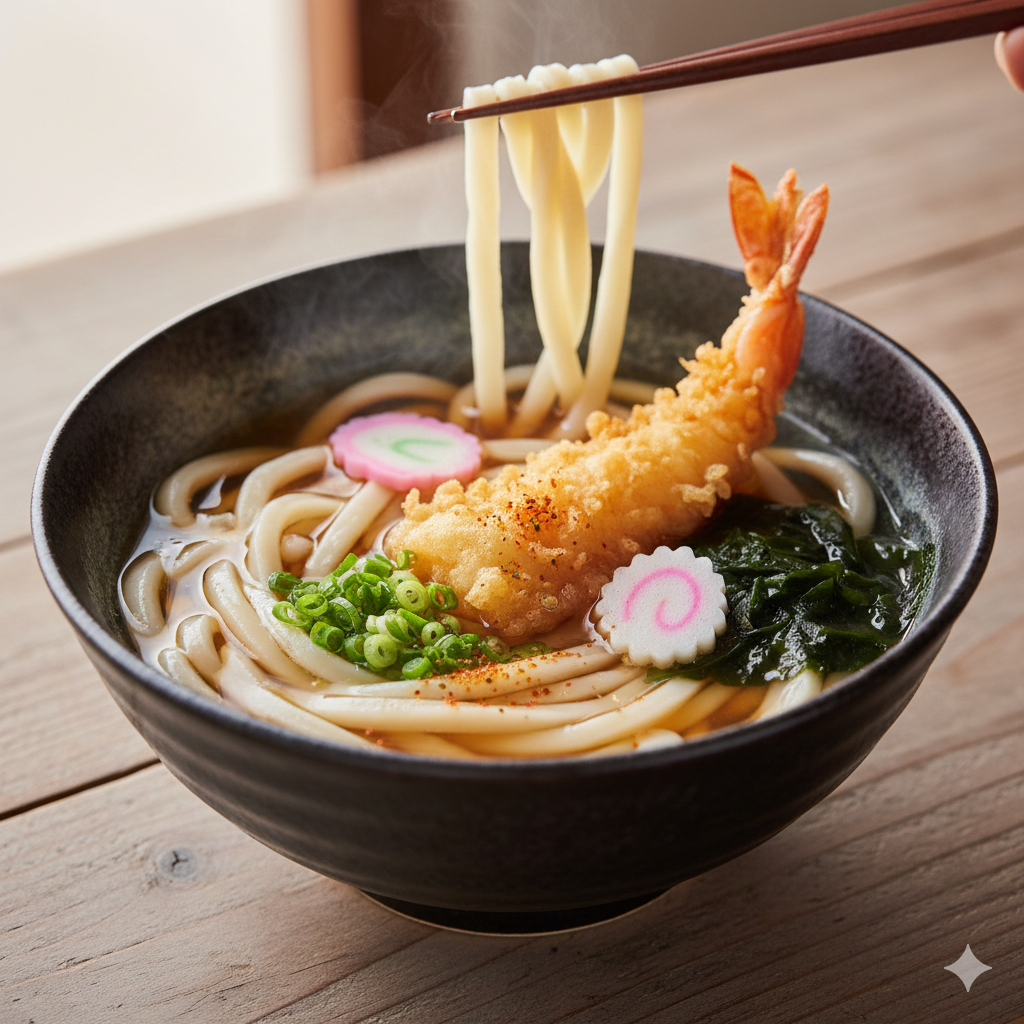
A classic combination of hot udon soup with assorted tempura—often shrimp and seasonal vegetables. In some variations, the tempura is served on the side to preserve its crispness; in others, it is placed directly on top, allowing the batter to soak in the broth. - Nabeyaki Udon
Served in individual clay pots, nabeyaki udon is a hearty, hotpot-style dish. Udon noodles simmer in broth with ingredients such as chicken, egg, mushrooms, fish cake, and shrimp tempura. It is especially popular during colder months. - Curry Udon
A richer, more robust style where the broth is thickened and seasoned with Japanese curry roux. The thick noodles pair well with the viscous, aromatic soup, making curry udon a substantial and deeply satisfying meal. - Zaru Udon and Bukkake Udon
For warm weather, chilled udon dishes are common. Zaru udon features cold noodles served on a bamboo tray with a separate dipping sauce (tsuyu). Bukkake udon presents chilled noodles in a smaller amount of concentrated, cool broth, often with grated daikon, ginger, and a variety of toppings.
This diversity demonstrates why “udon recipe” can mean anything from a light, minimalist meal to a rich, curry-laden bowl.
How to Cook and Serve Udon at Home
Preparing udon at home is accessible even for beginners. While hand-making noodles is rewarding, most home cooks rely on dried, chilled, or frozen noodles, all of which can yield excellent results with careful handling. Understanding how to cook udon properly ensures the noodles retain their ideal texture and do not become waterlogged or mushy.
Ingredients and Cooking Tips
The foundation of a successful bowl of Japanese udon is high-quality noodles and a balanced broth. Below are practical guidelines for home preparation.
Choosing Noodles
- Dried udon: Widely available and convenient. They require longer boiling, typically 8–12 minutes, depending on thickness. Texture is slightly firmer and less silky than fresh varieties but suitable for most uses.
- Fresh or chilled udon: Sold refrigerated, often in vacuum-sealed packs. These cook quickly, usually in 2–4 minutes, and offer a more supple bite.
- Frozen udon: A preferred option for many professionals and home cooks alike. Freezing preserves the quality of fresh noodles, and they cook directly from frozen in a few minutes, retaining excellent chew.
How to Cook Udon Noodles
- Use plenty of water
Boil a large volume of water in a spacious pot. Crowding the noodles causes uneven cooking and stickiness. - Stir gently at the start
Once the noodles are added, stir to separate strands and prevent clumping at the bottom. - Respect cooking times, but taste-test
Package times are guidelines. Begin tasting a minute or two before the indicated time. Properly cooked udon should be fully tender on the outside with a resilient core, never chalky but not overly soft. - Rinse for non-soup applications
For cold or stir-fried dishes, drain and rinse noodles under cold running water. Gently rub them to remove excess surface starch, then drain thoroughly. This step preserves elasticity. - Reheat in broth, not water
If using pre-cooked noodles, briefly warm them in the serving broth rather than reboiling in water. This prevents dilution of flavor and overcooking.
Building the Broth
A refined but straightforward dashi-based broth distinguishes a good bowl from a mediocre one. A classic hot udon soup is built from:
- Dashi: Usually made from kombu (kelp) and katsuobushi (bonito flakes). Simpler home versions can use high-quality instant dashi granules, though freshly made stock yields a more nuanced result.
- Soy sauce: Light (usukuchi) or regular soy sauce, depending on regional style and desired color. Kansai-style broths are often lighter and more transparent.
- Mirin and sugar: For gentle sweetness and roundness of flavor.
- Salt: Adjusted at the end to balance the broth.
Bring dashi to a gentle simmer, season with soy sauce, mirin, and a small amount of sugar, then taste and refine with salt. Avoid prolonged boiling after adding bonito-based ingredients to prevent bitterness.
Toppings and Broths for the Perfect Udon
Thoughtful pairing of broth and toppings transforms simple noodles into a complete, harmonious dish. The following combinations provide a starting point for designing your own udon recipe at home.
Classic Toppings
- Negi (green onions): The default garnish, providing aroma and freshness.
- Aburaage: Sweet-simmered fried tofu, essential for kitsune udon.
- Tempura: Shrimp, pumpkin, sweet potato, and seasonal vegetables, either served on top or on a separate plate.
- Onsen tamago or raw egg: Adds richness when stirred into hot broth, creating a subtle, silky texture.
- Kamaboko or narutomaki: Fish cakes that contribute color and gentle umami.
- Wakame: Rehydrated seaweed lends mineral depth and a contrasting texture.
Flavor Enhancers
- Shichimi togarashi: A Japanese seven-spice blend with chili, citrus peel, and sesame seeds. A small sprinkle adds heat and complexity.
- Grated ginger: Brightens the broth and cuts through richness.
- Grated daikon: Especially common in cold dishes; offers a refreshing, slightly spicy note.
- Sesame seeds: Roasted seeds add nuttiness and aroma.
Broth Variations
- Light dashi broth: Ideal for kake, kitsune, and simple vegetable toppings. Focuses on clarity and restraint.
- Curry broth: Dashi is enriched and thickened with Japanese curry roux, sometimes tempered with milk or dashi for consistency. Excellent for absorbing into thick noodles.
- Miso-based broth: Less common than miso ramen but used in some home-style dishes. Combines miso paste with dashi for a rustic, hearty soup.
- Cold tsuyu: For zaru or bukkake udon, a concentrated mixture of dashi, soy sauce, and mirin served chilled. The noodles are either dipped or lightly bathed in this sauce.
Balancing noodle texture, broth intensity, and topping richness is central to composing the perfect udon bowl. Each element should enhance the others rather than compete.
Where to Eat the Best Udon: Japan and Beyond
Experiencing udon in its cultural context adds a dimension difficult to reproduce elsewhere. In Japan, dedicated shops treat udon making as a craft, refining noodle quality, broth composition, and service style over generations.
Famous Udon Restaurants in Japan
While specific establishments change over time, certain regions and styles remain consistently associated with outstanding udon.
- Kagawa Prefecture (Sanuki Udon)
Often called the “udon prefecture,” Kagawa is renowned for Sanuki udon. Numerous small, often self-service shops dot the region, where customers select noodle size, broth, and toppings cafeteria-style. Queues in front of unassuming roadside restaurants are common signs of excellent noodles. - Tokyo
Tokyo hosts a wide spectrum of udon eateries, from high-end counters focusing on refined broths to fast, stand-up shops in train stations serving quick, satisfying bowls. Specialty restaurants may feature regional styles such as Sanuki or Inaniwa, clearly indicated on their signage. - Osaka and Kyoto (Kansai-style Udon)
The Kansai region is famous for lighter, more delicately seasoned broths. Many long-established shops in Osaka and Kyoto highlight the clarity of their dashi and the elegance of their presentation, making them ideal places to appreciate the subtler side of udon. - Gunma and Akita Prefectures
For Mizusawa and Inaniwa udon respectively, visiting local producers and their associated restaurants offers a direct encounter with region-specific craftsmanship that is rarely replicated exactly outside Japan.
Given the evolving restaurant landscape, consulting recent local guides or regional tourism boards is advisable when seeking particular famous shops. Nonetheless, the most memorable bowls often come from modest establishments focused on a single style done exceptionally well.
https://www.teepublic.com/t-shirt/50088650-classic-car?store_id=2851997
Tips for Finding Authentic Udon Outside Japan
Finding truly authentic udon restaurants abroad requires some discernment, as many venues may label any thick wheat noodle as “udon” regardless of technique or quality. The following criteria can guide your search.
Evaluating the Noodles
- Texture: Authentic udon should be elastic and slightly chewy without being tough. Overly soft, mushy noodles suggest poor quality or improper cooking.
- Appearance: Noodles should be uniform, with a smooth surface and a gentle sheen. Excessive stickiness or clumping is a negative sign.
- Freshness: Restaurants that make noodles in-house or use high-quality fresh or frozen Japanese udon generally advertise this fact. Menu notes or visible noodle-making areas are positive indicators.
Assessing the Broth
- Aroma: A proper udon broth should smell clean and savory, with discernible notes of bonito and kombu if it is a traditional dashi. Heavy, opaque, or overly salty soups that resemble ramen broth are less characteristic of classic udon.
- Balance: The broth should not be dominated by soy sauce or salt. Instead, it should present layered umami with a gentle finish.
Menu and Approach
- Focused menu: Restaurants that specialize in udon or explicitly feature Japanese udon as a core offering are more likely to invest in proper technique than venues where udon appears as an afterthought.
- Regional labeling: References to styles such as Sanuki or Inaniwa, when backed by appropriate texture and preparation, are promising signs of authenticity rather than generic branding.
- Serving style: Availability of both hot and cold dishes, simple kake udon, and classic toppings like kitsune and tempura suggests a more traditional approach.
In many cities, Japanese expatriate communities, cultural centers, and local food forums can offer recommendations for authentic udon restaurants. Seeking these sources helps ensure a more faithful experience.
Conclusion
Udon occupies a distinctive place within Japanese cuisine: approachable yet subtle, simple in components yet rich in regional interpretation. From its historical roots and the evolution of wheat-based noodles in Japan to the wide variety of regional types and celebrated dishes, udon noodles exemplify the country’s commitment to craftsmanship and balance.
Understanding how to cook udon at home—selecting the right noodles, respecting cooking times, and preparing an excellent dashi-based broth—enables you to recreate much of this experience in your own kitchen. At the same time, seeking out authentic udon restaurants, whether in Kagawa, Osaka, Tokyo, or your own city, offers insight into how specialists refine texture, flavor, and presentation over time.
Exploring Japanese udon, in all its forms, means engaging with a living tradition. Each bowl, whether a minimalist kake udon or a robust curry variation, expresses a particular intersection of place, technique, and taste. By paying attention to these details, you move beyond a simple noodle dish and into a deeper appreciation of one of Japan’s most enduring culinary staples.
How to Create a Balanced Fitness Routine
Top 10 Tips for a Healthy Immune System
The Best Supplements for Brain Health
My Puzzle