
Even the most design-conscious homeowners can fall into familiar traps that make a space feel awkward, unfinished, or difficult to live in. The good news is that most interior design mistakes are not irreversible. They are usually the result of rushed decisions, poor measurements, or a lack of cohesion between function and aesthetics. With a more deliberate approach to space planning in interior design, lighting, and scale, you can prevent costly missteps and create rooms that look refined and work effortlessly.
This guide breaks down the most common interior design errors and shows you how to correct them with practical, professional methods. Whether you are furnishing a new home or refreshing a single room, you will find clear steps for how to avoid interior design mistakes—without sacrificing personality or comfort.
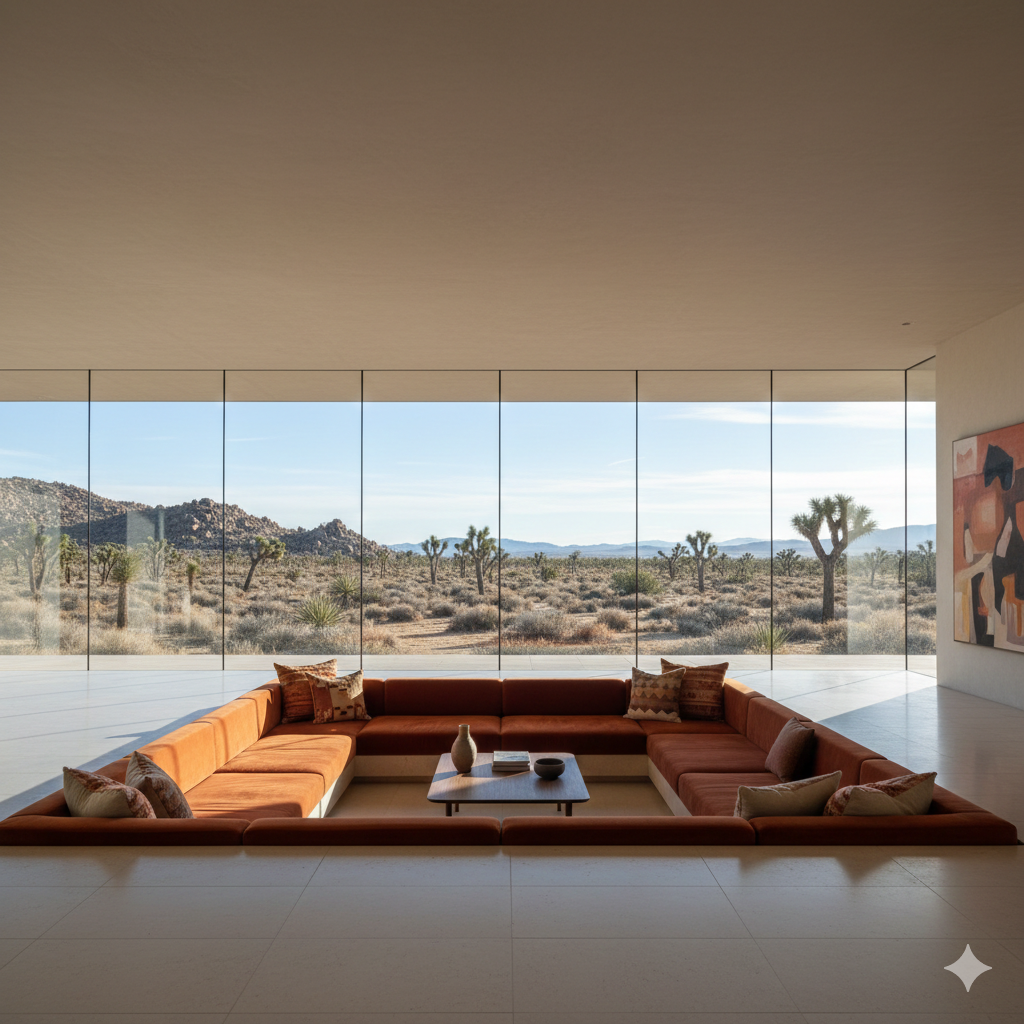
1. Understanding Common Interior Design Mistakes
1.1 Why Interior Design Mistakes Happen (and How to Spot Them)
Design problems often begin with a single, seemingly harmless choice: purchasing furniture before measuring, selecting paint under the wrong lighting, or following trends that do not suit the home’s architecture. These decisions accumulate until the room feels disjointed. Another frequent cause is focusing on appearance without considering daily habits—where you drop keys, how you move through the room, or what you need within reach.
https://www.teepublic.com/t-shirt/50452998-penguin-otter?store_id=2851997
To spot problems early, evaluate the room in layers. First, assess circulation: can people move comfortably without navigating obstacles? Next, check proportion: does any item dominate the room or appear undersized? Finally, look for visual continuity: do color, materials, and finishes relate to each other, or do they compete? Many bad interior design examples share the same root issue—an absence of planning that connects function to form.
1.2 The Cost of Bad Interior Design Choices for Your Home
Poor design has tangible consequences. Financially, the expense comes from replacing ill-fitting furniture, repainting after a color miscalculation, or redoing window treatments that were selected without considering scale. Functionally, the cost is daily friction: cramped seating, insufficient storage, glare from poorly placed lighting, or a layout that interrupts natural movement.
There is also a subtler cost. A home that feels visually chaotic can create low-grade stress, while rooms that are too dark, too stark, or oddly proportioned tend to feel less welcoming. Avoiding common interior design errors is not only about style; it is about creating an environment that supports calm, efficiency, and comfort.
2. Top Interior Design Mistakes to Avoid in Every Room
2.1 Layout and Space Planning Mistakes That Make Rooms Feel Cramped
Among the most frequent room layout mistakes is pushing all furniture against the walls. While this can seem like a way to “open up” a room, it often creates a hollow center and awkward social spacing. A better approach is to anchor seating around a rug and table, even if you pull pieces only a few inches inward. This creates a purposeful conversation zone and makes the room feel designed rather than accidental.
https://www.teepublic.com/t-shirt/50453001-pet?store_id=2851997
Another issue is ignoring traffic flow. When chairs block doorways or you must weave between sharp corners, the room becomes frustrating to use. Aim for clear pathways—especially around entry points, between seating and tables, and along kitchen work zones. Thoughtful space planning in interior design is less about maximizing furniture and more about maximizing ease.
Scale errors are equally common. Oversized sectionals in small rooms or tiny rugs under expansive seating groups distort proportion. As a rule, select a rug large enough for at least the front legs of primary seating to rest on it. Choose tables that allow comfortable reach without crowding knees, and ensure storage pieces do not overwhelm wall space.
2.2 Lighting, Color, and Scale Mistakes That Ruin Your Design
Few elements influence a room as dramatically as lighting, yet lighting mistakes in interior design remain widespread. Relying on a single overhead fixture creates flat illumination and harsh shadows. Instead, layer light: ambient (general), task (functional), and accent (atmospheric). In practical terms, this means combining ceiling fixtures with table lamps, floor lamps, sconces, and focused lighting where needed.
Color is another source of regret. Many color mistakes in home decor happen when homeowners select paint from a small swatch without observing it throughout the day. The same shade can read warm in afternoon sun and dull under cool LED bulbs at night. Test large samples on multiple walls, then evaluate them under your actual lighting conditions before committing.
Scale also applies to decor and architectural features. Hanging art too high, choosing curtains that stop short of the floor, or selecting a chandelier that is out of proportion can make a room feel unfinished. Mount art so its center sits roughly at eye level, hang curtains high and wide to frame windows, and size fixtures to the room rather than to a catalog image.
3. How to Avoid Interior Design Mistakes Like a Professional
3.1 Practical Tips to Plan Your Space, Color Palette, and Furniture
Professionals start with a plan, not a purchase. Begin by listing how the room must function. Is it for entertaining, quiet reading, working from home, or all three? Next, measure the space carefully and sketch a simple floor plan. Even a basic diagram helps you avoid costly interior design mistakes such as buying furniture that is too large or placing it in ways that block movement.
Build a restrained palette before introducing variety. Choose a foundation of two to three core colors, then incorporate subtle variations through texture and tone. This approach reduces visual noise and makes it easier to add personality without chaos. If you are looking for interior design tips for beginners, start with neutral upholstery and layer in bolder accents through art and textiles—elements that can be swapped seasonally or as tastes evolve.
When selecting furniture, prioritize proportion and purpose. Confirm clearances: side tables should sit near arm height, coffee tables should allow comfortable reach, and dining chairs need space to pull out without collision. If a piece cannot earn its place through function, it should contribute meaningfully through storage, comfort, or architectural presence.
3.2 How to Choose Decor, Textiles, and Accessories the Right Way
Accessories should complete a space, not clutter it. One of the most common interior design mistakes is treating decor as an afterthought, resulting in unrelated objects scattered across surfaces. Instead, curate with intention. Group items in odd numbers, vary heights, and repeat materials—such as brass, matte black, or natural wood—to create coherence.
Textiles are essential for depth. Mix patterns strategically by keeping a shared color thread and varying scale: a larger pattern on a rug, a medium pattern on pillows, and a fine pattern on smaller accents. Do not overlook the importance of tactile contrast. Linen, velvet, wool, and leather can coexist beautifully when the palette is disciplined.
Finally, edit relentlessly. A well-designed room often contains fewer items than expected, but each one is chosen deliberately. If a shelf looks busy, remove half the objects and reassess. Negative space is not emptiness; it is visual breathing room that elevates everything around it.
4. Room-by-Room Interior Design Fixes You Can Do Today
4.1 Living Room, Bedroom, and Dining Room Design Corrections
Living room: Correct layout issues by redefining the seating zone. Pull furniture off the walls when possible, anchor it with an appropriately sized rug, and ensure there is a clear path through the room. If the space feels flat, address lighting mistakes in interior design by adding at least two light sources at different heights. Replace undersized art with a larger statement piece or create a cohesive gallery wall with consistent framing.
Bedroom: The most frequent error is ignoring balance around the bed. If you have only one nightstand or mismatched lamps, the room can feel unsettled. Introduce symmetry where it matters, then add softness through layered bedding and curtains that reach the floor. For color, avoid stark contrasts that make the room feel restless; instead, choose calming tones and add interest through texture.
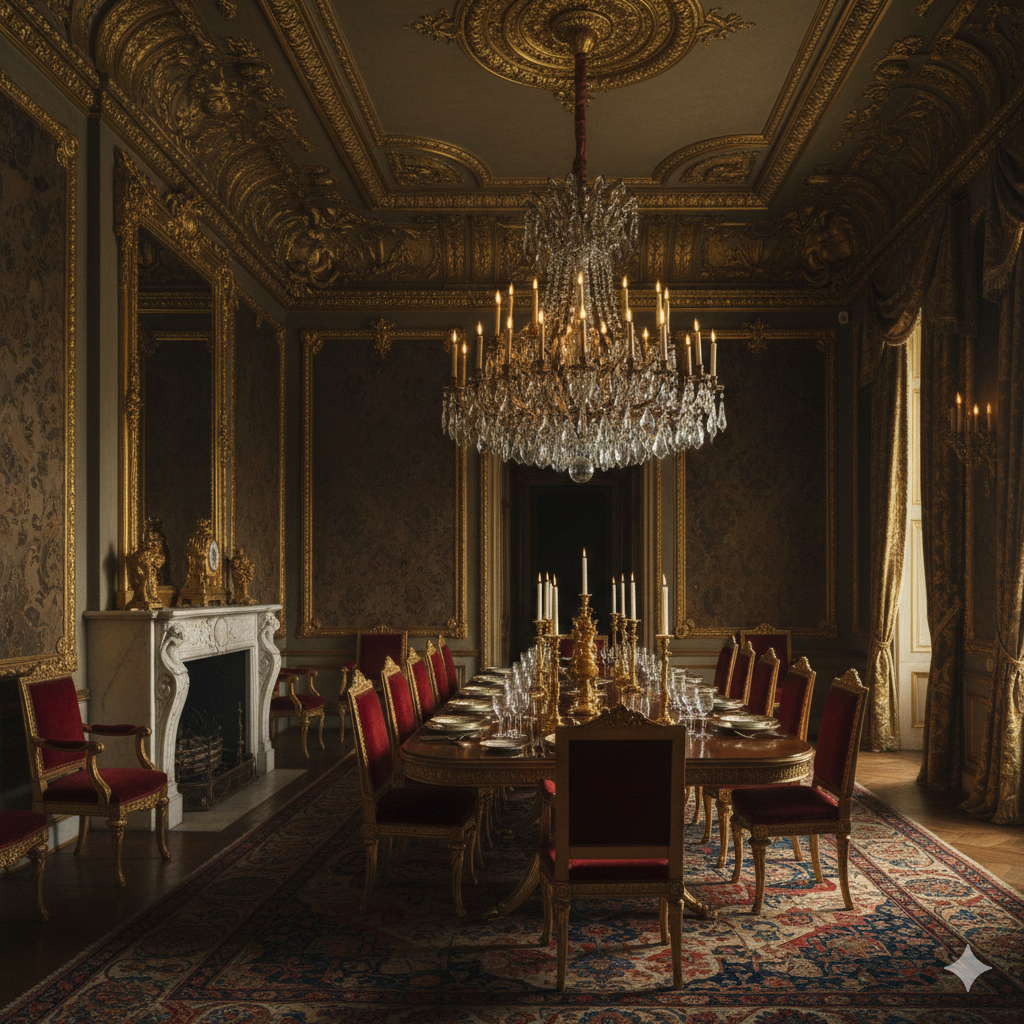
Dining room: Scale problems often show up here. If the chandelier is too small or hung too high, the table will feel disconnected from the room. Center the fixture over the table and size it to the table’s width. Also check chair spacing and circulation—comfort matters as much as aesthetics, especially when hosting.
4.2 Kitchen, Bathroom, and Entryway Styling Mistakes to Fix Fast
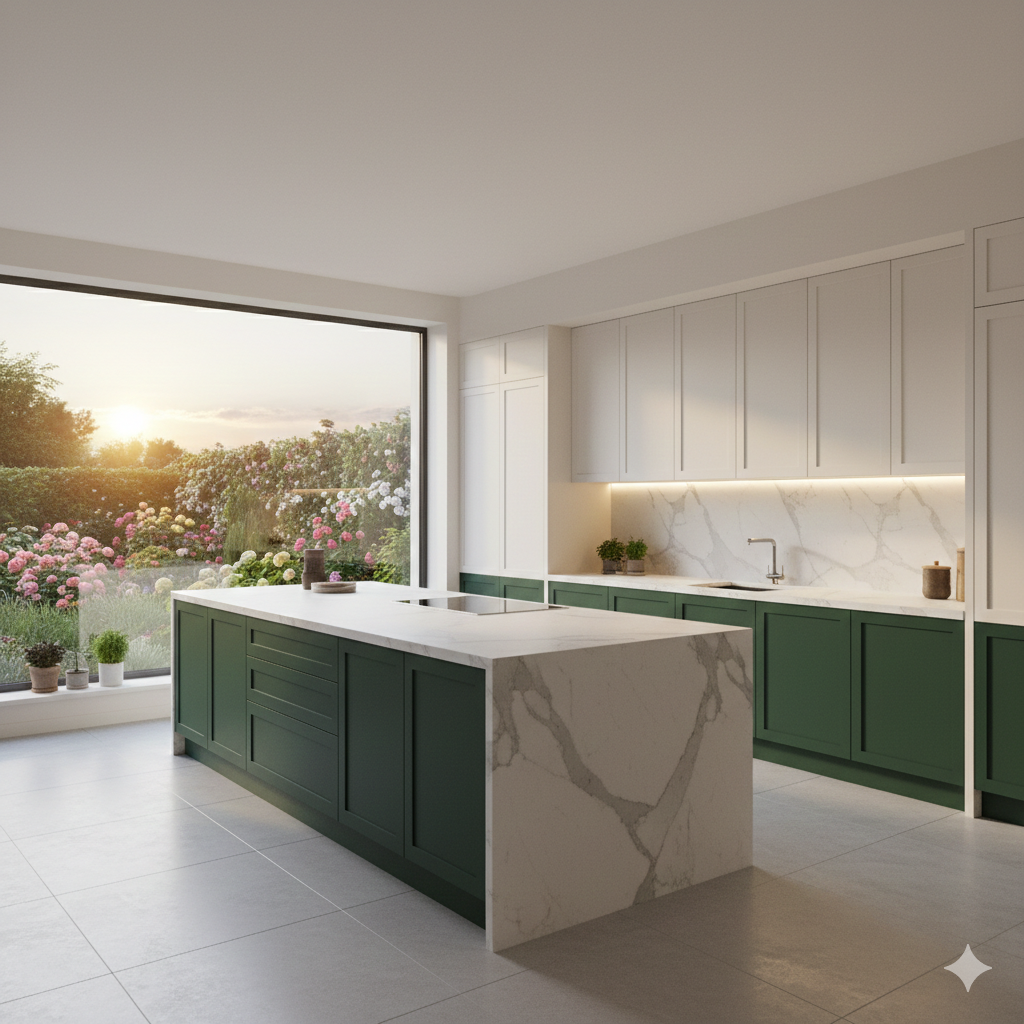
Kitchen: A common issue is insufficient lighting over work areas. Install under-cabinet lighting or improve task lighting above prep zones to eliminate shadows. Another frequent misstep is visual clutter on countertops. Curate what stays out: a tray for daily essentials, a single decorative element, and functional items you truly use. This simple shift improves both appearance and efficiency.
Bathroom: Poor lighting around mirrors is one of the most frustrating common interior design errors because it affects daily routines. Add sconces on either side of the mirror or upgrade to a fixture that provides even, flattering illumination. Replace small, scattered accessories with coordinated dispensers, towels, and hardware finishes for an immediate sense of polish.
Entryway: Many homes neglect this space, yet it sets the tone for everything beyond it. Correct the most typical mistake—lack of function—by adding a console, hooks, or a closed storage bench to manage shoes and bags. Improve the sense of arrival with a mirror to reflect light and a durable runner that grounds the area without overwhelming it.
Conclusion
Most design problems are not mysterious; they are predictable patterns of poor planning, mismatched scale, and incomplete lighting or color strategy. By recognizing the most frequent interior design mistakes—from room layout mistakes to color mistakes in home decor—you can make smarter decisions that support both beauty and daily living.
The strongest interiors do not rely on expensive items or fleeting trends. They succeed through proportion, purposeful layouts, layered lighting, and carefully edited details. Apply these principles room by room, and you will avoid costly missteps while creating a home that feels coherent, comfortable, and enduring.
Best home advices
How to Create a Fitness Vision Board
The Best Yoga Bolsters for Comfort
The Best Sports Drinks for Hydration
How to Practice Mindful Cooking
Slither Arcade
Features
- Classic Gameplay: Grow your snake by eating apples while avoiding self-collision.
- Dynamic Difficulty: The game speed increases as you eat more food.
- Juicy Polish: Screen shakes on eating, pulsing food animations, and high-score tracking.
- Responsive Controls: Use Arrow keys, WASD, or swipe on touch devices/mouse.
- Visuals: Custom-generated stylized assets and a minimalist neon background.
How to play:
- Controls: Use Arrow Keys or WASD to change direction. On mobile, Swipe in the direction you want to turn.
- Objective: Eat the glowing red apples to grow and increase your score. The game ends if you collide with your own tail.
The snake wraps around the screen edges, allowing for strategic maneuvers! Enjoy your game.Controls Reminder: The golden apple slows time for 5 seconds