
Ultimate Hvar Island Travel Guide: The Jewel of Croatia’s Adriatic Coast
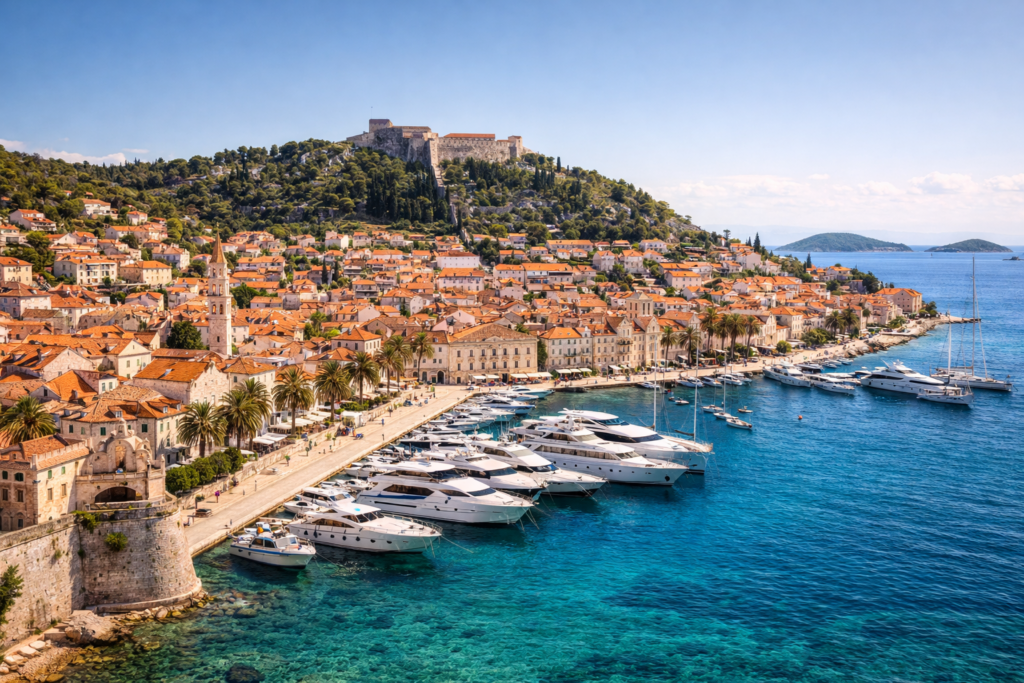
Bathed in sunlight and framed by the crystalline waters of the Adriatic, Hvar has long been considered one of Croatia’s most captivating islands. From its Venetian architecture and ancient heritage to pristine coves and vineyards rolling down to the sea, Hvar combines history, nature and refined Mediterranean lifestyle in a single destination. Whether you are planning a weekend escape or a longer island holiday, this guide will help you discover the essence of Hvar and make the most of your stay.
Discovering Hvar: The Jewel of the Adriatic
Overview of Hvar’s Geography and Climate
Hvar lies off Croatia’s central Dalmatian coast, part of an archipelago stretching between Split and Dubrovnik. The island is elongated, with a rugged interior, fragrant pine forests and lavender fields descending towards secluded bays. On the northern side, sheltered coves and fishing villages overlook the mainland and the Biokovo mountain range, while the southern coast is steeper, punctuated by vineyards, cliffs and hidden inlets accessible only by boat or footpaths.
Renowned as one of the sunniest places in Europe, Hvar enjoys over 2,700 hours of sunshine per year. Summers are long, hot and dry, tempered by gentle sea breezes that make even peak season pleasant for swimming and sailing. Spring and autumn bring mild temperatures, clear skies and fewer crowds, ideal for hiking, cycling and wine tasting. Winters are relatively soft compared to continental Croatia, with cooler nights but generally stable, bright days that reveal the island’s quiet, authentic rhythm.
Historical Significance of Hvar Island
Hvar’s strategic position on historic maritime routes has shaped its identity for millennia. The island was settled by the Illyrians, then colonised by the ancient Greeks, who founded the town of Pharos on the site of modern-day Stari Grad in the 4th century BC. The fertile Stari Grad Plain, still divided into the original Greek agricultural plots, is today a UNESCO World Heritage Site and a testament to remarkably continuous land use.
Roman, Byzantine and early Christian layers followed before Hvar entered its golden age under Venetian rule from the 13th to the 18th century. During this period, Hvar flourished as a maritime and cultural hub of the Adriatic. The imposing fortifications, elegant loggias, Renaissance palaces and one of Europe’s oldest public theatres bear witness to this era of prosperity. Later, Austro-Hungarian influence left its own imprint, particularly in the island’s architectural details and early tourism infrastructure.
Modern Hvar balances this rich heritage with a contemporary appeal. Today, visitors can walk cobblestone streets where Venetian merchants once traded, dine in converted stone warehouses by the harbour and explore centuries-old churches that still serve local communities. The layering of cultures, combined with strong local traditions, makes Hvar much more than a simple beach destination.
Top Attractions and Activities in Hvar
Exploring Hvar Town’s Historic Sites
Hvar Town is the island’s cultural and social heart, a vibrant port framed by terracotta rooftops and overlooked by a commanding fortress. Begin your exploration at the main square, Trg sv. Stjepana, one of the largest and most beautiful squares on the Adriatic. At its seaward end stands the Arsenal, a 16th-century building that once housed Venetian ships and later became home to the historic Hvar Theatre, founded in 1612. Climb the stairs to see the theatre’s charming interior and imagine performances that entertained local nobility centuries ago.
Dominating the skyline above the town, the Fortica (Španjola Fortress) offers panoramic views of the harbour and the Pakleni Islands. The ascent takes about 20 minutes along a well-marked path, passing fragrant gardens and old stone walls. Once at the top, you can explore the ramparts, small museum and ancient cisterns that sustained the fortress during sieges. The sunset vistas from here are particularly impressive, with the sea turning shades of gold and purple.
Scattered throughout Hvar Town are numerous churches and monasteries. The Cathedral of St. Stephen, with its elegant façade and bell tower, anchors the main square. A short walk along the waterfront leads to the Franciscan Monastery, a serene complex with a modest museum, cloistered garden and a renowned 16th-century painting of the Last Supper. Wandering the backstreets, you will discover quiet stone alleys, hidden courtyards and traditional houses that reveal the town’s lived-in character beyond its polished waterfront.
Outdoor Adventures and Natural Wonders
Beyond its historic core, Hvar offers a wide array of outdoor activities for nature enthusiasts and active travellers. The island’s network of trails invites hiking and cycling through olive groves, vineyards and aromatic shrubland. Popular routes include the climb from Hvar Town to the village of Velo Grablje and on to Malo Grablje, an abandoned stone hamlet that provides a hauntingly beautiful glimpse into rural life of the past. Another rewarding excursion leads from Stari Grad towards the ancient parcels of the Stari Grad Plain, where dry-stone walls and traditional crops form a unique cultural landscape.
The surrounding sea is equally inviting. Sailing trips around the Pakleni Islands reveal a labyrinth of turquoise bays, pine-covered islets and sheltered anchorages. Kayaking along the coastline allows you to reach smaller coves and sea caves, while stand-up paddleboarding offers a tranquil way to enjoy sunset on calm evenings. Divers and snorkellers will find clear waters, rocky reefs and a variety of marine life, particularly around less frequented southern coves.
For those seeking more adrenaline, rock climbing on the island’s limestone cliffs has grown in popularity, especially near the village of Sveta Nedjelja. Windsurfing and kitesurfing conditions are often favourable in exposed channels, where steady winds create ideal conditions. Whether you prefer gentle walks or more demanding excursions, Hvar’s varied terrain and maritime environment provide ample opportunities to engage with nature.
Best Beaches in Hvar
Popular Beaches for Relaxation and Sunbathing
Hvar’s reputation as a beach destination is well deserved, thanks to its string of pebbled bays and remarkably clear waters. Around Hvar Town, several accessible beaches cater to those seeking convenience without sacrificing beauty. Pokonji Dol, a short walk or drive from the centre, is one of the most beloved. This crescent-shaped bay features smooth pebbles, inviting shallows and views towards a small offshore islet with a lighthouse.
On the north coast near Stari Grad, Maslinica Beach provides a family-friendly option with calm waters and partial shade from surrounding pines. Further east, near Jelsa and Vrboska, beaches such as Mina and Soline combine gently sloping shorelines with nearby cafés and casual restaurants, ideal for a relaxed day by the sea. Facilities like sunbed rentals, showers and beach bars are common at the more established spots, making them convenient for longer stays and mixed groups.
The Pakleni Islands, just off Hvar Town, are also home to some of the island’s most famous beach experiences. Palmizana and Ždrilca offer a blend of beach clubs, laid-back bars and quieter pockets of shoreline. Regular taxi boats connect Hvar Town with these islets throughout the day, allowing visitors to enjoy postcard-perfect coves without renting a private vessel.
Hidden Beaches and Secret Spots
For those willing to venture off the beaten path, Hvar rewards exploration with more secluded beaches and lesser-known coves. On the island’s southern side, reached via narrow roads and tunnels, you will find bays such as Dubovica, one of the most photogenic spots on Hvar. A short descent on foot leads to a wide pebble beach backed by a historic stone house and framed by rocky promontories. Its relative isolation preserves a more tranquil atmosphere, especially outside peak hours.
Near the village of Sveta Nedjelja and the settlement of Ivan Dolac, a series of small, intimate coves hide beneath steep vineyards. Access often involves walking paths or steps carved into the hillside, but the reward is a sense of privacy and stunningly clear water. These beaches tend to be more natural, with limited or no facilities, so bringing water, shade and snacks is advisable.
Boat excursions, whether by rented dinghy or organised tour, unlock a wealth of secret spots that are otherwise difficult to reach. Skippered trips can take you to uninhabited islets, cave formations and tiny bays where you might share the sea with only a handful of other visitors. When exploring these more fragile environments, it is important to respect local regulations, avoid anchoring on seagrass meadows and leave no trace to preserve the island’s delicate coastal ecosystems.
Where to Eat and Drink in Hvar
Traditional Dalmatian Cuisine
Hvar’s culinary scene is deeply rooted in Dalmatian and Mediterranean traditions, shaped by the island’s climate, maritime heritage and centuries of cultural exchange. At its core, local cuisine celebrates simplicity and quality ingredients: fresh fish and seafood, sun-ripened vegetables, fragrant herbs, olive oil and robust island wines.
One of the most emblematic dishes is gregada, a fisherman’s stew of white fish, potatoes, garlic and olive oil, slowly simmered to create a delicate yet flavourful broth. Peka, another regional speciality, involves meat or octopus cooked under a bell-shaped lid buried in embers, yielding tender, smoky aromas. Grilled fish, often served with blitva (Swiss chard with potatoes) and drizzled in local olive oil, appears on almost every menu.
The island is also known for its lavender, rosemary and wild herbs, which infuse both savoury dishes and desserts. Local cheeses, cured meats and marinated anchovies appear in traditional platters, perfect as starters or light meals. To accompany these flavours, Hvar’s vineyards produce distinctive wines, including Plavac Mali reds from steep southern slopes and refreshing whites such as Bogdanuša and Pošip. Olive oil tastings and wine tours are increasingly popular, allowing visitors to experience the island’s agricultural traditions first-hand.
Top Restaurants and Wine Bars to Visit
Hvar Town offers a sophisticated dining scene where traditional recipes meet contemporary presentation. Along the waterfront and in the old town’s alleys, you will find refined restaurants focusing on fresh seafood, modern Dalmatian cuisine and tasting menus that showcase seasonal produce. Many establishments highlight local suppliers, from fishermen and olive growers to small-scale winemakers, ensuring authenticity and freshness.
In Stari Grad, the atmosphere is more laid-back yet equally gastronomic. Stone streets hide intimate konobas (traditional taverns) where you can enjoy home-style cooking, grilled specialities and regional stews. The town’s slower pace lends itself to lingering dinners, paired with a bottle of local wine and followed by a stroll along the historic harbour. Smaller villages, such as Vrboska and Jelsa, also host excellent family-run restaurants that pride themselves on time-honoured recipes and warm hospitality.
For wine enthusiasts, dedicated wine bars and tasting rooms are scattered across the island. In Hvar Town, several establishments curate extensive lists of Croatian wines, with knowledgeable staff ready to guide you through indigenous grape varieties. Inland, visiting cellar doors near Jelsa and on the southern slopes around Sveta Nedjelja provides a more immersive experience. Here, you can tour vineyards clinging to steep hillsides, learn about traditional and modern winemaking techniques and sample expressions of Plavac Mali that reflect Hvar’s unique terroir.
As night falls, the island transitions smoothly from leisurely dining to a more vibrant atmosphere. Elegant cocktail bars, seafront lounges and selected beach clubs cater to those wishing to extend the evening. Yet even amid this liveliness, it is always possible to find a quiet terrace overlooking the harbour, where a glass of wine and the sound of the sea offer a more contemplative way to end the day.
Conclusion
Hvar stands out among Adriatic islands for its rare fusion of natural splendour, deep-rooted history and refined yet authentic lifestyle. Its medieval towns, ancient agricultural landscapes and sun-drenched bays together create a destination that appeals to a wide spectrum of travellers: culture seekers, outdoor enthusiasts, gastronomes and those simply in search of clear water and Mediterranean tranquillity.
By exploring beyond the main harbourfronts, venturing into hillside villages, tasting local wines and discovering lesser-known coves, visitors gain a richer understanding of what makes Hvar truly distinctive. Whether you are planning your first journey or returning to uncover new facets of the island, Hvar offers an enduring invitation to slow down, savour and immerse yourself in the timeless allure of the Adriatic.
https://www.teepublic.com/t-shirt/51544746-silver-soccer-ball?store_id=2851997
Holiday in London: Travel Guide, and Top Attractions
Ultimate Kotor, Montenegro Travel Guide
Santorini Travel Guide: Top Attractions, Oia & Best Time to Visit
Athens Travel Guide: Top Attractions, Acropolis, & Best Time to Visit
Dubrovnik Travel Guide: Explore the Pearl of the Adriatic’s Beauty
Crystal Collector
Combat Protocol
WASD – Move
Mouse – Look around
Left Click – Fire Weapon
R – Reload
Eliminate all hostile units in the sector!
(Works better on computer)